Issue · Environment

Environment

Every environment bill, vote, and legislator stance in United States, automatically classified by Maddy, our AI policy reader.

Total bills
2,003
119th Congress
Top supporter
Aisha Wahab
100% support rate
Top opponent
Marsha Blackburn
11% support rate
Ranked legislators
10
5 support · 5 oppose
Key legislators

Who's moving environment in United States

Legislators moving environment in United States
Legislator Party Stance Support rate Decisive votes
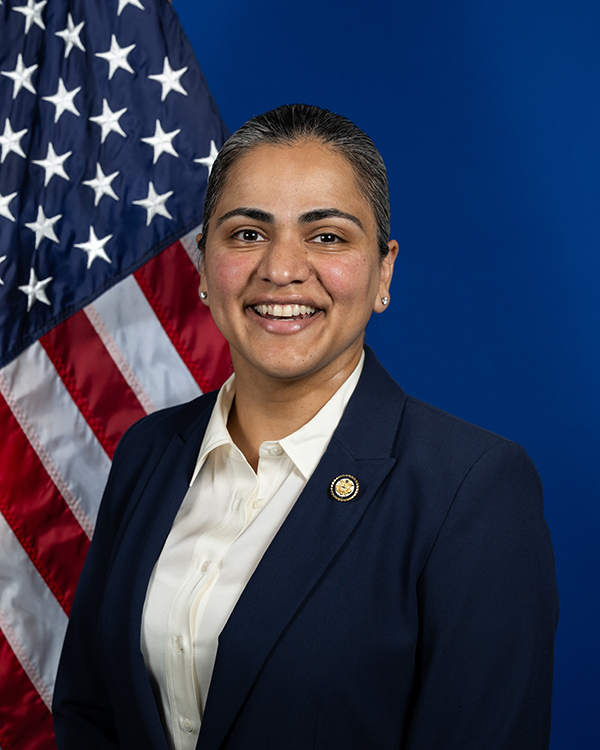
Aisha Wahab
Aisha Wahab House · District 14
D
Strong +
100% 7
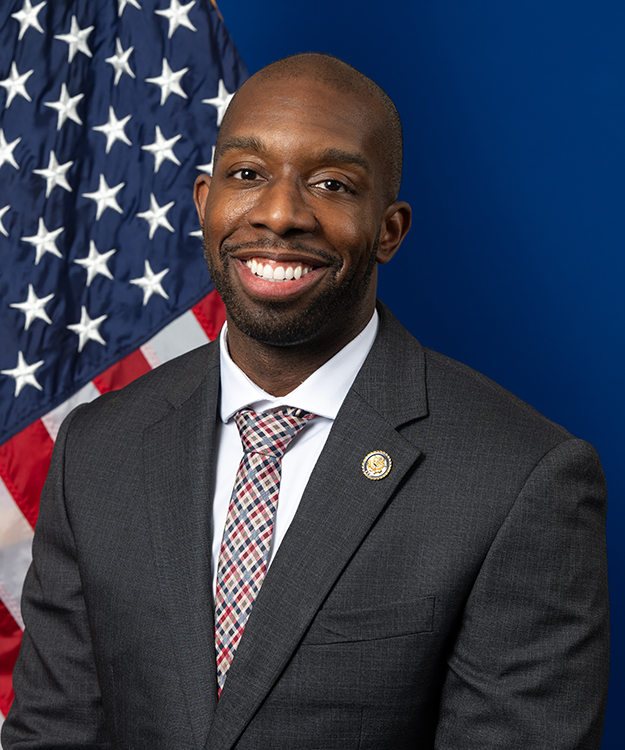
Everton Blair Jr.
Everton Blair Jr. House · District 13
D
Strong +
89% 9
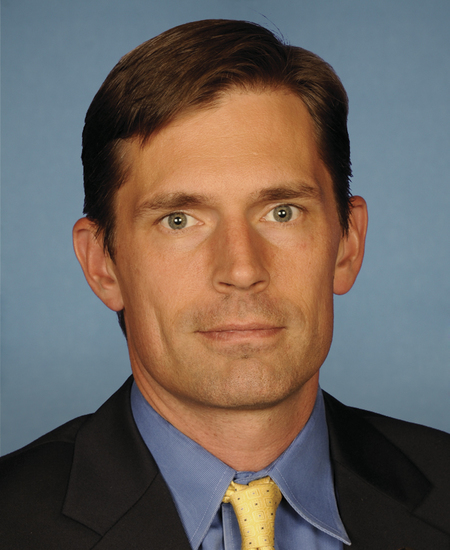
Martin Heinrich
Martin Heinrich Senate
D
Strong +
84% 37
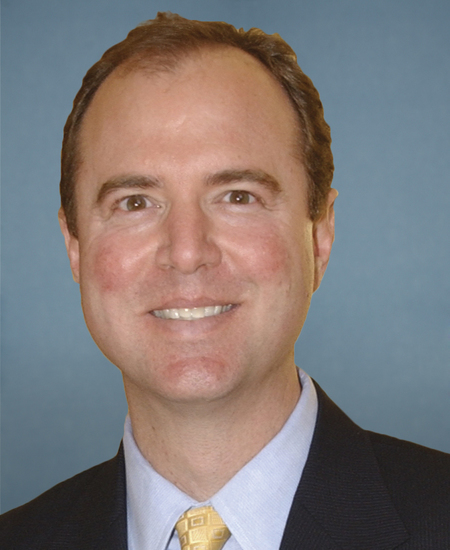
Adam B. Schiff
Adam B. Schiff Senate
D
Support
79% 53
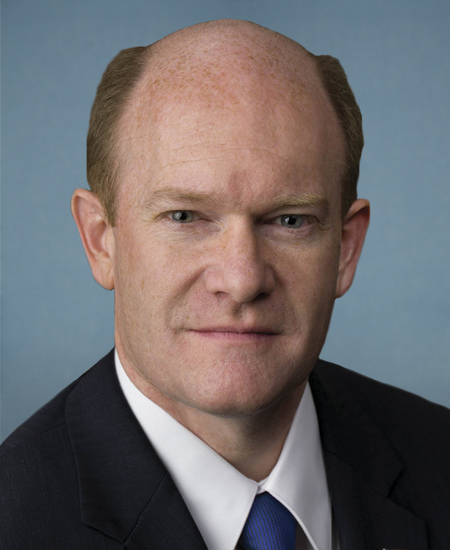
Christopher A. Coons
Christopher A. Coons Senate
D
Support
79% 52
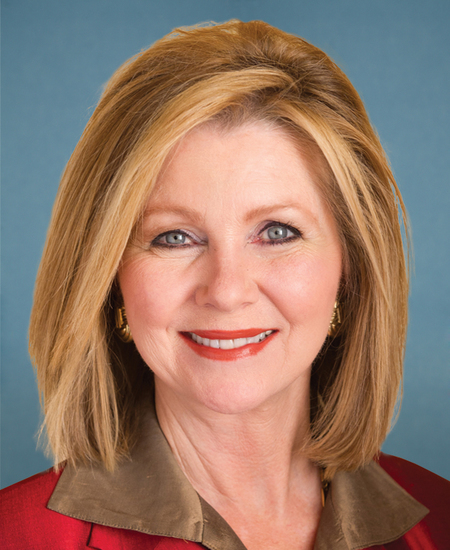
Marsha Blackburn
Marsha Blackburn Senate
R
Strong −
11% 36
Ted Budd
Ted Budd Senate
R
Strong −
20% 40
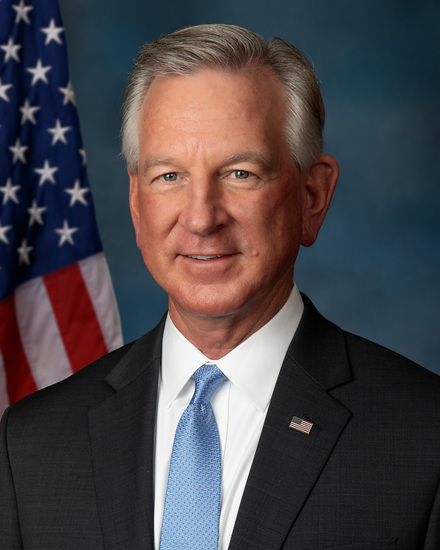
Tommy Tuberville
Tommy Tuberville Senate
R
Oppose
21% 53
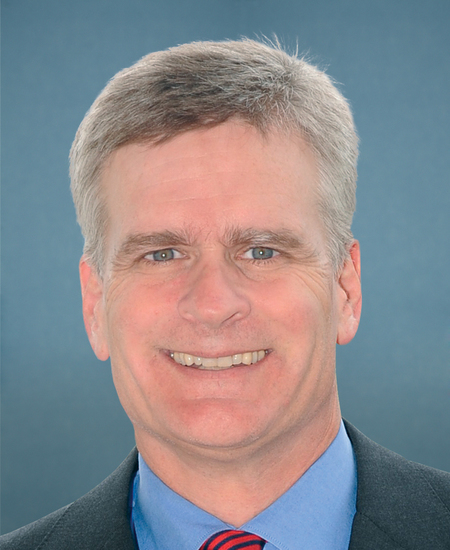
Bill Cassidy
Bill Cassidy Senate
R
Oppose
22% 54
Jerry Moran
Jerry Moran Senate
R
Oppose
23% 53
Showing 1,271–1,280 of 2,003 bills

All environment bills

in committee · United States · House Sep 20, 2025

HR 5537: Pipeline Accountability Act of 2025

The Pipeline Accountability Act of 2025 requires pipeline operators to install rupture-mitigation valves on pipelines in high consequence areas within 5 years and demonstrate the ability to isolate ruptured segments within 30 minutes. It establishes new safety standards for carbon dioxide pipelines, mandates public disclosure of safety data including potential impact zones and emergency response plans, and creates an Office of Public Engagement within the Pipeline and Hazardous Materials Safety Administration. The bill prohibits blending hydrogen into natural gas systems without specific regulation, requires reporting of blended products exceeding 1% by volume, and mandates reporting of gas releases of 50,000 cubic feet or more. It also establishes new penalties for safety violations and requires operators to provide accessible safety information to communities near pipelines.
passed · United States · House May 20, 2026

HR 4684: Star-Spangled Summit Act of 2026

HR 4684, the Star-Spangled Summit Act of 2025, grants a 10-year special use permit for maintaining a U.S. flag at Kyhv Peak Lookout Point in Utah's Uinta National Forest. The permit is first issued to Robert S. Collins of Provo, Utah, or if he declines, to a qualified local resident or nonprofit with experience caring for flagpoles, prioritizing previous permit holders. Key provisions include exemption from land use fees, a process for renewal, and an explicit exemption from environmental review under the National Environmental Policy Act (NEPA). The bill directly affects only the specific location and the designated permit holder(s) at Kyhv Peak, with no broader policy changes.
Sub-Topics Forestry
in committee · United States · House Feb 13, 2025

HR 1311: Stop the Delta Tunnel Act

HR 1311, the Stop the Delta Tunnel Act, prohibits the U.S. Army Corps of Engineers from issuing a federal permit for California's Delta Conveyance Project. The bill specifically blocks a permit under the Clean Water Act (section 404) for the project described in the Corps' December 2022 Draft Environmental Impact Statement. This directly affects the project's ability to proceed by preventing a key federal approval needed for construction. The bill does not alter the project itself but stops the permitting process for this specific water infrastructure initiative.
Sub-Topics Water Quality
in committee · United States · Senate Jul 24, 2025

S 2431: Department of the Interior, Environment, and Related Agencies Appropriations Act, 2026

# Summary of the Department of the Interior, Environment, and Related Agencies Appropriations Act, 2026 This comprehensive appropriations bill allocates funding for the Department of the Interior, Environmental Protection Agency, and related agencies for fiscal year 2026. Key provisions include: 1. **Major Funding Allocations**: - Significant funding for the Indian Health Service, National Park System, and environmental programs - Specific allocations for National Endowment for the Arts and Humanities - Funding for the Smithsonian Institution, National Gallery of Art, and other cultural institutions 2. **Key Restrictions and Prohibitions**: - Ban on using funds for activities promoting public support/opposition to pending legislation - Prohibition on using funds for certain types of mineral leasing within National Monuments - Restrictions on using funds for certain environmental regulations (e.g., greenhouse gas reporting from manure management) - Ban on using funds for certain types of ammunition regulation 3. **Program Extensions**: - Extension of various programs through 2026 (e.g., Forest Service Facility Realignment, Tribal Leases, Alaska Native Regional Health Entities) - Extension of the Alaska Native Vietnam Era Veterans Land Allotment Program 4. **Administrative Provisions**: - Requirements for quarterly reporting on fund balances - Restrictions on reprogramming funds without committee approval - Requirements for posting reports on agency websites - Specific guidelines for grant awards and cancellations 5. **Rescissions and Repurposing**: - Permanent rescission of $41 million from Environmental Protection Agency Buildings and Facilities - Permanent rescission of $50 million from John F. Kennedy Center Capital Repair - Repurposing of $764.5 million from unobligated balances for wildland fire management The bill contains numerous specific provisions governing how funds may be used across various programs, with particular attention to environmental protection, cultural institutions, Native American health and land management, and forest management. It includes numerous restrictions on fund usage and specific requirements for reporting and transparency.
in committee · United States · Senate Jan 29, 2025

S 316: Grizzly Bear State Management Act of 2025

Grizzly Bear State Management Act of 2025 This bill requires the Department of the Interior to remove the Greater Yellowstone ecosystem population of grizzly bears from the list of endangered and threatened wildlife.
Sub-Topics Wildlife
in committee · United States · House Aug 27, 2026

HR 7487: Rural Jobs and Hydropower Expansion Act

HR 7487, the Rural Jobs and Hydropower Expansion Act, expands hydropower development opportunities on Bureau of Reclamation water projects. It removes restrictions that previously limited hydropower to "small conduit" systems or pumped storage, now allowing all types of hydropower projects using Bureau facilities. The bill clarifies definitions for "transferred works facilities" (operated by non-federal entities) and "reserved works facilities," and updates rules for Federal Energy Regulatory Commission (FERC) authorizations to remain active until expired or renewed. This directly affects developers seeking to build hydropower projects on federal water infrastructure managed by the Bureau of Reclamation.
Sub-Topics Energy Storage Hydroelectric Tags Rural Communities
in committee · United States · House May 21, 2025

HR 3559: Save Our Forests Act of 2025

HR 3559, the Save Our Forests Act of 2025, requires the U.S. Forest Service to increase staffing for National Forest System lands within 30 days of enactment to support forest health and productivity. It mandates reinstating Forest Service employees terminated between January 20, 2025, and the bill’s enactment date. The bill also directs the continuation of specific existing projects funded under laws like the Inflation Reduction Act and Infrastructure Investment and Jobs Act. These provisions directly affect Forest Service operations, workers, and the management of national forests.
Sub-Topics Forestry
in committee · United States · House Apr 1, 2025

HR 2566: End Taxpayer Subsidies for Electric Vehicles Act

HR 2566, the "End Taxpayer Subsidies for Electric Vehicles Act," would repeal the federal tax credit that currently allows consumers to reduce their income tax when purchasing new electric vehicles. This credit, known as the clean vehicle credit under Section 30D of the Internal Revenue Code, has directly affected buyers of qualifying electric vehicles by lowering their purchase costs. The bill removes this credit entirely, meaning future buyers would no longer receive this tax benefit for new electric vehicle purchases. The repeal would apply to vehicles placed in service after the bill's enactment date, with minor technical adjustments to other tax code sections referencing the repealed credit.
in committee · United States · House Mar 18, 2025

HR 2218: Stop CARB Act of 2025

HR 2218 (Stop CARB Act of 2025) would block California from enforcing its own emissions standards for construction equipment, farm machinery, and locomotives by repealing federal provisions that allow states to set stricter rules. It specifically repeals Section 177 of the Clean Air Act, which authorizes California’s vehicle standards, and invalidates all existing waivers permitting California’s regulations (including those for nonroad engines) upon enactment. The bill also denies any pending waiver applications and removes references to California’s standards from other Clean Air Act sections. This directly affects California’s regulatory authority over emissions for these specific equipment types and vehicle categories.
Sub-Topics Air Quality
in committee · United States · House Mar 11, 2025

HR 2091: Chesapeake Bay Conservation Acceleration Act of 2025

This bill establishes the Chesapeake Bay States Partnership Initiative to help agricultural producers in the Chesapeake Bay watershed (covering parts of Delaware, Maryland, New York, Pennsylvania, Virginia, West Virginia, and D.C.) implement conservation practices that improve water quality, restore soil resources, and increase climate resilience. It provides targeted funding for erosion control, nutrient reduction, and habitat restoration on agricultural land, with special consideration for practices that reduce nitrogen and sediment. The bill creates a "turnkey pilot program" allowing technical service providers to establish and manage conservation practices on farmland without requiring landowners to pay costs or submit additional paperwork. Additionally, it updates conservation programs, enhances agricultural education funding, and adjusts regulatory oversight for certain catfish species in the Chesapeake Bay ecosystem.
Showing 1,271 to 1,280 of 2,003 bills