Issue · Environment

Environment

Every environment bill, vote, and legislator stance in United States, automatically classified by Maddy, our AI policy reader.

Total bills
2,003
119th Congress
Top supporter
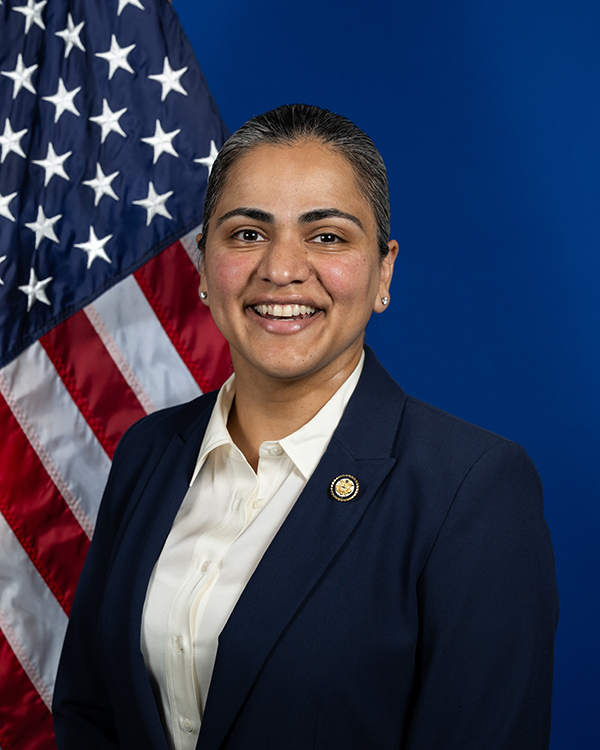
Aisha Wahab
100% support rate
Top opponent
Marsha Blackburn
11% support rate
Ranked legislators
10
5 support · 5 oppose
Key legislators

Who's moving environment in United States

Legislators moving environment in United States
Legislator Party Stance Support rate Decisive votes
Aisha Wahab
Aisha Wahab House · District 14
D
Strong +
100% 7
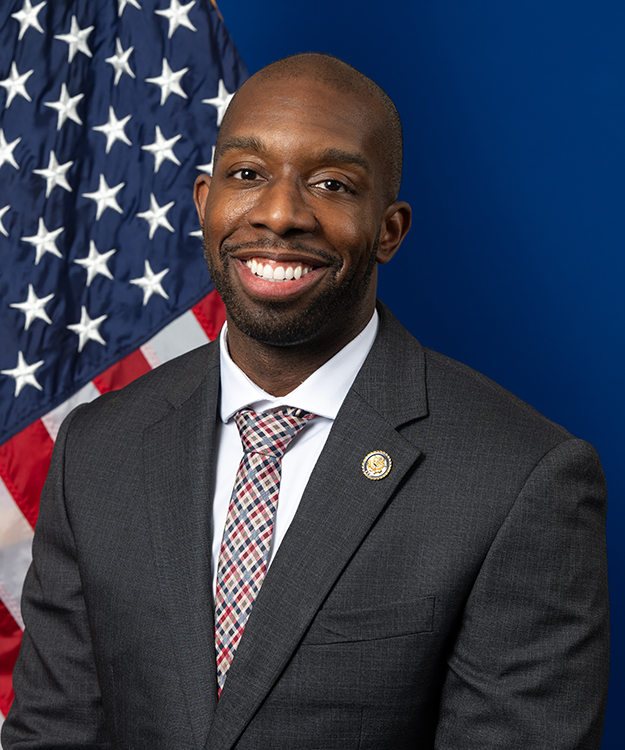
Everton Blair Jr.
Everton Blair Jr. House · District 13
D
Strong +
89% 9
Martin Heinrich
Martin Heinrich Senate
D
Strong +
84% 37
Adam B. Schiff
Adam B. Schiff Senate
D
Support
79% 53
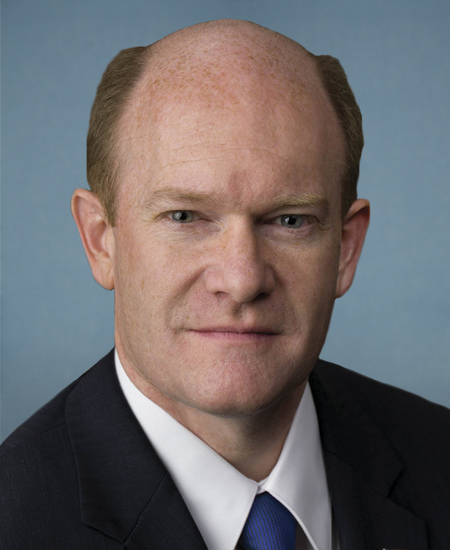
Christopher A. Coons
Christopher A. Coons Senate
D
Support
79% 52
Marsha Blackburn
Marsha Blackburn Senate
R
Strong −
11% 36
Ted Budd
Ted Budd Senate
R
Strong −
20% 40
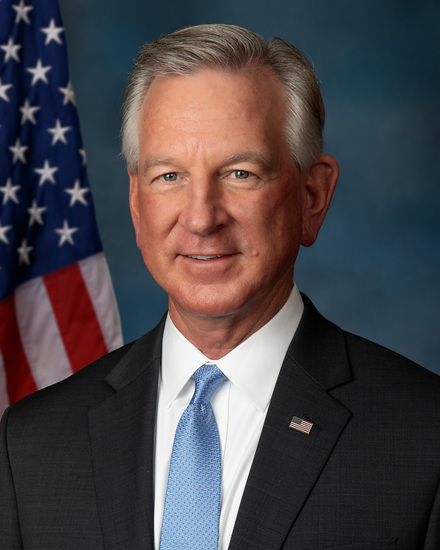
Tommy Tuberville
Tommy Tuberville Senate
R
Oppose
21% 53
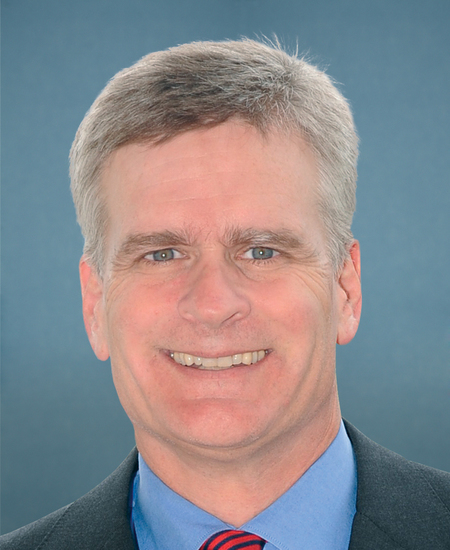
Bill Cassidy
Bill Cassidy Senate
R
Oppose
22% 54
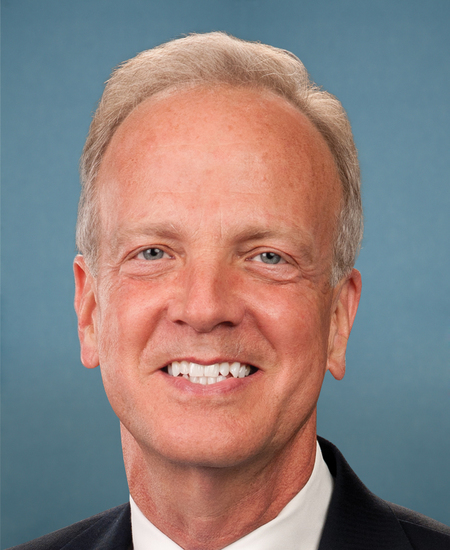
Jerry Moran
Jerry Moran Senate
R
Oppose
23% 53
Showing 1,211–1,220 of 2,003 bills

All environment bills

in committee · United States · House Jun 13, 2025

HR 3824: Reducing Regulatory Burdens Act of 2025

HR 3824, the Reducing Regulatory Burdens Act of 2025, removes a requirement for permits under the Clean Water Act for discharges of authorized pesticides into navigable waters. It amends the Federal Insecticide, Fungicide, and Rodenticide Act (FIFRA) and the Clean Water Act to state that EPA or states cannot mandate a permit for pesticide discharges resulting from legally authorized applications. The bill specifically exempts discharges from violations of pesticide law, stormwater, industrial manufacturing effluent, treatment works, and vessel operations. This directly affects pesticide users (like farmers) and regulatory agencies by eliminating a permitting step for routine pesticide applications already approved under FIFRA.
Sub-Topics Water Quality
in committee · United States · House Apr 10, 2025

HR 2903: M.H. Dutch Salmon Greater Gila Wild and Scenic River Act

The M.H. Dutch Salmon Greater Gila Wild and Scenic River Act designates specific segments of rivers in New Mexico - including the Gila River system, Apache Creek, and Black Canyon Creek - as "wild" or "recreational" rivers under the federal Wild and Scenic Rivers system. It withdraws federal lands within these designated segments from mining, grazing, and other development activities while preserving existing rights like water rights, grazing permits, and mining operations outside the designated areas. The bill also modifies boundaries of the Gila Cliff Dwellings National Monument and Gila National Forest by transferring approximately 440 acres from the Forest Service to the National Park Service. Management plans must be created for these rivers, requiring consultation with tribal governments and local communities. The bill ensures existing water infrastructure, native fish habitat projects, and treaty rights for Native American tribes are protected.
in committee · United States · House Feb 24, 2026

HR 7126: SECURE Minerals Act of 2026

The SECURE Minerals Act of 2026 establishes a Strategic Resilience Reserve Corporation to secure U.S. supply chains for critical minerals and materials essential to defense, energy, technology, and renewable energy sectors. The Reserve will provide financing and acquisition support for domestic and partner country projects focused on producing, recycling, reusing, and repurposing critical minerals, with the goal of reducing U.S. dependence on foreign sources to no more than 75% for each mineral. It authorizes $2.5 billion in funding and establishes a Board of Governors with specific expertise requirements to oversee operations, while requiring regular risk assessments and annual reporting. This legislation directly affects mineral production and processing companies, federal agencies managing mineral resources, and partner countries working with the U.S. on supply chain security.
in committee · United States · House May 14, 2025

HR 3414: Joshua Tree National Park Expansion Act

HR 3414 would expand Joshua Tree National Park by adding approximately 20,149 acres of land, as shown on a specific June 2024 map. The bill transfers management of this newly added land from the Bureau of Land Management to the National Park Service and allows the Secretary of the Interior to acquire the land through donation, purchase, exchange, or transfer (with restrictions on acquiring California-owned land). It also renames the Cottonwood Visitor Center as the Dianne Feinstein Visitor Center for all official references. The expansion directly affects park management and land use within the new boundary, with no changes to existing landowner rights beyond the specified acquisition rules.
in committee · United States · Senate Mar 17, 2026

S 3737: GROW SMART Act

The GROW SMART Act provides federal funding to support voluntary water-sharing agreements between farmers and water providers (like municipalities or data centers) that conserve water while keeping farmland productive. It prioritizes innovative approaches such as regenerative agriculture, efficient irrigation technologies (e.g., drip systems), and water-saving crop practices, excluding fallowing or common crops. The program offers up to 75% federal cost-share for planning and implementation, using $5 million annually from 2028-2034, with priority for projects reducing water use by at least 40%. It directly affects agricultural communities, water districts, and municipalities in drought-prone areas seeking sustainable water management solutions.
Tags Agriculture
in committee · United States · House Mar 20, 2026

HR 7318: Opportunities in Organic Act

The Opportunities in Organic Act establishes a new federal program to support farmers and ranchers transitioning to organic certification and expanding organic operations. It provides cost-share payments for organic certification (up to $1,500 per producer, with higher amounts allowed for socially disadvantaged farmers or in high-cost regions) and funds eligible nonprofits to deliver technical assistance, transition support, and supply chain development. The program specifically targets socially disadvantaged farmers, organic producers, and farms in vulnerable or under-resourced areas, with annual funding starting at $50 million for 2027-2028 and increasing to $100 million annually by 2030.
in committee · United States · House Sep 16, 2025

HR 5393: Southern Arizona Protection Act

HR 5393, the Southern Arizona Protection Act, nullifies a 2000 presidential proclamation that established the Ironwood Forest National Monument in Arizona. It prohibits the future creation or expansion of national monuments within the specific area depicted in the 2000 Ironwood Forest National Monument map, except with explicit approval from Congress. The bill directly affects land management decisions in that Southern Arizona region by restricting the use of the Antiquities Act, which allows presidents to designate national monuments. This changes the process by requiring Congressional action instead of presidential authority for monument designations in the specified area.
Sub-Topics Forestry Public Lands
in committee · United States · Senate Sep 4, 2025

S 2713: American Energy Security Act of 2025

This bill creates federal grants to help community and municipal utilities repair or replace aging natural gas pipelines. It directly affects publicly owned gas systems by funding projects to reduce leaks, improve safety, and prepare for alternative energy transport. Grants can cover pipeline repairs, equipment purchases, and must prioritize job creation and benefits for disadvantaged communities. The bill authorizes $200 million annually (2026-2029) from general revenues, with limits on funding per utility and strict requirements for civil rights and environmental compliance.
in committee · United States · House Nov 17, 2025

HR 6053: SGLF Act of 2025

This bill authorizes $500 million over 10 years (2026-2035) to combat invasive mussels in the Great Lakes. It directs the Great Lakes Fishery Commission, in coordination with federal agencies (like the Fish and Wildlife Service and NOAA), to develop and implement strategies targeting invasive mussel species. The funding is specifically for efforts under the Great Lakes Fishery Act of 1956 and must be used in addition to existing appropriations. This directly affects the Great Lakes ecosystem and the Commission's management of invasive species.
Sub-Topics Wildlife
in committee · United States · House Jul 11, 2025

HR 4357: Border Water Quality Restoration and Protection Act

This bill establishes two new programs to address water quality issues in the Tijuana River and New River watersheds, which flow from Mexico into California. It requires the Environmental Protection Agency to develop action plans for pollution prevention, including projects to manage wastewater, stormwater, debris, sediment, and contaminants that flow across the border. The bill authorizes $50 million annually from 2026-2036 for these programs, with funding to support projects that improve water quality, protect public health, and enhance natural habitats in affected communities. The programs will coordinate with Mexican and U.S. agencies, including the International Boundary and Water Commission, to implement projects addressing transboundary flows that impact coastal communities in Imperial Beach, San Diego, Calexico, and the Imperial Valley.
Showing 1,211 to 1,220 of 2,003 bills