Issue · Energy

Energy

Every energy bill, vote, and legislator stance in United States, automatically classified by Maddy, our AI policy reader.

Total bills
883
119th Congress
Top supporter
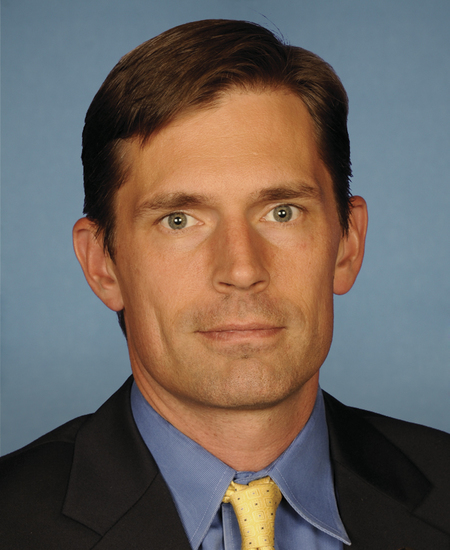
Martin Heinrich
75% support rate
Top opponent
Marsha Blackburn
26% support rate
Ranked legislators
10
5 support · 5 oppose
Key legislators

Who's moving energy in United States

Legislators moving energy in United States
Legislator Party Stance Support rate Votes
Martin Heinrich
Martin Heinrich Senate
D
Support
75% 194
John W. Hickenlooper
John W. Hickenlooper Senate
D
Support
74% 212
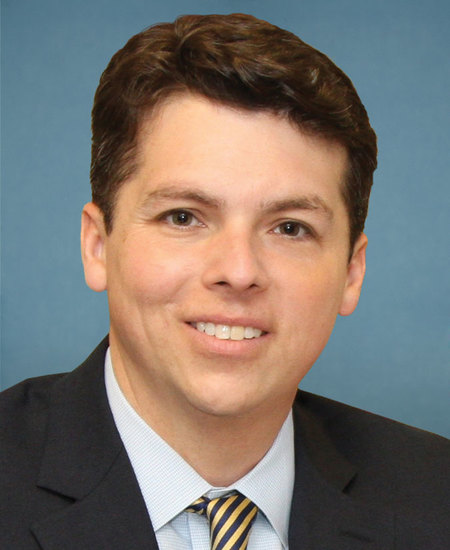
Brendan F. Boyle
Brendan F. Boyle House · District 2
D
Support
73% 253
Frederica S. Wilson
Frederica S. Wilson House · District 24
D
Support
73% 188
Jacky Rosen
Jacky Rosen Senate
D
Support
72% 213
Marsha Blackburn
Marsha Blackburn Senate
R
Oppose
26% 186
Ted Budd
Ted Budd Senate
R
Oppose
27% 198
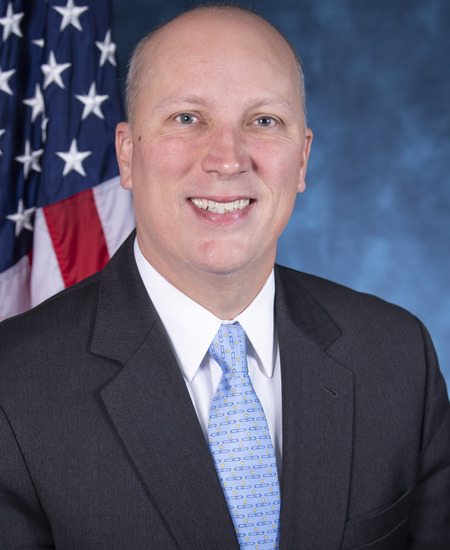
Chip Roy
Chip Roy House · District 21
R
Oppose
27% 251
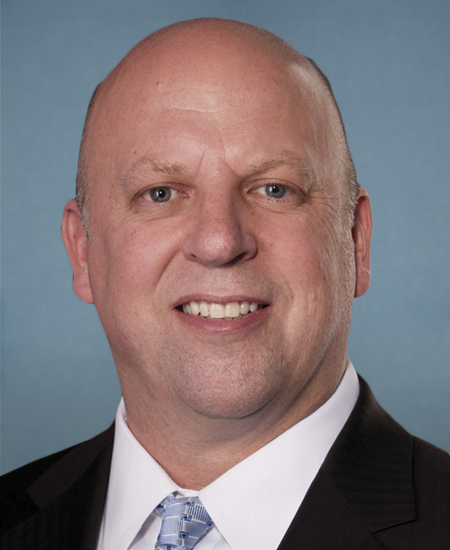
Scott DesJarlais
Scott DesJarlais House · District 4
R
Oppose
29% 256
Mike Johnson
Mike Johnson House · District 4
R
Oppose
29% 194
Showing 81–90 of 883 bills

All energy bills

in committee · United States · Senate Jul 16, 2026

S 5008: Grid Connection and Congestion Management Act

The Grid Connection and Congestion Management Act requires Regional Transmission Organizations and Independent System Operators to offer a new type of interconnection service called basic access service for energy-only delivery. This service allows power generators to connect to the grid based on a streamlined evaluation that only checks if the facility can be safely connected, rather than guaranteeing that the power can be delivered to the market without interruptions. Generators accepting this service may face congestion-related curtailment, meaning their output could be reduced during times of high demand, but they are not required to pay for expensive transmission upgrades needed to eliminate those congestion issues. The law mandates that these grid operators update their rules within 180 days and establishes a process for generators to transition to other interconnection services later if they choose.
Sub-Topics Transmission
in committee · United States · Senate Jul 15, 2026

S 4975: HEATS Act

The HEATS Act modifies the Geothermal Steam Act to allow companies to drill for geothermal energy on private land without needing a separate federal permit, provided the federal government owns less than half of the underground resources and the operator holds a valid state permit. This change exempts such projects from certain federal environmental reviews, including those under the National Environmental Policy Act and the Endangered Species Act, while still requiring royalty payments to the government for electricity production. The legislation explicitly excludes projects on Indian lands and allows federal inspectors to verify production data and royalty payments to ensure accountability.
Sub-Topics Wildlife
in committee · United States · Senate Jul 15, 2026

S 4960: CLEAN Act

The CLEAN Act aims to speed up geothermal energy development by requiring the Department of the Interior to lease 75 percent of nominated land parcels each year and to conduct replacement sales if a scheduled lease is canceled. It also mandates strict timelines for processing drilling permit applications, requiring officials to acknowledge receipt within 30 days and issue or defer decisions within another 30 days. These provisions directly affect the federal leasing process and companies seeking to drill for geothermal energy, ensuring that applications are reviewed quickly and that a majority of available resources are offered for lease.
Sub-Topics Oil & Gas
in committee · United States · House Jul 16, 2026

HR 9740: Critical Materials Processing Technology Testbed Act

This bill directs the Department of Energy to create a competitive facility called the Critical Materials Processing Technology Testbed to develop and test new methods for processing essential raw materials. The Testbed will focus on improving technologies to reduce energy use, water consumption, pollution, and costs while enhancing worker safety and waste management. Funding of $150 million for 2027 and $25 million annually through 2031 is authorized to support the facility, which may be located at one or more sites involving national laboratories, universities, and private companies. The program includes requirements to transfer research results to industry and ensure that intellectual property remains within the United States.
Sub-Topics Waste Management
in committee · United States · House Jul 16, 2026

HR 9746: Biomass Facility Construction Act

The Biomass Facility Construction Act reinstates federal investment and production tax credits for new open- and closed-loop biomass facilities. These tax incentives apply specifically to projects that begin construction after the bill is enacted, allowing eligible properties to be treated as energy property with a 30 percent energy percentage for investment credit calculations. Additionally, the legislation removes previous limitations on production credits for these new facilities, ensuring they remain available for biomass projects starting after the enactment date. The bill directly affects developers and operators planning to build new biomass energy plants, providing financial benefits to encourage such construction.
in committee · United States · House Jul 13, 2026

HR 9658: Nuclear Regulatory Modernization Act of 2026

The Nuclear Regulatory Modernization Act of 2026 updates how the Nuclear Regulatory Commission handles public hearings and licensing for nuclear facilities. It allows the Commission to issue permits without holding a formal hearing if no one requests one, provided they give at least 30 days of notice and publish their intent in the Federal Register. The bill also permits the construction of uranium enrichment facilities to begin before a final operating license is granted, though the NRC retains the authority to stop construction if regulatory requirements are not met. Additionally, the legislation states that these changes must be implemented in a way that respects existing bans on importing uranium from Russia.
Sub-Topics Nuclear
in committee · United States · House Jul 13, 2026

HR 9655: FAIR Data Act

The FAIR Data Act prevents investor-owned electric utilities from passing the costs of large data centers onto residential and small business customers through higher rates. This rule applies specifically to data centers with a peak power demand exceeding 75 megawatts, excluding upgrades to the power grid made to support these facilities. State regulators are required to review and implement this cost-recovery restriction within a year, while the Department of Energy must verify that states comply before receiving federal administrative funds. Additionally, the Federal Energy Regulatory Commission will submit an annual report to Congress detailing how these data centers impact electricity rates and grid reliability.
Sub-Topics Electric Grid
in committee · United States · House Jul 14, 2026

HR 9612: American Enrichment Deployment Act

The American Enrichment Deployment Act modifies federal rules to allow the construction of uranium enrichment facilities to begin before a full operating license is granted. This change applies to companies building these facilities, permitting them to start construction under the same conditions used for other nuclear fuel cycle projects. The Nuclear Regulatory Commission must update its regulations within 180 days to implement these new procedures while retaining its authority to oversee safety and enforce compliance.
Sub-Topics Nuclear
in committee · United States · Senate Jun 24, 2026

S 4944: American Energy and Mineral Infrastructure Act of 2026

The American Energy and Mineral Infrastructure Act of 2026 streamlines the permitting process for natural gas pipelines and other energy projects by designating the Federal Energy Regulatory Commission as the sole lead agency for environmental reviews and establishing strict deadlines for federal and state agencies to complete their portions of the review. The bill also modifies water quality laws to reduce the number of required certifications for discharges into navigable waters, extends the validity of certain nationwide permits for dredged or fill material from five to ten years, and creates a new fund to address abandoned hardrock mines. Additionally, the legislation updates the National Environmental Policy Act to limit the scope of environmental reviews to effects directly caused by a project, impose specific timelines for agency decisions, and restrict the ability of courts to issue injunctions that would halt construction while legal challenges are pending.
in committee · United States · Senate Jun 24, 2026

S 4908: Gas Money Saved Act

The Gas Money Saved Act allows the National Highway Traffic Safety Administration to reevaluate fuel economy standards for cars and trucks if gasoline prices rise at least five times faster than general inflation. If this condition is met, the agency must review whether current rules are achieving the maximum possible fuel efficiency. Additionally, the bill increases the civil penalties for violating these fuel economy standards from $0 to $25 and $50.
Showing 81 to 90 of 883 bills
Previous 1 8 9 10 89 Next