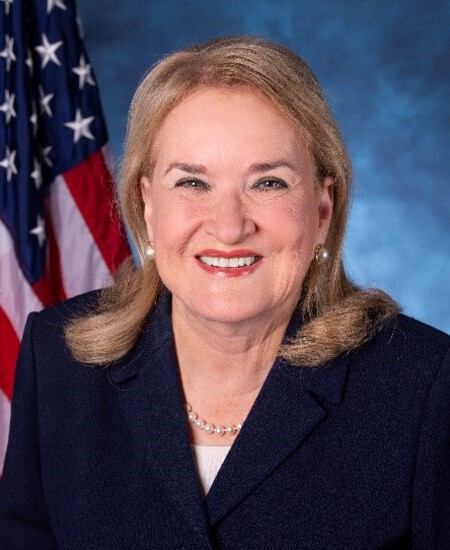
HR 6981, the SHINE Act of 2026, creates a voluntary program to simplify permitting for residential renewable energy systems. It directs the Energy Secretary to develop an online platform and streamlined processes for local building departments to approve home solar panels, battery storage (2+ kWh), EV chargers (2+ kW), and hydrogen refueling. The program provides training, technical assistance, and prizes to encourage local governments to adopt these standardized permitting and inspection methods. The bill does not mandate adoption but allocates $20 million annually (2027-2030) to support the program’s rollout.
The Keep the Heat On Act of 2025 ensures low-income households continue receiving home energy assistance during a federal government shutdown in fiscal year 2026. It directs the use of unused Treasury funds to maintain the same payment rates for the home energy assistance program as in fiscal year 2025, preventing service interruptions. This applies specifically to any shutdown period during the 2026 fiscal year, guaranteeing consistent support for vulnerable families. The bill addresses a funding gap without altering existing program eligibility or requirements.
HR 5638, the Geothermal Royalty Reform Act, clarifies how royalties are calculated for geothermal energy facilities under existing law. It amends the Geothermal Steam Act of 1970 to specify that royalty payments apply to "each electric generating facility producing electricity from such resources" and are calculated "by such facility." This technical adjustment updates the statutory language without changing royalty rates or creating new requirements. The bill directly affects geothermal energy producers who pay royalties under federal law. As a procedural amendment, it streamlines the existing royalty framework without altering policy substance.
This bill amends the Clean Air Act to prevent states from imposing standards that limit the sale or use of new internal combustion engine vehicles. It adds a new requirement that state standards must not directly or indirectly restrict such vehicles, and it prohibits the EPA from considering pre-2025 state standards as valid under existing waivers. The bill also requires the EPA to revoke certain existing waivers granted between January 2022 and the bill's enactment date if those waivers don't comply with the new standard. This directly affects states with their own vehicle emission rules (like California's ZEV program), limiting their ability to regulate internal combustion engine vehicles through EPA-approved standards.
HR 5441, the Fusion Advanced Manufacturing Parity Act, provides a 25% tax credit for manufacturers selling specialized fusion energy components. It directly affects companies producing items like high-temperature superconducting magnets, vacuum vessels, cooling systems, and fusion targets used in fusion energy machines. The credit phases out gradually - 75% in 2032, 50% in 2033, 25% in 2034, and ends after 2034 - and applies to components produced and sold after December 31, 2025. The bill defines these components through detailed technical specifications to clarify eligible products.
HR 4391 authorizes the U.S. State Department to lead a Minerals Security Partnership with international allies, aiming to build secure supply chains for critical minerals used in clean energy, defense, and technology. It establishes mechanisms for joint projects, cost-sharing on infrastructure, and market-based incentives to reduce reliance on countries like China and Russia for minerals such as lithium and cobalt. The bill requires environmental and social standards for project selection and directs the creation of a public database to share project information and attract private investment. This legislation directly affects U.S. foreign policy coordination, international partners, and companies involved in critical mineral supply chains.
This Senate concurrent resolution (SCONRES 18) expresses Congress's view that Trump administration policies - such as expanding fossil fuel extraction, blocking renewable energy, and suppressing climate science - create a health and safety emergency disproportionately harming children. It specifically criticizes executive orders that increase greenhouse gas emissions, weaken environmental protections, and restrict access to climate data, citing scientific evidence linking these actions to worsened air quality, extreme weather impacts, and long-term health risks for children. The resolution demands the administration reverse these policies, restore the EPA’s mission, and publicly republish climate science data. As a symbolic congressional statement, it does not change law but aims to highlight the disproportionate impact on children’s fundamental rights and health.
HR 2596 creates a $1.00 per gallon tax credit for renewable natural gas (RNG) used as transportation fuel in vehicles, boats, or aircraft. The credit applies to producers and businesses that sell or use RNG meeting specific requirements, including registration under existing rules and producer certification. RNG must be derived from biomass and produced within the U.S., with blended fuel treated as RNG only under strict contractual and certification conditions. The credit expires for sales or uses after December 31, 2035, and applies to fuel sold or used after December 31, 2025.
This bill repeals federal energy efficiency standards for manufactured housing that were set to take effect in 2022. It specifically nullifies a Department of Energy rule published in May 2022, removing requirements for energy conservation in manufactured homes. The change directly affects manufacturers and buyers of manufactured housing by eliminating these new efficiency mandates. The bill does not establish new standards but removes existing ones from the Energy Independence and Security Act of 2007.
SJRES 60 is a joint resolution that would disapprove an Environmental Protection Agency (EPA) rule setting pollution emission limits and allocating allowances for Indiana under a revised cross-state air pollution plan. The rule, published in the Federal Register on May 20, 2025, would have required Indiana-based power plants and industrial facilities to adhere to specific emissions caps and manage pollution allowances. If passed, this resolution would cancel the EPA rule, preventing it from taking effect and halting its implementation. The resolution uses the congressional disapproval process under the Congressional Review Act to nullify the agency's regulation.