Issue · Education

Education (K-12 Education)

Every education bill, vote, and legislator stance in United States, automatically classified by Maddy, our AI policy reader.

Total bills
14
119th Congress
Top supporter
Adam B. Schiff
100% support rate
Top opponent
Donald G. Davis
0% support rate
Ranked legislators
10
5 support · 5 oppose
Key legislators

Who's moving k-12 education in United States

Legislators moving k-12 education in United States
Legislator Party Stance Support rate Votes
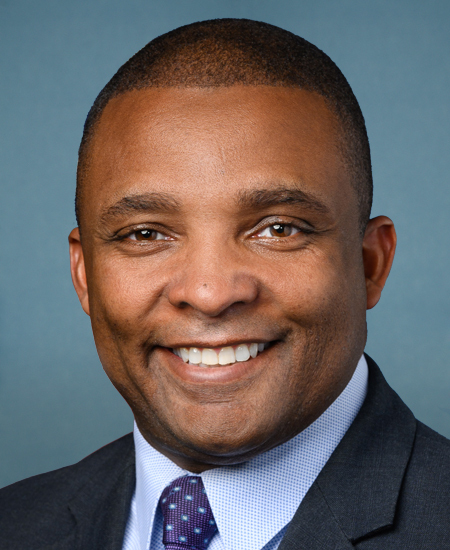
Adam B. Schiff
Adam B. Schiff Senate
D
Strong +
100% 4
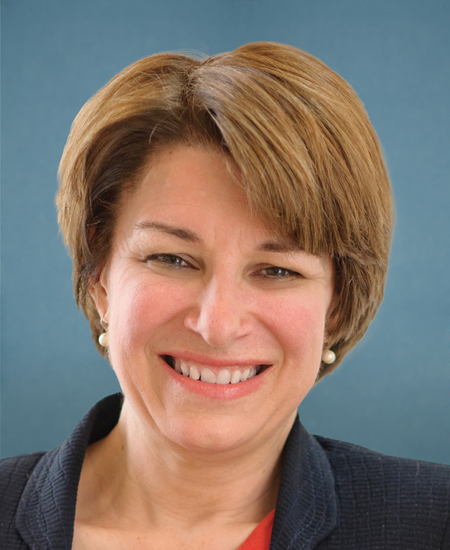
Amy Klobuchar
Amy Klobuchar Senate
D
Strong +
100% 4
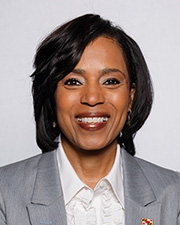
Angela D. Alsobrooks
Angela D. Alsobrooks Senate
D
Strong +
100% 4
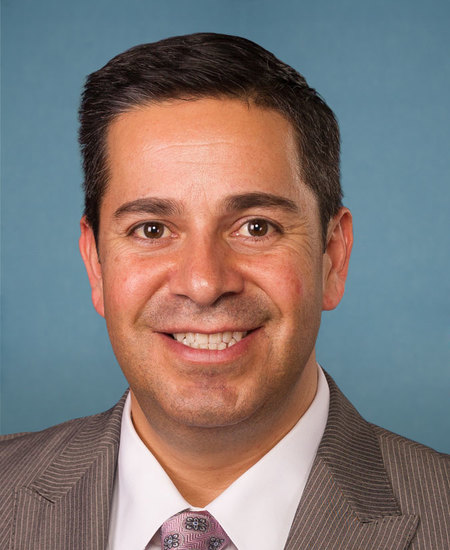
Ben Ray Luján
Ben Ray Luján Senate
D
Strong +
100% 4
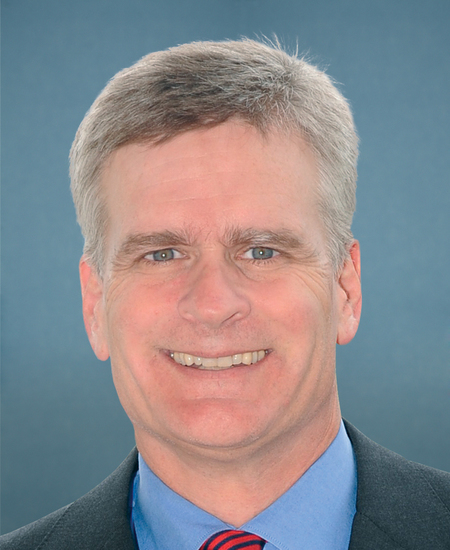
Bill Cassidy
Bill Cassidy Senate
R
Strong +
100% 4
Donald G. Davis
Donald G. Davis House · District 1
D
Strong −
0% 3
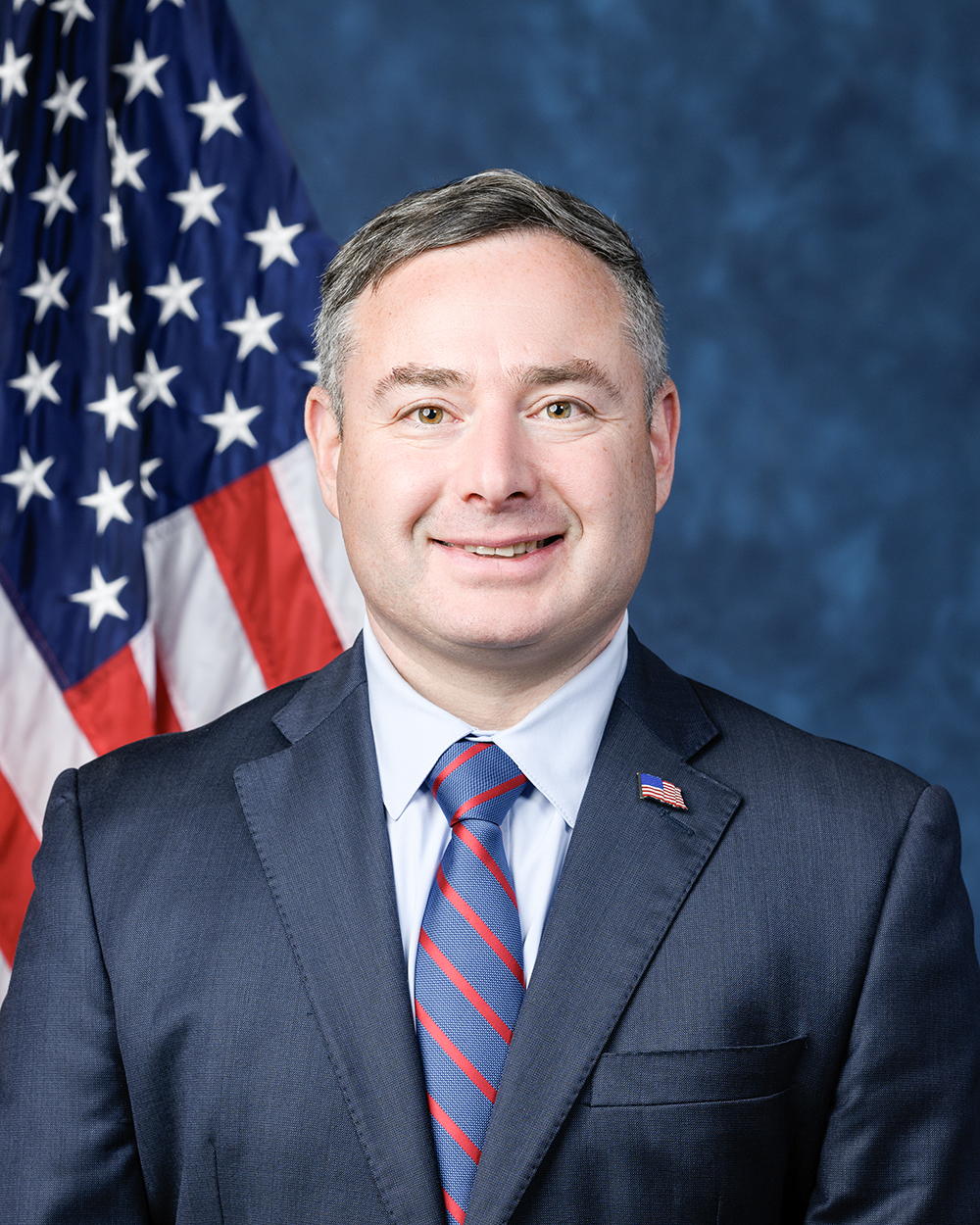
Eugene Simon Vindman
Eugene Simon Vindman House · District 7
D
Strong −
0% 3
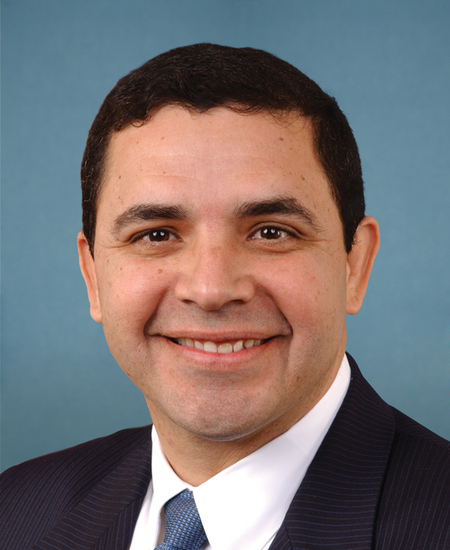
Henry Cuellar
Henry Cuellar House · District 28
D
Strong −
0% 3
Laura Gillen
Laura Gillen House · District 4
D
Strong −
0% 3
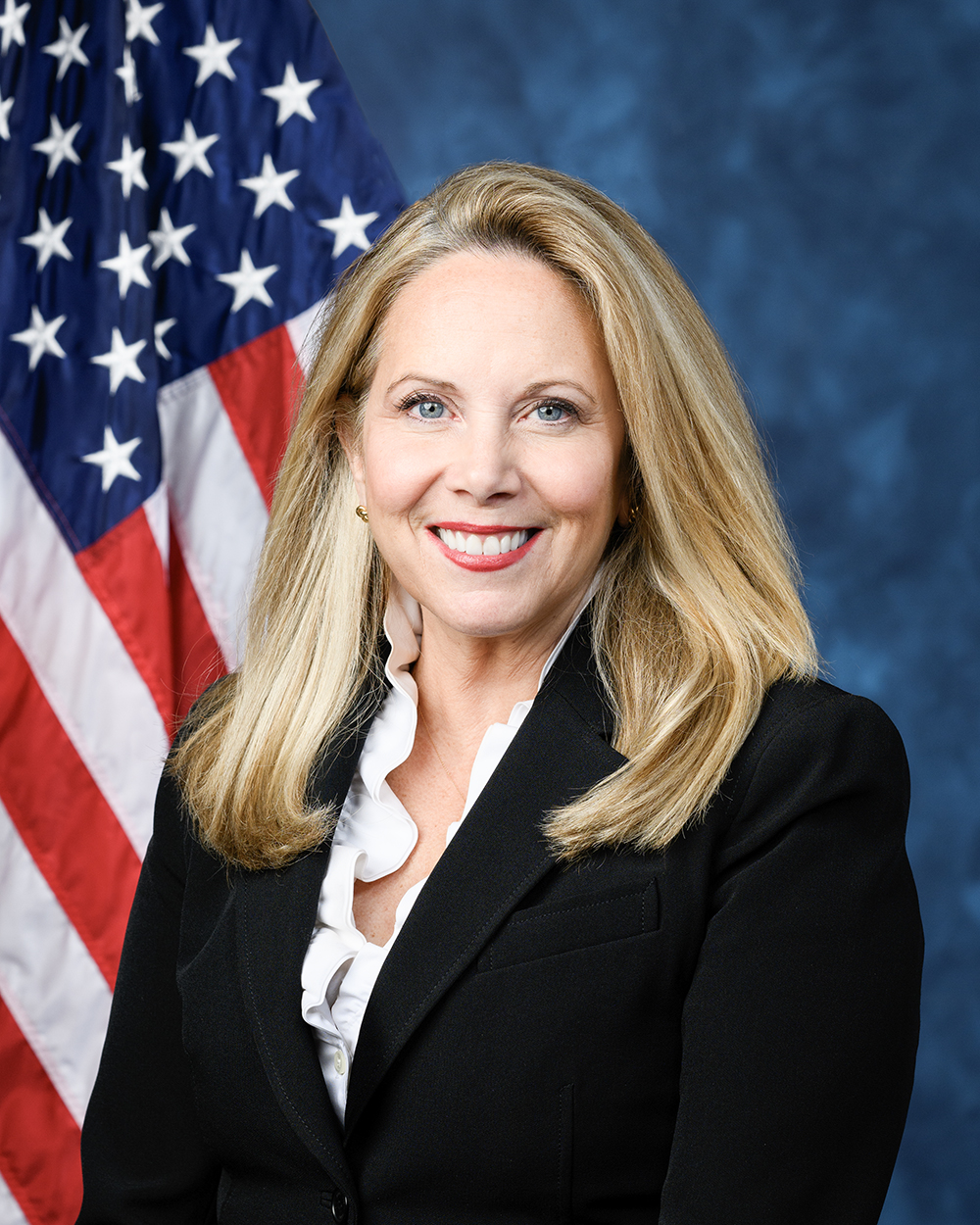
Marie Gluesenkamp Perez
Marie Gluesenkamp Perez House · District 3
D
Strong −
0% 3
Showing 1–10 of 14 bills

All education bills

in committee · United States · House May 21, 2026

HR 8705: CHARLIE Act

The CHARLIE Act modifies federal funding rules for American history and civics education to restrict how grants can be awarded and used. It directly affects schools and organizations receiving these funds by prohibiting the use of money for what the bill defines as "discriminatory equity ideology" or "gender ideology." Additionally, the law prevents the government from giving priority to applicants based on factors such as race, sex, sexual orientation, gender identity, or immigration status. By referencing specific executive orders, the bill establishes clear definitions for these prohibited concepts within the context of K-12 schooling.
Sub-Topics K-12 Education
in committee · United States · House Jul 2, 2026

HR 7661: Stop the Sexualization of Children Act

This bill prohibits federal funding under the Elementary and Secondary Education Act for any program, activity, literature, or material provided to children under 18 that includes "sexually oriented material," defined as depictions of explicit conduct or content involving gender dysphoria or transgenderism. It exempts standard science courses (like biology and anatomy), religious texts, and specific "classic" works of literature and art listed in designated references (e.g., *Great Books of the Western World* and Smarthistory guides). The law directly affects federally funded K-12 educational programs, restricting how school districts can use federal dollars for curriculum materials. It does not ban teaching about human anatomy, art history, or literature, as those are explicitly excluded from the definition of prohibited material.
in committee · United States · House May 13, 2025

HR 3345: Sovereign States Education Restoration Act

The Sovereign States Education Restoration Act would abolish the U.S. Department of Education and transfer its programs to other federal agencies, including moving student loans (Pell Grants, Direct Loans) to the Treasury, special education to Health and Human Services, and Indian education to the Interior. It would create block grants for states to fund K-12 and postsecondary education, with funding allocated based on student enrollment in each state. States receiving these grants must submit annual data, pass audits, and comply with federal civil rights laws, enforced by the Justice Department. The bill authorizes funding equivalent to the 2019 Department of Education budget, allocating 50% for state block grants and 20% for oversight.
passed · United States · House May 21, 2026

HR 2616: Stopping Indoctrination and Protecting Kids Act

HR 2616, the PROTECT Kids Act, requires public elementary and middle schools receiving federal education funding to obtain parental consent before changing a student's gender markers, pronouns, or preferred name on school forms, or before assigning them to sex-based accommodations like locker rooms or bathrooms. The bill directly affects minor students in elementary school or middle grades (ages typically 5-14). Schools must secure this consent as a condition for maintaining federal funding under the Elementary and Secondary Education Act. The law focuses on specific administrative changes to student records and facility assignments, not broader educational content or curriculum.
in committee · United States · Senate Mar 12, 2025

S 1001: Crucial Communism Teaching Act

This bill mandates that high schools in the U.S. teach students about communism's historical impact, requiring them to learn that communism caused over 100 million deaths globally and that 1.5 billion people still live under it. The Victims of Communism Memorial Foundation (a specific entity) must develop a required high school curriculum and oral history resources called "Portraits in Patriotism," featuring personal stories from individuals affected by communism. The curriculum must be used in social studies, government, history, and economics classes to compare communism with U.S. democratic principles. It directly affects high school students and educators by requiring specific content in their civic education.
in committee · United States · House Jun 6, 2025

HR 3802: EO 14190 Act of 2025

This bill codifies Executive Order 14190, titled "Ending Radical Indoctrination in K-12 Schooling," making it legally binding law. It directly affects K-12 public schools and educators by requiring compliance with the order's provisions as a permanent legal standard. The key mechanism is converting the executive order - which targets specific curriculum content and teaching methods - into federal law, removing it from executive discretion. This procedural bill does not create new policies but enshrines the existing order's requirements into statute.
in committee · United States · Senate Jul 10, 2025

S 2251: Say No to Indoctrination Act

This bill amends federal education law to prohibit public schools from teaching concepts related to "gender ideology," as defined by a specific executive order. It directly affects K-12 public schools receiving federal funding by banning instruction on certain gender-related topics. The key provision adds a new restriction to the Elementary and Secondary Education Act, explicitly forbidding the teaching of these concepts in classrooms. The bill does not specify which topics are covered, only referencing the executive order's definition. This change applies to all federally funded elementary and secondary schools.
Sub-Topics K-12 Education
in committee · United States · House Jan 31, 2025

HR 847: BLOCK Act

HR 847, the BLOCK Act, replaces 10 specific K-12 education programs under the Elementary and Secondary Education Act with flexible block grants to states starting in fiscal year 2026. It directly affects all 50 states, the District of Columbia, and Puerto Rico by repealing targeted grants for local schools (Title I), English language learners (Title III), student support (Title IV), rural education, and other programs effective October 1, 2025. The bill shifts funding from federally mandated, program-specific grants to general block grants, giving states more discretion in how they allocate funds. This represents a major structural change to federal K-12 education financing, moving away from categorical funding toward broader state flexibility. The law takes effect with the 2026 budget cycle, using 2025 funding levels as the baseline for block grant amounts.
passed · United States · House Dec 4, 2025

HR 1069: PROTECT Our Kids Act

HR 1069, the PROTECT Our Kids Act, prohibits federal funding for elementary and secondary schools that partner with Chinese government-funded programs like Confucius Institutes or Confucius Classrooms. The bill bans funds under applicable federal education programs from schools having such partnerships, effective one year after enactment. Schools with existing contracts before the bill's passage may request waivers by proving the partnership benefits students and supports U.S. security, though waivers expire when contracts end. The law directly affects schools receiving federal education funds and requires schools to comply within 90 days of enactment.
in committee · United States · House Mar 11, 2025

HR 2080: Crucial Communism Teaching Act

HR 2080, the "Crucial Communism Teaching Act," requires high schools to teach students about communism's historical and current impacts. The bill mandates that students learn communism caused over 100 million deaths globally, understand its dangers, and recognize that 1.5 billion people "still suffer under communism." It directs the Victims of Communism Memorial Foundation to develop a high school curriculum and oral history resources ("Portraits in Patriotism") featuring victim stories, with specific focus on modern examples like Xinjiang human rights abuses and China's actions in Hong Kong and Taiwan. The curriculum must be integrated into social studies, government, history, and economics classes, and updated to cover both historical and current communist regimes.
Showing 1 to 10 of 14 bills
1 2 Next