Issue · Education

Education (Student Financial Aid)

Every education bill, vote, and legislator stance in United States, automatically classified by Maddy, our AI policy reader.

Total bills
291
119th Congress
Top supporter
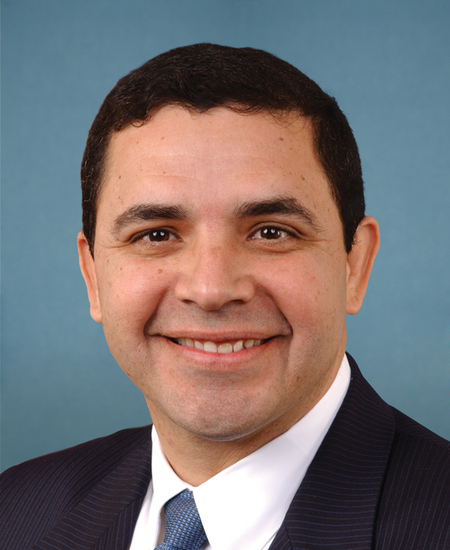
Henry Cuellar
100% support rate
Top opponent
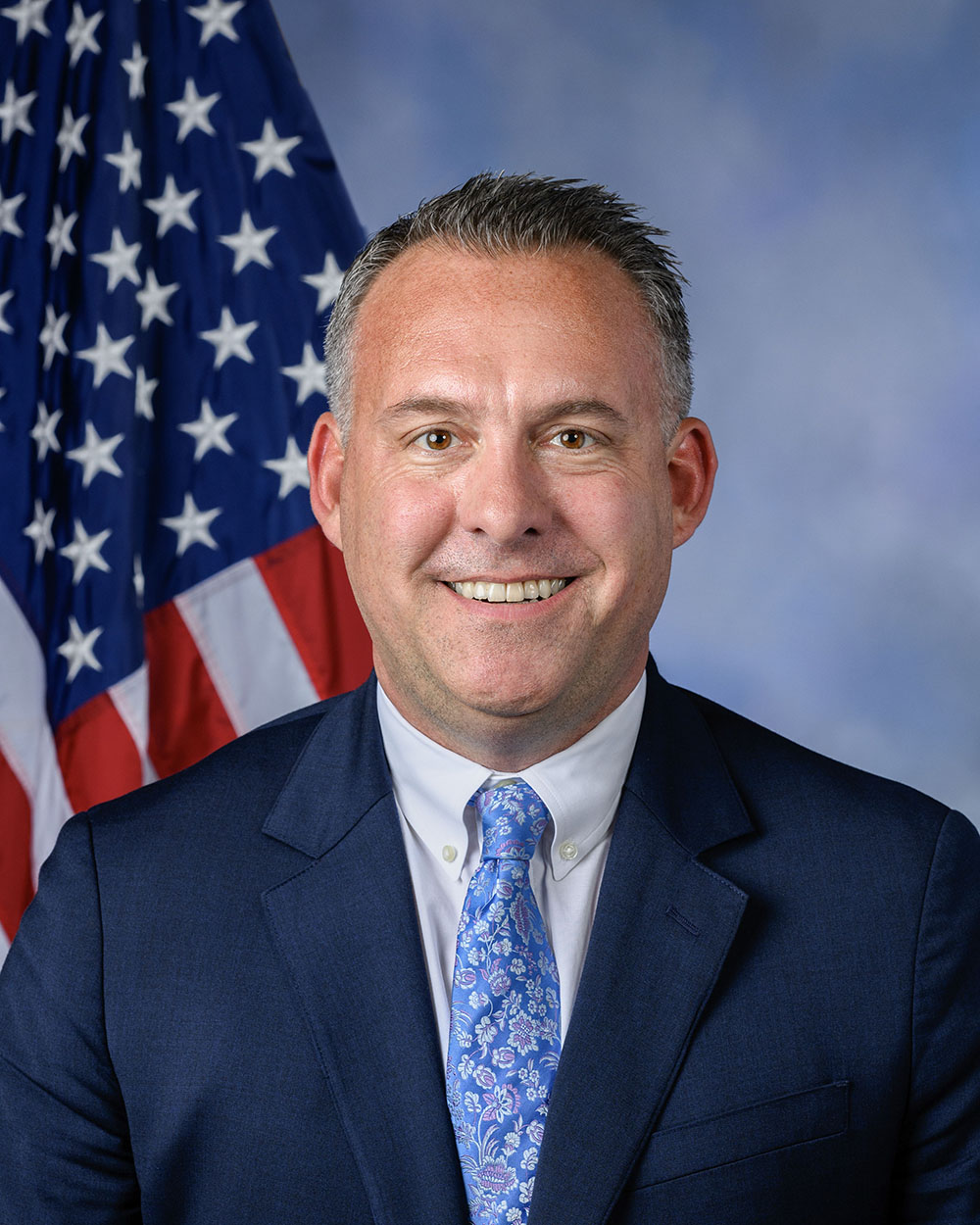
Aaron Bean
33% support rate
Ranked legislators
10
5 support · 5 oppose
Key legislators

Who's moving student financial aid in United States

Legislators moving student financial aid in United States
Legislator Party Stance Support rate Decisive votes
Henry Cuellar
Henry Cuellar House · District 28
D
Strong +
100% 3
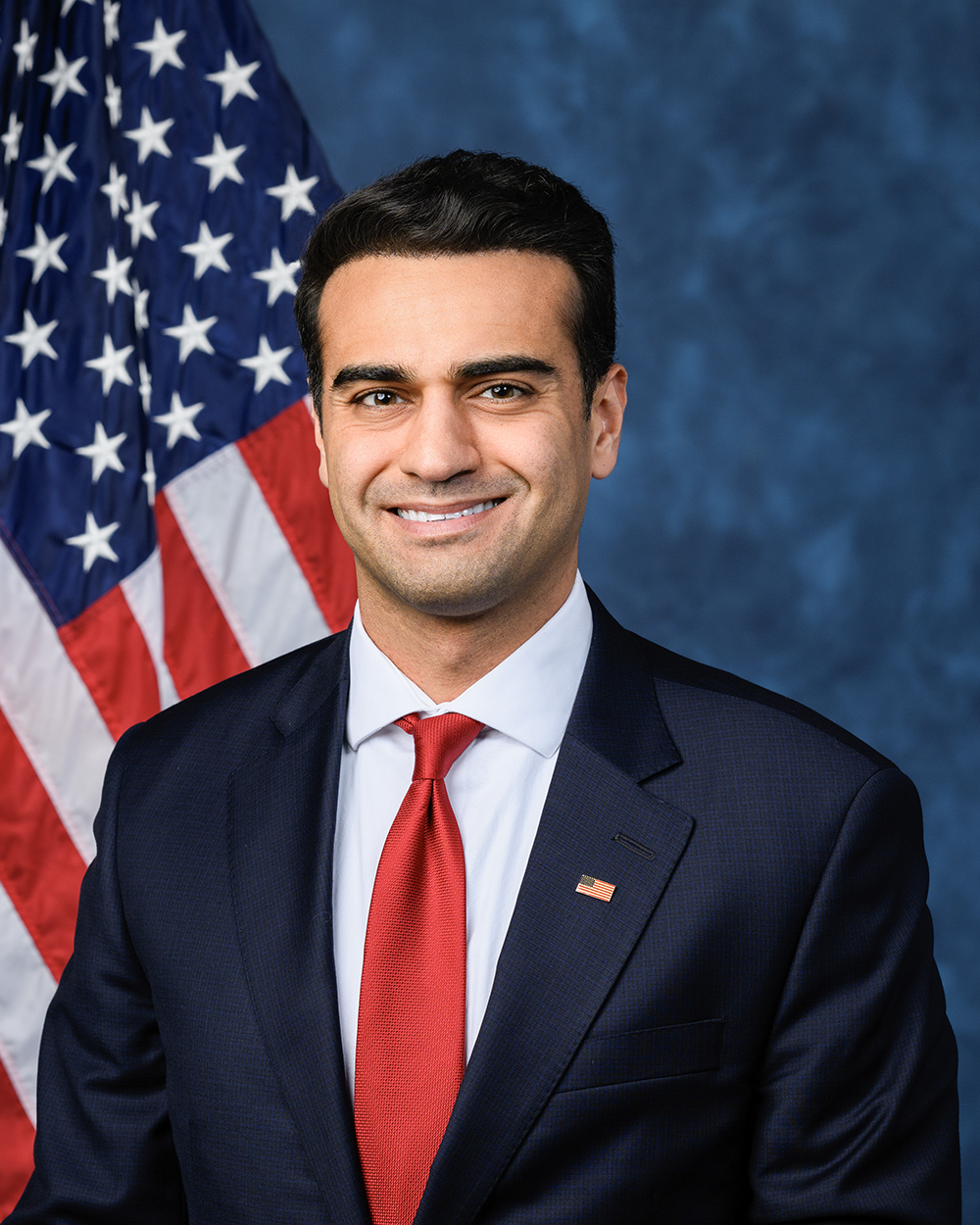
Abraham J. Hamadeh
Abraham J. Hamadeh House · District 8
R
Support
67% 3
Adam Gray
Adam Gray House · District 13
D
Support
67% 3
Adelita S. Grijalva
Adelita S. Grijalva House · District 7
D
Support
67% 3
Adrian Smith
Adrian Smith House · District 3
R
Support
67% 3
Aaron Bean
Aaron Bean House · District 4
R
Oppose
33% 3
Addison P. McDowell
Addison P. McDowell House · District 6
R
Oppose
33% 3
Andrew Ogles
Andrew Ogles House · District 5
R
Oppose
33% 3
Andrew S. Clyde
Andrew S. Clyde House · District 9
R
Oppose
33% 3
Andy Biggs
Andy Biggs House · District 5
R
Oppose
33% 3
Showing 71–80 of 291 bills

All education bills

in committee · United States · House Apr 27, 2026

HR 8518: Domenic and Ed’s Law

Domenic and Ed's Law allows parents who have taken out federal student loans to repay those loans if their child becomes permanently and totally disabled. This change applies to all outstanding parent loans, regardless of when the loan was taken out or when the disability began. The law requires that the disability be medically determinable and expected to last for at least 60 months or result in death.
in committee · United States · House May 12, 2026

HR 8759: Student Loan Reform Act

The Student Loan Reform Act requires colleges to act as guarantors for student loans starting in July 2026, meaning schools would become directly responsible for repaying the debt if a student fails to pay. Under this program, institutions that agree to cosign loans would see their default rate thresholds raised from 30 percent to 40 percent, providing them with more flexibility regarding student repayment performance. If a borrower defaults and the loan remains unpaid for 90 days, the school must begin a ten-year repayment plan for the outstanding balance, though they can stop this obligation if the debt is rehabilitated or fully paid. Additionally, loans with institutional cosigners would receive a lower interest rate determined by the Secretary of Education based on the reduced risk to the lender.
in committee · United States · House May 12, 2026

HJRES 182: Providing for congressional disapproval under chapter 8 of title 5, United States Code, of the rule submitted by the Bureau of Consumer Financial Protection relating to the withdrawal of the rule relating to "Bulletin 2023-01: Unfair Billing and Collection Practices After Bankruptcy Discharges of Certain Student Loan Debts".

This bill allows Congress to disapprove a recent rule from the Bureau of Consumer Financial Protection that would have removed an earlier guideline on student loan billing practices. If passed, the resolution would cancel the new rule, effectively keeping the original 2023 guidance in place that addresses unfair billing and collection actions after student loans are discharged in bankruptcy. The measure directly impacts borrowers, loan servicers, and the federal agency responsible for consumer financial protection by preventing the withdrawal of specific regulations. It is a procedural action that stops a regulatory change rather than creating new laws or policies.
in committee · United States · House May 12, 2026

HR 8752: Full-Service Community School Expansion Act of 2026

The Full-Service Community School Expansion Act of 2026 authorizes billions of dollars in federal funding to expand a program that helps public schools in high-poverty areas provide integrated student supports, extended learning time, and active community engagement. The bill establishes specific roles for coordinators and directors to manage these efforts and requires schools to form leadership teams that include students, parents, educators, and community members. Funding is distributed through competitive grants to local educational agencies, states, and tribal organizations, with priority given to schools serving low-income students and those in rural or tribal areas. The legislation also mandates regular reporting on student outcomes and school climate to ensure accountability and continuous improvement.
in committee · United States · Senate May 14, 2026

S 4531: Student Aid Fraud Oversight and Accountability Act of 2026

The Student Aid Fraud Oversight and Accountability Act of 2026 requires colleges to report any student whose financial aid application raised reasonable suspicion of identity fraud after October 1, 2026. These reports will be used to help the Department of Education prioritize program reviews and audits for institutions with higher numbers of flagged cases. The bill allows schools to avoid reporting a student if they can prove they verified the student's identity through in-person or live video checks before disbursing funds. Importantly, identifying a school in this way does not automatically mean the institution has failed to meet legal requirements.
in committee · United States · House Apr 23, 2026

HR 8475: Savings Opportunity and Affordable Repayment Act

Savings Opportunity and Affordable Repayment Act This bill creates a new income-driven repayment plan for student loans called the Savings Opportunity and Affordable Repayment (SOAR) plan. The SOAR plan has similar provisions to, but further expands on, the Department of Education's (ED's) final rule published on July 10, 2023, that created the Saving on a Valuable Education (SAVE) plan. The SAVE plan was blocked by federal courts. The bill directs ED to carry out a SOAR plan program that complies with specified requirements. The bill allows all federal student loan types to be eligible for repayment under the SOAR plan, including Parent PLUS Loans and Federal Family Education Loans. Under the SOAR plan, a federal student loan borrower whose income is at or below 250% of the federal poverty level (FPL) has $0 monthly payments. A borrower whose income is over 250% of the FPL pays 5% of their discretionary income on loans obtained for undergraduate study and 10% of their discretionary income for all other outstanding loans (e.g., loans obtained for graduate study). Additionally, under the SOAR plan, holders of eligible federal student loans (e.g., ED or private lenders) must apply 50% of the borrower's monthly payment toward outstanding principal. The other 50% must be applied in the following order: (1) accrued charges and collection costs on the loan, (2) outstanding interest, and (3) outstanding principal. ED must forgive any loan balance that remains outstanding after a specified maximum repayment period (e.g., 10 years or 15 years).
in committee · United States · Senate Apr 21, 2026

S 4365: FAFSA Verification Efficiency Act

The FAFSA Verification Efficiency Act requires the U.S. Department of Education to verify the Social Security numbers and citizenship status of all applicants providing this information for federal student aid. This change mandates that the Department of Education work directly with the Social Security Administration to confirm these details before processing financial aid applications. The bill directly affects current and prospective college students who must submit their FAFSA forms to receive government funding for education. By centralizing this verification process, the legislation aims to streamline how student eligibility is determined and ensure that only eligible individuals receive federal aid.
in committee · United States · House Apr 16, 2026

HR 8351: Clean Slate through Repayment Act of 2026

This bill, titled the "Clean Slate through Repayment Act of 2026," establishes a process for individuals who have defaulted on federal student loans. It mandates that if a borrower fully repays the entire amount due on their defaulted federal student loan, the Secretary of Education, a guaranty agency, or the loan holder must request the removal of the default. This request is sent to any consumer reporting agency that was informed of the default. Consequently, the default and any related adverse information would be removed from the borrower's credit history.
in committee · United States · House Apr 16, 2026

HR 8356: Clean Slate through Consolidation Act

This bill, titled the Clean Slate through Consolidation Act, amends the Higher Education Act of 1965. It directly affects federal student loan borrowers who have previously defaulted on their loans. The bill mandates that if such a borrower obtains a Federal Direct Consolidation Loan that resolves their defaulted loan, the loan holder must request that consumer reporting agencies remove the record of the default from the borrower's credit history. This provision ensures that the default is no longer reported on credit reports once the underlying defaulted federal student loan is consolidated.
in committee · United States · Senate Apr 15, 2026

S 4297: Keep Public Funds in Public Schools Act

This bill, titled the "Keep Public Funds in Public Schools Act," repeals two sections of the Internal Revenue Code. It eliminates Section 25F, which provides a tax credit for contributions made to scholarship granting organizations. Additionally, the bill repeals Section 139K, which allows certain educational assistance to be excluded from an individual's gross income. These changes primarily affect taxpayers who currently claim these credits or exclusions, and organizations involved in scholarship grants or providing educational assistance. The amendments generally take effect for taxable years ending after December 31, 2026.
Showing 71 to 80 of 291 bills
Previous 1 … 7 8 9 … 30 Next