Issue · Education

Education

Every education bill, vote, and legislator stance in United States, automatically classified by Maddy, our AI policy reader.

Total bills
116
119th Congress
Top supporter
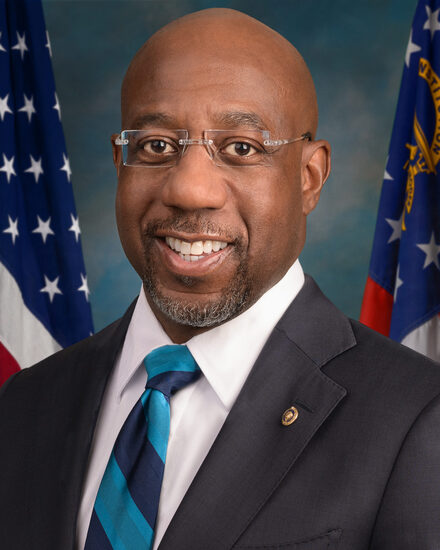
Raphael G. Warnock
100% support rate
Top opponent
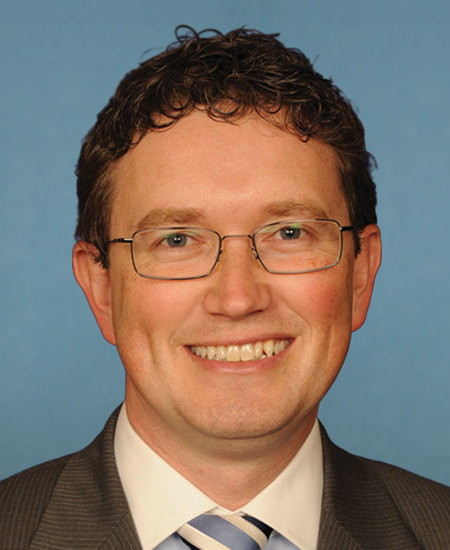
Thomas Massie
14% support rate
Ranked legislators
10
5 support · 5 oppose
Key legislators

Who's moving education in United States

Legislators moving education in United States
Legislator Party Stance Support rate Votes
Raphael G. Warnock
Raphael G. Warnock Senate
D
Strong +
100% 167
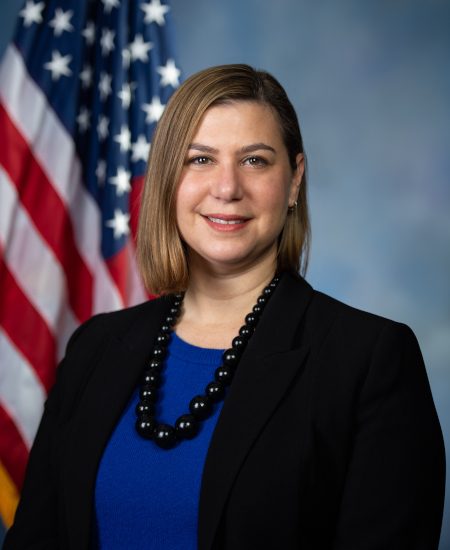
Elissa Slotkin
Elissa Slotkin Senate
D
Strong +
86% 166
Michael F. Bennet
Michael F. Bennet Senate
D
Strong +
86% 137
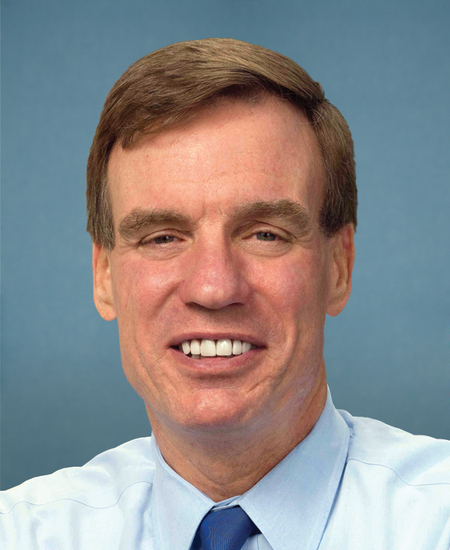
Mark R. Warner
Mark R. Warner Senate
D
Strong +
86% 167
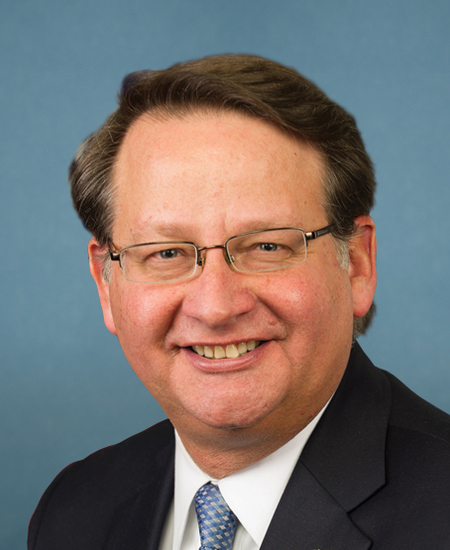
Gary C. Peters
Gary C. Peters Senate
D
Strong +
86% 167
Thomas Massie
Thomas Massie House · District 4
R
Strong −
14% 126
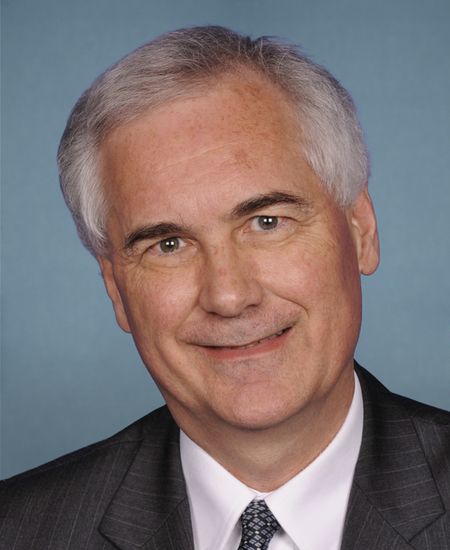
Tom McClintock
Tom McClintock House · District 5
R
Strong −
14% 125
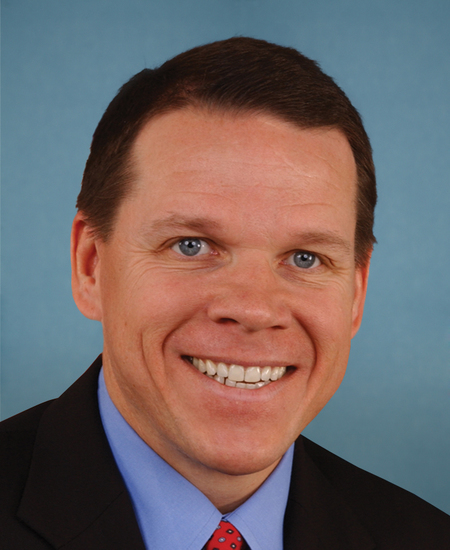
Sam Graves
Sam Graves House · District 6
R
Strong −
14% 124
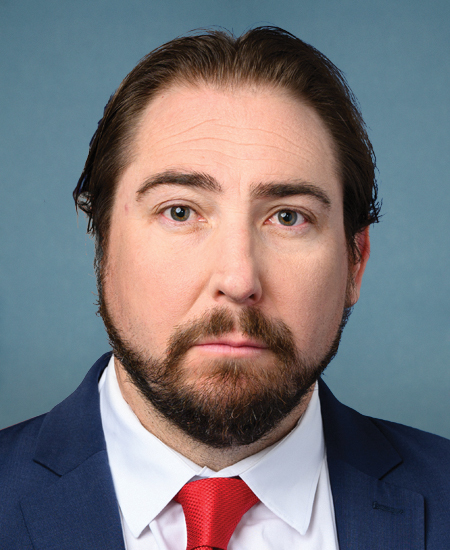
Elijah Crane
Elijah Crane House · District 2
R
Strong −
14% 128
Wesley Hunt
Wesley Hunt House · District 38
R
Strong −
14% 109
Showing 11–20 of 116 bills

All education bills

in committee · United States · House Jul 15, 2026

HR 9608: Less Bureaucracy, Better Family Engagement Act

The Less Bureaucracy, Better Family Engagement Act transfers several federal programs related to family engagement and school safety from the Department of Education to the Department of Health and Human Services. These programs include funding for family engagement initiatives, community support for school success, school safety activities, and ready-to-learn programming grants. The bill mandates that the new department head can delegate these responsibilities to specific staff members while ensuring that the total number of federal employees does not increase. Existing grants, contracts, and legal proceedings involving these programs will continue without interruption during the transition, which is scheduled to take effect six months after the law is passed.
Sub-Topics School Safety
in committee · United States · House Jun 25, 2026

HRES 1391: Impeaching Linda M. McMahon, Secretary of Education, for high crimes and misdemeanors.

This resolution seeks to impeach Linda M. McMahon, the Secretary of Education, for three specific articles of misconduct: willfully violating federal laws, making false statements to Congress, and breaching the public trust. The bill alleges that McMahon illegally transferred the operations of six essential offices within the Department of Education to other federal agencies without congressional approval, contrary to the Department of Education Organization Act. It also claims she misled the Senate by promising to spend all congressionally appropriated funds while simultaneously canceling hundreds of grants and freezing funding for various educational programs. Additionally, the resolution accuses her of terminating approximately 2,000 employees, which disrupted the department's ability to manage federal funds and deliver services. If the House votes to adopt this resolution, the articles of impeachment would be sent to the Senate for a trial that could result in her removal from office.
in committee · United States · House Jun 11, 2026

HR 9289: Keep Public Funds in Public Schools Act of 2026

The Keep Public Funds in Public Schools Act of 2026 eliminates a federal tax credit that allowed parents to deduct contributions to scholarship granting organizations from their income. By removing these specific tax breaks, the bill prevents the use of public tax dollars to support private school vouchers and scholarship programs. This change directly affects families who currently rely on these tax incentives to fund education outside the public school system. The provisions take effect for taxable years beginning after December 31, 2026.
in committee · United States · Senate Jul 27, 2026

S 4665: BANNED in Latin America Act

The BANNED in Latin America Act requires the Secretary of State to create a plan within 180 days to counter Iranian and Hezbollah influence in the region. This strategy must outline steps to limit Iranian cultural centers, restrict the travel of Iranian agents, and boost intelligence efforts to monitor these groups' networks. It also calls for actions to shut down specific media platforms like HispanTV and Al Mayadeen Español, as well as designating Iran's Al Mustafa International University network as a terrorist entity. The final report will be submitted to Congress and can include a classified section with sensitive details.
Sub-Topics Higher Education
in committee · United States · House Jun 2, 2026

HR 9103: Merit Restoration Act

The Merit Restoration Act prohibits federal research agencies and grant recipients from using specific diversity, equity, and inclusion practices in their work. This law targets requirements that mandate employees or researchers sign statements or complete training asserting that certain races, sexes, or national origins are inherently superior or inferior. If a recipient is found to have violated these rules, the agency must freeze their funding and may require them to repay any money used during the violation. The restrictions apply to grants awarded on or after the bill becomes law, affecting scientific and medical research funded by the federal government.
in committee · United States · House May 26, 2026

HR 9030: No Immigration Without Assimilation Act of 2026

This bill would require the Department of Homeland Security to screen all immigration applicants to determine if they are likely to assimilate into American culture and hold views compatible with U.S. principles. Under the new rules, anyone deemed unlikely to assimilate or holding specific beliefs - such as the need for religious law to supersede American laws, the justification of violence, or the rejection of English language learning - would be denied entry or face deportation. The legislation defines "incompatible views" in detail, explicitly listing beliefs that challenge the U.S. Constitution, democracy, or cultural cohesion as grounds for inadmissibility. Consequently, the bill directly affects prospective immigrants and current residents by making their ability to remain in the country contingent upon passing these ideological and cultural assessments.
Sub-Topics Enforcement
in committee · United States · House Jun 3, 2026

HR 9123: Espionage Prevention Act

The Espionage Prevention Act restricts U.S. intelligence community funding for colleges and universities that maintain relationships with specific Chinese entities, such as Confucius Institutes or universities involved in military-civil fusion. To comply with this rule, affected institutions must terminate their contracts, agreements, or donations with these listed organizations to regain eligibility for federal intelligence funds. The law allows the Director of National Intelligence to grant temporary waivers if a university demonstrates strong security safeguards or proves the relationship serves U.S. national security interests. Additionally, the bill requires the intelligence director to provide technical assistance to schools for compliance and submit annual reports to Congress on how the restrictions are being implemented.
Sub-Topics Higher Education
in committee · United States · Senate May 21, 2026

S 4629: Government Bailout Prevention Act

The Government Bailout Prevention Act prohibits the use of federal funds, Treasury resources, or Federal Reserve assistance to support state, local, or school district governments facing financial distress starting January 1, 2026. Specifically, the bill bars the government from purchasing or guaranteeing debt for entities that have filed for bankruptcy, defaulted on obligations, or are at risk of defaulting without such help. This restriction also covers debt restructuring activities but includes an exception for financial aid provided in response to declared disasters.
in committee · United States · House May 21, 2026

HR 8705: CHARLIE Act

The CHARLIE Act modifies federal funding rules for American history and civics education to restrict how grants can be awarded and used. It directly affects schools and organizations receiving these funds by prohibiting the use of money for what the bill defines as "discriminatory equity ideology" or "gender ideology." Additionally, the law prevents the government from giving priority to applicants based on factors such as race, sex, sexual orientation, gender identity, or immigration status. By referencing specific executive orders, the bill establishes clear definitions for these prohibited concepts within the context of K-12 schooling.
Sub-Topics K-12 Education
in committee · United States · House May 21, 2026

HJRES 189: Providing for congressional disapproval under chapter 8 of title 5, United States Code, of the rule submitted by the Department of Education relating to "Reimagining and Improving Student Education-Federal Student Loan Program Final Regulations".

This joint resolution seeks to officially reject a final rule issued by the Department of Education regarding federal student loan programs. If passed, the measure would prevent the new regulations from taking effect, leaving the previous rules in place. The bill directly impacts borrowers, lenders, and the Department of Education by nullifying the specific changes outlined in the "Reimagining and Improving Student Education" proposal. It is a procedural action that uses the Congressional Review Act to disapprove the agency's policy without altering the underlying law.
Showing 11 to 20 of 116 bills