Issue · Education

Education (K-12 Education)

Every education bill, vote, and legislator stance in United States, automatically classified by Maddy, our AI policy reader.

Total bills
167
119th Congress
Top supporter
Adam B. Schiff
100% support rate
Top opponent
Donald G. Davis
0% support rate
Ranked legislators
10
5 support · 5 oppose
Key legislators

Who's moving k-12 education in United States

Legislators moving k-12 education in United States
Legislator Party Stance Support rate Votes
Adam B. Schiff
Adam B. Schiff Senate
D
Strong +
100% 4
Amy Klobuchar
Amy Klobuchar Senate
D
Strong +
100% 4
Angela D. Alsobrooks
Angela D. Alsobrooks Senate
D
Strong +
100% 4
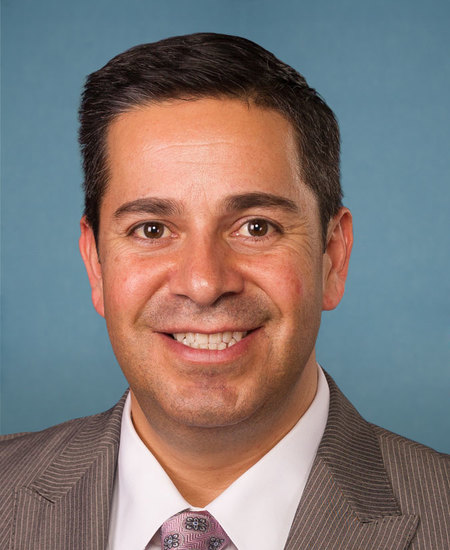
Ben Ray Luján
Ben Ray Luján Senate
D
Strong +
100% 4
Bill Cassidy
Bill Cassidy Senate
R
Strong +
100% 4
Donald G. Davis
Donald G. Davis House · District 1
D
Strong −
0% 3
Eugene Simon Vindman
Eugene Simon Vindman House · District 7
D
Strong −
0% 3
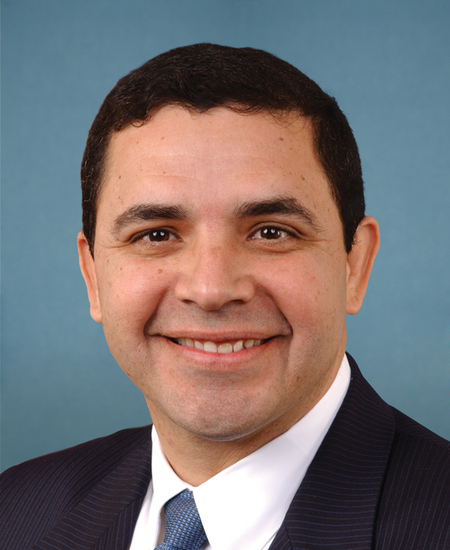
Henry Cuellar
Henry Cuellar House · District 28
D
Strong −
0% 3
Laura Gillen
Laura Gillen House · District 4
D
Strong −
0% 3
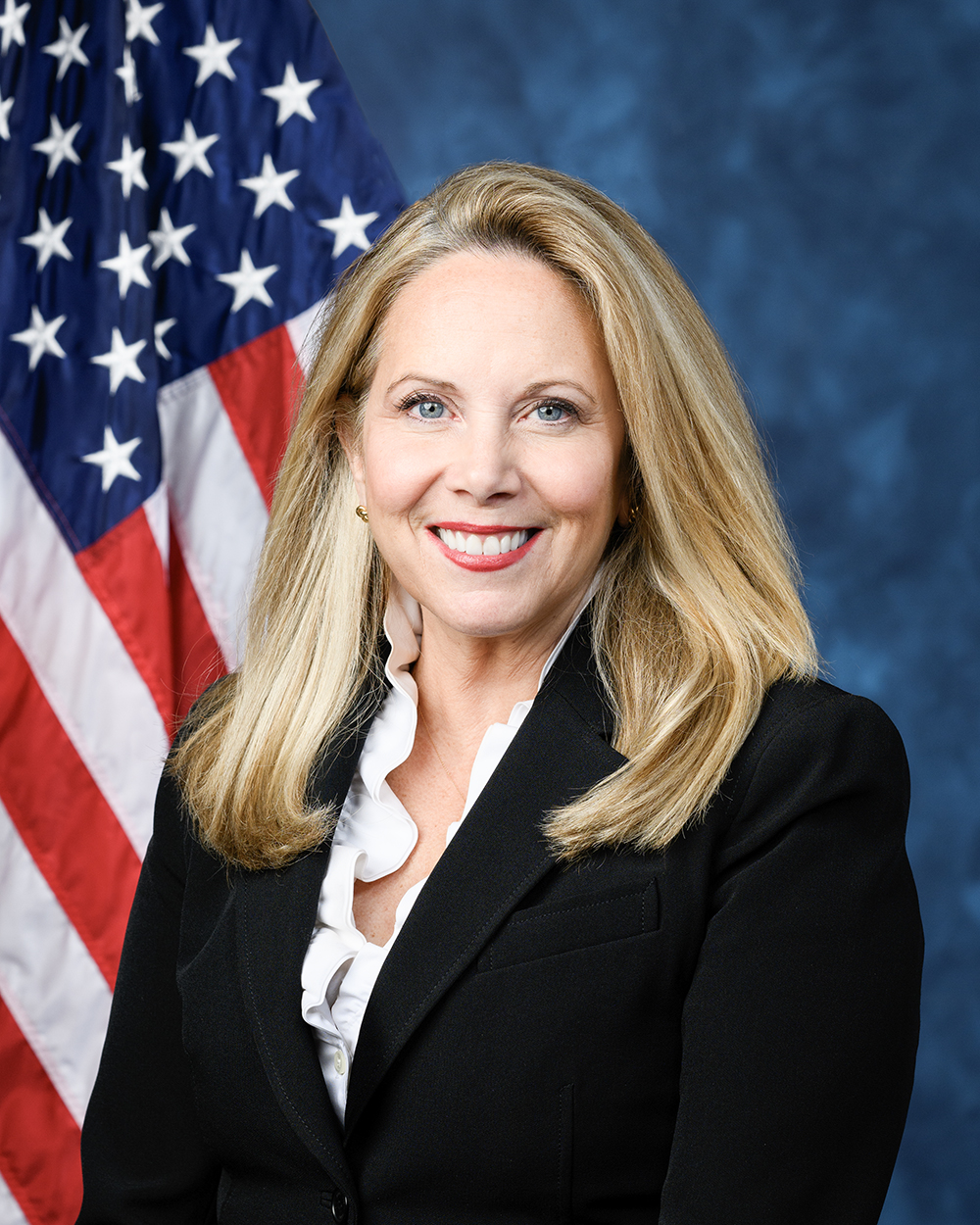
Marie Gluesenkamp Perez
Marie Gluesenkamp Perez House · District 3
D
Strong −
0% 3
Showing 131–140 of 167 bills

All education bills

passed · United States · House Dec 4, 2025

HR 1069: PROTECT Our Kids Act

HR 1069, the PROTECT Our Kids Act, prohibits federal funding for elementary and secondary schools that partner with Chinese government-funded programs like Confucius Institutes or Confucius Classrooms. The bill bans funds under applicable federal education programs from schools having such partnerships, effective one year after enactment. Schools with existing contracts before the bill's passage may request waivers by proving the partnership benefits students and supports U.S. security, though waivers expire when contracts end. The law directly affects schools receiving federal education funds and requires schools to comply within 90 days of enactment.
in committee · United States · House Jan 28, 2025

HR 750: ACE Act

The ACE Act (HR 750) expands 529 education savings plans to cover K-12 expenses, allowing families to use these accounts for tuition, curriculum materials, books, online learning, approved tutoring, standardized tests, and educational therapies for students with disabilities. It doubles the annual distribution limit from $10,000 to $20,000 for elementary and secondary expenses and increases gift tax exclusions for 529 contributions by up to $20,000 per year. The bill also requires states to implement school choice programs (like vouchers or education savings accounts) to qualify for tax-exempt school bonds, with specific eligibility thresholds for states. This directly affects families using 529 plans for K-12 education, homeschoolers, and states seeking tax-exempt bond funding for schools.
in committee · United States · House Sep 10, 2025

HRES 692: Expressing the sense of the House of Representatives that all 50 States should include the events of the September 11th terrorist attacks in the curriculum of elementary and secondary schools so that people in the United States may never forget that fateful day.

HRES 692 is a non-binding resolution urging all 50 U.S. states to incorporate the events of the September 11, 2001, terrorist attacks into K-12 school curricula. It directly addresses state education systems, calling for mandatory inclusion of this history in public school lessons to ensure future generations remember the attacks. The resolution does not create new laws or funding but expresses the House's view that this education is essential for honoring victims and first responders. It cites that only 14 states currently require such instruction and emphasizes preserving this historical context for national security awareness.
in committee · United States · House Apr 14, 2025

HR 2911: Accounting STEM Pursuit Act of 2025

This bill amends the Elementary and Secondary Education Act to explicitly include accounting education as part of a well-rounded K-12 curriculum. It requires schools to develop and strengthen programs teaching accounting, including increasing access to high-quality accounting courses for students from groups historically underrepresented in accounting careers. The key provision inserts specific language into existing law, directing schools to promote accounting career awareness and expand course availability through grade 12. This directly affects K-12 students, particularly those from underrepresented backgrounds, by making accounting education a recognized component of career-focused learning.
in committee · United States · House Mar 11, 2025

HR 2080: Crucial Communism Teaching Act

HR 2080, the "Crucial Communism Teaching Act," requires high schools to teach students about communism's historical and current impacts. The bill mandates that students learn communism caused over 100 million deaths globally, understand its dangers, and recognize that 1.5 billion people "still suffer under communism." It directs the Victims of Communism Memorial Foundation to develop a high school curriculum and oral history resources ("Portraits in Patriotism") featuring victim stories, with specific focus on modern examples like Xinjiang human rights abuses and China's actions in Hong Kong and Taiwan. The curriculum must be integrated into social studies, government, history, and economics classes, and updated to cover both historical and current communist regimes.
in committee · United States · Senate Sep 9, 2025

S 2740: RAISE Act of 2025

The RAISE Act of 2025 amends the Elementary and Secondary Education Act of 1965 to require states to establish academic standards for artificial intelligence and emerging technologies in K-12 education. It directly affects public K-12 schools and state education agencies by mandating the inclusion of AI-related learning standards within state curriculum frameworks. The key provision inserts the requirement for these standards into existing law, specifically modifying Section 1111(b)(1)(C) to include "standards for artificial intelligence and other emerging technologies." This policy change focuses on integrating AI education into foundational curriculum requirements without specifying funding or implementation details.
Sub-Topics Career & Technical Education Curriculum K-12 Education Tags Artificial Intelligence
in committee · United States · Senate Jan 20, 2025

S 152: Student Empowerment Act

The Student Empowerment Act (S 152) expands the use of 529 education savings accounts to cover more K-12 school expenses for students in public, private, religious, or homeschool settings. It allows funds to pay for tuition, curriculum materials, books, online resources, licensed tutoring (with teacher credentials), standardized tests, dual enrollment fees, and licensed educational therapies for students with disabilities. The bill directly affects families using 529 accounts who educate children in elementary or secondary school, including homeschoolers. It changes existing tax rules to include these specific K-12 expenses under 529 account distributions, effective after the bill's enactment. The policy change aims to provide greater flexibility for families managing educational costs at the K-12 level.
in committee · United States · House May 23, 2025

HR 3605: Strength in Diversity Act of 2025

The Strength in Diversity Act of 2025 provides federal grants to schools and districts with racial or socioeconomic isolation to develop and implement strategies increasing diversity. It authorizes planning grants (up to 2 years) for assessments and community engagement, and implementation grants (up to 3 years) for activities like transportation plans, teacher recruitment, innovative school assignments, and equitable enrollment systems. Recipients must track measurable progress on academic outcomes (e.g., graduation rates, achievement gaps) and diversity metrics, including reducing isolation in covered schools (public K-12 schools and publicly-funded early childhood programs). The bill requires robust community input, data-driven evaluation, and plans for sustainability beyond the grant period, with funding authorized for fiscal years 2025-2029.
in committee · United States · Senate May 21, 2025

S 1844: Teaching Asian American, Native Hawaiian, and Pacific Islander History Act of 2025

This bill requires U.S. public schools (K-12) to integrate Asian American, Native Hawaiian, and Pacific Islander history into existing American history and civics curricula. It amends the Elementary and Secondary Education Act to mandate that state standards, teacher training programs, and national assessments explicitly include this history. Key provisions include adding specific language to curriculum guidelines, teacher certification requirements, and the National Assessment of Educational Progress. The law directly affects school districts, educators, and students by requiring comprehensive coverage of these histories within current educational frameworks.
in committee · United States · House Feb 6, 2025

HR 1054: Educators Expense Deduction Modernization Act of 2025

HR 1054, the Educators Expense Deduction Modernization Act of 2025, increases the annual tax deduction available to eligible K-12 teachers for out-of-pocket classroom expenses. The bill raises the deduction limit from $250 to $1,000 per year for qualifying educators, applying to taxable years beginning December 31, 2025. It amends Internal Revenue Code sections 62(a)(2)(D) and 62(d)(3) to update the deduction amount and relevant tax year references. This change directly affects elementary and secondary school teachers who itemize deductions and incur eligible classroom costs. The bill makes no other policy changes beyond modernizing the deduction amount and effective date.
Showing 131 to 140 of 167 bills
Previous 1 13 14 15 17 Next