Issue · Education

Education

Every education bill, vote, and legislator stance in United States, automatically classified by Maddy, our AI policy reader.

Total bills
1,096
119th Congress
Top supporter
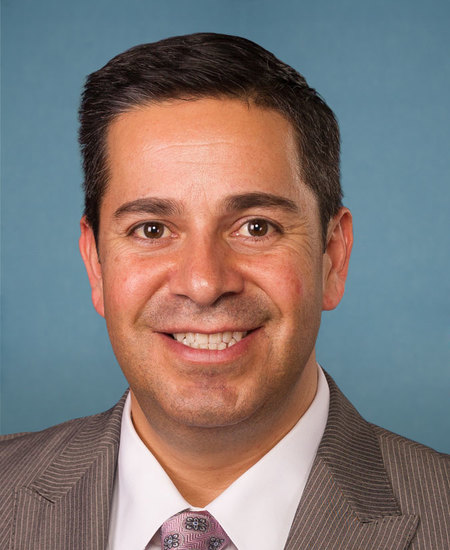
Ben Ray Luján
90% support rate
Top opponent
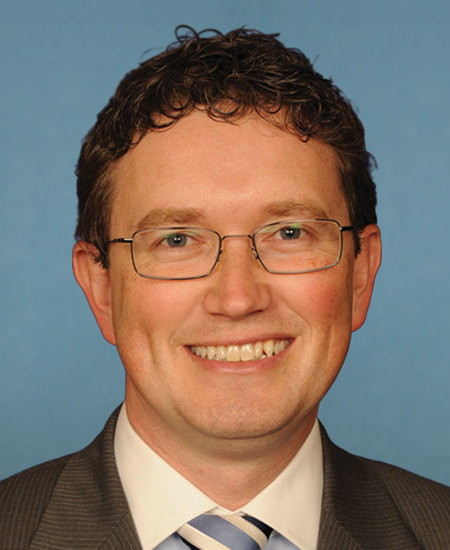
Thomas Massie
12% support rate
Ranked legislators
10
5 support · 5 oppose
Key legislators

Who's moving education in United States

Legislators moving education in United States
Legislator Party Stance Support rate Decisive votes
Ben Ray Luján
Ben Ray Luján Senate
D
Strong +
90% 10
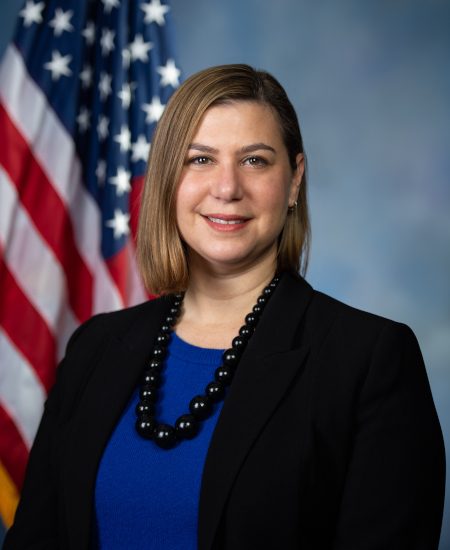
Elissa Slotkin
Elissa Slotkin Senate
D
Strong +
90% 10
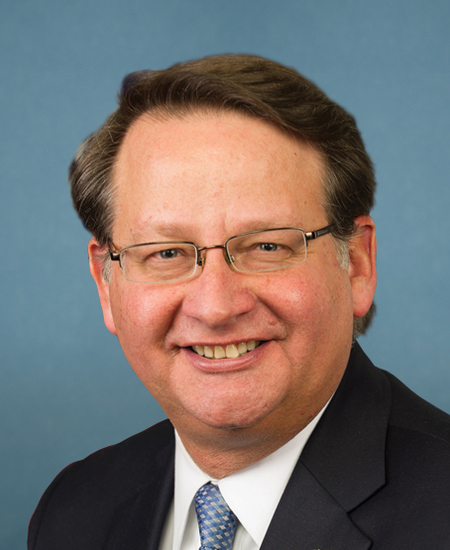
Gary C. Peters
Gary C. Peters Senate
D
Strong +
90% 10
John W. Hickenlooper
John W. Hickenlooper Senate
D
Strong +
90% 10
Maria Cantwell
Maria Cantwell Senate
D
Strong +
90% 10
Thomas Massie
Thomas Massie House · District 4
R
Strong −
12% 8
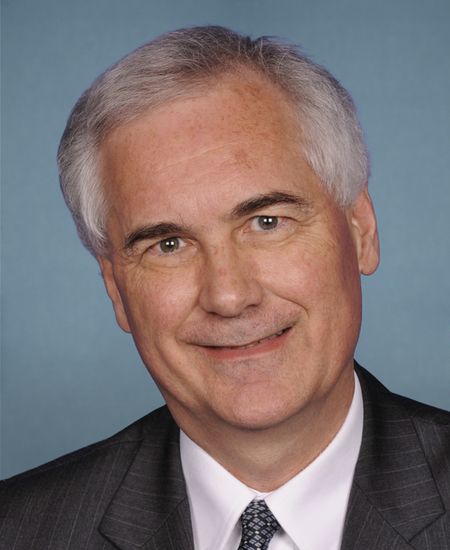
Tom McClintock
Tom McClintock House · District 5
R
Strong −
12% 8
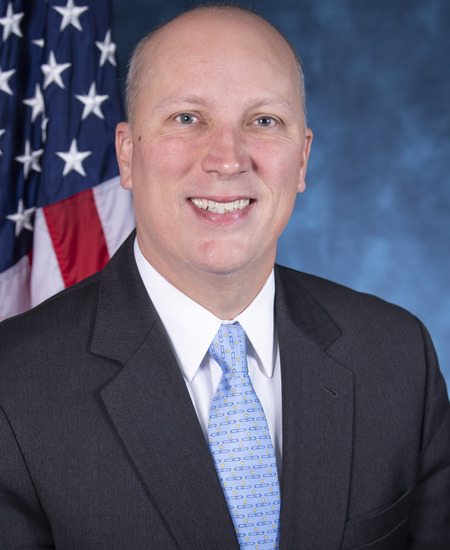
Chip Roy
Chip Roy House · District 21
R
Strong −
14% 7
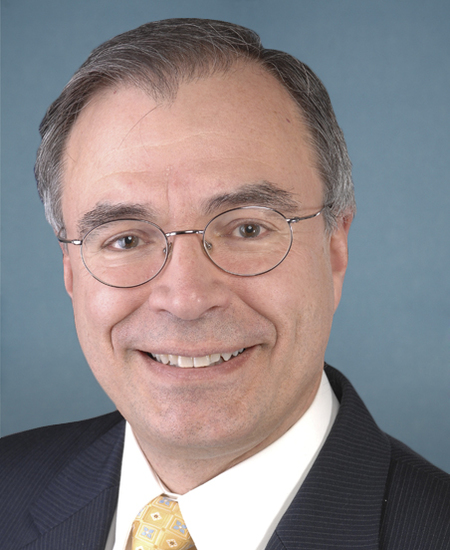
Andy Harris
Andy Harris House · District 1
R
Strong −
20% 10
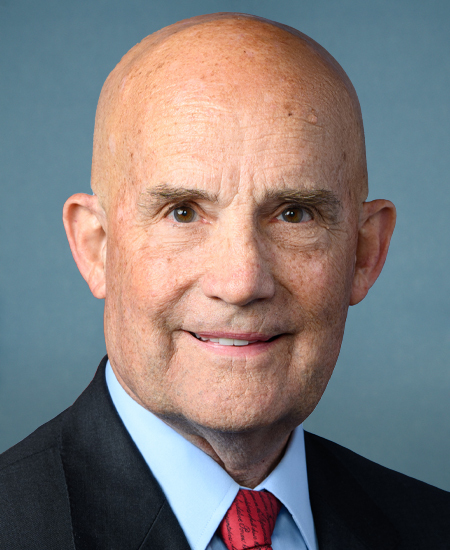
Keith Self
Keith Self House · District 3
R
Strong −
20% 10
Showing 111–120 of 1,096 bills

All education bills

in committee · United States · Senate Jul 21, 2026

S 5053: Accreditation Reform and Enhanced Accountability Act of 2026

The Accreditation Reform and Enhanced Accountability Act of 2026 requires accrediting agencies to evaluate colleges and universities based on specific student outcomes, such as loan repayment and post-graduation earnings, while prohibiting the federal government from setting rigid standards for curriculum or faculty. To improve oversight, the bill mandates that agencies conduct immediate, in-depth reviews when an institution faces investigations for fraud or financial misconduct and requires these agencies to publicly report their findings within 30 days. The legislation also introduces new transparency measures, including a standardized online system for displaying accreditation status, stricter rules on conflict of interest for agency staff, and requirements for institutions to have clear plans for transferring credits and supporting students if they close. Additionally, the act allows for differentiated accreditation labels, such as "accredited with risk," and establishes a process to review and potentially fine accrediting agencies that fail to act on known institutional problems.
in committee · United States · House Jul 22, 2026

HR 9881: Higher Education Accreditation Accountability Act

The Higher Education Accreditation Accountability Act strengthens oversight of college accreditation agencies and institutions by requiring new accrediting bodies to prove they have successfully accredited at least one school for two years before receiving federal recognition. Under the bill, initial recognition for these agencies would be limited to three years, with subsequent renewals capped at five years, and agencies must submit detailed documentation for every new program they accredit. The legislation also introduces stricter rules for colleges switching their primary accrediting agency, mandating that institutions provide written justification and supporting evidence to the Department of Education, which must then publicly review the application and deny changes if the school is trying to avoid sanctions or if the new agency has recent disciplinary actions. These measures aim to ensure that accreditation standards remain consistent and that institutions cannot easily switch agencies to evade oversight or maintain lower quality standards.
Sub-Topics Higher Education
in committee · United States · Senate Jul 14, 2026

S 4969: Warriors to Workforce Act of 2026

The Warriors to Workforce Act of 2026 increases the educational assistance provided by the Department of Veterans Affairs to eligible veterans participating in apprenticeships or on-the-job training programs. Specifically, the bill raises the payment rate for the first year of such training from 80 percent to 100 percent of the applicable benefit amount. This change directly affects veterans who are enrolled in these specific workforce development pathways and aims to provide full funding for their initial training period. The legislation modifies existing federal law to adjust the financial support structure for these educational opportunities.
in committee · United States · Senate Jun 24, 2026

S 4907: TRADES Act

The TRADES Act increases the tax rate on investment income for certain educational organizations from 8 percent to 15 percent. This change is designed to generate additional revenue that the Treasury Secretary will use to fund career and technical education programs for states. The new funding amount will be calculated based on the extra tax revenue collected in the previous year and transferred annually to support these educational initiatives. The provisions take effect for taxable years beginning more than 12 months after the law is enacted.
Sub-Topics Revenue
in committee · United States · House Jul 22, 2026

HRES 1450: Condemning all forms of hate.

This resolution condemns all forms of hate, including racism, antisemitism, transphobia, and xenophobia, while highlighting recent statistics on hate crimes affecting various communities. It calls for comprehensive federal and state policies to prevent hate crimes through education and intervention, as well as support for victims through legal aid and mental health resources. The measure also advocates for funding programs that are culturally accessible to vulnerable groups, such as immigrants and LGBTQIA+ individuals, and reaffirms the government's commitment to maintaining an inclusive democracy.
Sub-Topics Mental Health
in committee · United States · Senate Jul 21, 2026

S 5038: Special Education Administration Protection Act

The Special Education Administration Protection Act prevents the Secretary of Education from transferring the responsibilities of the Office of Special Education and Rehabilitative Services to the Department of Health and Human Services. This restriction also bars the Education Department from contracting with or obtaining services from the Health and Human Services Department regarding these specific functions. The law includes an exception for any existing agreements or contracts between the two departments that were active on February 1, 2025, or for renewing those specific arrangements.
Sub-Topics Special Education
in committee · United States · Senate Jun 24, 2026

S 4943: Outcomes-Based Financing (OBF) for Students Act

This bill creates a new federal regulatory framework for Outcomes-Based Financing (OBF) products, which are loans for education where repayment amounts depend on the borrower's future income. It directly affects private lenders, educational institutions, and students by establishing specific rules for how these loans are underwritten, disclosed, and repaid. Key provisions require lenders to clearly advertise and disclose critical terms like income thresholds and payment calculations, while also mandating that monthly payments never exceed 20% of a borrower's income. The legislation further defines how these loans are treated for tax purposes, bankruptcy discharge, and credit reporting, and it preempts certain state laws that might otherwise restrict such financial products.
in committee · United States · House Jul 27, 2026

HR 9955: Pathway to Trades Act

The Pathway to Trades Act requires colleges that receive Federal Perkins Loans to establish specific support systems for students interested in vocational careers. Institutions must appoint a faculty member to serve as a contact for trade students and create dedicated courses related to these fields. This legislation directly affects higher education schools participating in the Perkins Loan program by mandating these structural changes to their academic offerings.
in committee · United States · House Jul 27, 2026

HR 9960: Higher Education Access and Success for Homeless and Foster Youth Act of 2026

The Higher Education Access and Success for Homeless and Foster Youth Act of 2026 expands federal protections and support services for homeless and foster care students in higher education. It requires colleges to designate trained staff liaisons to assist these students with accessing resources like housing, food, and financial aid, while also mandating that institutions provide priority access to on-campus housing for this population. The bill further updates various federal student aid programs to explicitly include homeless and foster youth, ensuring they are treated as independent students for financial aid purposes and are actively recruited and retained through targeted outreach. Additionally, the legislation establishes new reporting requirements for colleges to track the number of these students served and mandates that states offer in-state tuition rates to homeless and foster youth attending public institutions.
in committee · United States · House Jul 20, 2026

HRES 1442: Supporting the designation of July 20, 2026, as "National Moon Landing Day".

This resolution supports designating July 20, 2026, as "National Moon Landing Day" to honor the historic Apollo 11 mission and the ongoing Artemis program. The bill encourages Americans to celebrate the achievements of NASA astronauts, engineers, and scientists while honoring those who lost their lives during space exploration efforts. It also aims to inspire young people to pursue careers in STEM fields and promote public awareness of the economic and scientific benefits of human spaceflight.
Showing 111 to 120 of 1,096 bills
Previous 1 11 12 13 110 Next