Issue · Education

Education

Every education bill, vote, and legislator stance in United States, automatically classified by Maddy, our AI policy reader.

Total bills
1,096
119th Congress
Top supporter
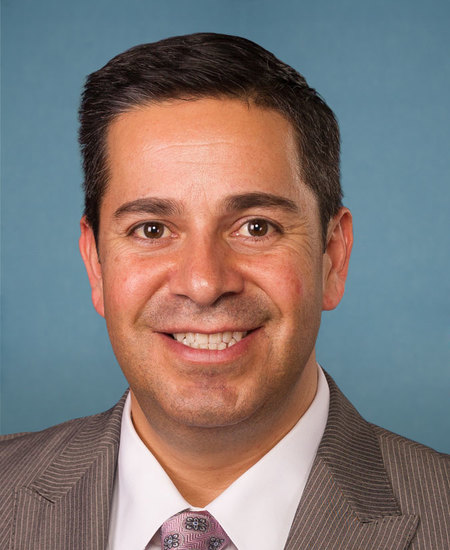
Ben Ray Luján
90% support rate
Top opponent
Thomas Massie
12% support rate
Ranked legislators
10
5 support · 5 oppose
Key legislators

Who's moving education in United States

Legislators moving education in United States
Legislator Party Stance Support rate Decisive votes
Ben Ray Luján
Ben Ray Luján Senate
D
Strong +
90% 10
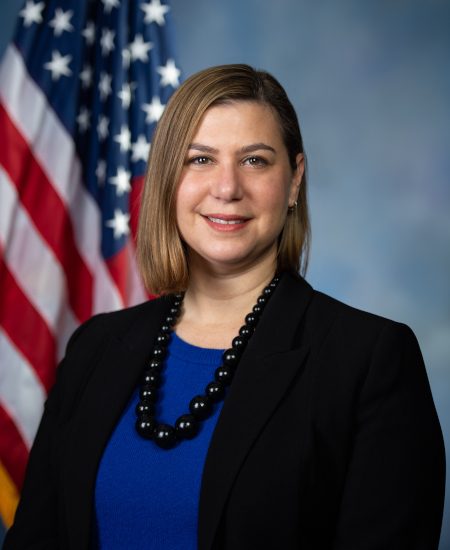
Elissa Slotkin
Elissa Slotkin Senate
D
Strong +
90% 10
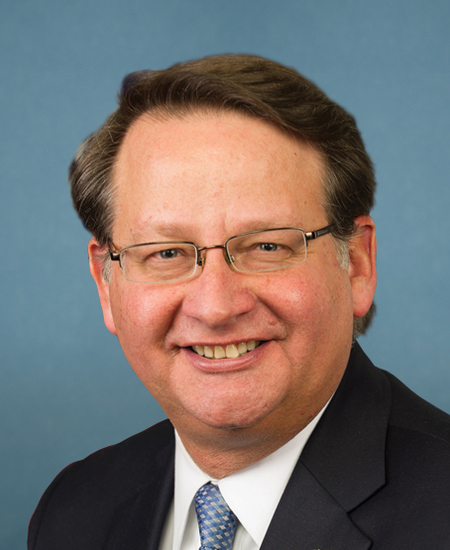
Gary C. Peters
Gary C. Peters Senate
D
Strong +
90% 10
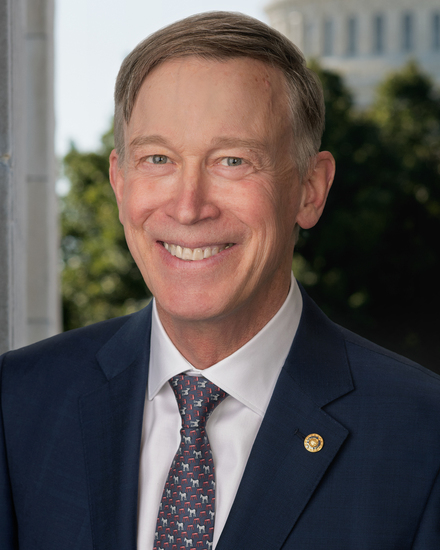
John W. Hickenlooper
John W. Hickenlooper Senate
D
Strong +
90% 10
Maria Cantwell
Maria Cantwell Senate
D
Strong +
90% 10
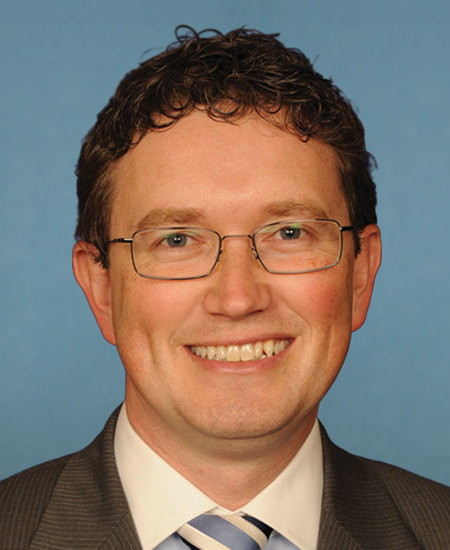
Thomas Massie
Thomas Massie House · District 4
R
Strong −
12% 8
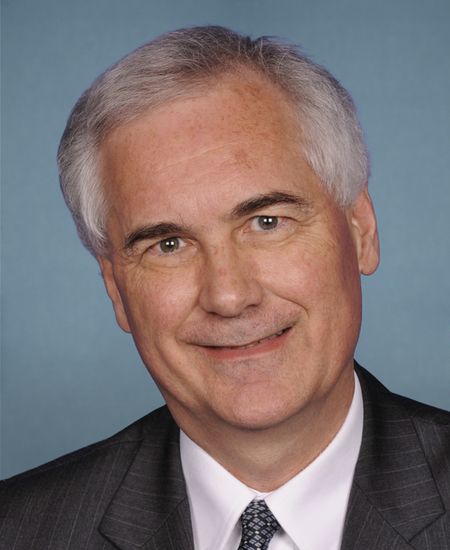
Tom McClintock
Tom McClintock House · District 5
R
Strong −
12% 8
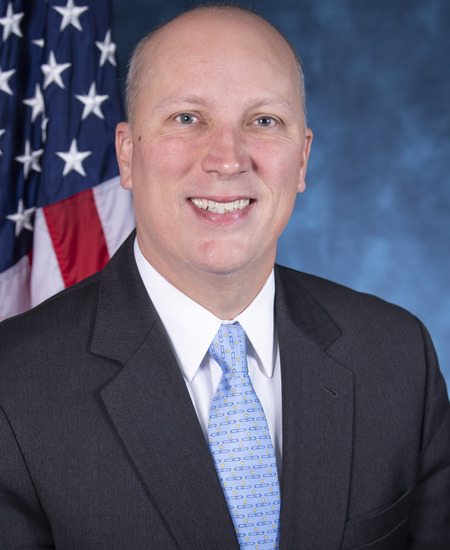
Chip Roy
Chip Roy House · District 21
R
Strong −
14% 7
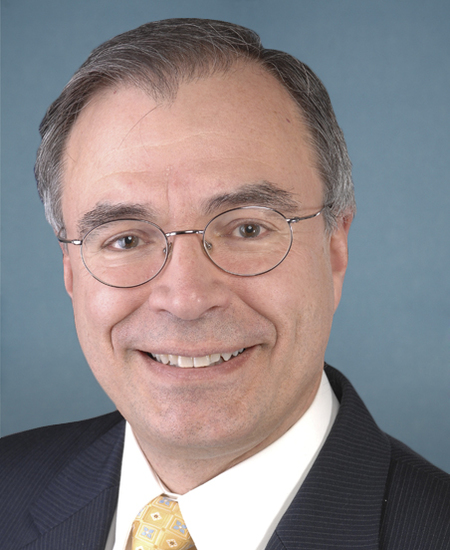
Andy Harris
Andy Harris House · District 1
R
Strong −
20% 10
Keith Self
Keith Self House · District 3
R
Strong −
20% 10
Showing 1,071–1,080 of 1,096 bills

All education bills

in committee · United States · House Sep 9, 2025

HR 5234: Local School Foods Expansion Act of 2025

The Local School Foods Expansion Act of 2025 expands a federal program to help schools purchase domestically grown, unprocessed fruits and vegetables directly from farmers. It increases the number of participating states from 8 to 14 and requires states to demonstrate support for small/local farmers, Tribal producers, and socially disadvantaged communities. The bill allocates $25 million annually (2026-2030) for the program, including $10 million yearly for administrative costs and technical assistance to help schools and farmers participate. States must also report on program challenges and outcomes, with the USDA required to evaluate impacts like cost, agricultural benefits, and barriers to participation within four years.
in committee · United States · House Feb 4, 2025

HR 954: SOAR Permanent Authorization Act

HR 954, the SOAR Permanent Authorization Act, permanently authorizes $75 million annually for D.C.'s Opportunity Scholarship Program, replacing previous annual funding limits. It increases the annual cap for student academic assistance from $2 million to $2.2 million and adds a new tutoring provision prioritizing students from the lowest-performing schools. The bill revises evaluation requirements to focus on students' academic progress (not standardized test scores) and mandates regular program assessments. These changes apply directly to D.C. students using opportunity scholarships and the schools participating in the program.
in committee · United States · Senate Apr 3, 2025

S 1275: Impact Aid Infrastructure Partnership Act

S 1275, the Impact Aid Infrastructure Partnership Act, provides federal funding to help schools on federal lands improve their aging facilities. It targets federally impacted local educational agencies (those serving schools on federal property like Indian reservations or military bases) that struggle with poor building conditions and limited local funding capacity. The bill authorizes $250 million annually for four years to fund competitive emergency repairs for schools with health/safety hazards and formula grants for agencies with limited bonding capacity. Local matching requirements vary based on financial capacity, with some agencies required to contribute 10-25% of project costs depending on their ability to pay.
Sub-Topics K-12 Education School Funding Student Financial Aid Tags Tribal Nations
in committee · United States · House Jan 16, 2026

HR 7099: PATH to Education Act

The PATH to Education Act creates federal grants to help public transportation providers partner with educational institutions like community colleges, Head Start programs, and career schools to improve transit access for students. Grant funds can be used for adding bus stops or routes near campuses, increasing service frequency, or adjusting schedules to help students and Head Start participants commute. The bill allocates $1 million in 2027, rising to $5 million by 2031, with priority given to projects involving schools where over 25% of students receive Pell Grants. This policy directly affects transit agencies and eligible schools by funding concrete transit improvements to support education access.
in committee · United States · House Jul 23, 2025

HR 4728: To codify Executive Order 14280 relating to reinstating commonsense school discipline policies.

HR 4728 codifies Executive Order 14280, which establishes school discipline policies focused on common sense approaches. This bill turns the existing executive order into law, giving it the force of statute. It directly affects public K-12 schools, requiring them to implement these specific discipline policies. The key mechanism is converting the executive order into binding federal law without altering the policy content.
in committee · United States · Senate Mar 19, 2026

S 2841: CIVICS Act of 2025

This bill amends federal education funding rules to prioritize civics and American history education in K-12 schools. It changes eligibility criteria for certain grants under the Elementary and Secondary Education Act by requiring programs to: (1) improve teaching of American history, civics, or government; (2) focus on underserved students and demonstrate innovation; (3) include hands-on civic activities; and (4) teach the Constitution and Bill of Rights. The changes directly affect schools applying for these federal grants by setting new standards for funding approval. The bill modifies existing law without creating new programs or funding streams.
Sub-Topics K-12 Education
in committee · United States · House Feb 26, 2025

HR 1611: RAISE Act of 2025

The RAISE Act of 2025 creates a new tax credit for teachers and early childhood educators, with a base of $1,000 plus additional amounts based on school poverty rates. Teachers working in schools where more than 39% of students live in poverty can receive up to $14,000 more in tax credits, calculated based on how much a school's poverty rate exceeds 39%. The bill also increases the deduction for teachers' classroom expenses from $250 to $500 and requires schools to maintain teacher pay levels to receive certain federal funds. This directly affects public school teachers, early childhood educators, and schools serving communities with high poverty rates.
in committee · United States · Senate Mar 24, 2025

SRES 133: A resolution expressing support for the local public K-12 schools of the United States and condemning any actions that would defund public education or weaken or dismantle the Department of Education.

This Senate resolution expresses strong support for public K-12 schools and condemns any efforts to defund public education or dismantle the Department of Education. It highlights the federal government’s critical role in providing equitable funding - particularly for students in underserved communities, including those with disabilities, from low-income families, and in rural areas - and opposes diverting funds to private schools. As a non-binding resolution, it does not create new laws but formally states the Senate’s position on protecting public education funding and oversight.
in committee · United States · House Jan 3, 2025

HR 84: Native American Education Opportunity Act

The Native American Education Opportunity Act establishes a program that provides $8,000 annually per eligible Native American student to be deposited into Tribal education savings accounts (ESAs) for educational expenses. Eligible students include those enrolled in Tribes who attended or will attend Bureau of Indian Education schools, with funds usable for private tutoring, private school costs, educational materials, technology, and other approved educational services. Tribes administering these programs must consult with Tribal officials before providing educational services, and the accounts terminate when students turn 25 or complete their education. The bill also authorizes Bureau-Funded Charter Schools to operate under specific guidelines and requires a GAO study on the program's implementation after 3 years.
Sub-Topics K-12 Education School Choice Tags Tribal Nations
in committee · United States · House Nov 21, 2025

HRES 908: Expressing support for the designation of October 2025 as "National Financial Planning Month".

HRES 908 is a non-binding House resolution expressing support for designating October 2025 as "National Financial Planning Month." It does not create new laws or alter existing policies but aims to raise public awareness about financial planning. The resolution urges Americans to observe the month through activities like public workshops on budgeting, school financial education, and promoting access to financial planning services. It specifically highlights the role of CERTIFIED FINANCIAL PLANNER® professionals in helping individuals build emergency savings and financial stability. This resolution focuses on awareness and education, not on mandating any specific actions or funding.
Showing 1,071 to 1,080 of 1,096 bills