Issue · Criminal Justice

Criminal Justice

Every criminal justice bill, vote, and legislator stance in United States, automatically classified by Maddy, our AI policy reader.

Total bills
1,286
119th Congress
Top supporter
Alan Armstrong
86% support rate
Top opponent
Amy Klobuchar
13% support rate
Ranked legislators
10
5 support · 5 oppose
Key legislators

Who's moving criminal justice in United States

Legislators moving criminal justice in United States
Legislator Party Stance Support rate Decisive votes
AA
Alan Armstrong Senate
R
Strong +
86% 28
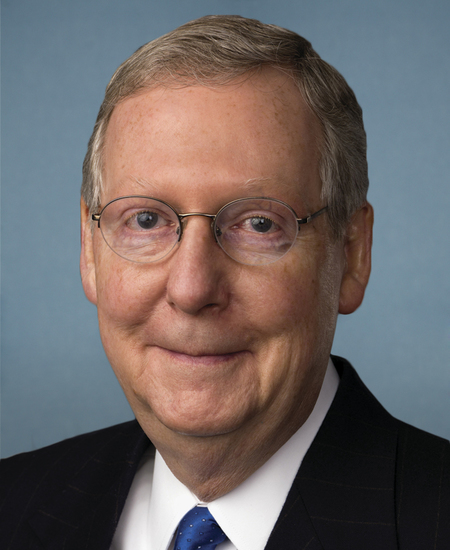
Mitch McConnell
Mitch McConnell Senate
R
Strong +
84% 31
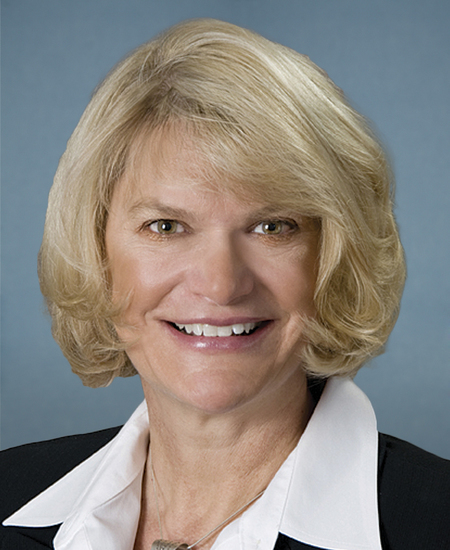
Cynthia M. Lummis
Cynthia M. Lummis Senate
R
Strong +
80% 30
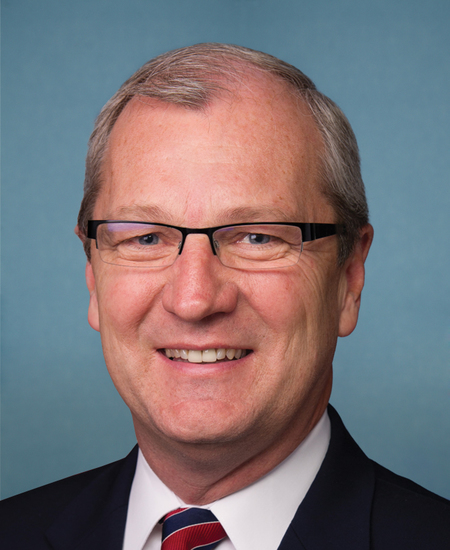
Kevin Cramer
Kevin Cramer Senate
R
Strong +
80% 30
Bernie Moreno
Bernie Moreno Senate
R
Support
77% 31
Amy Klobuchar
Amy Klobuchar Senate
D
Strong −
13% 31
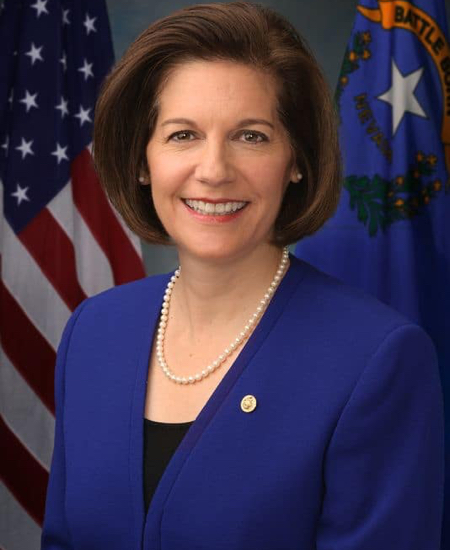
Catherine Cortez Masto
Catherine Cortez Masto Senate
D
Strong −
13% 31
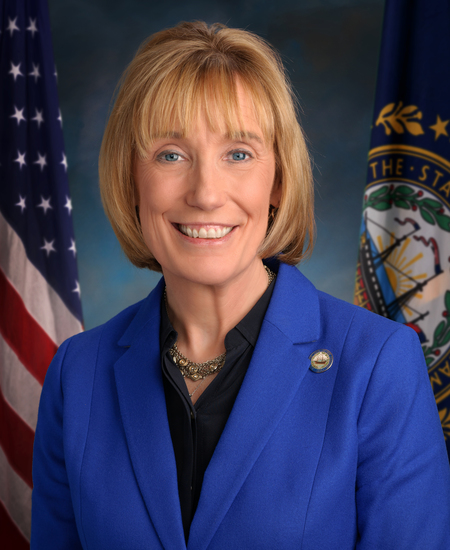
Margaret Wood Hassan
Margaret Wood Hassan Senate
D
Strong −
13% 31
Andy Kim
Andy Kim Senate
D
Strong −
16% 31
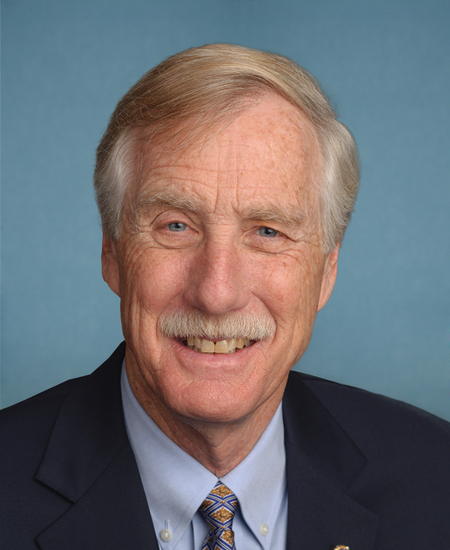
Angus S. King, Jr.
Angus S. King, Jr. Senate
I
Strong −
16% 31
Showing 991–1,000 of 1,286 bills

All criminal justice bills

in committee · United States · House Jul 23, 2025

HR 4712: Parity for Tribal Law Enforcement Act

The Parity for Tribal Law Enforcement Act enables tribal law enforcement officers who have contracted federal law enforcement duties under the Indian Self-Determination Act to enforce federal law on tribal lands. To qualify, officers must complete training comparable to Bureau of Justice Services employees, pass a background check, and receive certification from the Bureau. The bill also designates these officers as federal law enforcement officers for legal protections under the Federal Tort Claims Act and retirement benefits. Additionally, it requires the Attorney General to coordinate Department of Justice efforts to improve public safety in tribal communities through better data collection, training, and reporting.
Sub-Topics Firearms Law Enforcement Tags Tribal Nations
in committee · United States · House Feb 2, 2026

HR 7309: Reentry Resource Guide Act of 2026

HR 7309, the Reentry Resource Guide Act of 2026, creates a federal pilot program to fund states in developing digital resource guides for people returning to communities after incarceration. The bill requires states to create comprehensive, regionally sortable online guides listing contact information for 30+ essential services - including housing, employment, healthcare, crisis lines, substance abuse treatment, and disability support - available for download. States apply for 3-year grants (up to $8 million annually from 2027-2030) to build these guides, with funds covering planning, staffing, and maintenance. Grantees must report annually on fund use, and the Attorney General will evaluate the program’s impact on recidivism after the pilot ends. The direct beneficiaries are formerly incarcerated individuals seeking access to critical community resources.
in committee · United States · Senate Jul 30, 2025

S 2547: Kate's Law

S 2547 ("Kate's Law") increases penalties for non-citizens who enter the U.S. unlawfully or reenter after removal. It raises the mandatory prison term for aliens who enter without inspection (e.g., evading border checks) and later commit crimes punishable by over one year in prison from 2 to 5 years. For reentry offenses, it mandates minimum 10-year prison sentences for those convicted of serious crimes before removal, or who reenter after multiple removals or specific prior convictions. The bill directly affects non-citizens facing immigration enforcement actions under Sections 275 and 276 of the Immigration and Nationality Act.
in committee · United States · Senate Jun 10, 2025

S 2000: Mitigating Extreme Lawlessness and Threats Act

This bill amends federal law (18 U.S.C. §2101) governing riots by increasing penalties for violent riot-related conduct. It directly affects individuals who participate in riots, particularly those involving violence or assault on federal law enforcement officers. Key provisions establish three penalty tiers: up to 10 years in prison for basic riot violations, 1-10 years for those involving violence, and 1+ years or life for assaulting officers. The changes restructure existing subsections to clarify these enhanced punishments without creating new offenses.
in committee · United States · Senate Feb 6, 2025

S 477: Fairness in Fentanyl Sentencing Act of 2025

This bill reduces sentencing thresholds for fentanyl and similar synthetic opioid offenses by lowering the quantity amounts that trigger mandatory minimum penalties (e.g., changing "400 grams" to "20 grams" for certain offenses). It requires the U.S. Sentencing Commission to update federal sentencing guidelines within 120 days to align with these changes. Additionally, it authorizes $9 million for the U.S. Postal Service to purchase chemical screening devices and staff to detect fentanyl and other synthetic opioids in mail and packages. The bill directly affects individuals convicted of federal drug offenses under the Controlled Substances Act.
in committee · United States · House Feb 26, 2026

HR 7733: Ensuring OB–GYN Care in Prisons Act

This bill requires the Bureau of Prisons to employ at least one full-time, board-certified OB-GYN at every federal prison housing female inmates. It mandates specific services including menstrual care, contraception, prenatal care, cancer screenings, and postpartum support, along with patient protections like informed consent and the right to refuse non-emergency care. The bill also requires initial OB-GYN visits within 14 days of incarceration and establishes a process for referrals to other specialists without delays. Annual reports to Congress will track facility compliance, staffing vacancies, and health outcomes like prenatal visits, childbirths, and pregnancy-related deaths.
in committee · United States · House Jul 29, 2025

HR 4783: COP Act of 2025

HR 4783, the COP Act of 2025, prohibits federal funding for any law enforcement agency that employs a non-citizen as a law enforcement officer. This directly affects state and local police departments or agencies that receive federal grants, requiring them to ensure all sworn officers are U.S. citizens to maintain funding eligibility. The key mechanism is a strict funding cutoff: agencies violating this rule would lose access to federal financial support. The bill focuses solely on altering federal funding eligibility based on officer citizenship status, with no additional provisions or exceptions described.
in committee · United States · Senate Jan 14, 2025

SRES 25: A resolution condemning the commutation of the death sentence of Marvin Charles Gabrion II granted by President Biden on December 23, 2024.

SRES 25 is a non-binding Senate resolution expressing disapproval of President Biden's December 23, 2024, commutation of death row inmate Marvin Charles Gabrion II's sentence. The resolution condemns the action, citing Gabrion's conviction for murdering 19-year-old Rachel Timmerman (who was to testify against him) and his suspected involvement in other crimes. It states the Senate believes the commutation undermined justice and was politically motivated, not principled. As a procedural resolution, it has no legal effect and does not change Gabrion's sentence or any laws.
Sub-Topics Corrections
passed · United States · Senate Dec 9, 2025

S 2950: Scam Compound Accountability and Mobilization Act

The Scam Compound Accountability and Mobilization Act establishes a strategy to combat cyber-enabled fraud operations run by transnational criminal organizations from "scam compounds" that use human trafficking victims for forced criminality. The bill requires the State Department to create a global strategy within 180 days of enactment, identify enabling countries (those permitting scam operations) and impacted countries, and coordinate international efforts to prevent recruitment fraud and support trafficking survivors. It authorizes sanctions against foreign individuals or entities that support scam operations, including financial sanctions, visa restrictions, and asset seizures. The strategy will be implemented through an interagency task force that will monitor progress, update the strategy as needed, and report annually to Congress. The bill expires seven years after enactment.
Sub-Topics Human Trafficking
in committee · United States · Senate Sep 2, 2025

S 2689: District of Columbia Police Home Rule Act

This bill repeals a provision allowing the President to assume emergency control of the District of Columbia's police force. It directly affects the District of Columbia government and its police department by removing the federal override power during emergencies. The key mechanism is eliminating Section 740 of the District of Columbia Home Rule Act, which previously permitted the President to take temporary control of DC police operations. The change shifts full emergency management authority over police to local DC leadership. This is a procedural adjustment to the existing Home Rule framework.
Sub-Topics Policing Tags Emergency Management
Showing 991 to 1,000 of 1,286 bills
Previous 1 … 99 100 101 … 129 Next