Issue · Budget & Taxes

Budget & Taxes (Procurement)

Every budget & taxes bill, vote, and legislator stance in United States, automatically classified by Maddy, our AI policy reader.

Total bills
81
119th Congress
Top supporter
Catherine Cortez Masto
86% support rate
Top opponent
James C. Moylan
0% support rate
Ranked legislators
10
5 support · 5 oppose
Key legislators

Who's moving procurement in United States

Legislators moving procurement in United States
Legislator Party Stance Support rate Votes
Catherine Cortez Masto
Catherine Cortez Masto Senate
D
Strong +
86% 37
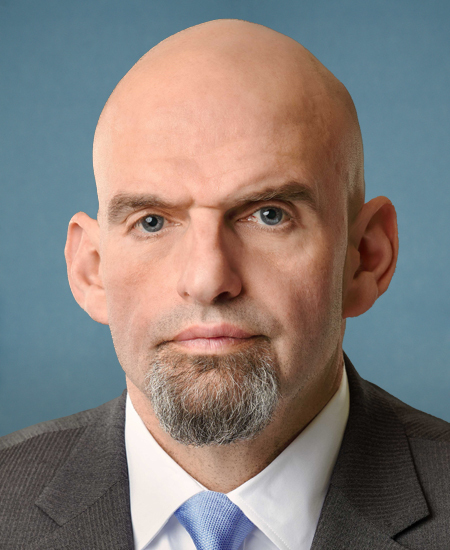
John Fetterman
John Fetterman Senate
D
Strong +
86% 36
Amy Klobuchar
Amy Klobuchar Senate
D
Strong +
84% 37
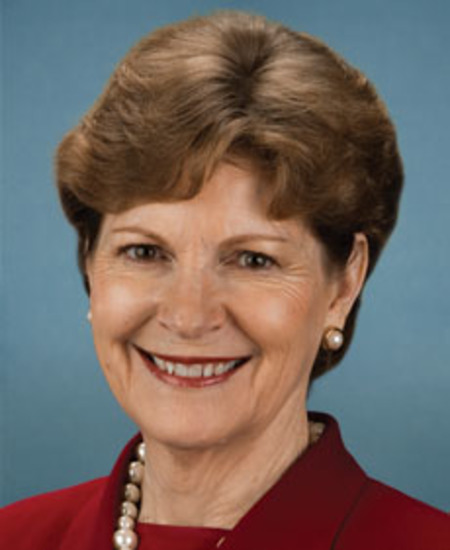
Jeanne Shaheen
Jeanne Shaheen Senate
D
Strong +
84% 37
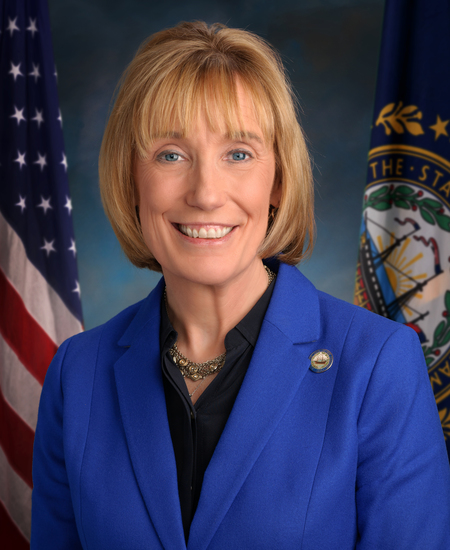
Margaret Wood Hassan
Margaret Wood Hassan Senate
D
Strong +
84% 37
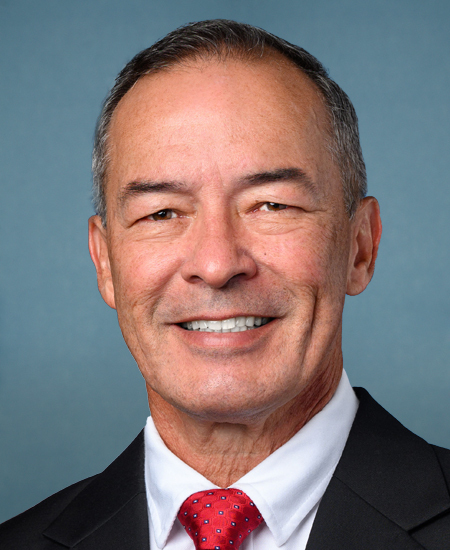
James C. Moylan
James C. Moylan House · District At-Large
R
Strong −
0% 4
Pablo José Hernández
Pablo José Hernández House · District At-Large
D
Strong −
0% 4
Stacey E. Plaskett
Stacey E. Plaskett House · District At-Large
D
Strong −
0% 4
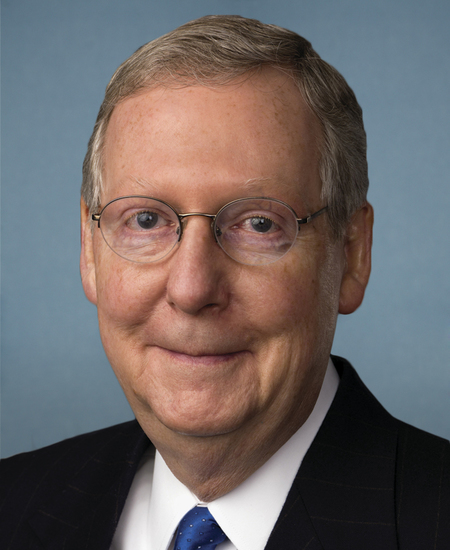
Mitch McConnell
Mitch McConnell Senate
R
Strong −
8% 36
John Thune
John Thune Senate
R
Strong −
11% 37
Showing 61–70 of 81 bills

All budget & taxes bills

in committee · United States · Senate Apr 10, 2025

S 1407: ABC Safe Drug Act

Anyone But China Safe Drug Act or the ABC Safe Drug Act This bill restricts federal health care programs from purchasing drugs with active ingredients manufactured in China and provides tax incentives for the purchase of certain pharmaceutical and device manufacturing property for use in the United States. The bill phases in restrictions on federal health care programs’ purchase of drugs. By January 1, 2030, federal health care programs may not purchase any drug that contains active ingredients from China or countries that do not meet the health and safety standards of the Food and Drug Administration. The Department of Health and Human Services may issue a waiver for an agency or program that is unable to meet this requirement; this waiver authority expires in 2031. The bill also requires all drugs to be labeled with the country of origin of each active ingredient in the drug. Drugs that are not labeled with this information are deemed misbranded. Finally, the bill allows 100% tax expensing for qualified pharmaceutical and medical device manufacturing property placed in service between 2025 and 2030. Qualified pharmaceutical and medical device manufacturing property is any tangible property placed in service in the United States as part of the construction or expansion of property for the manufacture of drugs or devices.
Sub-Topics Procurement
in committee · United States · Senate Jun 5, 2025

S 1964: Solid American Hardwood Tax Credit Act

This bill adds a tax credit for homeowners who install U.S.-grown hardwood flooring, paneling, cabinetry, or window frames in their principal residence. It defines "natural carbon sink expenditures" to include these specific U.S. hardwood products, which absorb carbon dioxide. The credit applies to purchases made after the bill's enactment, extending the existing energy-efficient home improvement credit through 2035. It directly affects homeowners purchasing qualifying U.S. hardwood materials for home renovations.
in committee · United States · House May 21, 2025

HR 3549: Critical Businesses Preparedness Act

HR 3549, the Critical Businesses Preparedness Act, creates a 30% federal tax credit for businesses designated as "critical" (like hospitals, grocery stores, and gas stations) that install electric generators in areas at high risk of flooding or hurricanes. The credit covers the full cost of purchasing and installing generators placed in service after the bill's enactment. Businesses cannot claim both this tax credit and a deduction for the same generator expenses. This policy directly supports essential businesses in disaster-prone regions by reducing their tax burden for emergency power infrastructure.
in committee · United States · Senate Apr 1, 2025

S 1219: USA CAR Act

This bill creates a new federal tax deduction for interest paid on loans used to buy new cars assembled in the U.S. It applies only to loans taken out on or after January 1, 2025, for vehicles manufactured with final assembly occurring within the United States. The deduction covers interest on qualifying auto loans but excludes foreign-made vehicles and loans taken out before 2025. It directly affects taxpayers purchasing eligible new U.S.-assembled cars after 2025.
Sub-Topics Procurement
in committee · United States · Senate Jan 28, 2026

S 3710: SOAR Permanent Authorization Act

The SOAR Permanent Authorization Act extends the District of Columbia's Scholarships for Opportunity and Results (SOAR) program permanently, replacing its temporary authorization. It allows scholarship grants to be renewed for up to five additional years without competitive bidding, expands the eligible service area to include the Washington metropolitan region (adding Maryland and Virginia counties), and updates school accreditation requirements to include U.S. Immigration and Customs Enforcement-approved bodies. The bill increases annual funding from $60 million to $75 million starting in fiscal year 2027, extends scholarships to cover pre-kindergarten, and requires more frequent program evaluations focused on student academic progress, graduation rates, and school safety comparisons. These changes directly affect D.C. students using SOAR scholarships, participating schools, and the entities administering the program.
died · United States · Senate Oct 9, 2025

S 2882: Continuing Appropriations and Extensions and Other Matters Act, 2026

This bill provides continuing appropriations for federal government operations through October 31, 2025, ensuring that agencies can maintain essential services without interruption. It authorizes funding for departments including Defense, Health and Human Services, Veterans Affairs, and Transportation, while extending specific programs like community health centers, Medicare services, and veterans' benefits. Key provisions include maintaining funding levels for existing programs, extending deadlines for various health and human services initiatives through October 2025, and providing specific amounts for programs like the WIC food assistance program. The bill also includes numerous extensions for programs that would otherwise expire, such as the National Health Service Corps and certain Medicare payment adjustments. This continuing resolution prevents government shutdowns by providing temporary funding until a full fiscal year 2026 appropriations bill can be enacted.
in committee · United States · House Jan 9, 2025

HR 247: Health Care Affordability Act of 2025

This bill increases healthcare affordability for low- and middle-income people by expanding eligibility for premium tax credits under the Affordable Care Act. It removes the previous 400% of poverty level cap for subsidy eligibility and replaces it with a new sliding scale based on income tiers, ranging from 0% to 8.5% of household income for coverage costs. The scale adjusts linearly across income levels, with households earning 300-400% of poverty paying 6.0%-8.5% of income (up from the prior fixed 400% cap), while lower-income households pay progressively less. These changes apply to tax years beginning after December 31, 2025, directly affecting individuals purchasing health insurance through marketplace plans.
in committee · United States · Senate Sep 16, 2025

S 2824: A bill to amend the Internal Revenue Code of 1986 to extend the temporary enhanced premium credits.

This bill extends the temporary enhanced premium tax credits for health insurance under the Affordable Care Act through 2028, instead of ending in 2026. It directly affects individuals purchasing health insurance through state or federal marketplaces who qualify for these credits based on income (up to 400% of the federal poverty level). The key change updates specific dates in tax law to align the credit period with 2028, while maintaining the same income eligibility rules. The extension applies to tax years beginning after December 31, 2025.
in committee · United States · Senate Jun 11, 2025

S 2023: Bicycle Commuter Act of 2025

This bill expands tax-free benefits for employees who commute by bicycle. It reinstates and broadens employer-provided tax-free reimbursements for expenses related to bicycles, electric bikes, and qualifying scooters used for commuting. Specifically, employers can now cover costs like purchasing, leasing, repairing, or storing qualified commuting property (including e-bikes meeting safety standards), with a 30% monthly limit on the tax-free amount. The policy directly affects employees who bike to work and their employers, making it easier for businesses to offer these benefits without tax implications. The changes apply to taxable years beginning after December 31, 2024.
in committee · United States · Senate Sep 3, 2025

S 2693: Biobased Market Expansion Act of 2025

The Biobased Market Expansion Act of 2025 amends federal procurement rules to increase government purchases of biobased products. It requires federal agencies to annually raise their biobased product procurement targets, promote domestically produced biobased items, and establish price preferences for these products. Agencies must also provide staff training, update procurement catalogs to clearly identify eligible biobased products, and report compliance details. The bill directly affects federal procurement offices and biobased product manufacturers, with a Comptroller General review mandated within two years to assess implementation and recommend improvements.
Showing 61 to 70 of 81 bills
Previous 1 6 7 8 9 Next