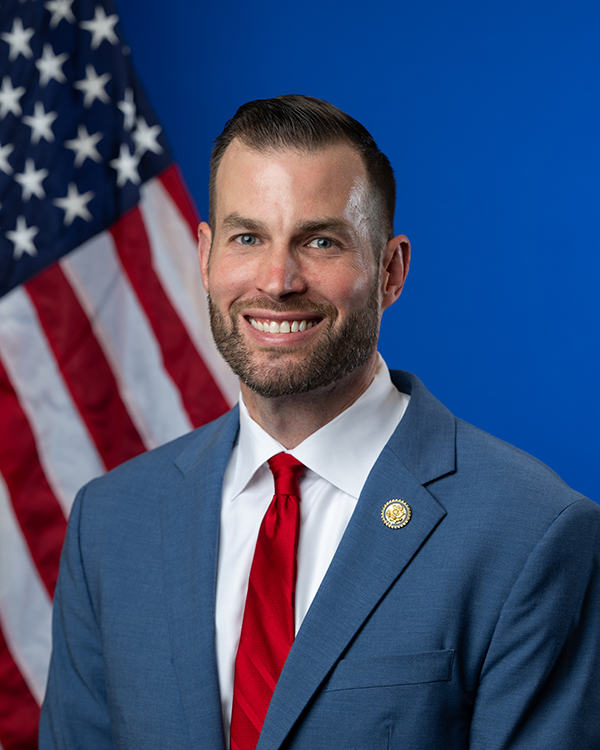
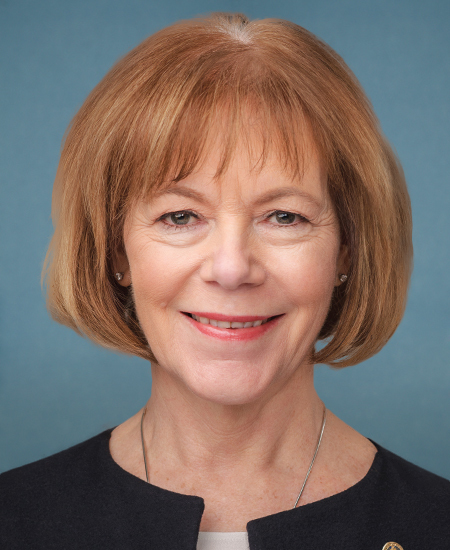
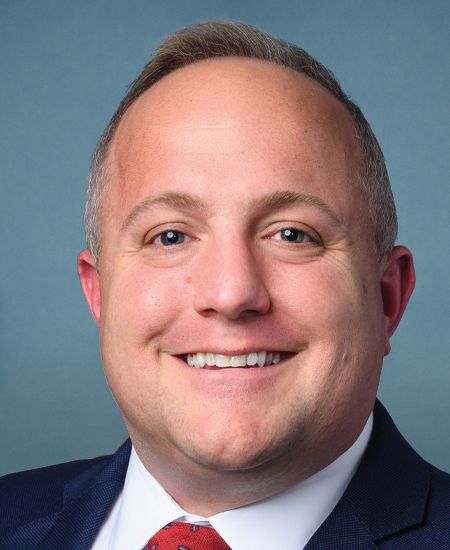
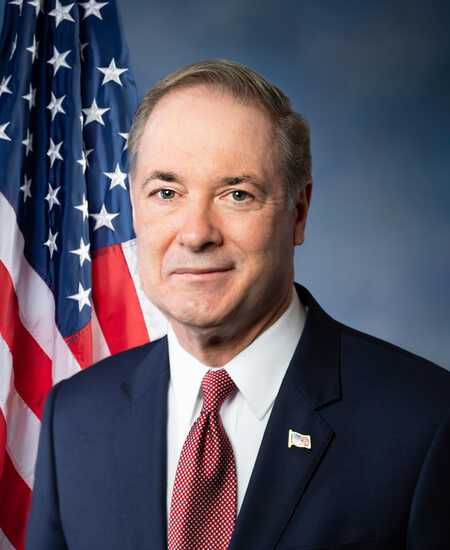
This bill creates a 30% tax credit for businesses investing in disaster mitigation projects on "working waterfront" properties, such as those used for commercial fishing, boating, or aquaculture. The credit covers up to $300,000 annually per business for eligible costs like floodproofing, shoreline stabilization, or warning systems designed to prevent damage from natural hazards. To qualify, a business must meet a gross receipts limit of $47 million annually and use the property for water-dependent activities with access to navigable waters. The credit applies to projects completed after 2025 and is limited to one claim per business every 10 years.
This bill makes Federal Pell Grants tax-free for students, removing the tax burden on these federal education awards. It also expands the American Opportunity Tax Credit to cover eligible child care costs (for students enrolled in school) and up to $1,000 for computer equipment or internet access used for education. These changes apply to tax returns filed for 2025 and later. The bill directly affects students receiving Pell Grants and those claiming the American Opportunity Credit for educational expenses.
HR 2534, the Paying a Fair Share Act of 2025, would impose a new tax on individual taxpayers with adjusted gross income exceeding $1 million (adjusted annually for inflation), effective for tax years beginning after 2024. The tax rate would be 30% of the amount by which a taxpayer's income exceeds $1 million, after accounting for charitable contributions. This provision applies only to individuals (not corporations) and is projected to generate significant revenue by requiring the highest earners to pay a larger share of taxes, with sponsors estimating it would reduce the federal deficit by billions annually.
HR 2434, the No Tax Subsidies for Stadiums Act of 2025, prohibits the use of tax-exempt bonds to finance professional sports stadiums. The bill defines a "professional stadium bond" as any bond financing a facility used for professional sports events on at least five days annually. This directly affects professional sports teams and local governments seeking tax-exempt financing for stadium construction or renovation projects. The law would take effect for bonds issued after its enactment, ending a common practice of using tax-free bonds to fund public-subsidized sports venues.
HR 209, the "Inaction Has Consequences Act," requires that if either the House or Senate fails to pass all annual budget bills by the start of a fiscal year (beginning in 2026), the salaries of Members of Congress serving in that chamber will be held in an escrow account. This mechanism directly affects all Representatives and Senators (including delegates and resident commissioners) who serve in the chamber that misses the budget deadline. The escrow holds payments until either the budget bills are passed or the end of the current Congress, whichever comes first. The bill ensures salaries are released automatically on the last day of the Congress if the deadline isn't met. It applies separately to each chamber and defines "regular appropriation bills" as those handled by single subcommittees in each house.
The Overtime Wages Tax Relief Act would create a new tax deduction for eligible workers, allowing them to subtract up to $10,000 of their overtime pay (or $20,000 for joint tax returns) from their taxable income. This deduction phases out for higher earners, reducing by $50 for every $1,000 their income exceeds $100,000 (or $200,000 for joint returns). To qualify, overtime pay must be at 1.5 times the regular rate for hours worked beyond 40 in a week, as defined by the Fair Labor Standards Act or a collective bargaining agreement. The bill also requires employers to report overtime pay on tax forms and adjusts withholding procedures, effective for tax years beginning after December 31, 2025.
This bill, the Tax Cut for Workers Act of 2025, expands the Earned Income Credit (EIC) to make it more accessible and generous for low-income workers without children. It lowers the minimum age for the credit from 25 to 19 (with exceptions for students, former foster youth, and homeless youth), removes the maximum age limit, and increases the credit amount and income thresholds. The bill also adjusts these amounts for inflation and allows taxpayers to use their prior year’s earned income if it was higher, applying to taxable years starting after 2025. These changes extend the credit to U.S. territories like Puerto Rico and American Samoa without prior time limits.
This bill, S 3631 (PUBLIC SAFETY Act), increases federal funding for local law enforcement programs. It amends the COPS Hiring Program to redirect funds from U.S. Immigration and Customs Enforcement to the Attorney General, extends grant deadlines to 2030, and waives certain requirements for small local governments (under 175 officers) and tribal governments. It also allocates $45 billion for fiscal year 2025 to the Edward Byrne Memorial Justice Assistance Grant (Byrne JAG) Program, which supports state and local crime prevention and justice initiatives. These changes directly affect cities, counties, townships, and tribal governments seeking federal funding to hire officers and support public safety programs.
This bill creates a 75% federal tax credit for individuals donating cash or securities to approved nonprofit charter school organizations. The credit is limited to 10% of adjusted gross income or $5,000 annually, and applies only to organizations meeting strict criteria (like 501(c)(3) status, performance-based state selection, and annual audits). It requires these organizations to spend 100% of donations on charter school creation/expansion within five years and caps total annual tax credits at $5 billion, allocated by state. The credit is designed to incentivize private funding for charter schools while ensuring accountability through spending rules and oversight.
The Working Waterfront Disaster Mitigation Tax Credit Act creates a 30% tax credit for businesses that invest in qualifying disaster mitigation projects on "working waterfront" property, such as commercial fishing facilities or boatyards. The credit covers up to $300,000 per year (adjusted for inflation after 2026) for projects designed to prevent flood, erosion, or storm damage using methods like structural elevation, floodproofing, or shoreline stabilization. To qualify, property must be used for water-dependent activities (e.g., commercial fishing or boating) with average annual gross receipts under $47 million and meet specific building code requirements for disaster resilience. The credit is limited to 10 years per business and applies to projects placed in service after 2025.