Issue · Budget & Taxes

Budget & Taxes

Every budget & taxes bill, vote, and legislator stance in United States, automatically classified by Maddy, our AI policy reader.

Total bills
2,352
119th Congress
Top supporter
Clay Fuller
87% support rate
Top opponent
Eleanor Holmes Norton
0% support rate
Ranked legislators
10
5 support · 5 oppose
Key legislators

Who's moving budget & taxes in United States

Legislators moving budget & taxes in United States
Legislator Party Stance Support rate Decisive votes
Clay Fuller
Clay Fuller House · District 14
R
Strong +
87% 46
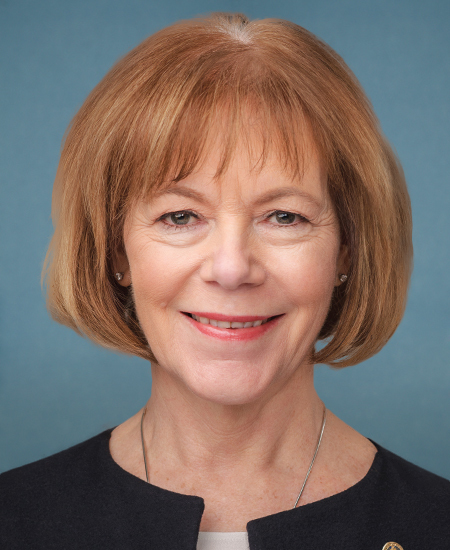
Tina Smith
Tina Smith Senate
D
Strong +
83% 77
Andrew Ogles
Andrew Ogles House · District 5
R
Strong +
83% 65
Aaron Bean
Aaron Bean House · District 4
R
Strong +
83% 69
Ben Cline
Ben Cline House · District 6
R
Strong +
83% 69
Eleanor Holmes Norton
Eleanor Holmes Norton House · District At-Large
D
Strong −
0% 26
Pablo José Hernández
Pablo José Hernández House · District At-Large
D
Strong −
7% 28
Analilia Mejia
Analilia Mejia House · District 11
D
Strong −
13% 45
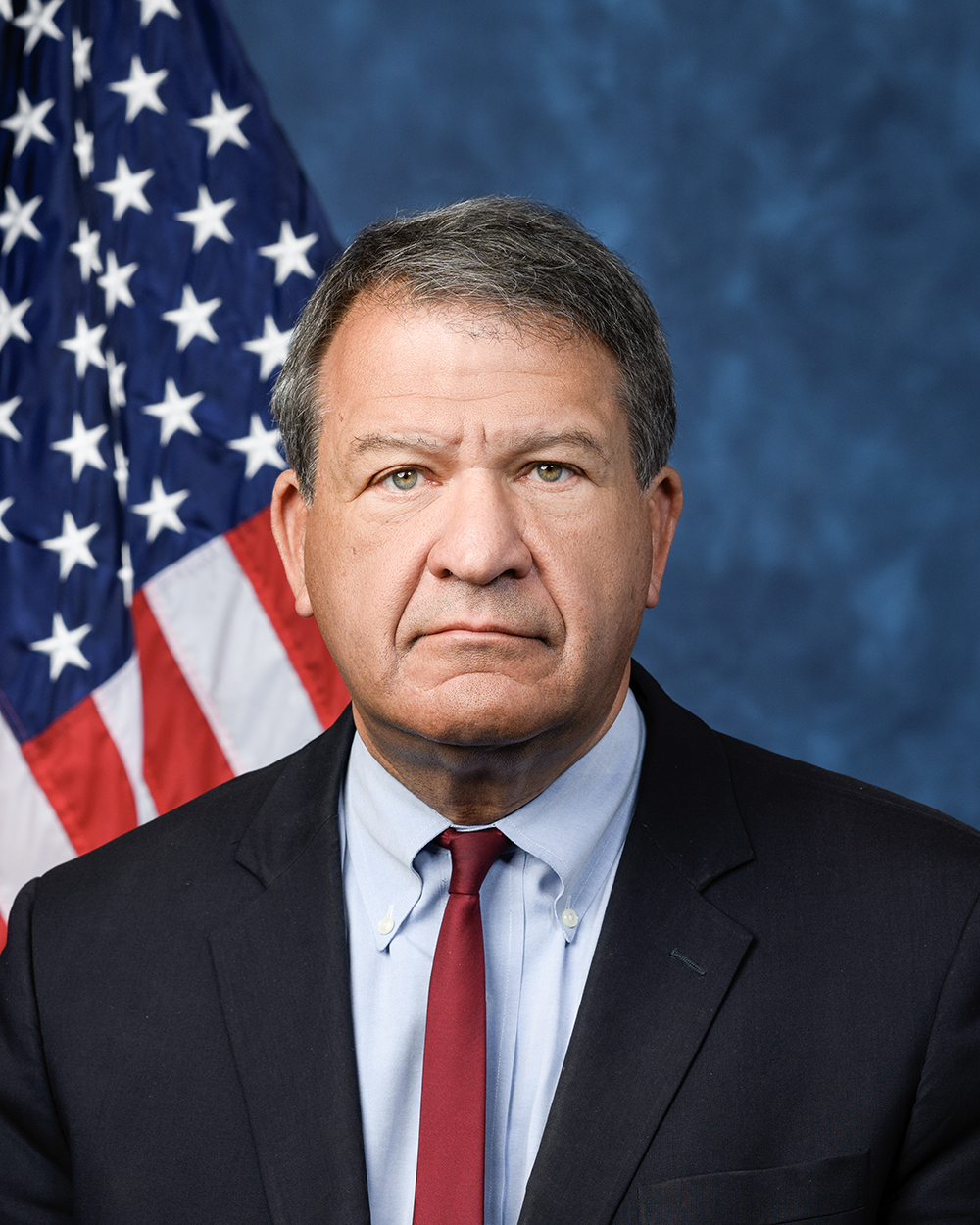
George Latimer
George Latimer House · District 16
D
Strong −
13% 67
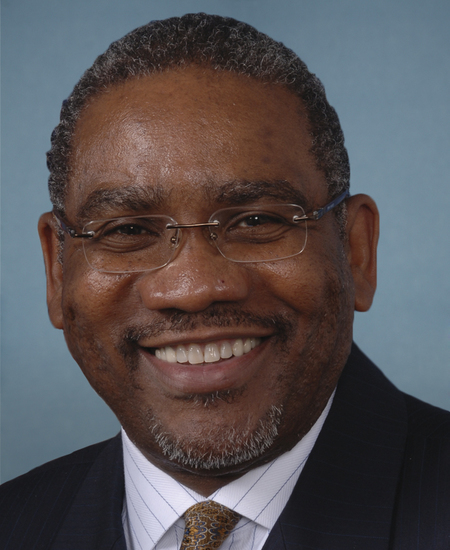
Gregory W. Meeks
Gregory W. Meeks House · District 5
D
Strong −
14% 66
Showing 2,151–2,160 of 2,352 bills

All budget & taxes bills

in committee · United States · House Jan 28, 2025

HR 823: Heroes’ Tax Exemption Act of 2025

HR 823, the Heroes’ Tax Exemption Act of 2025, would exempt active duty members of the U.S. Armed Forces from federal income tax on their military earnings. The bill adds a new section (139J) to the Internal Revenue Code, removing active duty pay from taxable income for service members. This change directly affects current active duty personnel, not veterans or reservists, and applies to income earned after the second October following the bill's enactment. The provision modifies the tax code without altering other tax rules or creating new administrative requirements. The bill focuses solely on removing income tax liability for active duty military compensation.
in committee · United States · Senate Jan 7, 2026

S 3590: Water Infrastructure Resilience and Sustainability Act of 2026

This bill extends existing federal water infrastructure programs through fiscal year 2031. It reauthorizes the Clean Water Infrastructure Resiliency Program (Title I) and two Drinking Water Infrastructure programs (Title II) by updating their funding periods from 2022-2026 to 2027-2031. The key mechanism is amending specific sections of the Federal Water Pollution Control Act and Safe Drinking Water Act to adjust the program timelines. These programs directly support communities and water systems working to maintain clean water and safe drinking water infrastructure resilience.
in committee · United States · Senate Oct 30, 2025

S 3079: Armed Forces Pay Act of 2025

This bill provides temporary funding for military pay and certain civilian employee salaries during fiscal year 2026 if Congress hasn’t passed regular appropriations. It covers all active-duty military members, reserve personnel on active duty or training, and civilian employees of the Defense Department, Coast Guard, intelligence community (including the CIA and National Intelligence Director’s office). The funding remains available until either regular appropriations are enacted, the Intelligence Authorization Act passes, or September 30, 2026. It does not change existing pay policies but ensures continuous payment during budget gaps.
in committee · United States · Senate Dec 11, 2025

S 3432: Working Families Disaster Tax Relief Act

This bill allows disaster victims to use their previous year's income instead of current year's income when calculating eligibility for the child tax credit and earned income credit. It directly affects taxpayers whose homes or workplaces were in a federally declared disaster zone during the disaster period, or those displaced from their homes due to the disaster. Key provisions let eligible individuals elect to substitute their prior taxable year's earned income for the current year in credit calculations, simplifying access to relief after income disruptions. The changes apply to tax years beginning after December 31, 2024.
Sub-Topics Income Tax Tax Credits
in committee · United States · House May 1, 2025

HR 3140: Stop Subsidizing Multimillion Dollar Corporate Bonuses Act

This bill amends the tax code to limit corporate tax deductions for certain executive compensation. It expands the definition of "covered individual" to include former top executives (like former CEOs or CFOs) who received high pay before 2021, as well as current executives whose compensation was reported to shareholders. The key change prevents companies from deducting excessive pay packages - such as multimillion-dollar bonuses - from taxable income for these covered individuals. The policy applies to publicly traded corporations and takes effect for tax years starting in 2025.
Sub-Topics Business Taxes
in committee · United States · Senate Oct 29, 2025

SJRES 94: A joint resolution proposing an amendment to the Constitution of the United States requiring Members of Congress to forfeit their compensation during Government shutdowns.

SJRES 94 proposes a constitutional amendment requiring U.S. Congress members to forfeit their salaries during any government shutdown caused by funding gaps. The bill would automatically withhold members' pay for the duration of the shutdown period, directly affecting all senators and representatives. Forfeited funds would be transferred to the federal treasury to reduce the national debt. This amendment must be ratified by three-fourths of state legislatures to become part of the Constitution.
in committee · United States · Senate Dec 17, 2025

S 3531: A bill to amend the Internal Revenue Code of 1986 to establish a tax credit for qualified combined heat and power system property, and for other purposes.

This bill creates a 10% federal tax credit for businesses that install qualified combined heat and power (CHP) systems - systems generating both electricity and useful thermal energy (like steam or heating) with at least 60% overall efficiency. It directly affects commercial entities, industrial facilities, and organizations building new CHP systems that meet specific efficiency standards (producing at least 20% thermal energy and 20% electrical power). The credit includes a 10% bonus for systems using domestically manufactured components or located in designated energy communities, and excludes systems exceeding 50 megawatts in capacity. The credit applies to systems placed in service after December 31, 2024, with detailed definitions for qualifying systems in the tax code.
Sub-Topics Tax Credits
in committee · United States · Senate Dec 3, 2025

S 3325: Expanding Access to Affordable Drugs and Medical Devices Act

This bill creates a new tax-exempt status ("public interest drug or medical device health care organization") for nonprofit organizations that manufacture or distribute affordable drugs and medical devices. To qualify, organizations must primarily focus on making eligible drugs/devices affordable (addressing shortages, unmet health needs, or public health emergencies), avoid conflicts with for-profit manufacturers, and meet strict board composition rules. Key provisions require organizations to agree to prioritize supplying designated drugs/devices to the federal strategic stockpile at cost during emergencies. The bill directly affects qualifying nonprofits seeking tax exemption, not patients or healthcare providers.
in committee · United States · Senate Nov 20, 2025

S 3276: UNtaxed Act

This bill prohibits the United Nations or its affiliated bodies from levying any tax, tariff, fee, or penalty on U.S. citizens or U.S. entities without a Senate-approved treaty. It specifically blocks U.S. funding for any United Nations activities related to implementing or enforcing a global carbon tax, defined as a tax on vessel emissions under a global fuel regime. The bill directly affects U.S. citizens and businesses by preventing the UN from imposing such taxes or using U.S. funds to support global carbon tax systems. It establishes a clear legal barrier requiring Senate approval for any UN tax affecting U.S. interests.
in committee · United States · House Jul 17, 2025

HR 4514: Local Journalism Sustainability Act

The Local Journalism Sustainability Act creates three tax credits to support local news organizations. Individuals can claim a credit of up to $250 per year for local newspaper subscriptions (80% in first year, 50% after), with newspapers required to serve local communities and employ local journalists. Local newspaper publishers can receive a payroll tax credit for hiring local news journalists (50% for first four quarters, 30% after), and small businesses with fewer than 50 full-time employees can claim a credit for advertising in local media (up to $5,000 in first year, $2,500 thereafter). All credits expire after five years and apply only to qualifying local newspapers, radio stations, or television stations serving specific communities.
Sub-Topics Tax Credits
Showing 2,151 to 2,160 of 2,352 bills