Issue · Budget & Taxes

Budget & Taxes

Every budget & taxes bill, vote, and legislator stance in United States, automatically classified by Maddy, our AI policy reader.

Total bills
2,349
119th Congress
Top supporter
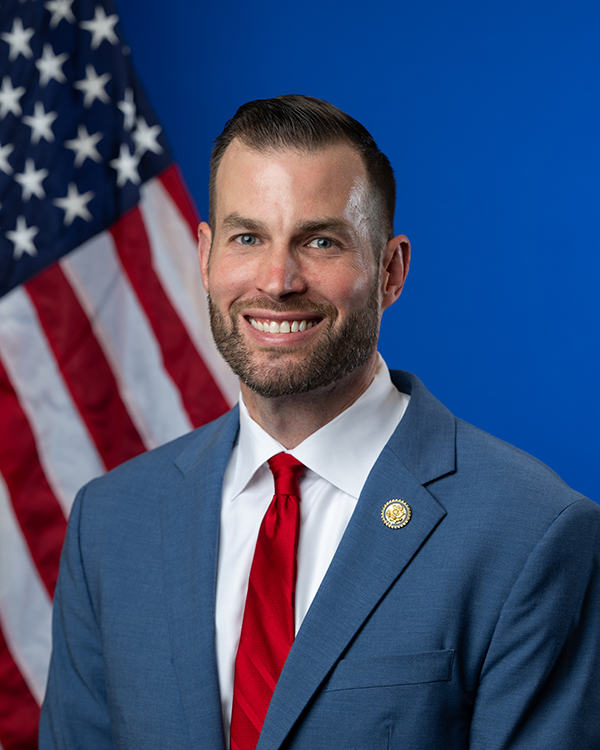
Clay Fuller
86% support rate
Top opponent
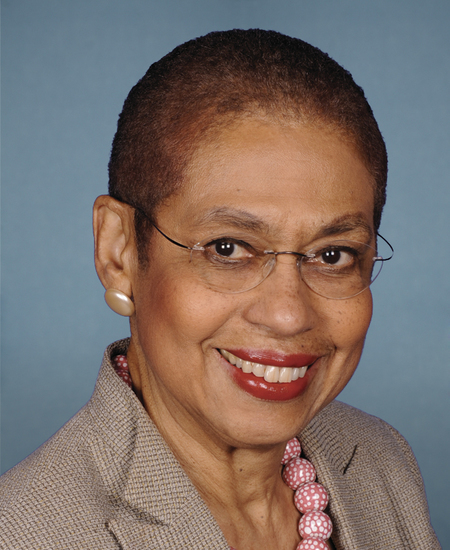
Eleanor Holmes Norton
0% support rate
Ranked legislators
10
5 support · 5 oppose
Key legislators

Who's moving budget & taxes in United States

Legislators moving budget & taxes in United States
Legislator Party Stance Support rate Votes
Clay Fuller
Clay Fuller House · District 14
R
Strong +
86% 55
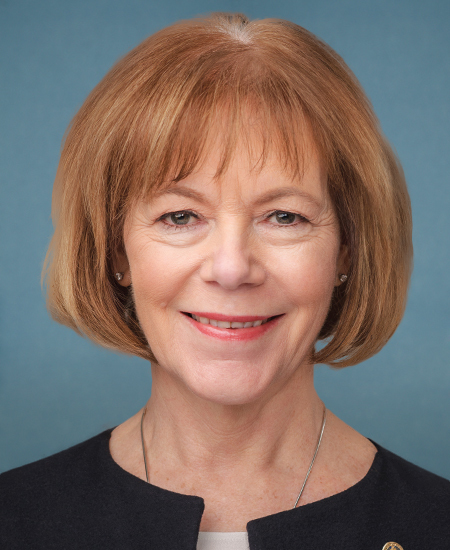
Tina Smith
Tina Smith Senate
D
Strong +
83% 251
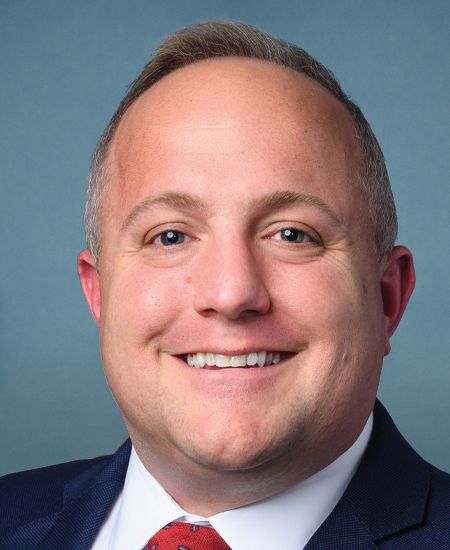
Andrew Ogles
Andrew Ogles House · District 5
R
Strong +
83% 175
Russell Fry
Russell Fry House · District 7
R
Strong +
82% 186
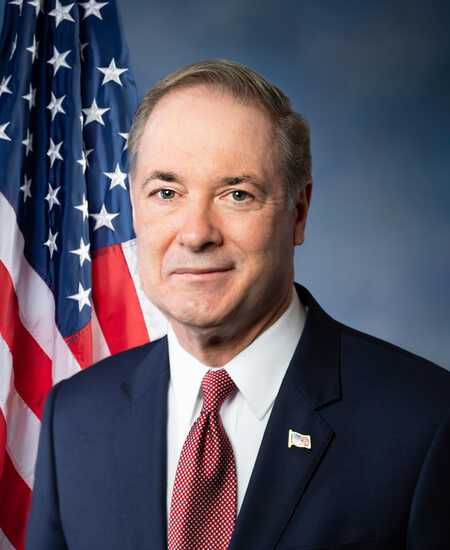
John Joyce
John Joyce House · District 13
R
Strong +
82% 185
Eleanor Holmes Norton
Eleanor Holmes Norton House · District At-Large
D
Strong −
0% 46
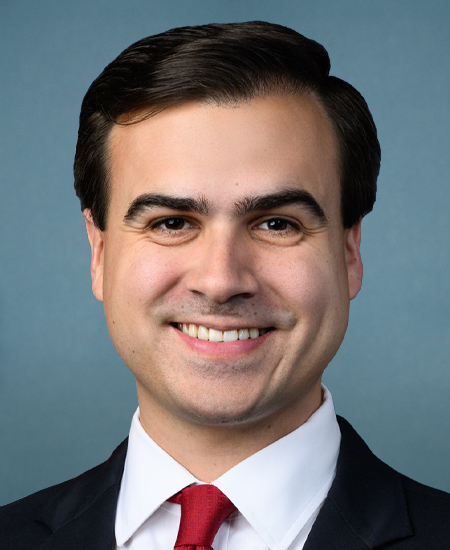
Pablo José Hernández
Pablo José Hernández House · District At-Large
D
Strong −
7% 46
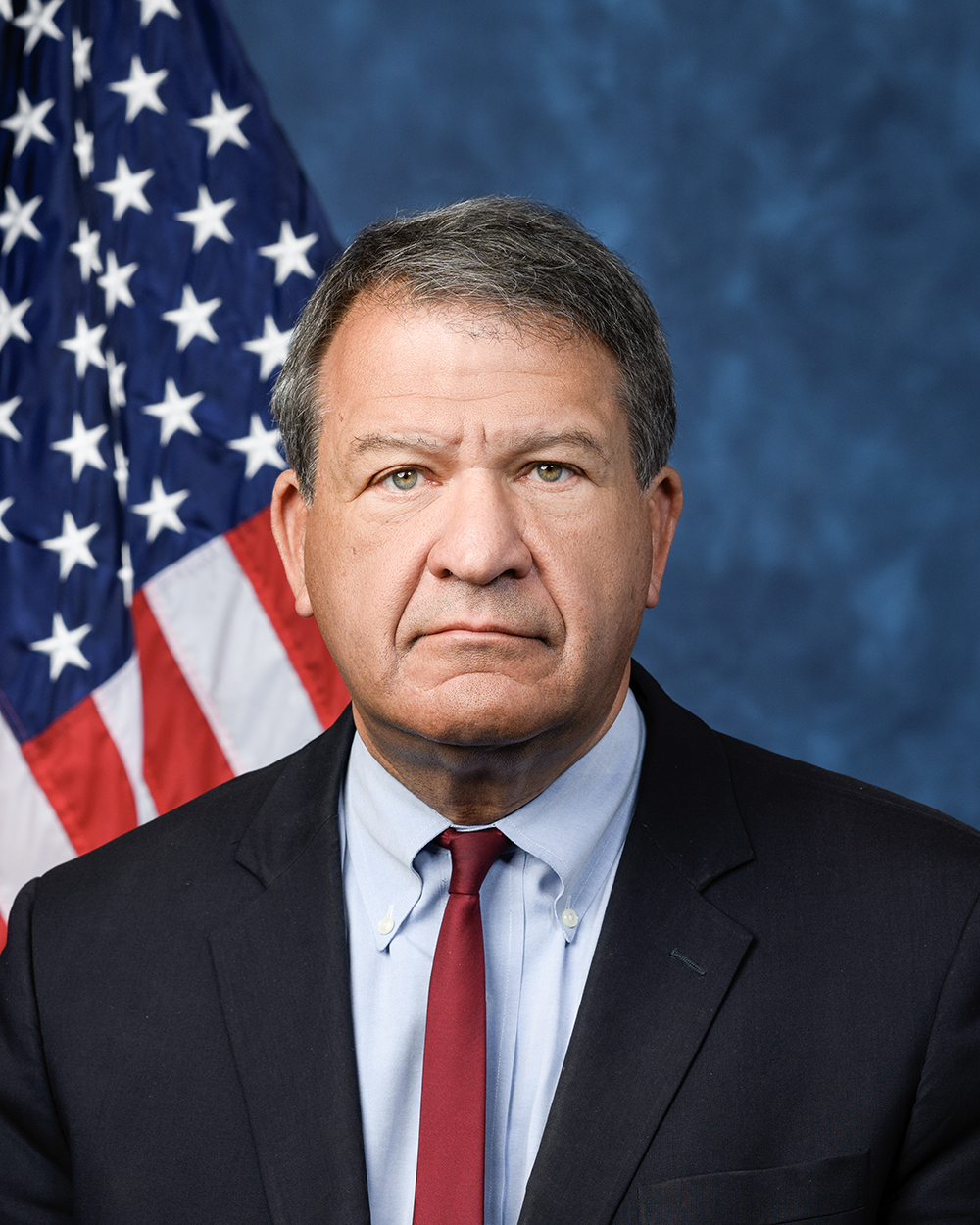
George Latimer
George Latimer House · District 16
D
Strong −
14% 181
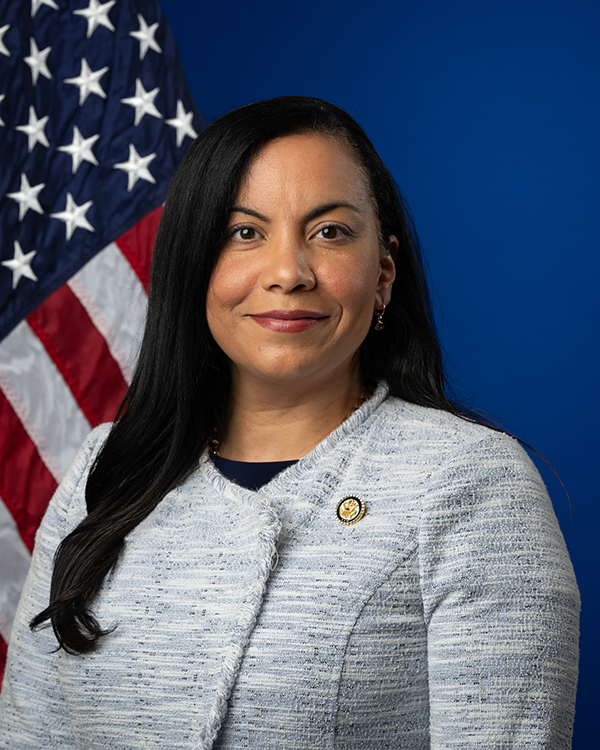
Analilia Mejia
Analilia Mejia House · District 11
D
Strong −
14% 52
Gregory W. Meeks
Gregory W. Meeks House · District 5
D
Strong −
14% 181
Showing 11–20 of 2,349 bills

All budget & taxes bills

in committee · United States · House Sep 3, 2026

HR 10271: Mobile Workforce State Income Tax Simplification Act of 2026

The Mobile Workforce State Income Tax Simplification Act of 2026 restricts state income tax collection on employees who work in multiple states, limiting taxation to only the employee's home state and any other state where they perform duties for more than 30 days in a calendar year. This change directly affects multi-state workers and their employers by eliminating withholding and reporting requirements for wages earned in states where the employee does not meet the 30-day threshold. Employers are permitted to rely on employees' annual estimates of work location for tax purposes, unless the employer maintains a daily time and attendance tracking system or has actual knowledge of fraud. The bill excludes specific groups, such as professional athletes, entertainers, film production staff, and public figures, from these simplified rules, and it takes effect on January 1 of the second calendar year following its enactment.
Sub-Topics Income Tax
in committee · United States · House Sep 3, 2026

HR 10256: Taxpayer Relief from Big Oil Act

The Taxpayer Relief from Big Oil Act would eliminate existing royalty relief programs for oil and gas companies operating in the Gulf of Mexico and Alaska, requiring these firms to pay full royalties on their production. The bill also mandates that the Department of Interior establish standardized transportation cost deductions for calculating royalties on federal lands and offshore waters, capping these deductions at either 30 percent of the total value of production or actual reasonable costs, whichever is lower. Additionally, the legislation requires the Bureau of Land Management and the Bureau of Ocean Energy Management to submit annual reports to Congress detailing the number of royalty relief applications processed, approved wells, and estimated impacts on government revenue.
in committee · United States · House Jul 27, 2026

HR 9958: Head Start Expansion and Improvement Act of 2026

The Head Start Expansion and Improvement Act of 2026 broadens eligibility for early childhood education services by including recipients of various public assistance programs, such as food stamps and Medicaid, in the definition of qualifying families. The bill authorizes $36 billion annually from fiscal years 2027 through 2032 to support these expanded operations and creates a separate grant program providing $1 billion per year until 2030 for agencies to repair or upgrade aging facilities with safety hazards. Additionally, the legislation establishes a loan forgiveness program that cancels federal student loans for childcare workers who complete three years of full-time service in Head Start or Early Head Start programs. Finally, it authorizes $6.8 billion annually through 2032 to provide salary supplements to Head Start employees, with funding allocated based on local wage gaps and cost-of-living factors.
in committee · United States · House Aug 27, 2026

HR 10171: Improving Health Through Integrated Food and Nutrition Services at Federally Qualified Health Centers Act

The Improving Health Through Integrated Food and Nutrition Services at Federally Qualified Health Centers Act directs the Department of Health and Human Services to create a competitive grant program for federally qualified health centers. These grants would fund activities such as screening patients for food insecurity, operating on-site food pantries, hiring nutrition professionals, and partnering with local food banks. The bill also requires the administration to coordinate with federal agencies to streamline patient enrollment in existing assistance programs like SNAP and WIC, while exploring ways to make nutrition services reimbursable through Medicaid. Recipients must submit annual reports detailing their impact, and the legislation authorizes $100 million per year for fiscal years 2027 through 2031 to support these efforts.
Sub-Topics Medicaid Primary Care
in committee · United States · House Aug 27, 2026

HR 10156: Better Jobs through Evidence and Innovation Act

The Better Jobs through Evidence and Innovation Act amends the Workforce Innovation and Opportunity Act to create a competitive grant program that funds innovative employment and training services. The bill directs federal resources toward initiatives that have demonstrated improvements in participant earnings and job placement, with specific attention to individuals facing barriers to employment and underserved communities such as rural areas. Eligible recipients include state and local workforce boards, tribal organizations, colleges, and nonprofit groups that design or implement these field-initiated programs. The legislation establishes a tiered funding structure based on the strength of existing evidence, offering early-phase grants for new pilots, mid-phase grants for refinement, and expansion grants for proven models. Grantees are required to partner with independent researchers to conduct rigorous impact evaluations, ensuring that at least 60 percent of each award is spent directly on program implementation rather than administrative costs. The bill authorizes appropriations for this initiative through fiscal year 2031.
in committee · United States · House Sep 3, 2026

HR 10244: No Taxpayer Funds for Congressional First Class Flights Act

The No Taxpayer Funds for Congressional First Class Flights Act prohibits Members of Congress from using government funds to purchase airline tickets in any class other than coach, effective starting in fiscal year 2027. The bill defines coach-class as the basic level of service that includes carry-on baggage at no extra cost, regardless of how specific airlines label their seating options. An exception is made for situations where a higher class of travel is required to accommodate a medical disability or other special need. Each chamber of Congress would be responsible for creating regulations to enforce these new travel restrictions.
in committee · United States · House Aug 17, 2026

HR 10116: Lifeline for First Responders Act

The Lifeline for First Responders Act establishes a new federal grant program administered by the National Highway Traffic Safety Administration to support the mental health and well-being of first responders. The program provides funding to eligible entities, including fire services, emergency medical services agencies, and dispatch centers, at all levels of government. Grant funds may be used for evidence-based stress reduction, suicide prevention, confidential counseling, family support services, and outreach programs aimed at reducing stigma. The bill authorizes $7.5 million in appropriations annually for fiscal years 2028 through 2032 to carry out these initiatives.
Sub-Topics Mental Health Tags Public Safety
in committee · United States · House Aug 24, 2026

HR 10148: Safeguarding America’s Nonprofits Act

The Safeguarding America's Nonprofits Act clarifies that tax-exempt status under Section 501 of the Internal Revenue Code does not count as federal financial assistance. This change directly affects charitable organizations, religious groups, and other nonprofits that are exempt from federal income taxes. The bill amends the tax code to ensure these entities are not subject to regulations or restrictions typically applied to recipients of government grants or aid. It also includes a provision stating that this new definition does not apply retroactively to periods before the law is enacted.
in committee · United States · House Aug 17, 2026

HR 10112: Empowering States to Protect Seniors from Bad Actors Act

The Empowering States to Protect Seniors from Bad Actors Act authorizes the Securities and Exchange Commission to distribute competitive grants to state securities commissions and insurance departments to combat financial fraud targeting individuals aged 62 and older. These funds can be used to hire staff for investigations, purchase technology and training equipment, develop educational materials for seniors, and strengthen state laws against exploitation. Each eligible entity may receive up to $500,000 annually, or $1,000,000 if the state agency handles both securities and insurance regulation. The bill appropriates $10 million per year from fiscal years 2025 through 2030 and requires the Commission to conduct annual audits and submit effectiveness reports to Congress at two and five-year intervals.
Tags Seniors
in committee · United States · House Aug 13, 2026

HR 10104: Restoring Economic Diesel Fuel Act of 2026

The Restoring Economic Diesel Fuel Act of 2026 eliminates federal penalties for selling and using dyed diesel fuel in taxable situations. By removing Section 6715 from the Internal Revenue Code, the bill allows individuals and businesses to use this specific type of fuel without facing fines, provided they pay the required taxes. This change directly affects entities that currently rely on or consider using dyed fuel for on-road vehicles or other taxable applications. The provision is set to take effect for any fuel sold or used after December 31, 2025.
Showing 11 to 20 of 2,349 bills