Issue · Budget & Taxes

Budget & Taxes

Every budget & taxes bill, vote, and legislator stance in United States, automatically classified by Maddy, our AI policy reader.

Total bills
2,044
119th Congress
Top supporter
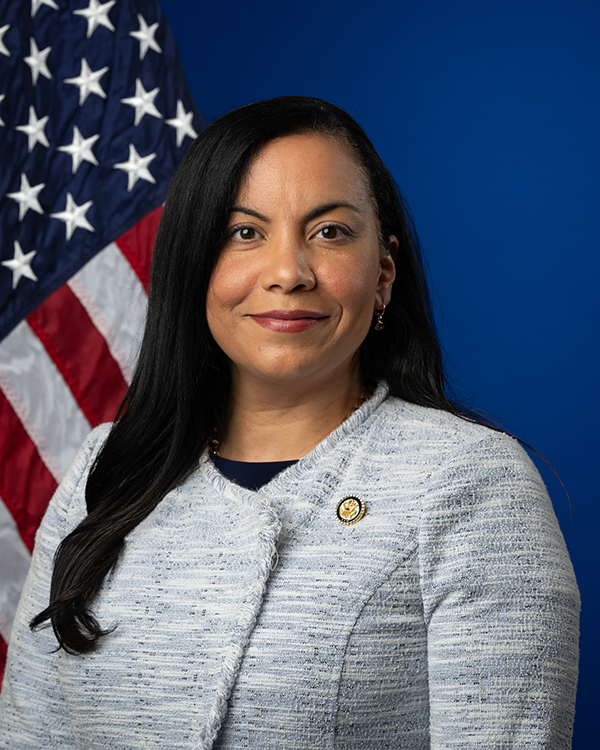
Clay Fuller
86% support rate
Top opponent
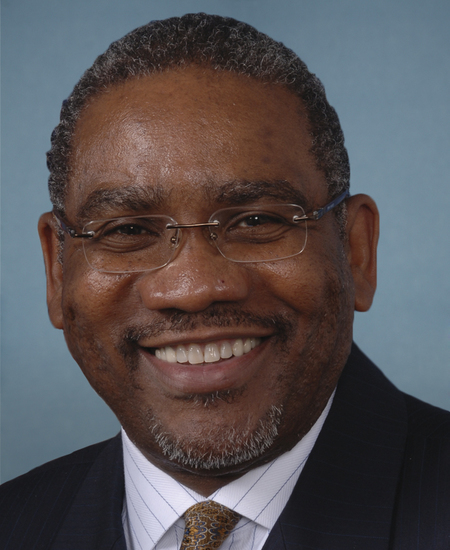
Eleanor Holmes Norton
0% support rate
Ranked legislators
10
5 support · 5 oppose
Key legislators

Who's moving budget & taxes in United States

Legislators moving budget & taxes in United States
Legislator Party Stance Support rate Votes
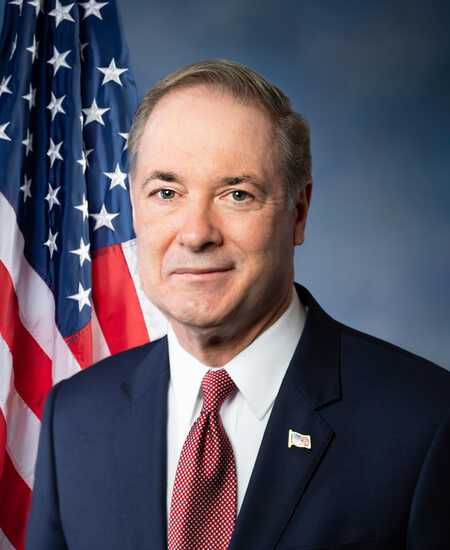
Clay Fuller
Clay Fuller House · District 14
R
Strong +
86% 55
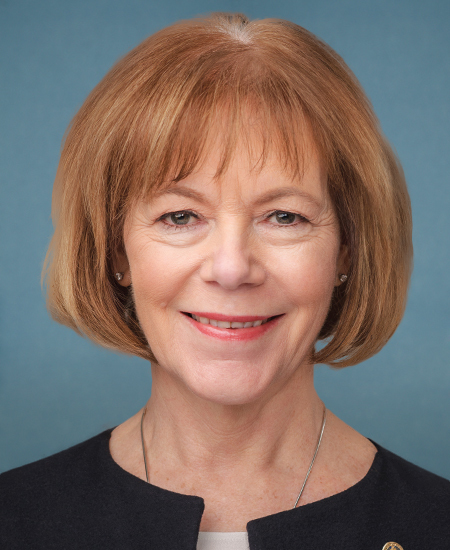
Tina Smith
Tina Smith Senate
D
Strong +
83% 251
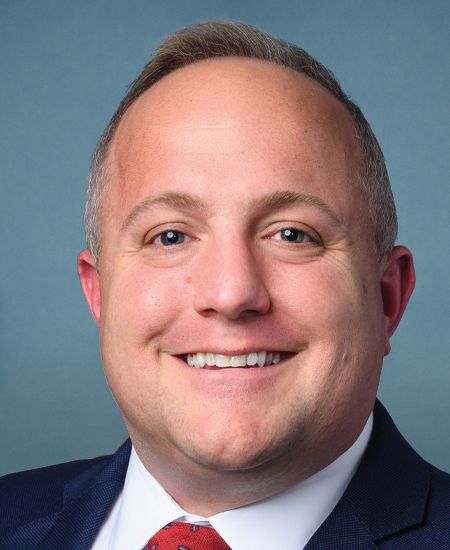
Andrew Ogles
Andrew Ogles House · District 5
R
Strong +
83% 175
Russell Fry
Russell Fry House · District 7
R
Strong +
82% 186
John Joyce
John Joyce House · District 13
R
Strong +
82% 185
Eleanor Holmes Norton
Eleanor Holmes Norton House · District At-Large
D
Strong −
0% 46
Pablo José Hernández
Pablo José Hernández House · District At-Large
D
Strong −
7% 46
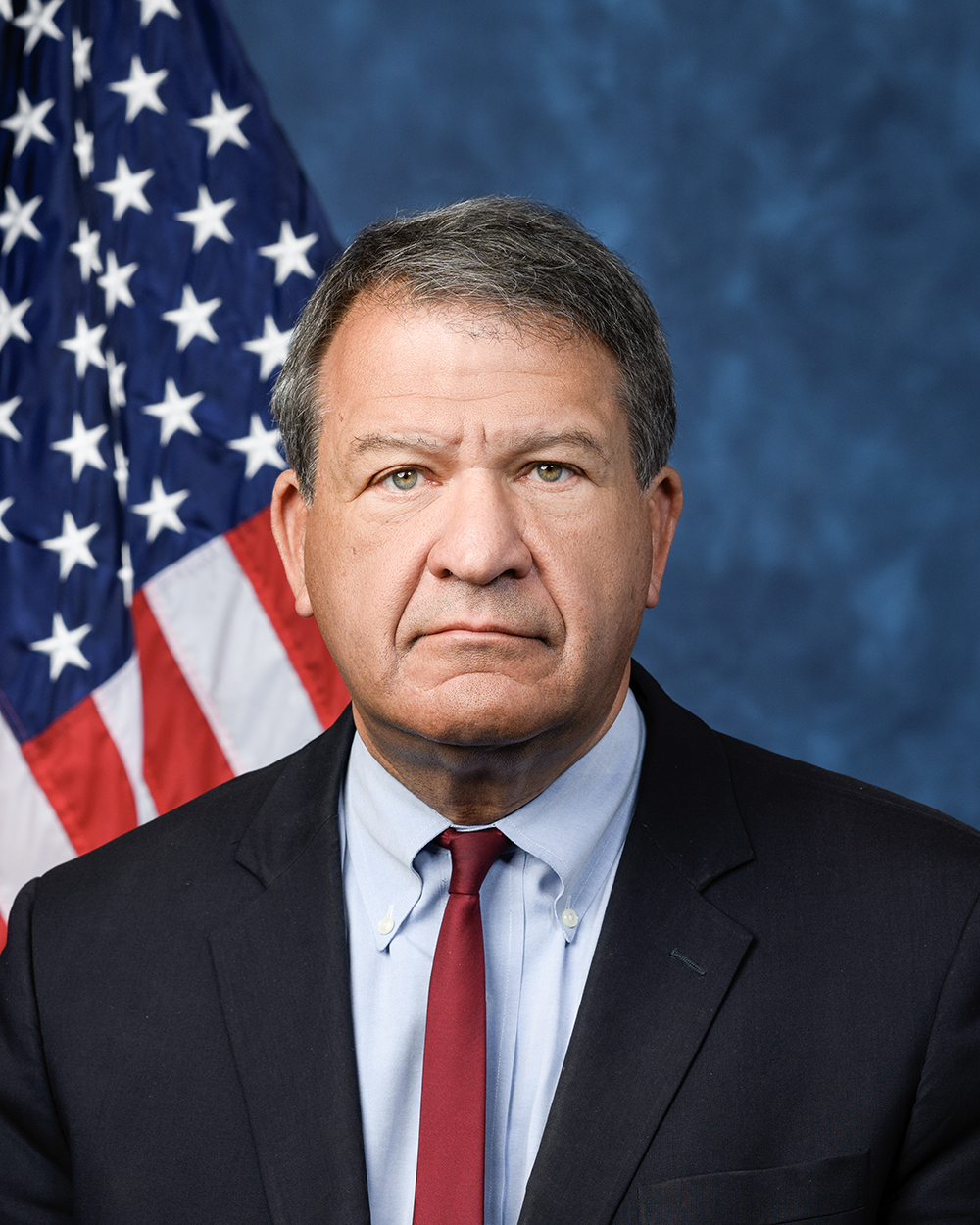
George Latimer
George Latimer House · District 16
D
Strong −
14% 181
Analilia Mejia
Analilia Mejia House · District 11
D
Strong −
14% 52
Gregory W. Meeks
Gregory W. Meeks House · District 5
D
Strong −
14% 181
Showing 1,901–1,910 of 2,044 bills

All budget & taxes bills

in committee · United States · Senate Oct 29, 2025

S 3071: Keep SNAP and WIC Funded Act of 2025

This bill ensures uninterrupted access to SNAP (food stamps) and WIC benefits during government funding gaps in fiscal year 2026. It authorizes the Treasury to provide emergency funds if Congress fails to pass full-year appropriations for the Department of Agriculture by September 30, 2025, covering all missed benefits retroactively from September 30, 2025. State agencies administering these programs would be reimbursed for costs incurred during the funding lapse. The funding automatically terminates once Congress passes 2026 appropriations or by September 30, 2026.
Sub-Topics Appropriations
in committee · United States · Senate May 13, 2025

S 1730: Water Affordability, Transparency, Equity, and Reliability Act of 2025

This bill establishes significant federal funding for water infrastructure projects to improve affordability, transparency, equity, and reliability in water services. It allocates over $33 billion annually for clean water, drinking water, rural water, and Indian Health Service water infrastructure projects. The bill requires a comprehensive study on water affordability, discrimination in water services, and data collection about service disconnections, with a report to Congress within one year. It includes specific provisions about funding priorities, public ownership requirements for water systems, and protections for vulnerable populations facing service disconnections, affecting communities across the U.S., particularly low-income neighborhoods, rural areas, tribal communities, and colonias.
in committee · United States · Senate Mar 11, 2025

S 936: WEST Act of 2025

This bill imposes a 6% annual tax on the total value of endowments exceeding $11.9 billion for most private universities (or $10.5 billion for state-operated colleges), effective for 2025 taxable years. It directly affects large non-religious private universities meeting these asset thresholds, excluding religious institutions and assets used for their core educational purposes. The tax applies to the end-of-year value of endowment assets not directly supporting the institution's exempt educational mission. This is a direct tax change with no mention of funding allocation or policy outcomes in the bill text.
in committee · United States · House Apr 7, 2025

HR 2666: CBO Scoring Accountability Act

HR 2666, the CBO Scoring Accountability Act, requires the Congressional Budget Office (CBO) to annually analyze and publicly report on the actual costs and revenue impacts of major federal legislation for the first 10 years after it becomes law. It mandates that the CBO compare actual spending/revenue results against prior estimates, and if discrepancies exceed 10% for costs or revenue, the CBO must explain the causes in a report to Congress. This applies to bills projected to affect at least 0.25% of U.S. GDP in spending or revenue (defined as "major legislation"), and federal agencies must provide data to support these analyses. The bill aims to improve transparency around budget estimates without altering legislative processes.
in committee · United States · House Jan 20, 2025

HR 557: Working Class Bonus Tax Relief Act of 2025

This bill allows workers to deduct up to 15% of their non-bonus wages as a tax deduction for bonuses received from an employer. It directly affects individual workers earning bonuses, with income limits: $100,000 for single filers, $150,000 for heads of household, and $200,000 for married couples filing jointly. The deduction expires after December 31, 2029, and modifies tax forms to include this provision without affecting itemized deduction limits. It applies to bonuses received after the bill's enactment date.
in committee · United States · Senate May 20, 2025

S 1821: Tackling Predatory Litigation Funding Act

This bill imposes a new tax on entities receiving funding for civil lawsuits through litigation financing agreements. It requires a 3.8% surcharge (added to regular income tax rates) on profits from such funding, applied at the entity level for businesses like partnerships. The tax applies to third parties (e.g., corporations, individuals) who receive funds for lawsuits but excludes small agreements under $10,000 and standard loans with interest capped at 7% or 2x Treasury rates. The tax takes effect for 2026 taxable years, with 50% of the tax withheld directly from settlement payments.
in committee · United States · Senate May 6, 2025

S 1610: Tax-Free Pell Grant Act

This bill makes Federal Pell Grants tax-free for students. It amends the tax code to exclude Pell Grants used for tuition and related expenses from taxable income, directly affecting undergraduate and graduate students receiving these grants. The key provision ensures Pell Grants are treated like other scholarships for tax purposes, preventing them from being counted as income. The change applies to tax returns filed for 2026 and later.
in committee · United States · Senate Feb 11, 2025

S 510: Financing Our Energy Future Act

The Financing Our Energy Future Act (S 510) expands tax-qualified activities for green energy publicly traded partnerships under the Internal Revenue Code. It directly affects businesses investing in renewable energy projects by adding specific eligible activities, such as generating power from qualified renewable sources (e.g., solar, wind, or advanced nuclear), storing energy using new technology, capturing carbon dioxide, and producing low-emission fuels. Key provisions require new fuels to achieve at least a 60% reduction in lifecycle greenhouse gas emissions compared to baseline standards, and mandate that carbon capture facilities capture at least 50% of their carbon oxide output. The changes take effect for taxable years beginning after December 31, 2025.
in committee · United States · House May 20, 2025

HR 3512: Tackling Predatory Litigation Funding Act

HR 3512, the Tackling Predatory Litigation Funding Act, imposes a new annual tax on funds received by third-party investors who finance lawsuits through litigation financing agreements. It directly affects investors (including foreign entities) who provide funding to plaintiffs or law firms in exchange for a share of settlement or judgment proceeds, excluding small agreements under $10,000 or standard loans. The tax equals the top individual income tax rate plus 3.8 percentage points, with 50% withheld from settlement payments by parties involved in the lawsuit. The law also clarifies that such funds cannot offset losses and excludes certain typical legal fee reimbursements from taxation. The provisions take effect for taxable years beginning after December 31, 2025.
Sub-Topics Income Tax
in committee · United States · House Apr 7, 2025

HR 2671: Tax Fairness for Workers Act

The Tax Fairness for Workers Act (HR 2671) would allow certain employees to deduct work-related expenses directly from their gross income. Specifically, it creates an above-the-line deduction for union dues (amending IRC Section 62(a)(1)) and reinstates a deduction for other out-of-pocket work costs like uniforms or tools (amending IRC Section 67(g)), effective for 2025 tax years. This directly affects union members and workers with significant job-related expenses who previously could not deduct these costs. The bill removes the prior limitation that barred these deductions, making them available without needing to itemize. The policy change simplifies tax filing for affected workers by treating these expenses as deductible business costs.
Showing 1,901 to 1,910 of 2,044 bills