Issue · Budget & Taxes

Budget & Taxes

Every budget & taxes bill, vote, and legislator stance in United States, automatically classified by Maddy, our AI policy reader.

Total bills
2,046
119th Congress
Top supporter
Clay Fuller
87% support rate
Top opponent
Eleanor Holmes Norton
0% support rate
Ranked legislators
10
5 support · 5 oppose
Key legislators

Who's moving budget & taxes in United States

Legislators moving budget & taxes in United States
Legislator Party Stance Support rate Decisive votes
Clay Fuller
Clay Fuller House · District 14
R
Strong +
87% 46
Tina Smith
Tina Smith Senate
D
Strong +
83% 77
Andrew Ogles
Andrew Ogles House · District 5
R
Strong +
83% 65
Aaron Bean
Aaron Bean House · District 4
R
Strong +
83% 69
Ben Cline
Ben Cline House · District 6
R
Strong +
83% 69
Eleanor Holmes Norton
Eleanor Holmes Norton House · District At-Large
D
Strong −
0% 26
Pablo José Hernández
Pablo José Hernández House · District At-Large
D
Strong −
7% 28
Analilia Mejia
Analilia Mejia House · District 11
D
Strong −
13% 45
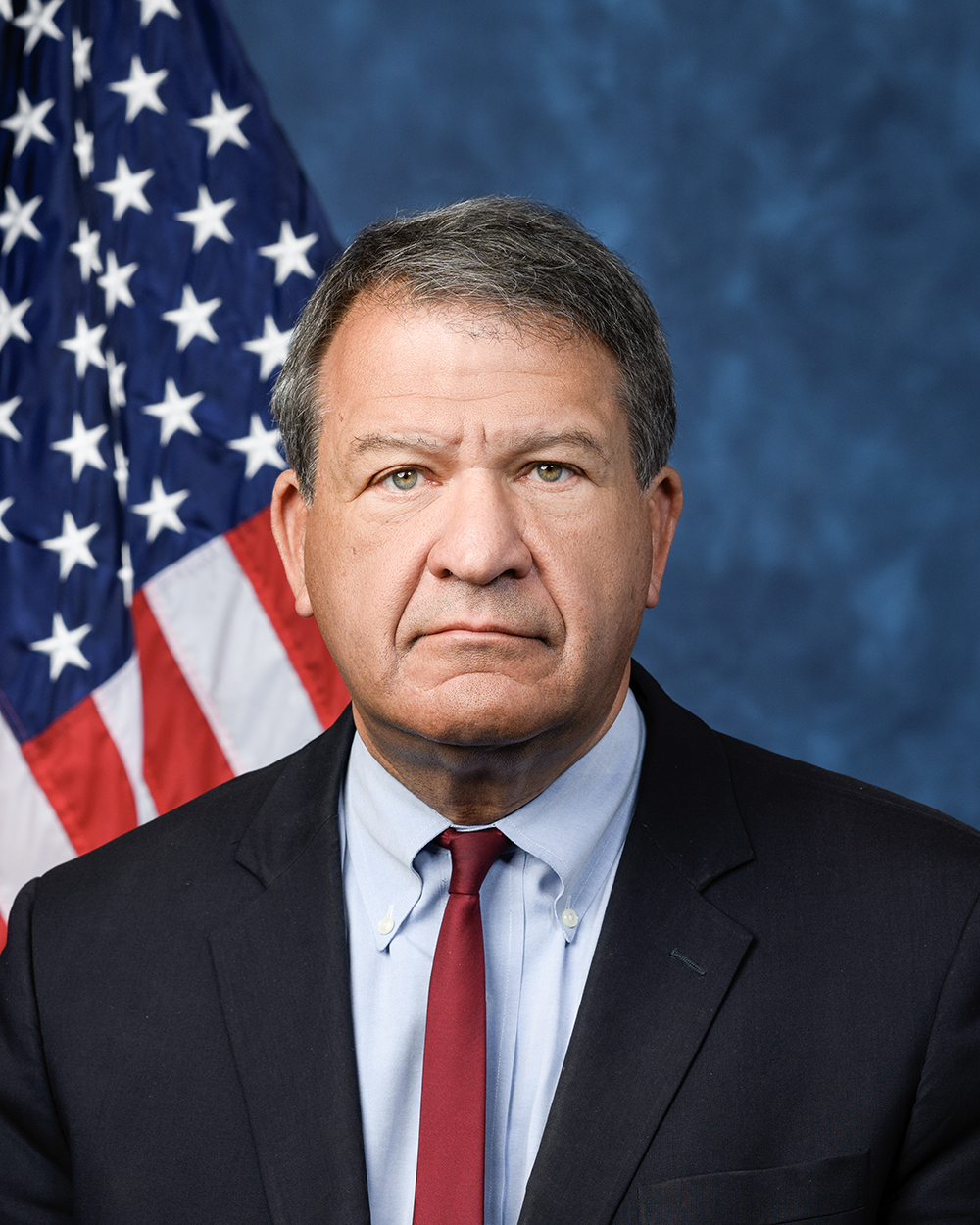
George Latimer
George Latimer House · District 16
D
Strong −
13% 67
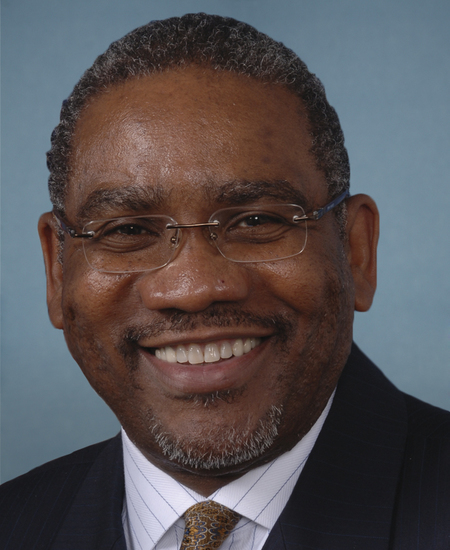
Gregory W. Meeks
Gregory W. Meeks House · District 5
D
Strong −
14% 66
Showing 1,891–1,900 of 2,046 bills

All budget & taxes bills

in committee · United States · Senate Feb 6, 2025

S 467: End Double Taxation of Successful Consumer Claims Act

This bill creates a tax deduction for attorney fees paid in consumer protection lawsuits where a defendant is found liable for violating specific federal or state consumer laws. It directly affects consumers who win such cases and their attorneys, by allowing them to deduct these fees from taxable income instead of paying tax on them. The key provision amends the tax code to add an "above-the-line" deduction for fees related to violations of laws like the Truth in Lending Act, Fair Debt Collection Practices Act, and Fair Credit Reporting Act. This change removes a tax burden on the portion of settlement awards covering legal costs, ensuring consumers keep more of their recovery.
Tags Consumer Protection
in committee · United States · House Mar 3, 2025

HR 1771: Improper Payments Transparency Act

HR 1771, the Improper Payments Transparency Act, requires federal agencies to include detailed explanations of improper payments in the President's annual budget. It directly affects executive agencies that already report improper payments under existing law (specifically under Chapter 33, Subchapter IV of the U.S. Code). The bill mandates agencies provide a narrative explaining *why* improper payment amounts and rates changed (or didn't change) for specific programs over the past three years, plus details on incomplete corrective actions and future steps to address these issues. This aims to increase transparency about government payment errors by making specific, factual data publicly available in the budget submission.
Sub-Topics Appropriations Tags Government Transparency
in committee · United States · House Feb 12, 2025

HR 1264: USA Batteries Act

The USA Batteries Act (HR 1264) eliminates federal excise taxes on lead oxide, antimony, and sulfuric acid - key chemicals used in domestic lead battery manufacturing. This change directly affects U.S. battery manufacturers, particularly those producing lead-acid batteries, by removing a tax burden not applied to imported batteries. The bill amends the Internal Revenue Code to strike these chemicals from the Superfund tax table, aiming to reduce production costs for American manufacturers. This policy shift targets a specific tax provision to improve competitiveness in the domestic lead battery industry.
in committee · United States · Senate Dec 9, 2025

S 3393: Support UNFPA Funding Act

This bill authorizes $74 million annually for fiscal years 2026 and 2027 to restore U.S. funding for the United Nations Population Fund (UNFPA), directly supporting its global reproductive health programs. It specifically funds UNFPA's work to end preventable maternal deaths, address unmet contraceptive needs, prevent gender-based violence, and combat harmful practices like female genital mutilation and child marriage across 150+ countries. The funding applies to UNFPA's core operations in humanitarian crises (e.g., Yemen, Afghanistan, Sudan) and excludes programs in China. This would reverse the 2025 funding halt that already caused health center closures and service disruptions for millions of women and girls.
Sub-Topics Women's Health
in committee · United States · Senate Feb 6, 2025

S 479: New Markets Tax Credit Extension Act of 2025

This bill permanently extends the New Markets Tax Credit (NMTC) program, which incentivizes private investment in low-income communities. It modifies the tax code to keep the credit available beyond 2025 (replacing "2020 through 2025" with "2020 and each calendar year thereafter") and adds automatic annual inflation adjustments to the credit amount starting in 2026. The bill also provides tax relief by allowing NMTC credits to offset the alternative minimum tax, specifically for investments made after December 2024. This directly affects community development financial institutions (CDFIs) and investors who fund projects in designated low-income areas.
in committee · United States · Senate Dec 16, 2025

S 3512: Medicare Investment and Gun Violence Prevention Act

This bill reinstates $200 transfer and manufacturing taxes on most firearms (replacing reduced rates from prior law) and maintains a $5 tax for "other weapons," affecting firearm manufacturers and dealers. It also adds $1.7 billion to the Medicare Part A trust fund for fiscal year 2026 to support hospital insurance costs. The tax changes apply 90 days after enactment, while the Medicare funding is available until expended. The bill directly impacts firearms industry costs and provides dedicated funding for Medicare's hospital insurance program.
Sub-Topics Hospitals Medicare
in committee · United States · Senate Nov 20, 2025

S 3251: State and Local Cybersecurity Grant Program Reauthorization Act

This bill reauthorizes the State and Local Cybersecurity Grant Program through fiscal year 2026. It sets federal cost-sharing rates at 60% for state governments and 70% for local governments in 2026, and authorizes $300 million in funding for that fiscal year. The program provides grants to state and local governments to improve cybersecurity infrastructure, directly supporting their efforts to protect public systems and data. The bill extends the program’s expiration date from September 30, 2025, to September 30, 2026.
Sub-Topics Cybersecurity
in committee · United States · Senate Aug 1, 2025

S 2664: Skilled Workforce Act

S 2664, the Skilled Workforce Act, creates a 30% federal tax credit for businesses investing in training facilities that address workforce shortages in high-demand industries like high-tech manufacturing, clean energy, construction, and advanced transportation. The credit applies to eligible institutions (such as community colleges, career schools, and public secondary schools) partnering with businesses to build or upgrade facilities for skills-based training programs. Projects must be certified by Treasury and Commerce, with a total funding cap of $500 million, prioritizing rural schools and those serving underserved communities. The credit cannot be combined with other tax benefits for the same investment and applies to property placed in service after the bill's enactment.
in committee · United States · House Apr 3, 2025

HR 2655: To amend the Internal Revenue Code of 1986 to sunset the Federal income tax on unemployment compensation.

HR 2655 would end the federal income tax on unemployment compensation for most recipients starting in 2025. It amends the tax code to remove the requirement that unemployment benefits be included in taxable income after December 31, 2024. This means individuals receiving unemployment benefits in 2025 or later would not owe federal income tax on those payments. The change applies to all eligible unemployment benefits received after the 2024 deadline, effectively sunsetting the existing tax treatment.
in committee · United States · Senate Oct 30, 2025

S 3078: Social Security Emergency Inflation Relief Act

The Social Security Emergency Inflation Relief Act (S 3078) would provide an additional $200 monthly payment to Social Security beneficiaries, Supplemental Security Income (SSI) recipients, railroad retirement beneficiaries, and veterans receiving disability compensation or pension payments during the six-month period from January 1 to June 30, 2026. These payments would be delivered automatically through existing benefit channels and would not count as income for tax purposes or affect eligibility for other government assistance programs. The bill allocates $11 million for Treasury administrative costs and $83 million for the Social Security Administration to manage the payments, with funding covering the entire implementation period. This temporary measure aims to provide direct financial relief to vulnerable groups during a specified inflationary period.
Sub-Topics Pensions
Showing 1,891 to 1,900 of 2,046 bills