Issue · Budget & Taxes

Budget & Taxes

Every budget & taxes bill, vote, and legislator stance in United States, automatically classified by Maddy, our AI policy reader.

Total bills
2,411
119th Congress
Top supporter
Clay Fuller
87% support rate
Top opponent
Eleanor Holmes Norton
0% support rate
Ranked legislators
10
5 support · 5 oppose
Key legislators

Who's moving budget & taxes in United States

Legislators moving budget & taxes in United States
Legislator Party Stance Support rate Decisive votes
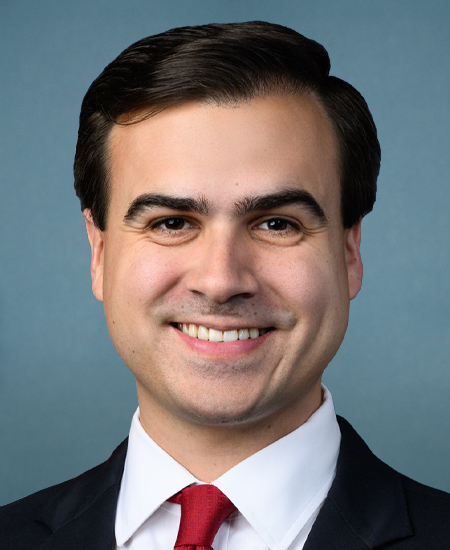
Clay Fuller
Clay Fuller House · District 14
R
Strong +
87% 46
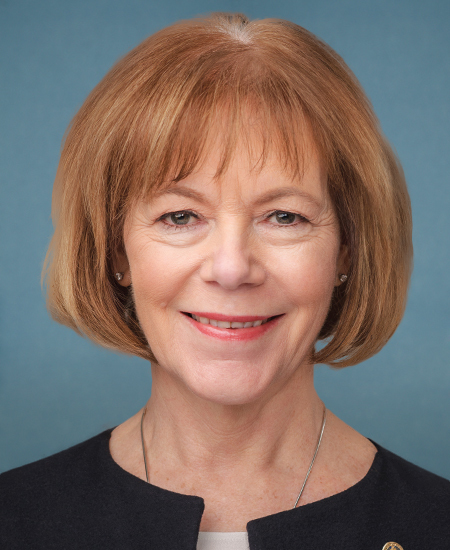
Tina Smith
Tina Smith Senate
D
Strong +
83% 77
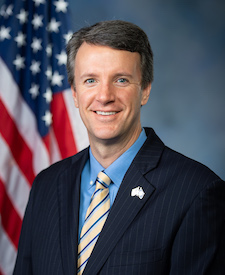
Andrew Ogles
Andrew Ogles House · District 5
R
Strong +
83% 65
Aaron Bean
Aaron Bean House · District 4
R
Strong +
83% 69
Ben Cline
Ben Cline House · District 6
R
Strong +
83% 69
Eleanor Holmes Norton
Eleanor Holmes Norton House · District At-Large
D
Strong −
0% 26
Pablo José Hernández
Pablo José Hernández House · District At-Large
D
Strong −
7% 28
Analilia Mejia
Analilia Mejia House · District 11
D
Strong −
13% 45
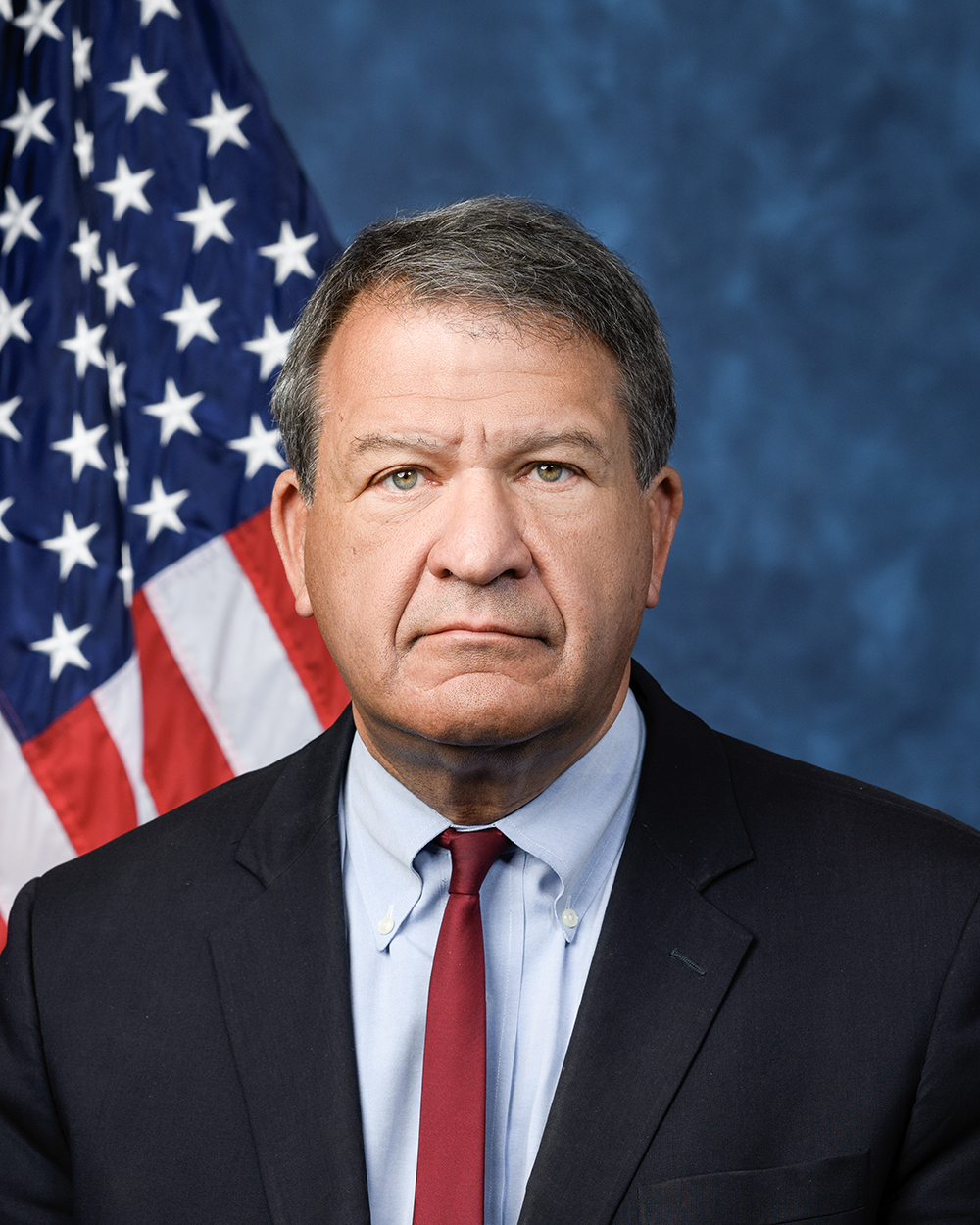
George Latimer
George Latimer House · District 16
D
Strong −
13% 67
Gregory W. Meeks
Gregory W. Meeks House · District 5
D
Strong −
14% 66
Showing 1,831–1,840 of 2,411 bills

All budget & taxes bills

in committee · United States · Senate Jun 12, 2025

S 2047: No Capital Gains Allowance for American Adversaries Act

This bill changes U.S. tax rules for investments tied to specific countries. It treats gains from selling stocks or assets in companies from "countries of concern" (China, Russia, Belarus, Iran, North Korea) as ordinary income - not capital gains - starting in 2026. The Securities and Exchange Commission must create a public list of affected securities and require sellers to notify buyers about the tax treatment. It also extends this rule to dividends and inherited property from these countries. This directly impacts U.S. investors holding assets in companies linked to the listed nations.
in committee · United States · Senate Oct 1, 2025

S 2965: No Argentina Bailout Act

This bill prohibits the U.S. Treasury's Exchange Stabilization Fund from providing financial support to Argentina's government or financial markets. It specifically blocks the use of the fund for currency swaps, purchasing Argentine debt, or any credit instruments intended to bail out Argentina. The restriction applies until December 10, 2027, and requires any existing contracts violating this rule to be terminated within seven days of the bill's enactment. The law directly affects the Treasury Department's use of its financial tools, not Argentina itself.
Sub-Topics Procurement
in committee · United States · Senate Jun 30, 2025

S 2207: A bill to amend the Internal Revenue Code of 1986 to reform the treatment of digital assets.

S 2207 defines digital assets for tax purposes and creates a de minimis rule allowing taxpayers to exclude small gains or losses from digital asset transactions (under $300 per transaction, with a $5,000 annual limit). The bill amends tax treatment for digital asset lending agreements, wash sales (with specific exceptions for payment stablecoins), and creates a mark-to-market election for dealers and traders in digital assets. It also defers income recognition for digital asset mining and staking activities until the assets are sold, and allows charitable contributions of actively traded digital assets. These provisions apply to taxable years beginning after 2025 and will terminate after December 31, 2035.
in committee · United States · Senate Jun 23, 2025

S 2142: GOLDEN DOME Act of 2025

The GOLDEN DOME Act of 2025 establishes a comprehensive missile defense architecture to protect the United States homeland from ballistic, hypersonic, cruise, and unmanned system threats. It creates a "Golden Dome Direct Report Program Manager" with significant authority to accelerate development and deployment of integrated air and missile defense systems, including space-based sensors, interceptors, and ground-based radars. The legislation allocates $23 billion for fiscal year 2026 to fund next-generation interceptors, space sensors, radar modernization, and other critical components of the defense system. It requires rapid testing of systems, prioritizes commercial solutions for cost efficiency, and mandates that combatant commands include missile defense requirements in annual budget requests. The Act focuses on creating all-domain awareness from the seafloor to space to provide early warning and effective defense against evolving missile threats.
in committee · United States · Senate Mar 13, 2025

S 1046: No Tax On Overtime Act of 2025

S 1046, the "No Tax On Overtime Act of 2025," would exclude overtime pay earned under the Fair Labor Standards Act (FLSA) from taxable gross income. This directly affects hourly workers who receive legally required overtime compensation (typically 1.5 times regular pay for hours over 40 per week). The bill amends the tax code to add a new provision stating that such overtime pay is not included when calculating federal income tax liability. The change would take effect for overtime pay received after the bill's enactment date.
in committee · United States · House Mar 21, 2025

HR 2266: RETIREES FIRST Act

This bill raises the income threshold at which Social Security benefits become taxable for retirees. It increases the base amount from $32,000 to $34,000 for single filers (and $68,000 for joint filers), with annual inflation adjustments starting in 2026. Retirees with combined income below these new thresholds will no longer have 85% of their Social Security benefits included in taxable income. The bill funds this tax relief by reallocating non-security discretionary spending, excluding security-related appropriations, and requires annual reports on these reallocations. The changes apply to taxable years beginning after December 31, 2025.
Sub-Topics Government Spending
in committee · United States · Senate May 14, 2025

S 1753: End Price Gouging for Medications Act

This bill sets annual reference prices for prescription drugs based on the lowest prices in specific countries (like Canada, UK, and Germany), preventing manufacturers from charging more than this price for drugs covered under major federal health programs. It directly affects Medicare, Medicaid, VA care, TRICARE, and other federal health programs by capping drug costs at the reference price. Manufacturers must sell drugs at or below this reference price to all patients, including those without insurance, with civil penalties of up to five times the revenue difference for non-compliance. Collected penalties fund drug research through the National Institutes of Health.
in committee · United States · Senate Jun 4, 2025

S 1938: A bill to amend the Internal Revenue Code of 1986 to modify the cover over of certain distilled spirits taxes.

This bill modifies U.S. tax rules for distilled spirits, specifically affecting Puerto Rico. It repeals a previous restriction on redirecting taxes collected from rum imported into the U.S. back to Puerto Rico, and requires Puerto Rico to transfer a portion of those rum tax revenues to the Puerto Rico Conservation Trust Fund. The transfer amount equals at least 1/6 of the difference between $10.50 per proof gallon and the actual tax rate (capped at $13.25 per gallon). The fund, established in 1968, uses these funds for conservation efforts like protecting natural areas and restoring habitats in Puerto Rico.
Sub-Topics Conservation
in committee · United States · Senate Jan 9, 2025

S 46: Health Care Affordability Act of 2025

This bill adjusts tax credit rules for health insurance under the Affordable Care Act to make coverage more affordable for lower-income households. It replaces a flat income threshold with a sliding scale, reducing the percentage of income people pay for premiums based on their household income relative to the poverty line (e.g., 0% for incomes up to 150% of poverty, rising to 8.5% at 400%+). The change directly affects individuals buying insurance through health insurance marketplaces who qualify for tax credits. It takes effect for tax years beginning after 2025, modifying how the IRS calculates subsidy eligibility.
Sub-Topics Tax Credits Insurance
in committee · United States · House Jun 12, 2025

HR 3932: Rural Upgrades for Road Access and Local Growth Act of 2025

HR 3932 (Rural Upgrades for Road Access and Local Growth Act of 2025) reserves 30% of surface transportation grant funds annually for mid-sized rural communities (10,000-75,000 residents), ensuring dedicated funding regardless of urban status. It also accelerates the grant approval process by reducing processing timelines from 60 days to 3 days for applications and decisions. This directly affects rural counties and towns in the specified population range, as well as the Transportation Department managing the program. The bill makes concrete changes to fund allocation and administrative speed, aiming to improve road access in underserved rural areas.
Sub-Topics Airports Roads & Highways Transportation Funding Tags Rural Communities
Showing 1,831 to 1,840 of 2,411 bills