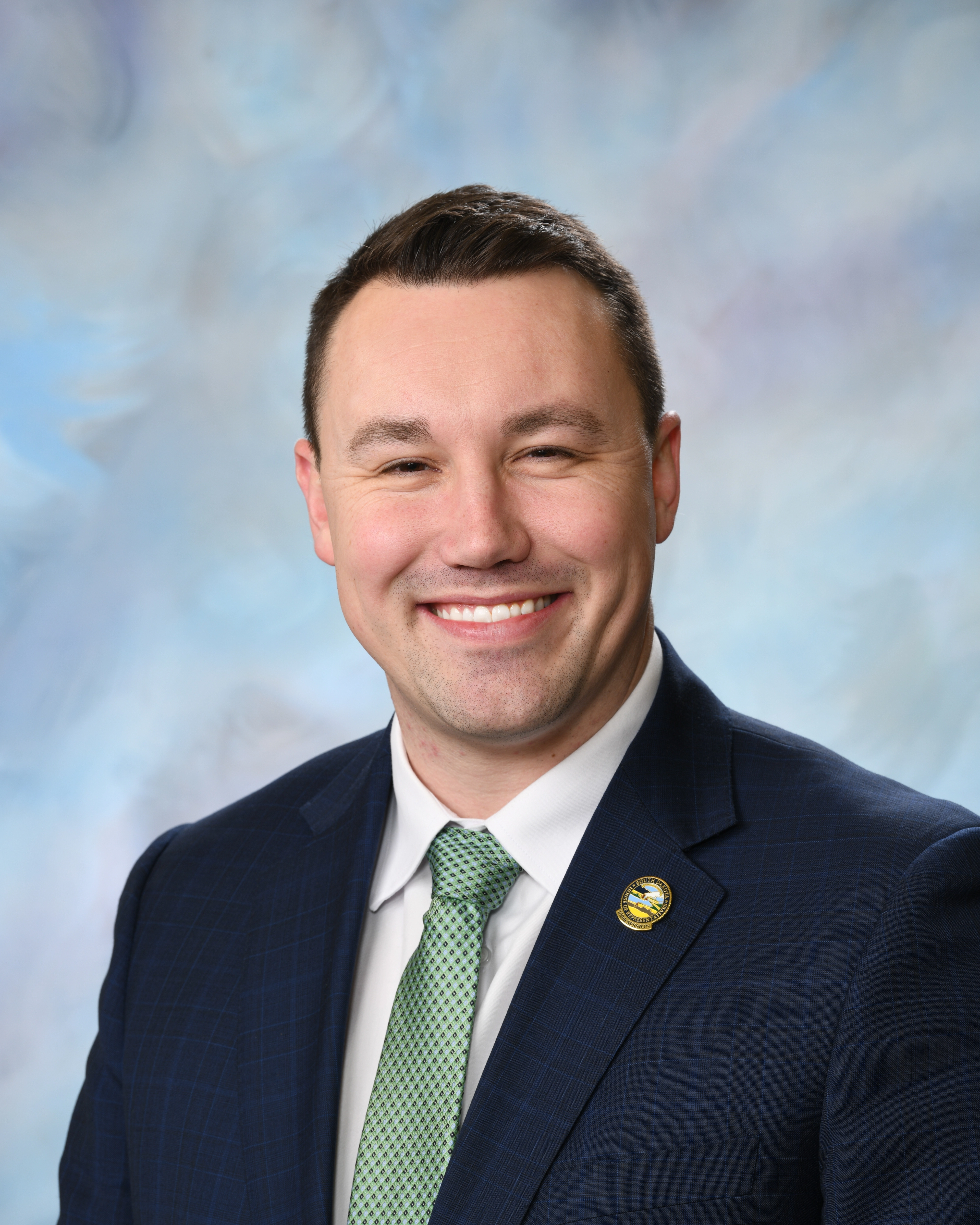
Key legislators
Who's moving courts in South Dakota
Showing 11–14 of 14
bills
All criminal justice bills
SB 44 allows South Dakota's Attorney General to obtain business records from internet and telecom providers during criminal investigations of internet crimes against children or human trafficking. It requires judicial approval based on "reasonable cause" before issuing subpoenas for specific records like IP addresses, account details, and device information. Hughes County judges have statewide authority to approve these subpoenas, which cannot notify account holders, and obtained records must be used solely for law enforcement with privacy safeguards. The bill directly affects providers (including internet and telecom companies) by mandating compliance with court-ordered requests for targeted data.
HB 1015 creates a two-year pilot program (ending December 31, 2027) in South Dakota's Unified Judicial System allowing judges to supervise defendants charged with misdemeanors or felonies instead of requiring jail time before trial. Judges may impose release conditions through presentence court services officers, following existing legal standards. The program requires the judicial system to report detailed results by December 2027, including defendant appearance rates, new charges, missed court dates, and program costs. This directly affects defendants facing misdemeanor or felony charges who qualify for supervised pretrial release under the pilot.
SB 140 requires South Dakota correctional facilities to deposit 25% of inmate earnings from prison work into a personal savings account. This savings account cannot be used to pay court fines, fees, or other debts owed by the inmate. Upon release (via parole, suspended sentence, or discharge), the inmate receives the full balance of this savings account. Additionally, any interest earned on these savings must be deposited into the state's crime victims' compensation fund. The bill directly affects incarcerated individuals working in state prisons and modifies how their earnings are handled.
SB 179 allows South Dakota courts to commit juveniles adjudicated delinquent for specific weapons offenses to the Department of Corrections, but only under strict conditions. It applies when no other viable alternative exists, corrections is the least restrictive option, and the juvenile was convicted of certain weapons offenses (like those under §22-14-5, 22-14-7, 22-14-20, or 23-7-44). The court must also find the juvenile poses a significant risk of physical harm, has prior adjudications for separate offenses, or meets specific high-risk re-offense criteria. This change modifies existing juvenile disposition options under §26-8C-7, adding a limited pathway to corrections for serious weapons cases. It directly affects juveniles convicted of these specific weapons offenses who meet all the enumerated conditions.