Issue · Budget & Taxes

Budget & Taxes

Every budget & taxes bill, vote, and legislator stance in South Dakota, automatically classified by Maddy, our AI policy reader.

Total bills
141
2026 Regular Session
Top supporter
Peri Pourier
91% support rate
Top opponent
Tina Mulally
19% support rate
Ranked legislators
10
5 support · 5 oppose
Key legislators

Who's moving budget & taxes in South Dakota

Legislators moving budget & taxes in South Dakota
Legislator Party Stance Support rate Votes
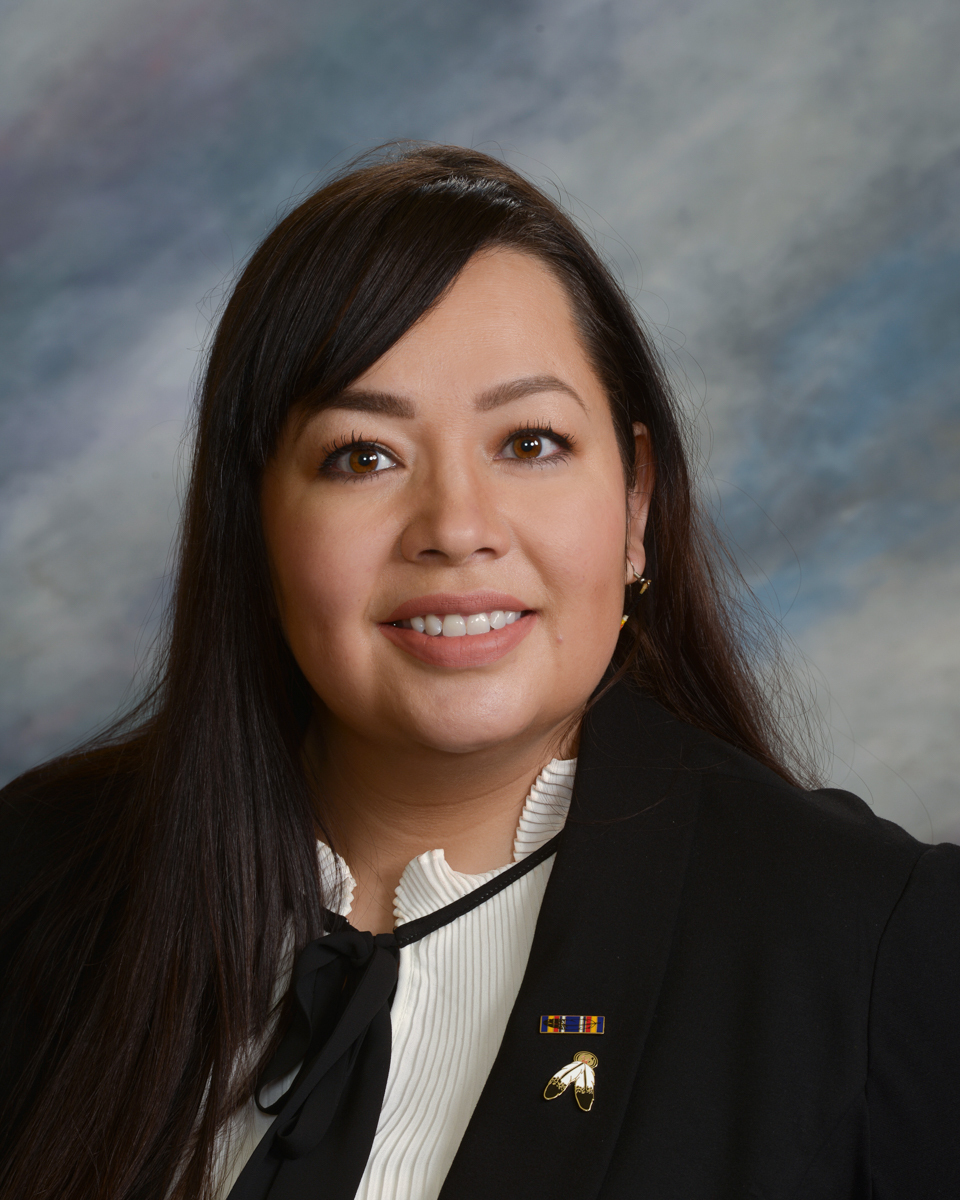
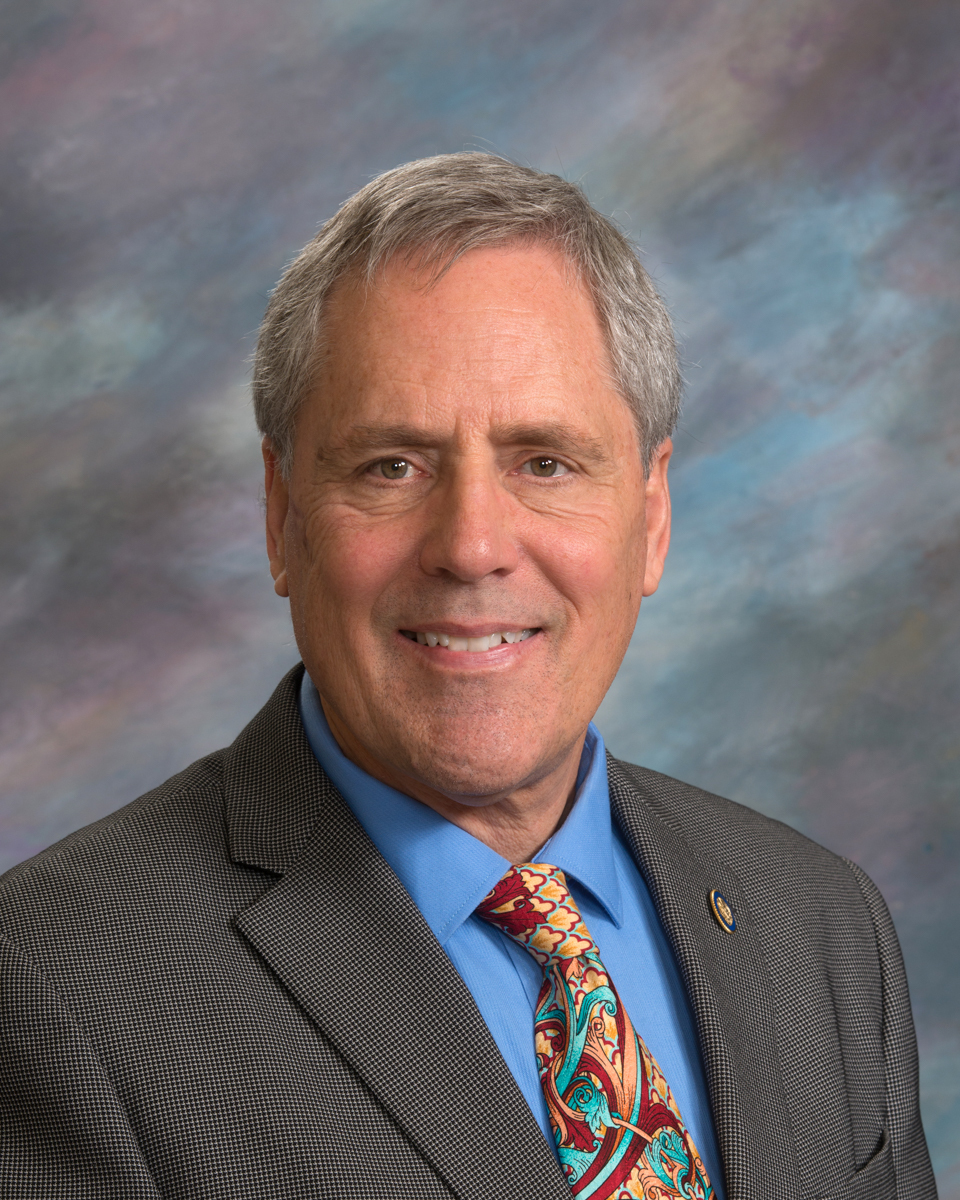
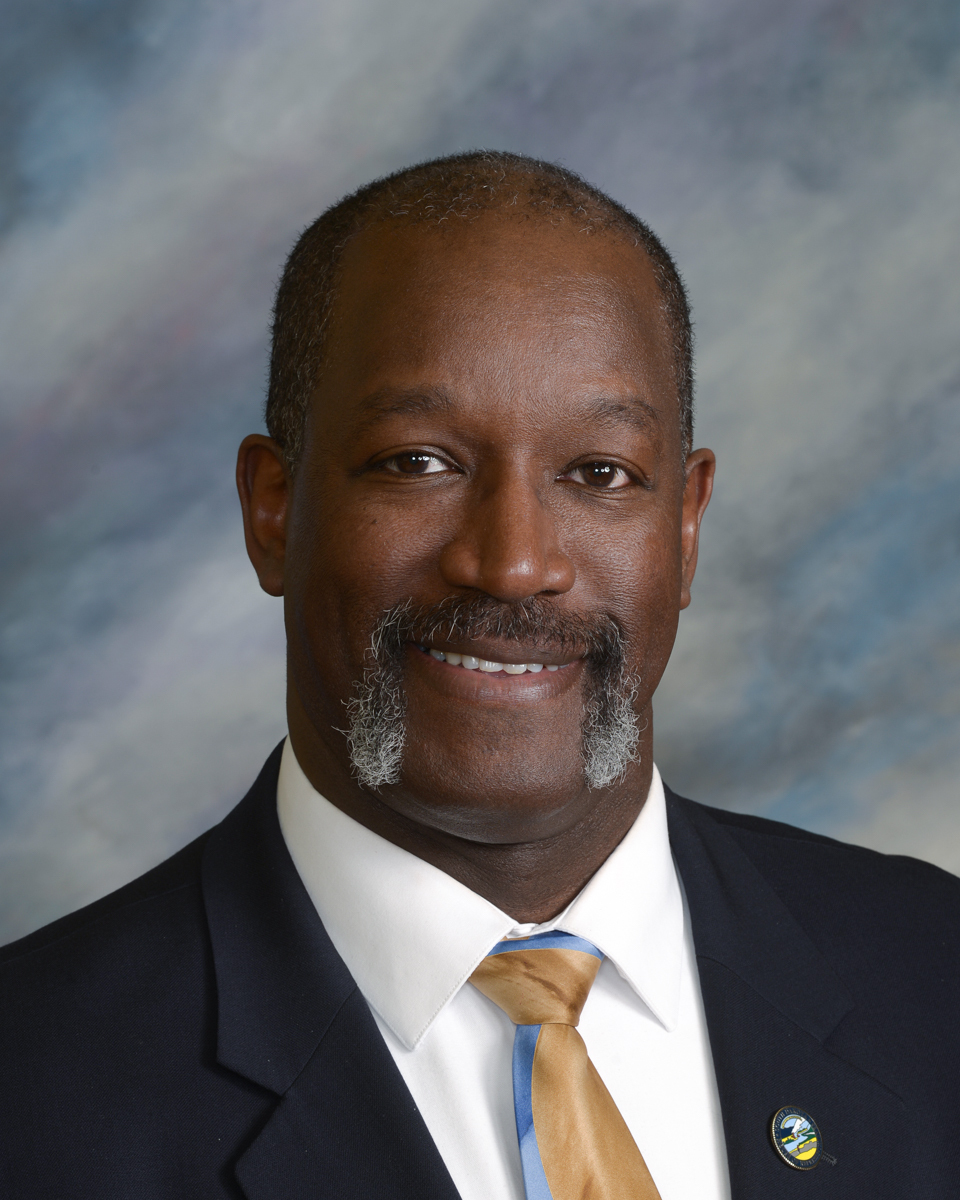
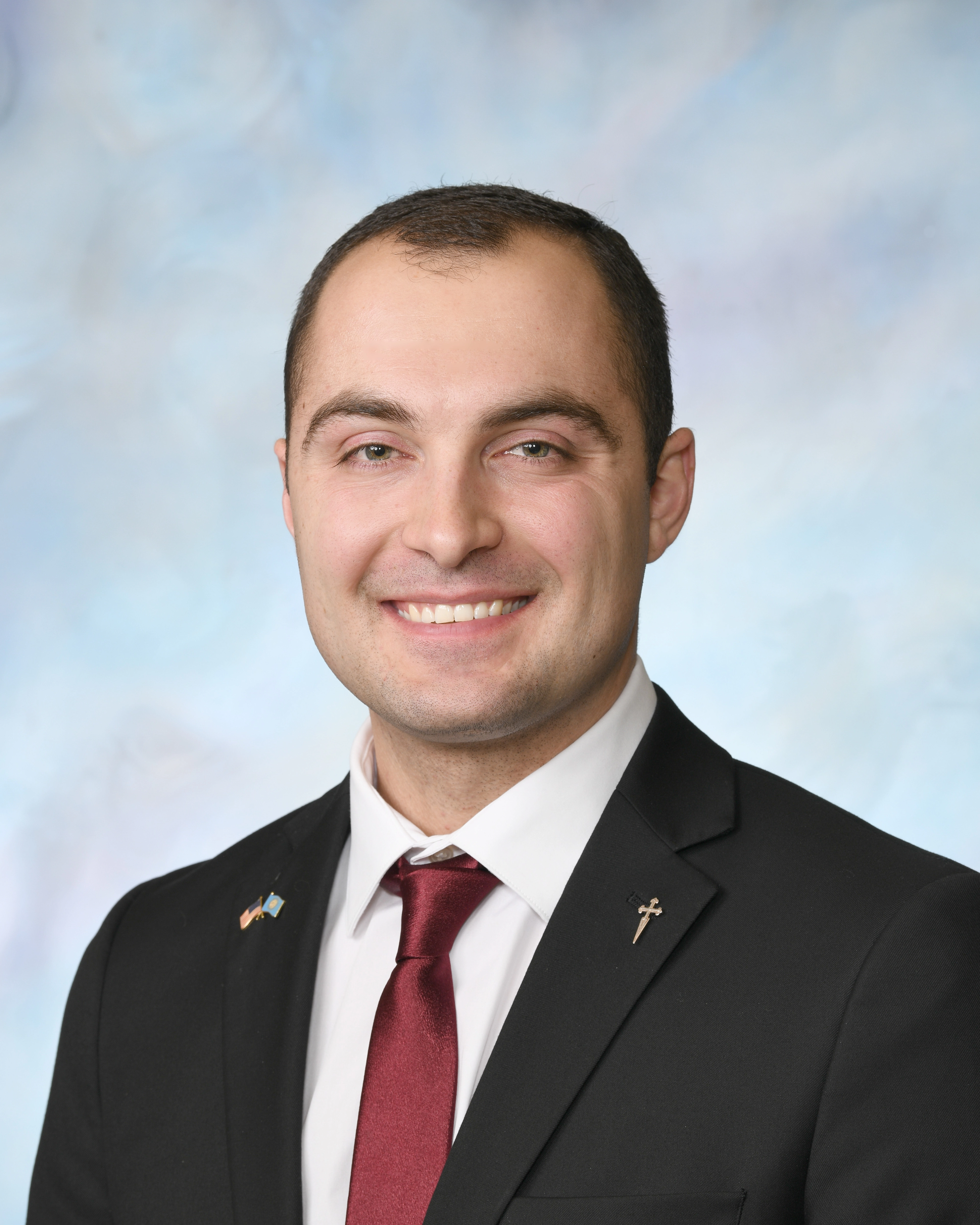
Peri Pourier
Peri Pourier House · District 27
R
Strong +
91% 74
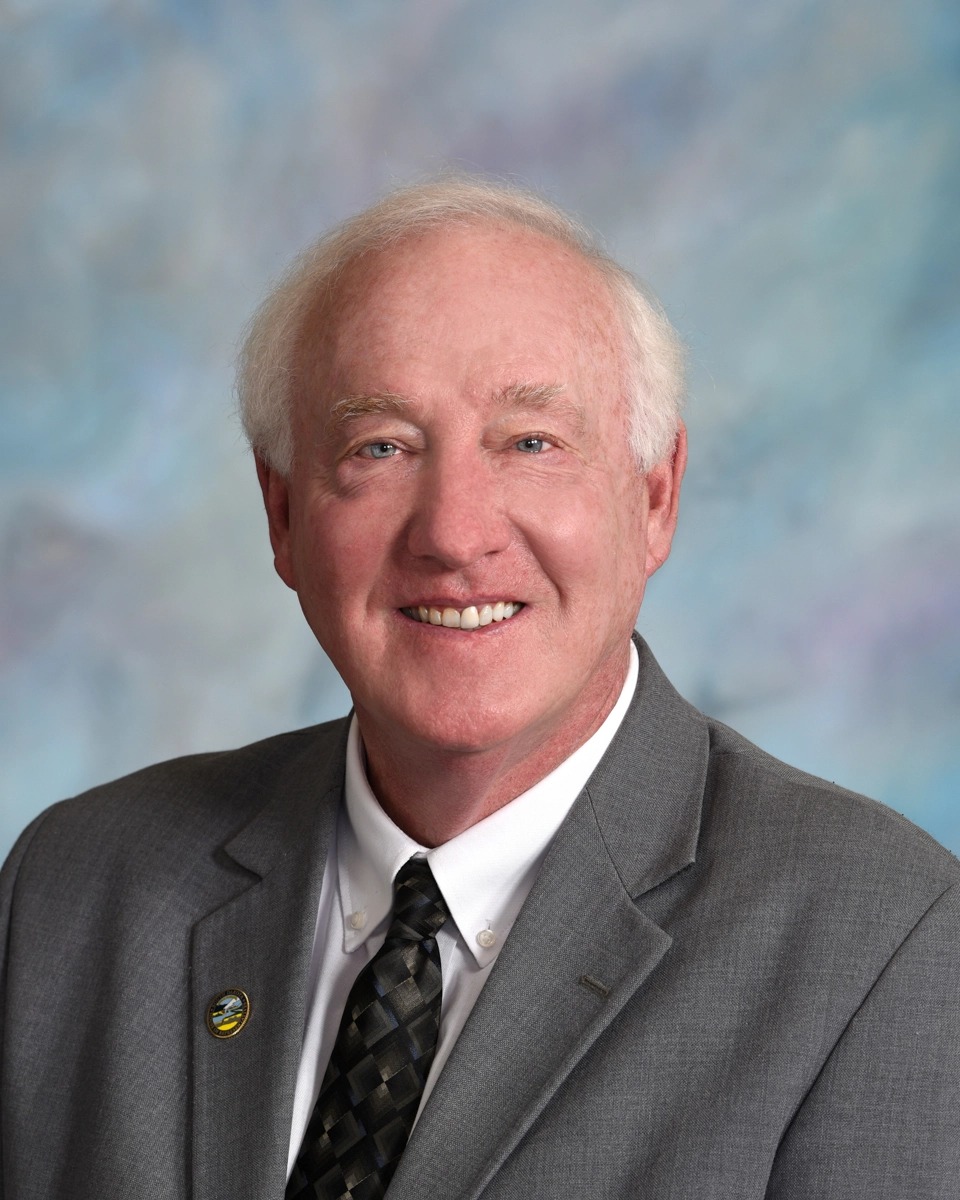
Trish Ladner
Trish Ladner House · District 30
R
Strong +
90% 67
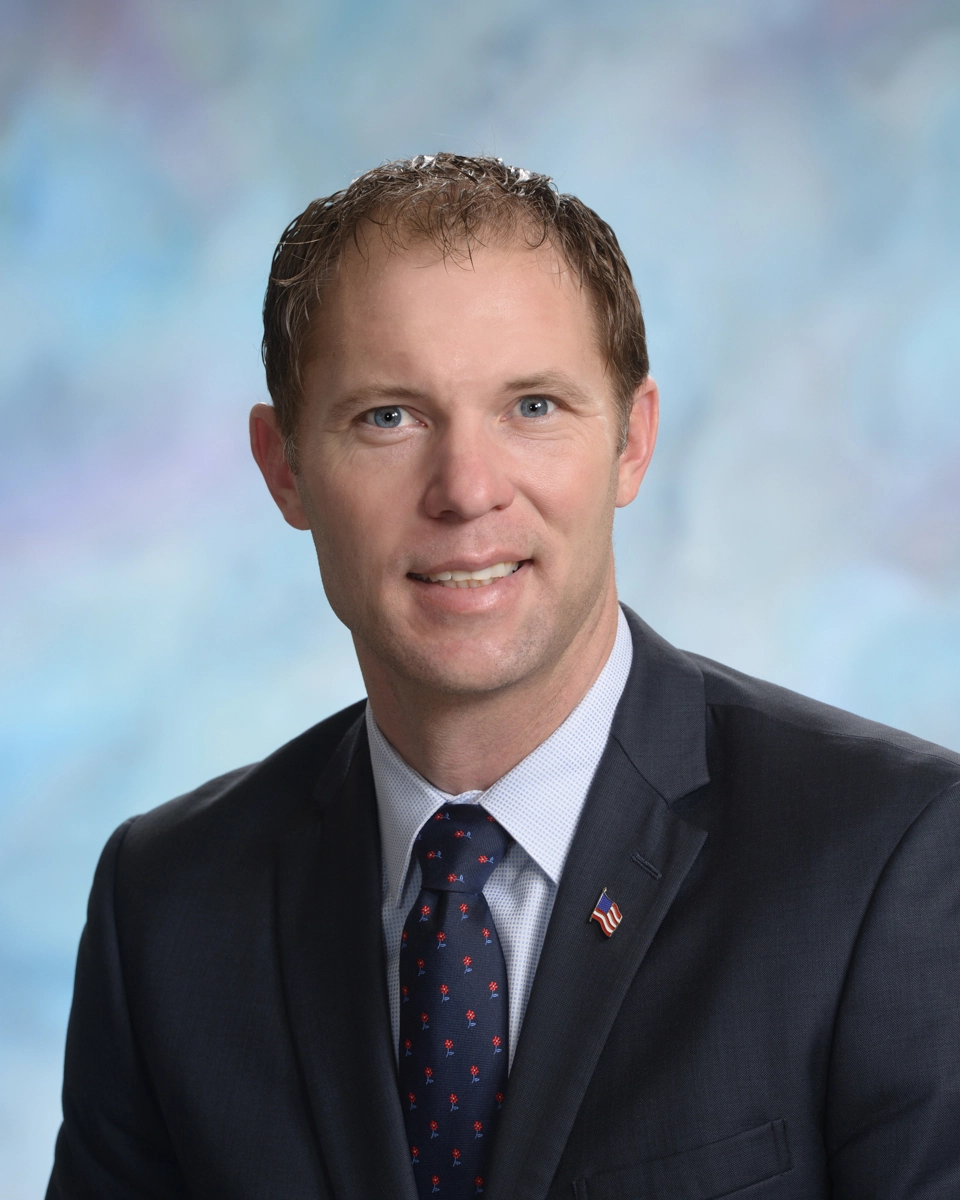
Mike Derby
Mike Derby House · District 34
R
Strong +
88% 94
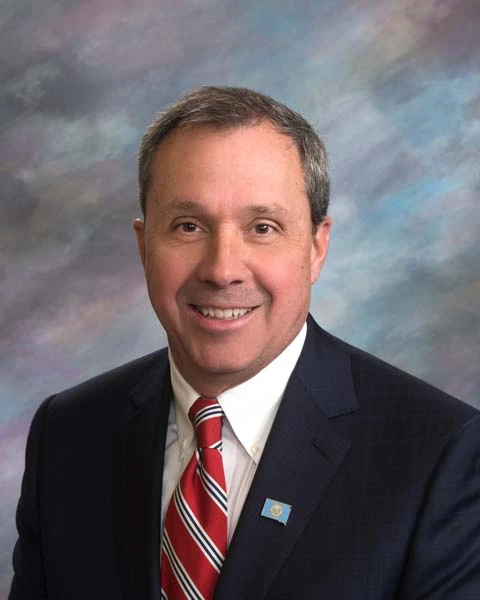
Chris Kassin
Chris Kassin House · District 17
R
Strong +
88% 94
Greg Jamison
Greg Jamison House · District 12
R
Strong +
87% 83
Tina Mulally
Tina Mulally House · District 35
R
Strong −
19% 67
Phil Jensen
Phil Jensen House · District 33
R
Strong −
20% 86
Tony Randolph
Tony Randolph House · District 35
R
Oppose
27% 87
Dylan Jordan
Dylan Jordan House · District 4
R
Oppose
30% 83
Logan Manhart
Logan Manhart House · District 1
R
Oppose
35% 84
Showing 91–100 of 141 bills

All budget & taxes bills

signed · South Dakota · Senate Feb 25, 2026

SB 67: make an appropriation for costs related to emergencies and disasters impacting the state and to declare an emergency.

SB 67 appropriates $4,205,497 from the general fund to a special emergency and disaster fund for costs related to emergencies or disasters impacting South Dakota, as defined by existing law. The bill directs the Department of Public Safety Secretary to approve payments and the state auditor to issue warrants for these expenses. It also declares an immediate state emergency to authorize the spending, effective upon passage. The funding directly supports state agencies managing disaster-related costs, with no new policy provisions beyond the financial allocation.
Sub-Topics Appropriations Audits & Accountability State Budget Tags Emergency Management
in committee · South Dakota · House Feb 19, 2026

HB 1072: provide an appropriation for a payment for state employee salaries.

HB 1072 allocates $20.6 million in state and federal funds to provide South Dakota state employees with a payment equal to 1.5% of their January 1, 2026 salary. Starting July 1, 2026, each active state employee as of that date will receive this amount monthly in 12 equal installments. The payment applies only to employees still working at the time of each monthly disbursement, meaning no payments are made to those who left state employment before a payment date. The funds must be expended by June 30, 2027, with unused amounts reverting to the state.
signed · South Dakota · Senate Mar 30, 2026

SB 136: make an appropriation for grants to support the purchase of personal protective equipment by volunteer fire departments and to declare an emergency.

This bill appropriates $5 million from the general fund to provide grants for volunteer fire departments in South Dakota to purchase safety gear (like helmets and suits) for their firefighters. It specifically targets departments where at least 70% of firefighters volunteer, prioritizing those with the greatest equipment needs. The Department of Public Safety will distribute funds based on application timing and need, with unspent funds reverting by June 2030. An emergency declaration allows the funding to take effect immediately upon passage.
Sub-Topics Appropriations State Budget Tags Public Safety
passed · South Dakota · Senate Jan 15, 2026

SCR 601: encouraging honest economic development rooted in the republican principles of limited government, deregulation, and organic entrepreneurial growth.

SCR 601 is a symbolic Senate Concurrent Resolution (not a binding law) introduced by Senator Carley. It urges South Dakota to pursue economic policies aligned with "free market principles," emphasizing limited government, deregulation, and low taxes over tax incentives or subsidies for businesses. The resolution argues that government should only protect rights and avoid competing with private enterprise, instead focusing on "organic entrepreneurial growth." It directly affects state legislative and executive policy development by advocating for a specific philosophical approach to economic growth.
Tags Economic Development
passed both · South Dakota · Senate Mar 4, 2026

SB 125: establish the homeowner tax reduction fund.

SB 125 creates a state fund to provide property tax rebates for owner-occupied single-family homes in South Dakota. The Department of Revenue will calculate annual rebates using a formula: multiplying $2 by the number of eligible homeowners, subtracting that from the fund's total, and dividing by the number of homeowners. Rebates are capped at either this calculated amount or the portion of property taxes exceeding $250 per home. The fund cannot be diverted to the general state budget, and any unused funds must stay in the fund or cover administrative costs. This directly affects homeowners who live in single-family residences and pay property taxes.
passed · South Dakota · Senate Feb 24, 2026

SB 118: deposit certain tax revenues into a homeowner tax reduction fund.

SB 118 creates a "homeowner tax reduction fund" in South Dakota's state treasury. Each year by January 31st, the treasurer must deposit either $100 million or 0.3% of revenues collected from specific property taxes (chapters 10-45, 10-46, 10-46E, 10-58, and § 32-5B-20) into this fund. The Department of Revenue will use these funds to provide property tax rebates for owner-occupied single-family homes, with money in the fund not allowed to transfer to the general fund and requiring annual budgeting through the general appropriation bill. The bill takes effect July 1, 2027.
signed · South Dakota · House Mar 30, 2026

HB 1245: authorize municipalities to establish a local funding mechanism for capital improvement projects.

HB 1245 allows South Dakota municipalities to create a local tax (up to 1% on taxable sales) to fund capital projects like infrastructure repairs, equipment purchases, or building renovations. To implement this, a municipality must form a Capital Improvement Board (with 1 elected official and 4 residents) to review proposals, secure board approval, and then hold a voter referendum requiring 60% support. All tax revenue must be placed in a special fund dedicated exclusively to approved capital projects, with the tax expiring after 60 months or once the targeted revenue amount is met. Municipalities cannot use this tax if they’ve imposed it within the previous 24 months.
Sub-Topics Revenue Sales Tax
signed · South Dakota · House Feb 17, 2026

HB 1088: remove the requirement that counties remit to municipalities an amount equal to the road levy for calendar years 1984, 1985, and 1986.

HB 1088 removes a requirement that South Dakota counties must remit funds to municipalities equal to the road levy amounts distributed to those municipalities for calendar years 1984, 1985, and 1986. This specifically targets a provision in existing law that mandated counties pay municipalities a share of road tax revenue from those three years. The bill repeals Section 10-12-32.1, which previously established that municipalities incorporated after January 1, 1984, were entitled to 25% of county road funds for those historical years. This change eliminates a longstanding financial obligation between counties and municipalities for a specific historical period.
Sub-Topics Revenue
signed · South Dakota · Senate Mar 4, 2026

SB 21: modify tax refunds for elderly persons and persons with a disability.

SB 21 adjusts South Dakota's retail sales tax refund program for low-income residents. It sets specific income thresholds ($17,215 for single-person households, $23,265 for larger households) and calculates refunds as $258 for eligible singles under the limit, up to $581 for larger households. The bill ensures these refunds remain available even if a recipient also receives property tax relief under separate programs. It directly affects elderly residents and people with disabilities who meet the income criteria under existing state law.
Sub-Topics Property Tax Sales Tax
died · South Dakota · Senate Feb 12, 2026

SB 178: lower a maximum limit on the tax increment base value.

SB 178 would lower the maximum percentage of a political subdivision's total assessed property value that can be allocated to tax increment financing (TIF) districts. Currently, South Dakota law limits this to 12.5%, but the bill would reduce that cap to a lower percentage. This change directly affects cities, towns, and counties that create TIF districts to fund economic development projects. The bill does not specify the new percentage but would restrict how much property value can be used for TIF initiatives within any given area.
Showing 91 to 100 of 141 bills
Previous 1 9 10 11 15 Next