Issue · Budget & Taxes

Budget & Taxes

Every budget & taxes bill, vote, and legislator stance in South Dakota, automatically classified by Maddy, our AI policy reader.

Total bills
141
2026 Regular Session
Top supporter
Peri Pourier
91% support rate
Top opponent
Tina Mulally
19% support rate
Ranked legislators
10
5 support · 5 oppose
Key legislators

Who's moving budget & taxes in South Dakota

Legislators moving budget & taxes in South Dakota
Legislator Party Stance Support rate Votes
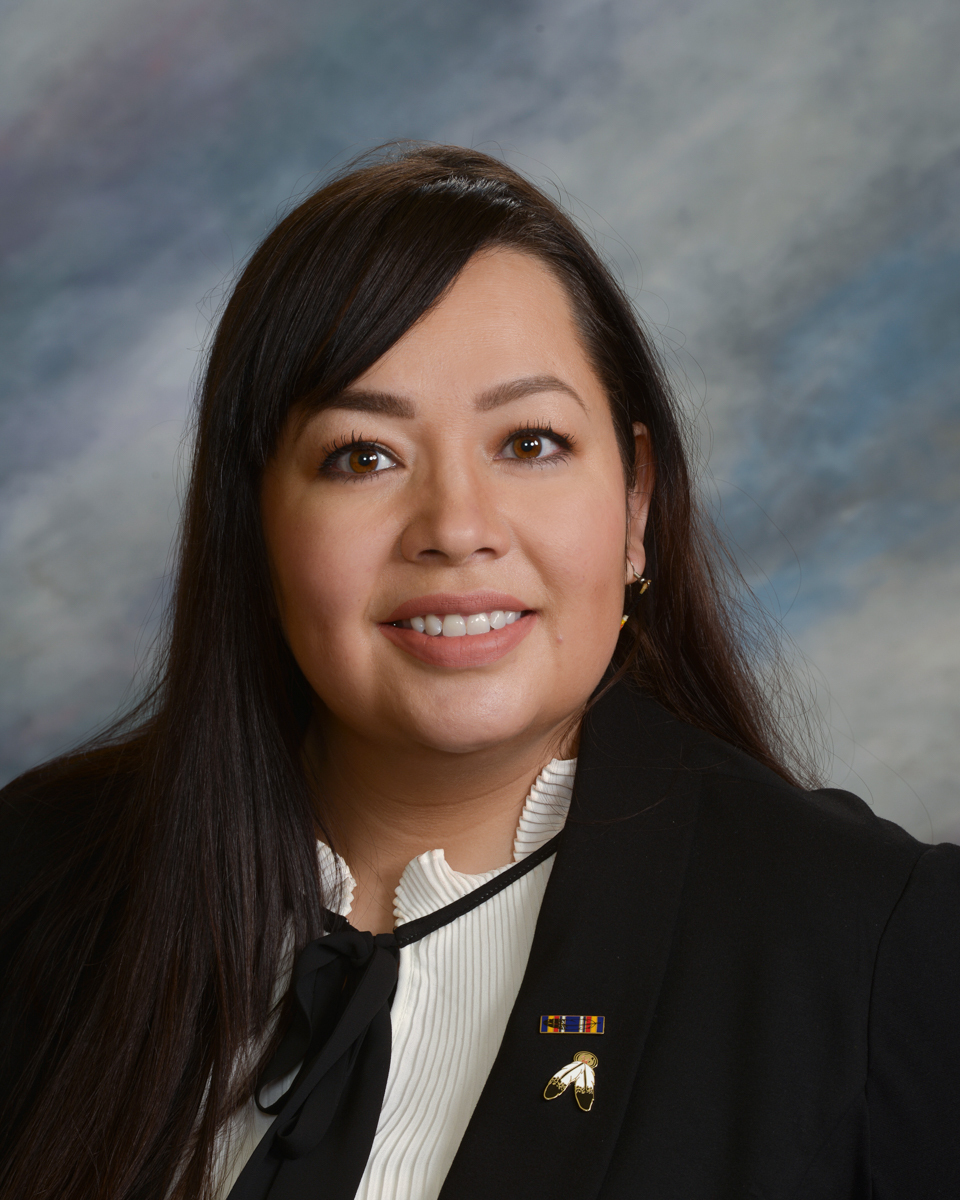
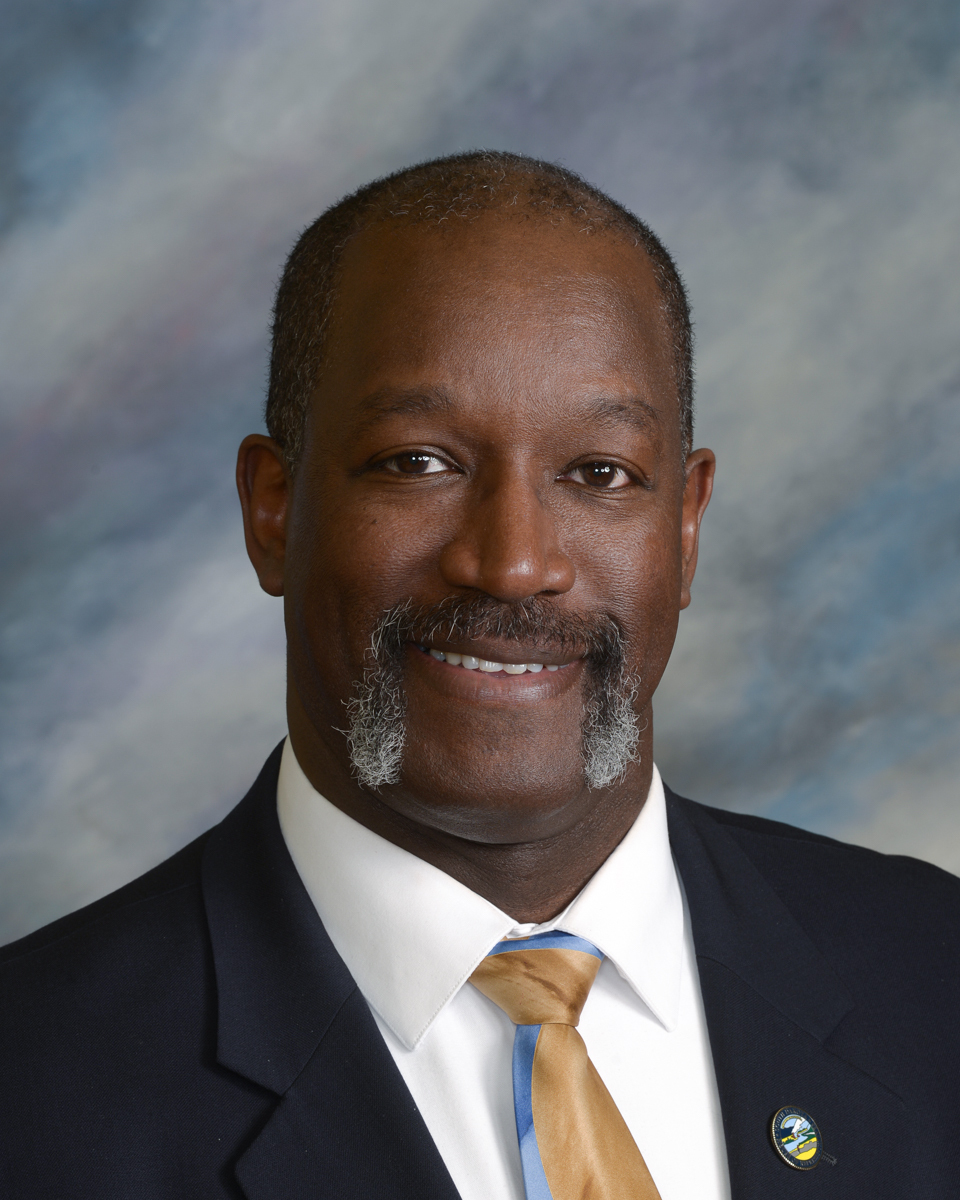
Peri Pourier
Peri Pourier House · District 27
R
Strong +
91% 74
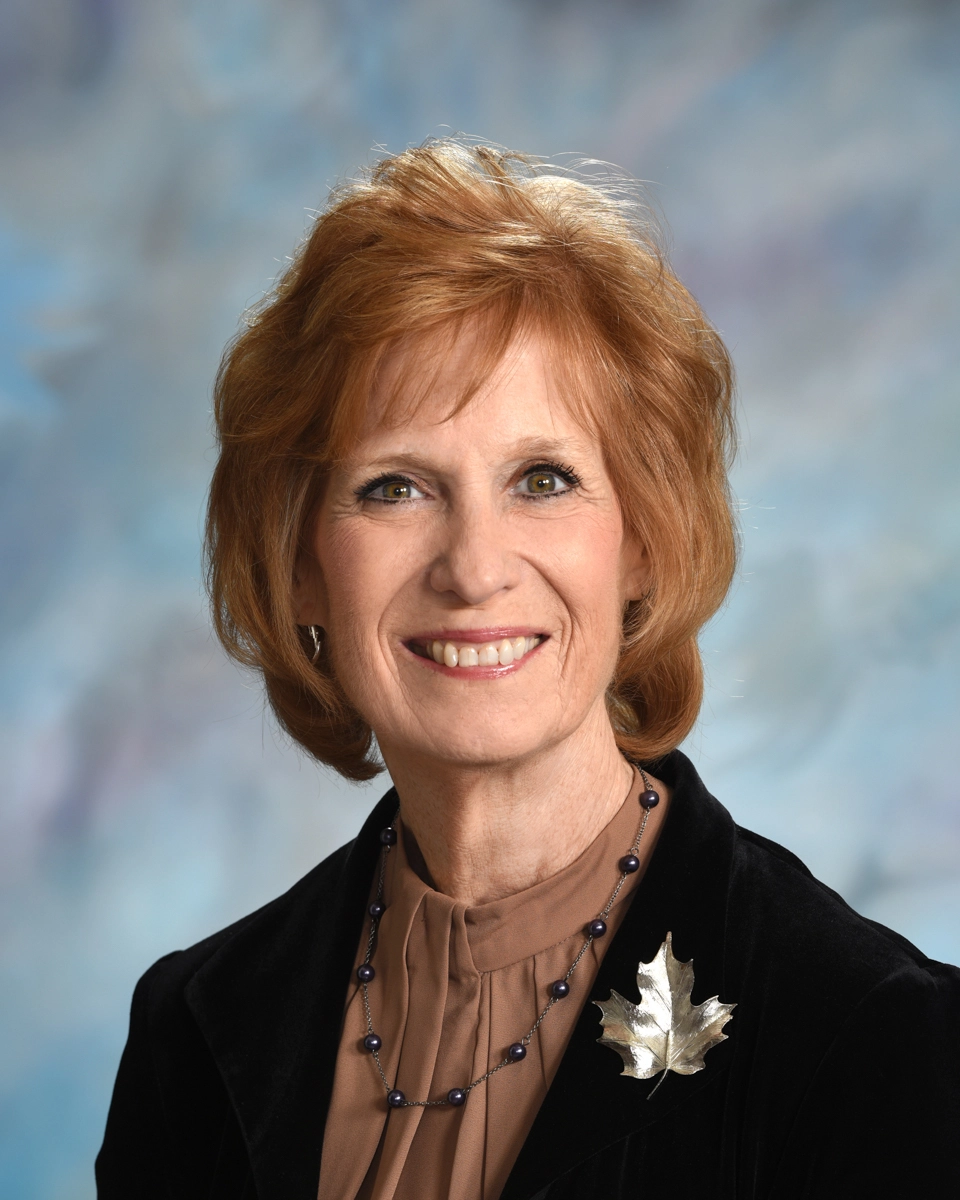
Trish Ladner
Trish Ladner House · District 30
R
Strong +
90% 67
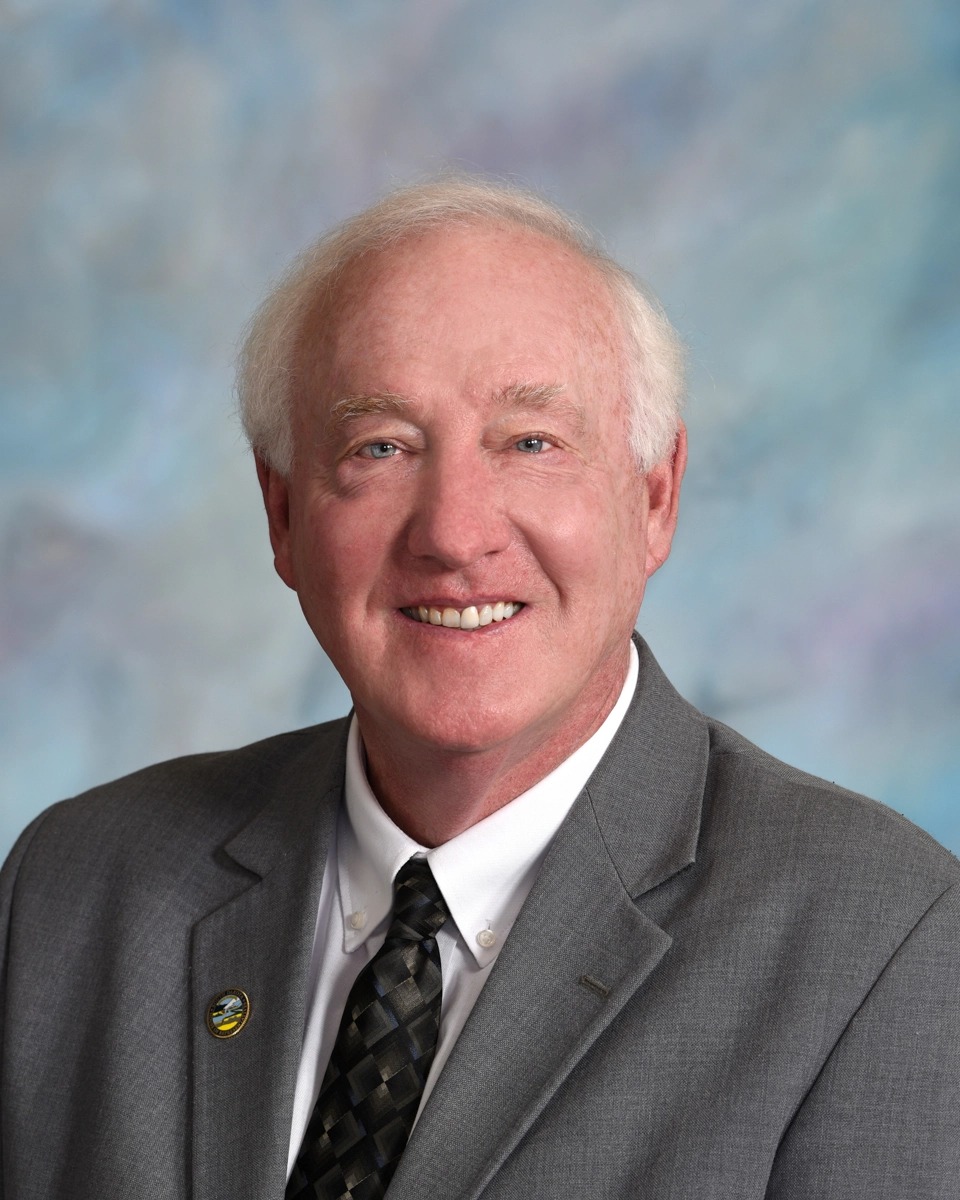
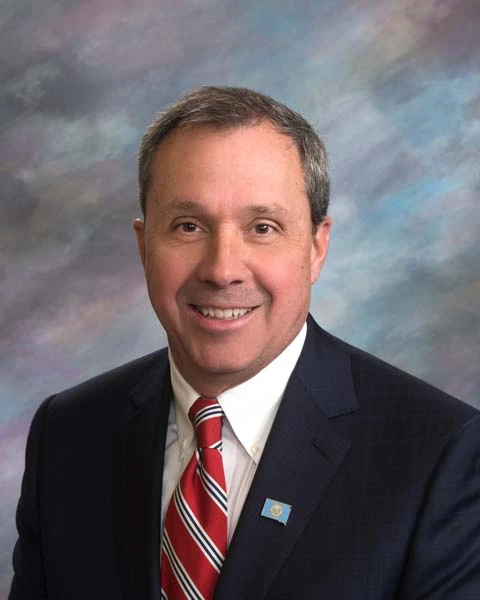
Mike Derby
Mike Derby House · District 34
R
Strong +
88% 94
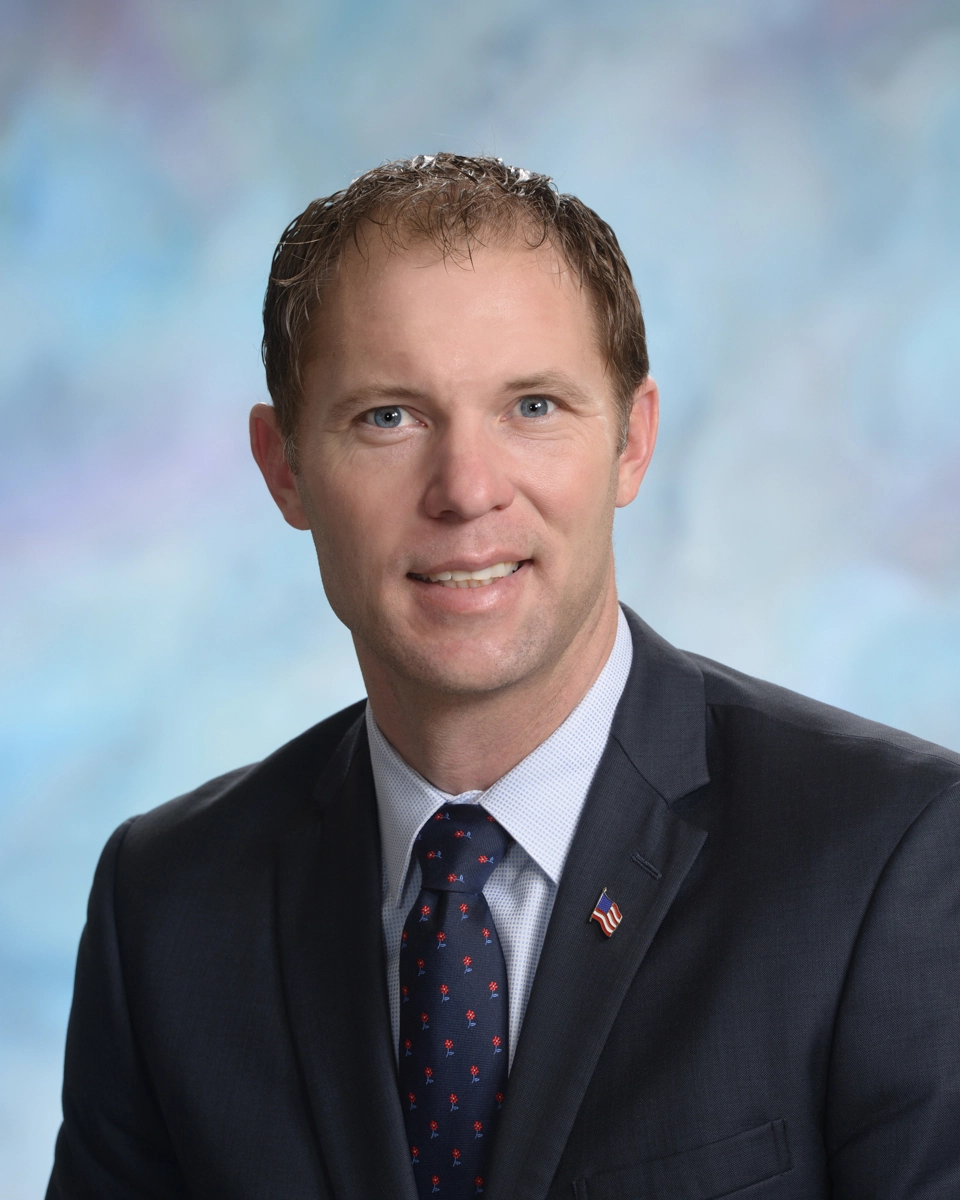
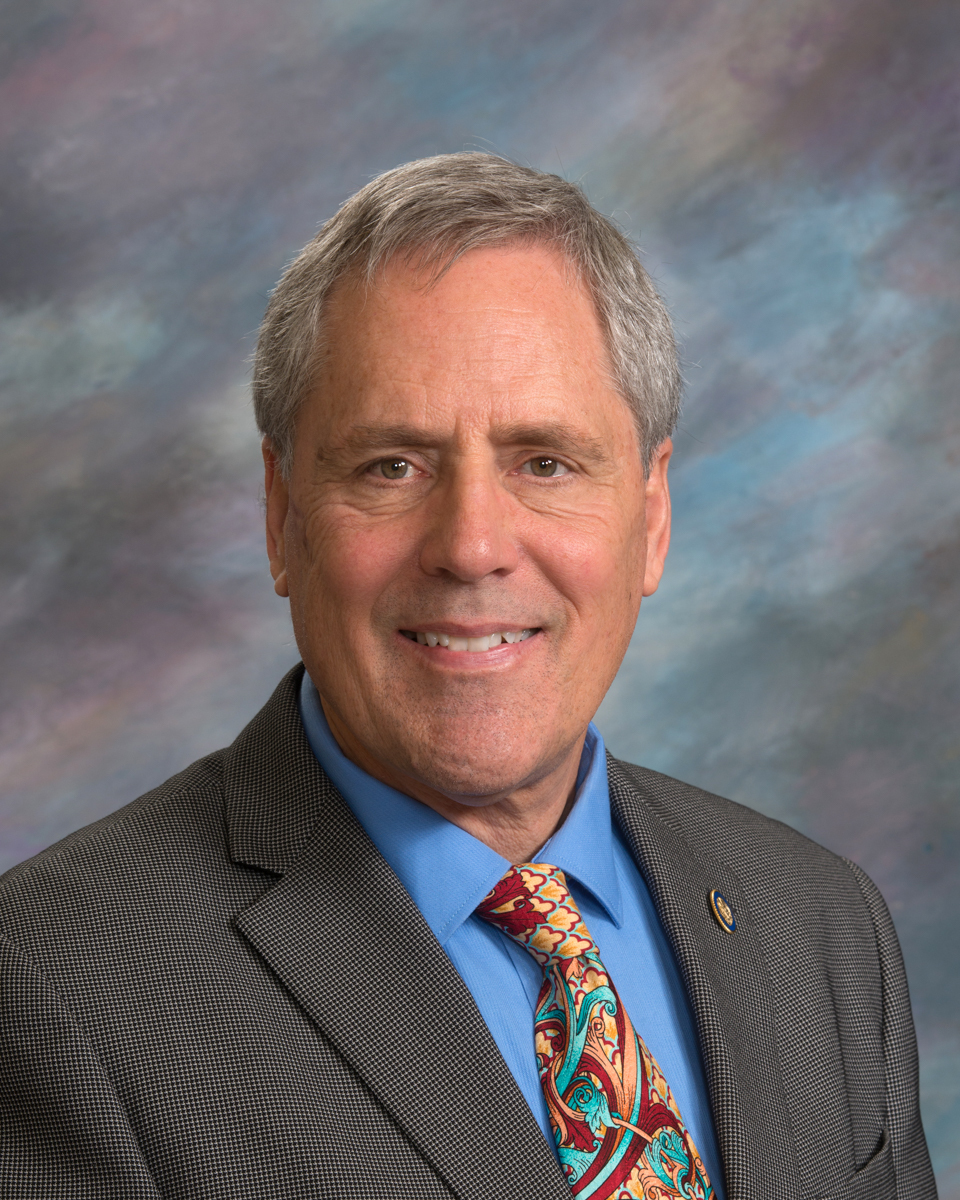
Chris Kassin
Chris Kassin House · District 17
R
Strong +
88% 94
Greg Jamison
Greg Jamison House · District 12
R
Strong +
87% 83
Tina Mulally
Tina Mulally House · District 35
R
Strong −
19% 67
Phil Jensen
Phil Jensen House · District 33
R
Strong −
20% 86
Tony Randolph
Tony Randolph House · District 35
R
Oppose
27% 87
Dylan Jordan
Dylan Jordan House · District 4
R
Oppose
30% 83
Logan Manhart
Logan Manhart House · District 1
R
Oppose
35% 84
Showing 101–110 of 141 bills

All budget & taxes bills

signed · South Dakota · House Feb 17, 2026

HB 1058: require licensure for online pari-mutuel wagering pools for horse and dog races, and clarify the application of tax therefor.

HB 1058 requires online betting platforms offering pari-mutuel wagering on horse or dog races to obtain a specific license from South Dakota. It clarifies that both in-state operators (with a physical presence) and out-of-state operators must pay a tax of 1.5% on South Dakota contributions, while multi-jurisdictional hubs pay 0.25% (with portions going to racing and breeding funds). The bill specifies that tax revenue will fund the state, a special racing revolving fund, and a South Dakota-bred racing fund. This applies only to online wagering for authorized horse and dog races, updating existing tax and licensing rules.
Sub-Topics Revenue
signed · South Dakota · House Feb 11, 2026

HB 1021: authorize the Department of Agriculture and Natural Resources to dismantle and demolish buildings on the South Dakota State Fairgrounds, to make an appropriation therefor, and to declare an emergency.

HB 1021 authorizes South Dakota's Department of Agriculture and Natural Resources to dismantle and demolish specific structures at the South Dakota State Fairgrounds in Huron, including barns at Livestock Avenue and Market Street and Quonset huts on Lincoln Avenue South. The bill appropriates $337,000 for this work and allows the department to accept additional funding from federal sources or donations. It declares an emergency to expedite the demolition, repair infrastructure, and clear the land, with all funds restricted to these specific projects. The measure directly affects the physical property of the fairgrounds, not broader public policy.
Sub-Topics Appropriations
in committee · South Dakota · House Feb 23, 2026

HB 1168: provide a property tax credit for the payment of nonpublic school tuition.

HB 1168 creates a property tax credit for South Dakota homeowners who pay for qualifying K-12 education expenses for children aged 5-19. The credit covers tuition, school fees (including sports/fine arts), textbooks, tutoring, test fees, transportation, and educational technology. It limits the credit to $1,000 per year or 80% of the school district taxes owed. Homeowners must apply annually by June 1st with documentation from the school or alternative instruction provider.
failed · South Dakota · Senate Feb 24, 2026

SB 205: revise registration fees for drones and establish a fund to support drone aviation.

SB 205 revises drone registration fees in South Dakota, charging 1.5% of purchase price for agricultural drones and 2% for all other drones. The collected fees fund a new "drone aviation fund" administered by the Board of Technical Education to support drone training grants at state technical colleges. This bill directly affects drone owners (especially agricultural users) by changing their registration tax rates and creating a dedicated funding source for drone industry workforce development. The fund will receive all drone registration fees and interest, with expenditures requiring annual budget approval. The bill does not apply to small unmanned aircraft systems covered under federal regulations.
signed · South Dakota · House Feb 25, 2026

HB 1137: make an appropriation for the design and construction of an athletic facility at the University of South Dakota and to declare an emergency.

HB 1137 allocates $40 million from state funds for the design and construction of a new athletic facility at the University of South Dakota. The facility will include an indoor track, practice areas, seating for 2,000 spectators, and supporting amenities like locker rooms and training spaces. The bill allows for cost adjustments up to 125% of the original estimate to account for inflation or regulatory changes, and declares an emergency to expedite the project. Unspent funds would revert per state procedures, and the project cannot create state debt or liens. The bill directly affects the University of South Dakota's athletic programs and facilities.
passed · South Dakota · Senate Feb 17, 2026

SB 97: adjust a limit on the percentage increase in revenue payable from property taxes.

Senate Bill 97 adjusts property tax revenue limits for South Dakota taxing districts and school districts. For school districts, it changes the annual revenue increase cap from "lesser of 3% or index factor" to a flat 3% over the prior year's revenue, effective 2021. For general taxing districts, it adds a specific 3.5% cap on revenue increases above normal limits for taxes payable in 2027-2031. The bill also clarifies that property improvements to owner-occupied homes increasing value by 40% or less do not count toward the revenue limit. These changes directly affect local governments and school districts managing property tax revenue.
Sub-Topics Property Tax Revenue
died · South Dakota · House Feb 2, 2026

HB 1191: provide a sales tax holiday on firearms.

HB 1191 exempts firearm sales from South Dakota's sales tax on or after December 1st each year. The bill directly affects firearm buyers and sellers within South Dakota, applying to all firearms defined under state law (§ 22-1-2). Key provision: it adds a new tax exemption to Chapter 10-45, removing the sales tax obligation for qualifying firearm transactions during this annual period. This is a straightforward tax policy change with no additional requirements or administrative mechanisms.
in committee · South Dakota · House Feb 25, 2026

HB 1150: make an appropriation to increase the rate of payment for federally qualified health centers.

HB 1150 provides $8 million in total funding ($4 million from the general fund and $4 million in federal fund expenditure authority) to the South Dakota Department of Social Services. This funding increases payment rates for federally qualified health centers (FQHCs) in South Dakota, as defined by federal regulations (42 C.F.R. § 405.2401). The bill directly affects FQHCs by raising reimbursement rates for services they provide, improving their funding stability. The funding becomes effective June 30, 2026, and unspent amounts revert per standard state procedures.
signed · South Dakota · House Jan 29, 2026

HB 1044: make an appropriation to implement the rural health transformation program, and to declare an emergency.

This bill appropriates $500 million in federal funds to the South Dakota Department of Health to implement the rural health transformation program, authorized under the One Big Beautiful Bill Act (Pub. L. No. 119-21). It directly affects rural healthcare providers and facilities by funding program implementation. Key provisions include requiring the health secretary to approve vouchers for payments and mandating unspent funds by June 30, 2031, to revert per state law. The bill also declares an emergency to expedite its implementation upon passage.
Sub-Topics Appropriations
passed · South Dakota · Senate Feb 20, 2026

SB 191: remove the authorization to issue grants as part of a tax increment financing district.

SB 191 removes the ability for local governments (counties or municipalities) to issue grants as part of a tax increment financing district. The bill amends South Dakota law by deleting the provision that allowed "payments and grants" to be included in "project costs" for these districts. This change specifically eliminates the authorization for governing bodies to use district funds for grants, restricting allowable uses to direct project costs like construction, bonds, or professional services. The bill affects how local governments can fund redevelopment projects within designated tax increment districts.
Showing 101 to 110 of 141 bills
Previous 1 10 11 12 15 Next