

Maddy summaryThe Combating Illicit Xylazine Act places xylazine - a veterinary sedative increasingly found in illicit drug mixtures - into Schedule III of the Controlled Substances Act, subjecting it to federal regulation as a controlled substance. It specifically allows veterinary use without requiring registration of the ultimate user (e.g., pet owners or veterinarians) if xylazine is dispensed by a registered veterinarian or pharmacy with a vet prescription and used for animals owned by the user, under their care, or in authorized animal programs. The bill provides a one-year delay for labeling and packaging requirements and a 60-day delay for registration and recordkeeping for veterinary use to ease implementation. Additionally, it adds xylazine to the Arcos tracking system for controlled substances and mandates two congressional reports on illicit use prevalence within 18 months and 4 years of enactment.
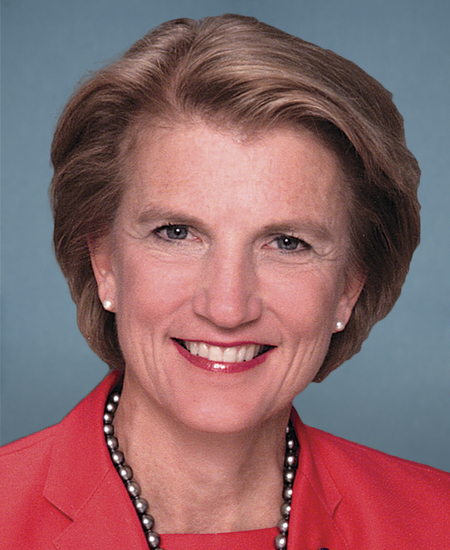
Sen. Shelley Moore Capito
Sponsored bills
Maddy summaryThe SAFEGUARDS Act of 2025 ensures that revenue from the 9/11 Security Fee (paid by airline passengers) is used exclusively for aviation security, ending its diversion to other government purposes by 2027. It creates two dedicated funds: the Aviation Security Capital Fund (receiving $250 million annually through 2025, then $500 million annually starting in 2026) for general security improvements, and the Aviation Security Checkpoint Technology Fund (receiving $250 million annually starting in 2026) specifically for security screening technology like baggage scanners and exit lanes. The bill requires the Transportation Security Administration (TSA) to collect sufficient fees to fund these amounts and allows retroactive grants for security technology projects implemented since 2023. This directly affects TSA operations, airports, and passenger fees, with no new taxes or fees imposed.
Maddy summaryThis bill, known as the Rx ACCESS Act, aims to improve medication access for military beneficiaries enrolled in the TRICARE health program by allowing them to choose how they receive non-generic prescription maintenance medications starting in October 2026. It requires pharmacy benefit managers to reimburse retail pharmacies at least the actual cost of acquiring drugs plus a professional dispensing fee, and prohibits hidden fees on pharmacies. The bill also mandates annual audits by the Government Accountability Office to review reimbursement rates, pharmacy network adequacy, and beneficiary access, with results reported to congressional defense committees.
Maddy summaryThe Ensuring Better Interest Treatment and Deductibility Act modifies how businesses calculate interest expense limits for tax purposes. It removes a specific exception related to adjusted taxable income calculations that was added in previous legislation. This change applies to tax years starting after December 31, 2025, affecting businesses that deduct interest expenses on their federal income tax returns. The bill aims to alter the rules governing Section 163(j) of the Internal Revenue Code without changing the overall cap on deductible interest.
Maddy summaryThis bill, known as Dalilah's Law Act, prohibits individuals with certain immigration statuses from obtaining or using commercial driver's licenses in interstate commerce. It requires state officials to verify an applicant's employment eligibility through E-Verify before issuing such licenses and imposes criminal penalties, including mandatory minimum sentences for accidents causing injury or death. The legislation also establishes civil penalties for businesses that assist in violations and allows victims of accidents caused by these drivers to sue for triple damages. Additionally, it adds the use of commercial licenses by these individuals as an aggravated felony and grounds for deportation under immigration law.
Maddy summaryThe Rural America Health Corps Act creates a demonstration program to help health professionals work in rural areas by offering loan repayment assistance. Eligible individuals must commit to five years of full-time employment in a rural health professional shortage area to receive payments on their student loans. The program would pay one-fifth of the loan principal and interest each year of service, with a maximum total payment of $200,000 per person. This initiative is designed to address healthcare access challenges in rural communities by incentivizing medical professionals to serve in underserved areas.
Maddy summaryThe Mental Health Access and Provider Support Act of 2026 increases Medicare reimbursement rates for psychologists by raising payment percentages from 75 percent to 85 percent of the standard fee schedule. This change directly affects Medicare beneficiaries and psychologists who provide mental health services under the Medicare program. The higher payment rates apply to services furnished on or after January 1, 2027, aiming to improve access to mental health care by increasing provider compensation.
Maddy summaryS 2903, the Safe Step Act, requires health insurance plans and employers offering health coverage to establish a clear, timely process for patients or doctors to request exceptions when step therapy protocols (where insurers require trying cheaper drugs first) would harm a patient. It mandates approval for exceptions if prior drugs failed, delay would cause severe harm, a drug is unsafe, or a patient is stable on their current medication. Plans must respond to requests within 72 hours (or 24 hours in emergencies) and cover the requested drug without extra cost-sharing. The bill also requires annual reports to the government on exception requests, approvals, denials, and trends by medical condition or specialty. This directly affects patients on health plans with step therapy, their doctors, and the insurers managing those plans.
Maddy summaryThis bill prohibits public colleges and universities receiving federal funding from denying religious student groups access to campus facilities or official recognition solely because of their religious beliefs, practices, or standards. It directly affects public higher education institutions and religious student organizations seeking equal treatment alongside secular groups. The key mechanism requires institutions to provide religious groups with the same rights, benefits, and privileges - such as meeting space, event scheduling, and official status - as non-religious student organizations. This policy change ensures religious groups cannot be discriminated against in campus activities through the threat of withheld federal funding.
Maddy summaryThe HEADWAY Act (S 2323) updates requirements for teachers in Early Head Start programs serving children under age 3. It mandates that each classroom must have at least one teacher certified with a child development associate credential (or working toward it), and requires programs to assign a mentor to support teachers during this credentialing process. The bill directly affects Early Head Start centers and their teaching staff by establishing new standards for educator qualifications and professional development. Key changes replace previous deadlines with ongoing requirements for credential attainment and mentorship, aiming to improve workforce quality in early childhood education.