Maddy summaryHR 3912, the Stop the Baseline Bloat Act of 2025, changes how the federal budget baseline is calculated by excluding emergency funding and supplemental appropriations. This affects the annual budget process by removing these funds from the baseline figure used to measure spending limits under the Budget Control Act. The key provision amends the Balanced Budget and Emergency Deficit Control Act to specify that emergency requirements and supplemental funding are not counted in the baseline calculation. As a result, future budget targets will reflect only regular appropriations, not additional emergency or supplemental spending.
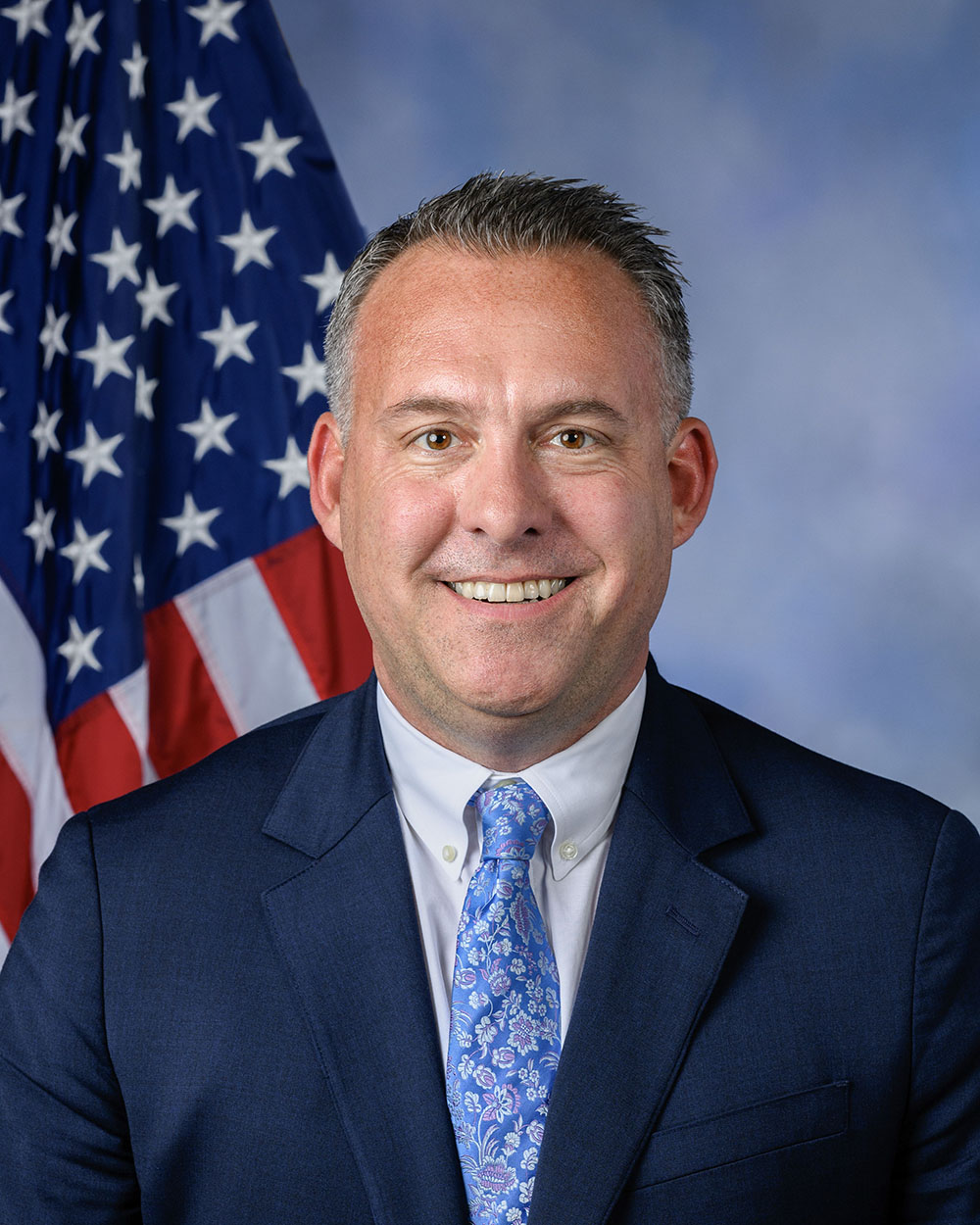
Rep. Adam Gray
Sponsored bills
Maddy summaryHR 3884, the Telemental Health Care Access Act of 2025, expands Medicare coverage for mental and behavioral health services provided via telehealth. It removes geographic restrictions that previously limited telehealth mental health coverage to rural areas, allowing beneficiaries nationwide to access these services through telehealth. The bill amends the Social Security Act to explicitly include "mental and behavioral health services furnished through telehealth" under Medicare coverage rules. This change directly affects Medicare beneficiaries seeking remote mental health care, making it easier to receive these services regardless of location. The policy change applies to all Medicare Part B beneficiaries using telehealth for qualifying mental or behavioral health services.
Maddy summaryHR 3876, the LIHEAP Staffing Support Act, amends the Low-Income Home Energy Assistance Act to establish staffing requirements for the program. It requires the Secretary to employ at least 20 full-time staff dedicated to administering LIHEAP, limits contractors to no more than 40% of these staff, and mandates increasing staffing to at least 30 during declared emergencies (as defined under existing law). These provisions directly affect the administrative capacity of the LIHEAP program, which provides energy assistance to low-income households. The bill focuses on ensuring consistent staffing levels to support program delivery, with specific rules for emergency periods lasting up to 180 days.
Maddy summaryHR 3845 amends the Endangered Species Act to expand when federal agencies or project applicants can seek exemptions from species protection requirements. It allows exemptions if a project might harm endangered species but would either impair national security or cause significant adverse national/regional economic impacts. The bill adds new criteria requiring consultation with the National Security Council and National Economic Council before finalizing such exemptions. This change directly affects federal agencies, state governors, and project applicants seeking to bypass ESA protections for certain projects.
Maddy summaryHR 649, the Whole Milk for Healthy Kids Act of 2025, amends the National School Lunch Act to allow schools participating in the program to offer students both organic and non-organic whole milk, in addition to reduced-fat, low-fat, and fat-free options. Key provisions include clarifying that milk fat in whole milk should not count toward saturated fat limits for meal compliance, prohibiting schools from purchasing milk from Chinese state-owned enterprises, and ensuring schools cannot be barred from offering the full range of milk types listed. The bill directly affects public and private schools serving the National School Lunch Program by expanding their milk options for students. It focuses on concrete policy changes to dietary offerings and sourcing restrictions within the school nutrition program.
Maddy summaryThis bill requires colleges and universities to include suicide prevention contact information on student identification cards or their websites. Specifically, institutions must list the 988 Suicide and Crisis Lifeline, Crisis Text Line, and their campus mental health center on student IDs (or post the info online if IDs aren't issued). The requirement applies to all higher education institutions creating student ID cards after the bill's enactment, with a one-year implementation period. It directly affects students by ensuring immediate access to critical mental health resources through a routine campus tool.
Maddy summaryThis bill changes the rural surface transportation grant program to prioritize funding for roads serving high-value agricultural areas. It defines "covered counties" as those with at least $1 billion in annual agricultural production value and $500,000 per square mile in agricultural output (adjusted for inflation). The key provision reserves 10% of annual program funds specifically for projects on "farm-to-market roads" within these covered counties. This directly affects rural counties meeting the agricultural thresholds and their transportation infrastructure projects, ensuring dedicated funding for roads connecting farms to markets.
Maddy summaryHR 3534, the Mental Health in Schools Excellence Program Act of 2025, creates a federal program to increase the number of school-based mental health professionals. It provides federal matching funds - covering up to 50% of tuition and fees for eligible students - in partnership with graduate schools offering accredited programs in school counseling, psychology, or social work. Participating graduate institutions must match federal contributions, and priority is given to students who received Federal Pell Grants or attended specific institutions as undergraduates. The program directly affects graduate students training to become licensed school mental health providers, aiming to expand the workforce serving K-12 schools.
Maddy summaryThis bill removes the statute of limitations for certain survivor benefit claims against the U.S. Government. It specifically applies to survivors of military members who died in the line of duty on or after September 11, 2001. The key change amends federal law to state that no time limit applies when filing for survivor benefits under this provision. The bill takes effect for claims filed after its enactment date.
Maddy summaryThe Fiscal Commission Act establishes a 16-member commission to address the federal government's fiscal challenges, including reducing debt and deficit while aiming for a debt-to-GDP ratio of 100% by 2039. The commission must educate the public about fiscal issues, identify policy recommendations, and submit a detailed report with legislative language by November 2026 (with possible extension to April 2027). This report requires bipartisan approval, needing at least two Republican and two Democratic members for majority support. If approved, the recommended legislation would become an "implementing bill" considered under expedited procedures in both congressional chambers. The commission's work directly affects federal budget decisions and public awareness of fiscal policy, with hearings required to gather input from experts and government officials.