

Issue · Housing
Housing
Every housing bill, vote, and legislator stance in Pennsylvania, automatically classified by Maddy, our AI policy reader.
Total bills
154
2025-2026 Regular Session
Top supporter
James Malone
100% support rate
Top opponent
Andrea Verobish
14% support rate
Ranked legislators
10
5 support · 5 oppose
Key legislators
Who's moving housing in Pennsylvania
| Legislator | Party | Stance | Support rate | Votes |
|---|---|---|---|---|
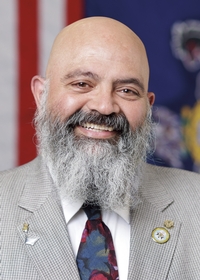
James Malone
Senate · District 36
|
D |
Strong +
|
100% | 35 |
|
AT
Ana Tiburcio
House · District 22
|
D |
Strong +
|
89% | 44 |
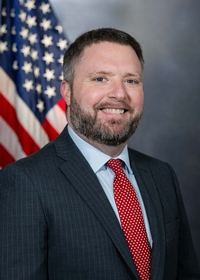
Ben Waxman
House · District 182
|
D |
Strong +
|
84% | 196 |
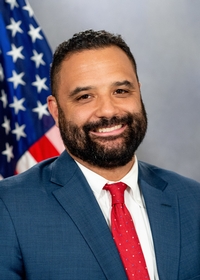
Dave Madsen
House · District 104
|
D |
Strong +
|
83% | 194 |

Izzy Smith-Wade-El
House · District 49
|
D |
Strong +
|
83% | 168 |
|
AV
Andrea Verobish
House · District 79
|
R |
Strong −
|
14% | 39 |
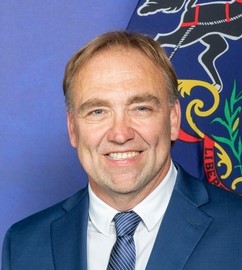
Jake Banta
House · District 4
|
R |
Strong −
|
15% | 156 |
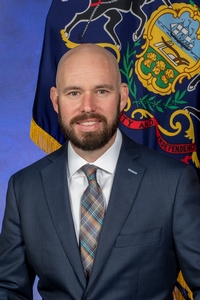
Carl Metzgar
House · District 69
|
R |
Strong −
|
20% | 135 |
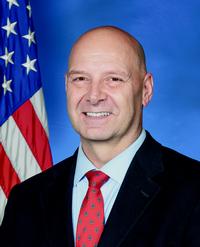
Doug Mastriano
Senate · District 33
|
R |
Strong −
|
20% | 42 |
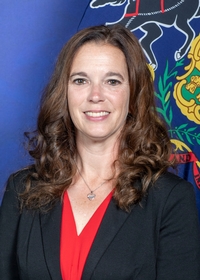
Wendy Fink
House · District 94
|
R |
Oppose
|
21% | 155 |
Showing 81–90 of 154
bills
All housing bills
HB 1778: An Act establishing the Essential Energy Stability Fund Pilot Program to provide limited, off-season utility assistance to eligible low-income households; and making an appropriation.
Topics
✓ Budget & TaxesSupports Budget & TaxesBill allocates state funds via appropriation for essential utility assistance program targeting low-income households, directly advancing public service funding under budget management.
✓ EnergySupports EnergyBill provides financial assistance for utility bills to low-income households, protecting consumers from energy cost strain. Directly supports energy affordability and consumer protection as per topic indicators.
✓ HousingSupports HousingProvides off-season utility assistance to low-income households, reducing energy cost burden and supporting housing affordability.
Sub-Topics
Energy Efficiency
HB 275: An Act providing for grants to subsidize home ownership; establishing the Pennsylvania Affordable Homeownership Subsidy Program; imposing duties on the Department of Community and Economic Development; and providing for report to General Assembly.
Topics
✓ Budget & TaxesSupports Budget & TaxesState allocates funds via new homeownership subsidy program targeting low-income households, increasing public spending on housing assistance.
✓ HousingSupports HousingHB 275 creates a grant program (capped at $125k/county) to subsidize home purchases for low-to-moderate-income households (60-120% AMI), directly advancing affordable housing access through funding and homeownership assistance.
SB 218: An Act amending the act of May 28, 1937 (P.L.955, No.265), referred to as the Housing Authorities Law, further providing for establishment of rentals and selection of tenants and for veteran preferences.
Topics
✓ HousingSupports HousingRequires low-income tenant selection (≤6x rent) and expands veteran preferences for affordable housing programs, directly advancing access to affordable housing.
✗ ImmigrationOpposes ImmigrationProhibits renting to non-citizens in low-income housing, restricting immigrant access to housing services per bill's explicit language.
✓ VeteransSupports VeteransExpands veteran preferences in low-income housing tenant selection, requiring housing authorities to prioritize veterans across all qualifying programs per amended Housing Authorities Law.
HB 472: An Act amending Title 75 (Vehicles) of the Pennsylvania Consolidated Statutes, in general provisions, further providing for definitions; in licensing of drivers, further providing for learners' permits, for application for driver's license or learner's permit, for application for driver's license or learner's permit by minor and for issuance and content of driver's license; and, in fees, further providing for driver's license and learner's permit.
Topics
✓ EducationSupports EducationEnables homeless youth (under 18) to use school addresses/signatures for driver's licenses, removing barriers to transportation access for K-12 education.
✓ HousingSupports HousingBill directly addresses homelessness by enabling homeless minors (under 18) to obtain driver's licenses without parental signatures or fees, removing barriers to housing stability and access to services.
Sub-Topics
Homelessness
HB 32: An Act amending the act of June 27, 2006 (1st Sp.Sess., P.L.1873, No.1), known as the Taxpayer Relief Act, in senior citizens property tax and rent rebate assistance, further providing for definitions.
Topics
✓ Budget & TaxesSupports Budget & TaxesClarifies income definitions to maintain senior rebate eligibility, preventing loss of tax relief due to Social Security COLAs, aligning with tax relief for lower-income seniors.
✓ HousingSupports HousingAmends senior housing rebate program to maintain eligibility for income increases from Social Security COLAs, protecting housing affordability for seniors without restricting access.
SB 133: A Joint Resolution proposing an amendment to the Constitution of the Commonwealth of Pennsylvania, further providing for exemptions and special provisions.
Topics
✓ Budget & TaxesSupports Budget & TaxesProvides property tax exemption for veterans with disabilities, offering tax relief to lower-income veterans and surviving spouses, aligning with tax relief indicators.
✓ HousingSupports HousingExempts veterans from property taxes on primary residences, reducing housing costs for eligible homeowners, directly supporting affordable housing access for this group.
✓ VeteransSupports VeteransExempts veterans with service-connected disabilities and surviving spouses from property taxes, directly expanding financial benefits for veterans.
HB 1062: An Act amending Title 53 (Municipalities Generally) of the Pennsylvania Consolidated Statutes, in neighborhood blight reclamation and revitalization, providing for State blight data collection system; and establishing the Property Maintenance Code Serious Violations Registry and the Property Maintenance Code Serious Violations Registry Account.
Topics
✓ Budget & TaxesSupports Budget & TaxesEstablishes dedicated Property Maintenance Code Serious Violations Registry Account for blight remediation funding, advancing fiscal management of public services.
✓ HousingSupports HousingCreates statewide blight tracking, registry, and dedicated funding for property maintenance remediation, directly improving housing conditions and preventing deterioration in affected neighborhoods.
Sub-Topics
Community Development
SB 803: An Act providing for the establishment of first-time homebuyer savings accounts for first-time homebuyers in this Commonwealth; establishing the First-time Homebuyer Savings Account Program and the First-time Homebuyer Savings Account Fund; and imposing duties on the Treasury Department.
Topics
✓ Budget & TaxesSupports Budget & TaxesCreates tax-advantaged savings accounts for first-time homebuyers, providing tax relief to middle-income residents through state-administered program.
✓ HousingSupports HousingCreates tax-advantaged savings accounts for down payments/closing costs, directly enabling first-time homebuyers to access homeownership.
HB 1574: An Act amending the act of April 9, 1929 (P.L.343, No.176), known as The Fiscal Code, establishing the Redevelopment Authority Startup Loan Program and the Redevelopment Authority Startup Fund.
Topics
✓ Budget & TaxesSupports Budget & TaxesCreates new Redevelopment Authority Startup Fund and loan program via Fiscal Code amendment, directly allocating state funds for community renewal projects and financing local redevelopment initiatives.
✓ HousingSupports HousingCreates new fund for low-interest loans to finance community renewal projects including neighborhood rebuilding and downtown revitalization, directly supporting housing development initiatives.
Sub-Topics
Community Development