Issue · Healthcare

Healthcare (Substance Abuse)

Every healthcare bill, vote, and legislator stance in Pennsylvania, automatically classified by Maddy, our AI policy reader.

Total bills
53
2025-2026 Regular Session
Top supporter
Dan Laughlin
100% support rate
Top opponent
Joe Hamm
7% support rate
Ranked legislators
10
5 support · 5 oppose
Key legislators

Who's moving substance abuse in Pennsylvania

Legislators moving substance abuse in Pennsylvania
Legislator Party Stance Support rate Votes
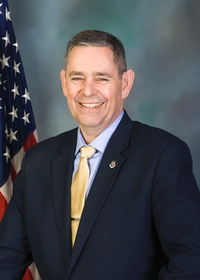
Dan Laughlin
Dan Laughlin Senate · District 49
R
Strong +
100% 7
Devlin Robinson
Devlin Robinson Senate · District 37
R
Strong +
100% 7
Joe Picozzi
Joe Picozzi Senate · District 5
R
Strong +
100% 7
Rosemary Brown
Rosemary Brown Senate · District 40
R
Strong +
100% 7
Cris Dush
Cris Dush Senate · District 25
R
Strong +
100% 5
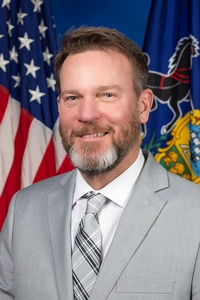
Joe Hamm
Joe Hamm House · District 84
R
Strong −
7% 15
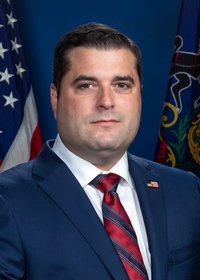
Stephanie Borowicz
Stephanie Borowicz House · District 76
R
Strong −
7% 15
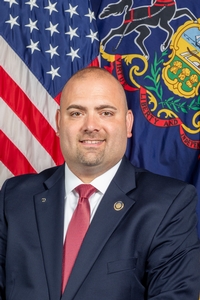
Aaron Bernstine
Aaron Bernstine House · District 8
R
Strong −
8% 13
Dave Zimmerman
Dave Zimmerman House · District 99
R
Strong −
8% 13
Jamie Barton
Jamie Barton House · District 124
R
Strong −
8% 13
Showing 1–10 of 53 bills

All healthcare bills

in committee · Pennsylvania · House Aug 25, 2026

HB 2749: An Act amending the act of April 14, 1972 (P.L.233, No.64), known as The Controlled Substance, Drug, Device and Cosmetic Act, further providing for drug overdose medication.

Pennsylvania House Bill 2749 amends the state's Controlled Substance, Drug, Device and Cosmetic Act to expand legal protections for individuals and entities involved in responding to opioid overdoses. The bill grants immunity from criminal prosecution, civil liability, and professional disciplinary action to licensed health care professionals who prescribe or dispense opioid antagonists, including naloxone, as long as they act in good faith. It also extends similar protections to first responders, law enforcement, and private citizens who administer these medications to people they believe are suffering an overdose. Additionally, the legislation allows municipalities, local health departments, and community organizations to distribute expired opioid antagonists without facing legal liability, provided the medication is less than five years past its expiration date.
Sub-Topics Substance Abuse
in committee · Pennsylvania · House Aug 11, 2026

HB 2731: An Act amending the act of April 9, 1929 (P.L.177, No.175), known as The Administrative Code of 1929, in powers and duties of the Department of Drug and Alcohol Programs, further providing for powers and duties.

Pennsylvania House Bill 2731 directs the Department of Drug and Alcohol Programs to work with the Department of General Services to procure opioid antagonists through a competitive process. The bill mandates that cost-effectiveness must account for at least 90% of the decision-making weight, while also considering product efficacy, availability, brand type, and shelf life. Additionally, it requires the department to submit an annual report on the procurement strategy and vendor selection to legislative committee leaders starting in 2028.
Sub-Topics Substance Abuse
in committee · Pennsylvania · Senate Jul 8, 2026

SR 352: A Resolution recognizing August 31, 2026, as "Overdose Awareness Day" in Pennsylvania.

This Senate Resolution designates August 31, 2026, as "Overdose Awareness Day" throughout Pennsylvania to raise awareness about drug overdoses and reduce the stigma associated with them. The bill does not create new laws or change regulations but instead asks the Governor to issue a proclamation and order flags to be flown at half-staff on that date. Its primary effect is symbolic, aiming to honor those affected by overdose and encourage community support for individuals struggling with addiction.
Sub-Topics Substance Abuse
in committee · Pennsylvania · Senate Jul 8, 2026

SR 353: A Resolution designating the week of July 20 through 24, 2026, as "Construction Opioid Awareness Week" in Pennsylvania.

This Senate Resolution designates the week of July 20 through 24, 2026, as "Construction Opioid Awareness Week" in Pennsylvania to highlight the high rate of opioid-related deaths in the construction industry. The bill encourages construction companies and organizations to use this time to educate workers about the dangers of opioid abuse and to facilitate discussions and events like drug take-back programs. It does not create new laws or funding but serves as a formal designation to promote awareness among contractors, unions, and safety organizations within the state.
Sub-Topics Substance Abuse
in committee · Pennsylvania · House Jun 24, 2026

HB 2653: An Act amending Title 40 (Insurance) of the Pennsylvania Consolidated Statutes, providing for behavioral health care provider access; and imposing penalties.

This bill requires insurance companies in Pennsylvania to contract with behavioral health care providers who meet specific criteria, such as being licensed in good standing and offering services within the state. The law mandates that insurers cannot deny network participation to qualified providers who agree to standard contract terms, ensuring patients have access to a wider range of mental health and substance use disorder specialists. Additionally, the legislation establishes rules for claim handling and prohibits discrimination based on the type of behavioral health service provided. By creating these new requirements, the bill aims to remove barriers that might prevent individuals from finding suitable care within their insurance networks.
passed · Pennsylvania · Senate Jun 24, 2026

SB 1352: An Act amending the act of June 13, 1967 (P.L.31, No.21), known as the Human Services Code, in departmental powers and duties as to licensing, providing for issuance of licenses by Department of Drug and Alcohol Programs.

This bill directs the Pennsylvania Department of Drug and Alcohol Programs to issue two-year licenses to healthcare providers that meet specific quality standards, rather than the standard one-year renewal. To qualify for this extended license, providers must maintain good standing, hold a current multiyear accreditation from a national organization, and agree to notify the department within 14 days if that accreditation lapses. In exchange for the two-year term, the department will conduct only one comprehensive inspection per period instead of annual visits, though it retains the authority to inspect immediately if complaints arise. The law takes effect 60 days after being signed.
Sub-Topics Substance Abuse Tags Licensing
in committee · Pennsylvania · Senate Apr 16, 2026

SR 270: A Resolution recognizing the month of April 2026 as "Alcohol Awareness Month" in Pennsylvania.

Senate Resolution 270 formally designates April 2026 as Alcohol Awareness Month within the state of Pennsylvania. This symbolic measure aims to highlight the risks of alcohol misuse among adults and teenagers while encouraging the public to seek help for alcohol use disorder. The resolution does not create new laws or regulations but serves to inform Pennsylvanians about the dangers of excessive drinking and the importance of addiction treatment providers.
Sub-Topics Substance Abuse
in committee · Pennsylvania · Senate May 1, 2026

SR 294: A Resolution recognizing the month of May 2026 as "National Treatment Court Month" in Pennsylvania.

This Senate Resolution designates May 2026 as "National Treatment Court Month" in Pennsylvania to raise awareness about specialized courts that address substance use and mental health issues. The measure highlights the work of judges, prosecutors, treatment providers, and other professionals who operate these courts to help individuals recover rather than face traditional punishment. By acknowledging these programs, the resolution aims to educate the public and encourage continued support for initiatives that focus on rehabilitation and community safety.
passed · Pennsylvania · Senate Jun 30, 2026

SB 1261: An Act amending Title 35 (Health and Safety) of the Pennsylvania Consolidated Statutes, in Commonwealth services, further providing for assistance to fire companies and EMS companies; and, in grants to fire companies and emergency medical services companies, further providing for definitions, for publication and notice, for award of grants, for consolidation incentive, for publication and notice and for award of grants, repealing provisions relating to COVID-19 Crisis Fire Company and Emergency Medical Services Grant Program, to Emergency Medical Services COVID-19 Recovery Grant Program, to expiration of authority relating to COVID-19 Crisis Fire Company and Emergency Medical Services Grant Program and to expiration of authority relating to Emergency Medical Services COVID-19 Recovery Grant Program and further providing for annual reports.

SB 1261 updates Pennsylvania laws to provide financial assistance to fire and emergency medical services (EMS) companies through a state loan program. The bill allows these organizations to apply for loans to purchase or modernize vehicles, facilities, and protective equipment, while also permitting refinancing of existing debt. Key provisions include setting specific loan limits, requiring applicants to contribute at least 20% of project costs, and mandating that protective gear be free of harmful chemicals. Additionally, the legislation repeals previous COVID-19 specific grant programs and establishes a requirement for annual reporting on the use of these funds.
Sub-Topics Substance Abuse
in committee · Pennsylvania · Senate Jun 22, 2026

SB 906: An Act establishing the Pennsylvania Family and Medical Leave Program and the Family and Medical Leave Fund; conferring powers and imposing duties on the Department of Labor and Industry; creating a right of action; and imposing penalties.

This bill establishes a new paid family and medical leave program in Pennsylvania, creating a fund to support workers who need time off for family care or medical reasons. It requires employers to contribute to the program and sets rules for how long employees can take leave, how much money they receive, and what situations qualify for benefits, including care for family members with serious health conditions or recovery from domestic violence. The Department of Labor and Industry will administer the program, handle claims, and enforce rules, while employees have the right to take legal action if their rights are violated. The legislation also includes provisions for self-employed individuals to opt into the program and establishes an advisory board to guide program development.
Showing 1 to 10 of 53 bills
1 2 3 6 Next