Issue · Healthcare

Healthcare

Every healthcare bill, vote, and legislator stance in Pennsylvania, automatically classified by Maddy, our AI policy reader.

Total bills
839
119th Congress
Top supporter
Summer L. Lee
67% support rate
Top opponent
David McCormick
24% support rate
Ranked legislators
10
5 support · 5 oppose
Key legislators

Who's moving healthcare in Pennsylvania

Legislators moving healthcare in Pennsylvania
Legislator Party Stance Support rate Votes
Summer L. Lee
Summer L. Lee House · District 12
D
Support
67% 211
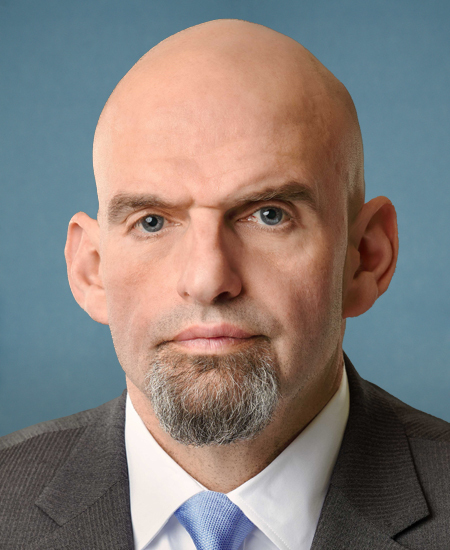
John Fetterman
John Fetterman Senate
D
Support
67% 217
Dwight Evans
Dwight Evans House · District 3
D
Support
61% 207
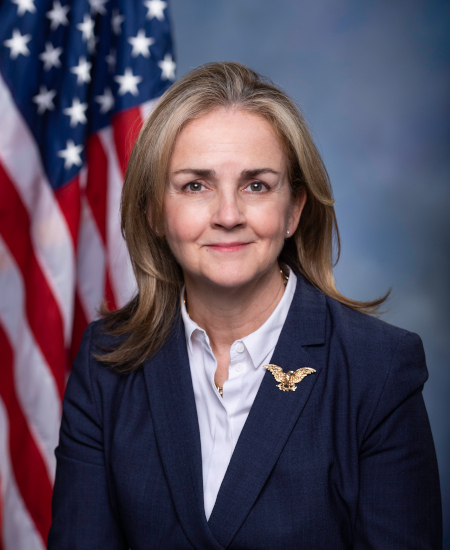
Madeleine Dean
Madeleine Dean House · District 4
D
Mixed
59% 209
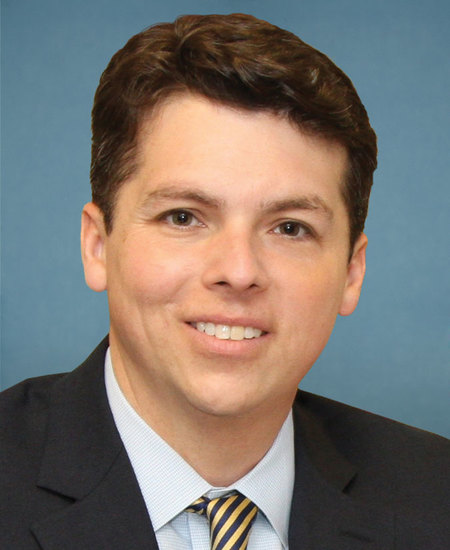
Brendan F. Boyle
Brendan F. Boyle House · District 2
D
Mixed
56% 207
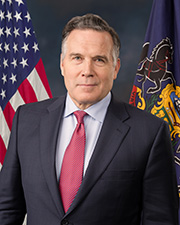
David McCormick
David McCormick Senate
R
Oppose
24% 220
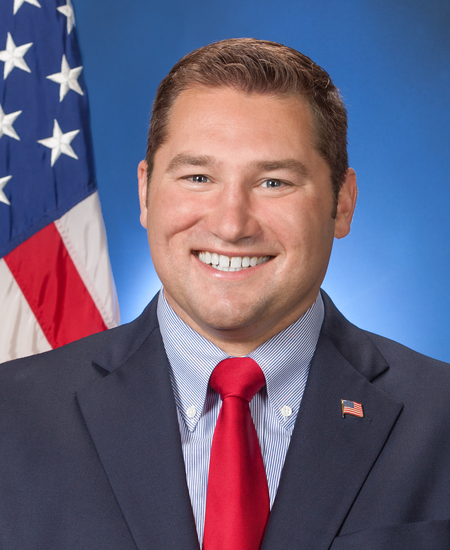
Guy Reschenthaler
Guy Reschenthaler House · District 14
R
Oppose
35% 205
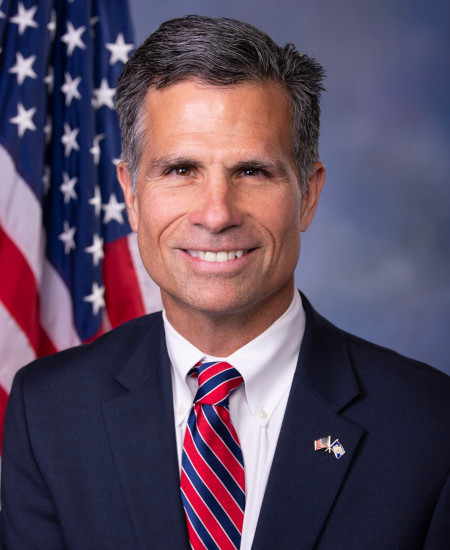
Daniel Meuser
Daniel Meuser House · District 9
R
Oppose
39% 203
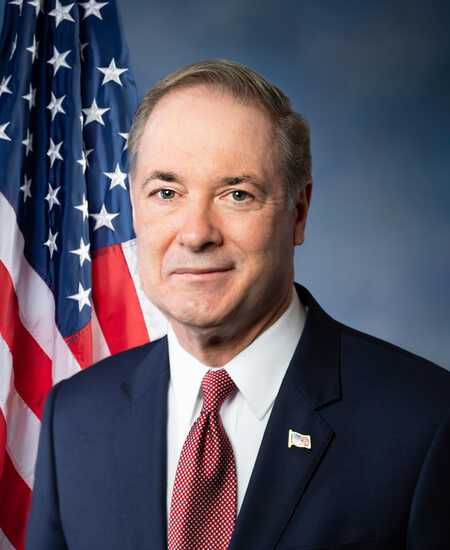
John Joyce
John Joyce House · District 13
R
Oppose
39% 211
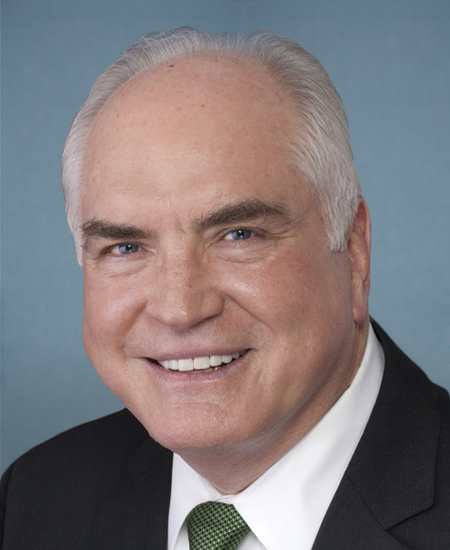
Mike Kelly
Mike Kelly House · District 16
R
Oppose
39% 208
Showing 1–10 of 839 bills

All healthcare bills

in committee · United States · House Sep 10, 2026

HR 10345: EBOLA Act

The EBOLA Act requires the President to rejoin the World Health Organization within 30 days of enactment and immediately coordinate with that body to address an ongoing Ebola outbreak in Central and Eastern Africa. The legislation authorizes necessary funding to cover U.S. membership fees and financial obligations, as well as voluntary contributions to support international disease response efforts. By mandating this rapid re-entry into the global health agency, the bill aims to enhance the nation's ability to monitor emerging infectious diseases and prevent the spread of the virus to American soil.
Sub-Topics Public Health
in committee · United States · House Sep 10, 2026

HRES 1528: Recognizing suicide as a serious public health problem and expressing support for the designation of September, 2026, as "National Suicide Prevention Month" as well as September 10, 2026, as "World Suicide Prevention Day".

This House resolution formally recognizes suicide as a serious public health problem in the United States and expresses support for designating September 2026 as National Suicide Prevention Month and September 10, 2026, as World Suicide Prevention Day. The bill cites data from the CDC, SAMHSA, and the VA to highlight that suicide is a leading cause of death among young people, veterans, and during the postpartum period, while also noting the significant economic costs associated with it. It declares suicide prevention a national priority and emphasizes that mental health is as important as physical health. The resolution supports the development of strategies to improve access to quality mental health, substance abuse, and suicide prevention services for all communities.
in committee · United States · House Sep 8, 2026

HRES 1519: Supporting the designation of September 17, 2026, as "National Physician Suicide Awareness Day" to raise awareness of, and promote a national discussion about, physician suicide and to reduce the stigma of mental health conditions, and for other purposes.

This House resolution supports designating September 17, 2026, as "National Physician Suicide Awareness Day" to highlight the mental health challenges facing doctors in the United States. The bill cites high levels of stress, burnout, and stigma among physicians as key reasons for establishing this day of reflection and education. It encourages the President to issue a proclamation urging the public to observe the date with awareness campaigns and educational activities. Additionally, the resolution calls for increased research into the barriers that prevent physicians from seeking mental health care.
Sub-Topics Mental Health
in committee · United States · House Sep 2, 2026

HR 10227: INSULIN Act of 2026

The INSULIN Act of 2026 mandates that group and individual health insurance plans cap out-of-pocket costs for selected insulin products at $35 per 30-day supply, effective for plan years beginning on or after January 1, 2028. This cost limit applies to a variety of insulin types and delivery devices, with the cap set at the lesser of $35 or 25 percent of the negotiated price net of concessions. The bill also prohibits insurers from imposing deductibles or prior authorization requirements for these covered products unless clinically justified for safety reasons. Additionally, the legislation directs the Department of Health and Human Services to fund a resource center and hotline to help uninsured individuals find affordable insulin assistance programs, while requiring the Government Accountability Office to study the demographics of uninsured insulin users. Finally, it creates an expedited review process for biosimilar insulin applications when the Secretary determines there is inadequate competition in the market.
in committee · United States · House Jul 27, 2026

HR 9959: Green New Deal for Public Schools Act

The Green New Deal for Public Schools Act directs over $700 billion in federal funding to public schools, prioritizing those serving the most vulnerable communities based on CDC social vulnerability rankings. The legislation establishes a new Office of Sustainable Schools and authorizes grants for "healthy green retrofits" that convert school buildings into zero-carbon facilities with clean air, water, and energy systems, while also providing funds to hire additional educators, mental health professionals, and support staff. Additionally, the bill mandates increased federal funding for special education under the Individuals with Disabilities Education Act and creates a climate resiliency program that allows schools to function as community centers during natural disasters. All grant recipients must adhere to strict labor standards, including prevailing wage requirements, Buy American provisions, and local hiring goals that prioritize residents of the surrounding community.
in committee · United States · House Aug 24, 2026

HR 10140: SPF Act of 2026

The SPF Act of 2026 requires the Director of the National Park Service to submit a report to Congress within one year detailing options for providing free or low-cost mineral-based sunscreen and other sun protection items to park visitors. The bill cites rising skin cancer rates and public health data to support the need for better access to protective measures in national parks. The required report must evaluate potential environmental impacts, ensure products are usable for all skin tones, and propose strategies for increasing visitor awareness about sun safety. Additionally, the report must include specific legislative recommendations for Congress to consider when supporting these efforts.
Sub-Topics Public Health
in committee · United States · House Sep 3, 2026

HR 10252: Launching with Healthcare Act

The Launching with Healthcare Act extends the period during which young adults must be covered under their parents' health insurance plans from age 26 to age 31. This change directly affects individuals up to age 31 and the employers or insurers providing these family coverage plans. The bill amends the Public Health Service Act to implement this new age limit, with the provision taking effect for plan years that begin after December 31, 2026.
in committee · United States · House Sep 3, 2026

HR 10268: Ending Restaurant Purchases with SNAP Act of 2026

The Ending Restaurant Purchases with SNAP Act of 2026 would prohibit the use of Supplemental Nutrition Assistance Program (SNAP) benefits to buy meals at restaurants and other private food service establishments. The bill achieves this by removing specific legal provisions from the Food and Nutrition Act of 2008 that currently allow states to run optional restaurant programs for eligible groups such as the elderly, disabled, and homeless individuals. If enacted, these changes would take effect 180 days after the date of enactment, directly affecting SNAP recipients who rely on these state-level options for dining out.
in committee · United States · House Jul 22, 2026

HR 9832: Medicare Dental Benefit Act of 2026

This bill amends Medicare to cover dental and oral health services for the first time, affecting all current and future Medicare beneficiaries. It defines covered services to include routine cleanings, fillings, extractions, root canals, crowns, dentures, and emergency care. For most individuals, federal payment for these services will gradually increase from 0% to 80% over an eight-year period, while low-income individuals eligible for prescription drug subsidies will receive 80% coverage immediately. The legislation also establishes frequency limits, such as two cleanings and exams per year and a five-year limit on full dentures, and requires the U.S. Preventive Services Task Force to include at least one oral health professional.
in committee · United States · House Sep 2, 2026

HR 10223: End Tuberculosis Now Act of 2026

The End Tuberculosis Now Act of 2026 amends the Foreign Assistance Act to designate ending the global tuberculosis emergency as a major objective of U.S. foreign policy and authorizes the President to provide funding for prevention, diagnosis, and treatment programs worldwide. The bill sets specific targets to be achieved by 2030, including an 80 percent reduction in new infections and a 90 percent reduction in deaths compared to 2015 levels, while also requiring that 30 million individuals receive preventive treatment. Key provisions mandate the use of innovative diagnostic tools, support for drug-resistant TB care, and coordination with private sector partners to develop vaccines and lower treatment costs. The legislation requires annual reports to Congress detailing program progress and expenditures, and it includes a sunset clause that terminates these specific authorities on January 1, 2033.
Showing 1 to 10 of 839 bills
1 2 3 84 Next