

Maddy summaryS 914, the Protect Veteran Jobs Act, allows veterans involuntarily removed from federal civil service positions without cause between January 20, 2025, and the bill’s enactment date to seek reinstatement to their former role or a similar qualified position. It directly affects eligible veteran federal employees and requires all executive agencies to submit detailed reports every 90 days to congressional committees, including the number of veteran removals and the reasons for each. The reports must cover the period from the bill’s enactment until January 20, 2029, and include specific data on veteran separations. This bill creates a formal process for veterans to regain federal employment and mandates transparency through regular agency reporting.
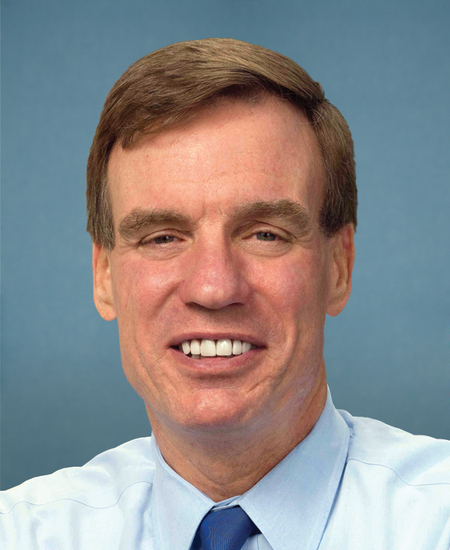
Sen. Mark R. Warner
Sponsored bills
Maddy summaryThis bill protects certain federal employees who were involuntarily separated between January 20, 2025, and January 20, 2029, and later rehired by their former agency. It requires that if a rehired employee is placed in a position similar to their previous role, their new probationary period is shortened by the amount of probation they already completed in their prior position. For example, if their original probation was 1 year and they served 6 months before separation, their new probation would be 6 months. The law expires on January 20, 2029, and applies only to Executive agencies.
Maddy summaryThe Patients Before Middlemen Act (S 882) improves pharmacy access for Medicare beneficiaries by requiring prescription drug plans to allow any pharmacy meeting standard contract terms to join their networks. It establishes "essential retail pharmacies" in medically underserved areas or regions with limited pharmacy access (such as rural areas with no other pharmacies within 10 miles), and creates standards for reasonable and relevant contract terms between drug plans and pharmacies. The bill also increases transparency requirements for pharmacy benefit managers, mandating detailed annual reports on drug costs, rebates, and pricing practices, with many provisions taking effect for plan years beginning January 1, 2028.
Maddy summarySRES 105 is a Senate resolution condemning the February 2025 mass terminations of 2,400 Department of Veterans Affairs (VA) employees by Secretary Doug Collins, without justification or analysis of impacts on veterans. The resolution states the Senate opposes these terminations - specifically noting the lack of transparency about effects on critical services like mental health care, claims processing, and cybersecurity - and calls for all affected employees to be reinstated. This resolution does not change VA policy but expresses the Senate’s formal disapproval of the terminations and demands accountability. It was introduced by 30 Senators on March 4, 2025.
Maddy summaryThis bill increases tax benefits for working families by expanding child care tax credits. It raises the employer-provided child care credit from 25% to 50% of qualified expenses (with the maximum credit increasing from $150,000 to $500,000), and adds a new refundable household care credit allowing up to 50% of eligible expenses (capped at $5,000 for one child or $8,000 for two+ children). Small businesses receive enhanced benefits, with a 60% credit rate and higher maximum ($600,000) for qualifying employers. The changes directly affect working parents, caregivers, and small businesses that provide or support child care.
Maddy summaryThe SBA Disaster Transparency Act (S 371) requires the Small Business Administration (SBA) to publish specific disaster assistance reports on its website. It amends existing law to mandate that the SBA "publish on the website of the Administration" reports related to disaster loans and assistance, which previously only needed to be submitted to Congress. This change directly affects the SBA by altering its reporting process and makes disaster aid data more accessible to the public without creating new programs or eligibility rules. The bill focuses solely on increasing transparency through online publication of existing reports.
Maddy summaryThis bill permanently removes an expiration date for tax-free treatment of employer-paid student loan repayments under certain educational assistance programs. It affects employers who offer student loan repayment benefits as part of their employee benefits package and the employees who receive this assistance. The key provision amends the tax code to make the exclusion from taxable income permanent, eliminating the previous deadline of January 1, 2026. This change means employers can continue to provide tax-free student loan repayment help to employees without the benefit expiring.
Maddy summaryS 793 amends the Staff Sergeant Parker Gordon Fox Suicide Prevention Grant Program under the 2019 Veterans Mental Health Act to better support veterans' suicide prevention efforts. Key changes include increasing the maximum grant amount from $750,000 to $1.25 million, extending the program’s funding period through fiscal year 2028 with $285 million allocated (up from $174 million), and requiring the VA to establish new metrics for program evaluation. The bill also removes specific references to the "President’s Roadmap" task force, allowing the VA Secretary more flexibility in program oversight, and mandates annual briefings for nearby VA medical centers to improve coordination with grantees. These changes directly affect veterans' mental health programs receiving VA grants and aim to enhance program accountability and effectiveness.
Maddy summaryS 797, the Family Building FEHB Fairness Act, adds fertility treatment benefits to the Federal Employees Health Benefits (FEHB) program. This bill directly affects federal employees and their families enrolled in FEHB plans by requiring these plans to cover specified fertility treatments, including in vitro fertilization, embryo preservation, genetic testing, and related medications. Key provisions define "fertility treatment" to include procedures like artificial insemination, assisted reproductive technology, and gamete donation, as determined by the Office of Personnel Management and Health and Human Services. The change takes effect one year after the bill is enacted, making these services a standard covered benefit under FEHB.
This resolution recognizes Black History Month as an opportunity to reflect on U.S. history and to commemorate the contributions of African Americans. It calls for the United States to (1) honor the contribution of pioneers who helped to ensure its legacy; and (2) move forward as a nation "indivisible, with liberty and justice for all."