Maddy summaryThis joint resolution (SJRES 23) seeks congressional disapproval of a specific rule issued by the National Marine Fisheries Service. The rule, published in the Federal Register on June 24, 2022, established regulations for listing endangered/threatened species and designating critical habitat under the Endangered Species Act. If passed, this resolution would nullify that rule, preventing it from having legal effect. The bill directly affects how the National Marine Fisheries Service implements species protection under federal law.
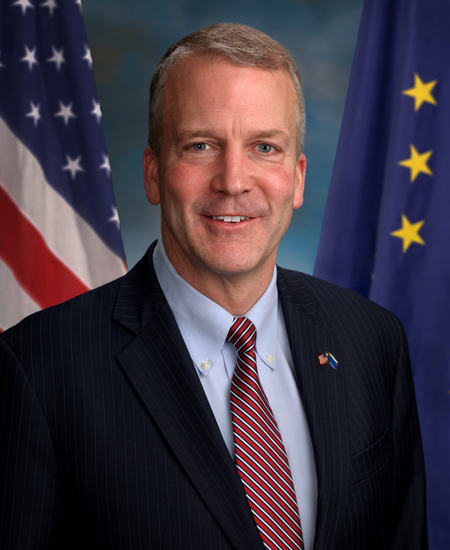
Sen. Dan Sullivan
Sponsored bills
Maddy summaryThis bill requires federal executive agencies to return to their pre-pandemic telework policies by December 31, 2019, effectively ending widespread remote work arrangements established during the COVID-19 emergency. It directly affects all federal employees in executive agencies by limiting remote work options until agencies submit a detailed study to Congress analyzing telework impacts on mission performance, costs (like underused office space and incorrect pay classifications), and employee productivity tools. Agencies must then submit a plan to expand telework, which the Office of Personnel Management must certify will improve mission performance, reduce costs, and ensure secure remote work capabilities before any changes can take effect. The law prohibits agencies from expanding telework until this study, plan, and certification process is completed.
Maddy summaryS 1554, the National American Indian Veterans Charter Act, grants a federal charter to the existing nonprofit organization National American Indian Veterans, Incorporated. This charter formally recognizes the group as a federally chartered entity under Title 36 of the U.S. Code, authorizing it to operate as a nonprofit dedicated to serving American Indian veterans. Key provisions include granting the organization exclusive rights to its name and insignia, requiring it to maintain tax-exempt status, and mandating annual reports to Congress on its activities (though these reports are not public documents). The bill directly affects American Indian veterans by legally solidifying the organization’s role as their representative body for advocacy, outreach, and support services.
Maddy summaryThe SAFE Banking Act of 2023 creates a legal safe harbor for financial institutions that provide services to state-sanctioned marijuana businesses and hemp-related legitimate businesses. It prevents federal banking regulators from taking adverse actions against depository institutions for serving these businesses solely because they operate within state-legal marijuana frameworks. The bill also ensures income from legal marijuana businesses can be considered for qualifying for federally backed mortgage loans and requires updated guidance for suspicious activity reporting related to these businesses. These provisions aim to address longstanding banking access barriers for businesses operating within state-legal marijuana and hemp industries.
Maddy summaryThis bill allows the Secretary of Health and Human Services to adjust Medicare payment rates for skilled nursing facilities located in Alaska or Hawaii to account for their unique circumstances, such as higher operating costs due to geographic isolation. It directly affects Medicare-certified nursing facilities in those two states by enabling potential rate increases to better reflect their specific challenges. The key provision amends the Social Security Act to add a new clause permitting these adjustments as determined appropriate by the Secretary. The bill does not specify exact payment amounts or timelines, only establishing the authority for such adjustments.
Maddy summaryThis Senate resolution (SRES 200) expresses support for designating April 30-May 6, 2023, as "National Small Business Week" to honor small businesses and entrepreneurs across the United States. It recognizes that small businesses (over 33 million nationwide supporting 62 million jobs) are vital to the U.S. economy and highlights their resilience. The resolution specifically calls for celebrating their contributions, acknowledging challenges they face, and supporting efforts to improve access for underserved small businesses. As a symbolic gesture - not a law - it does not create new policies or funding but formally recognizes small business impact.
Maddy summaryThis resolution designates the week of April 23-29, 2023, as "National Water Week" through a symbolic Senate resolution. It does not create new laws or funding but aims to raise awareness about water access challenges facing communities across the U.S., including over 2 million people lacking basic water services and rural systems struggling with infrastructure costs. The resolution highlights issues like aging infrastructure, emerging contaminants, and the need for equitable water solutions without proposing specific policy changes. As a procedural resolution, it has no binding effect but serves to recognize water-related priorities.
Maddy summaryThis Senate resolution designates May 5, 2023, as "United States Foreign Service Day" to honor current and past members of the U.S. Foreign Service. It recognizes their service in diplomacy, security, consular support, and global development, particularly marking the 99th anniversary of the Foreign Service (established by the 1924 Rogers Act). The resolution calls for public reflection on their contributions and sacrifices, including those who died in service. As a ceremonial resolution, it does not create new laws or funding but formally acknowledges the Foreign Service’s role in advancing U.S. interests abroad.
Maddy summarySRES 106 is a 2023 U.S. Senate resolution condemning China's implementation of the Hong Kong national security law and related actions. It specifically criticizes the law's use to suppress dissent, target figures like pro-democracy advocate Jimmy Lai and Cardinal Zen, and undermine Hong Kong's autonomy under the "one country, two systems" framework. The resolution urges governments to hold China accountable, supports Hong Kong residents' fundamental freedoms, and calls for dropping all national security law charges against detainees. It does not create new laws or impose direct consequences but serves as a symbolic expression of congressional concern about Hong Kong's political rights and rule of law.
Maddy summaryThe RESTART Act (S 1449) streamlines environmental reviews under the National Environmental Policy Act by setting page limits (150 pages for standard environmental impact statements, 300 for complex projects) and strict timelines (2 years for final environmental impact statements, 1 year for environmental assessments). It limits judicial review by requiring lawsuits to be filed within 60 days of publication and setting 180-day deadlines for courts to resolve cases. The bill also modifies Clean Water Act permitting requirements and includes specific provisions expediting approval for the Mountain Valley Pipeline project. These changes primarily affect federal agencies conducting environmental reviews, project sponsors seeking permits, and states involved in environmental permitting processes.