

Maddy summaryHRES 996 is a resolution introduced by multiple House members to impeach Kristi Lynn Arnold Noem, the Secretary of Homeland Security, for alleged violations of law and the Constitution. It outlines three articles of impeachment: obstructing congressional oversight by denying access to detention facilities and withholding funds, violating public trust through warrantless arrests and excessive force (including tear gas on children), and self-dealing by awarding federal contracts to associates without competitive bidding. If approved by the House, this resolution would formally charge Noem, triggering a Senate trial to determine her removal from office. The resolution itself does not enact new policy but initiates the constitutional impeachment process against a sitting Cabinet official.
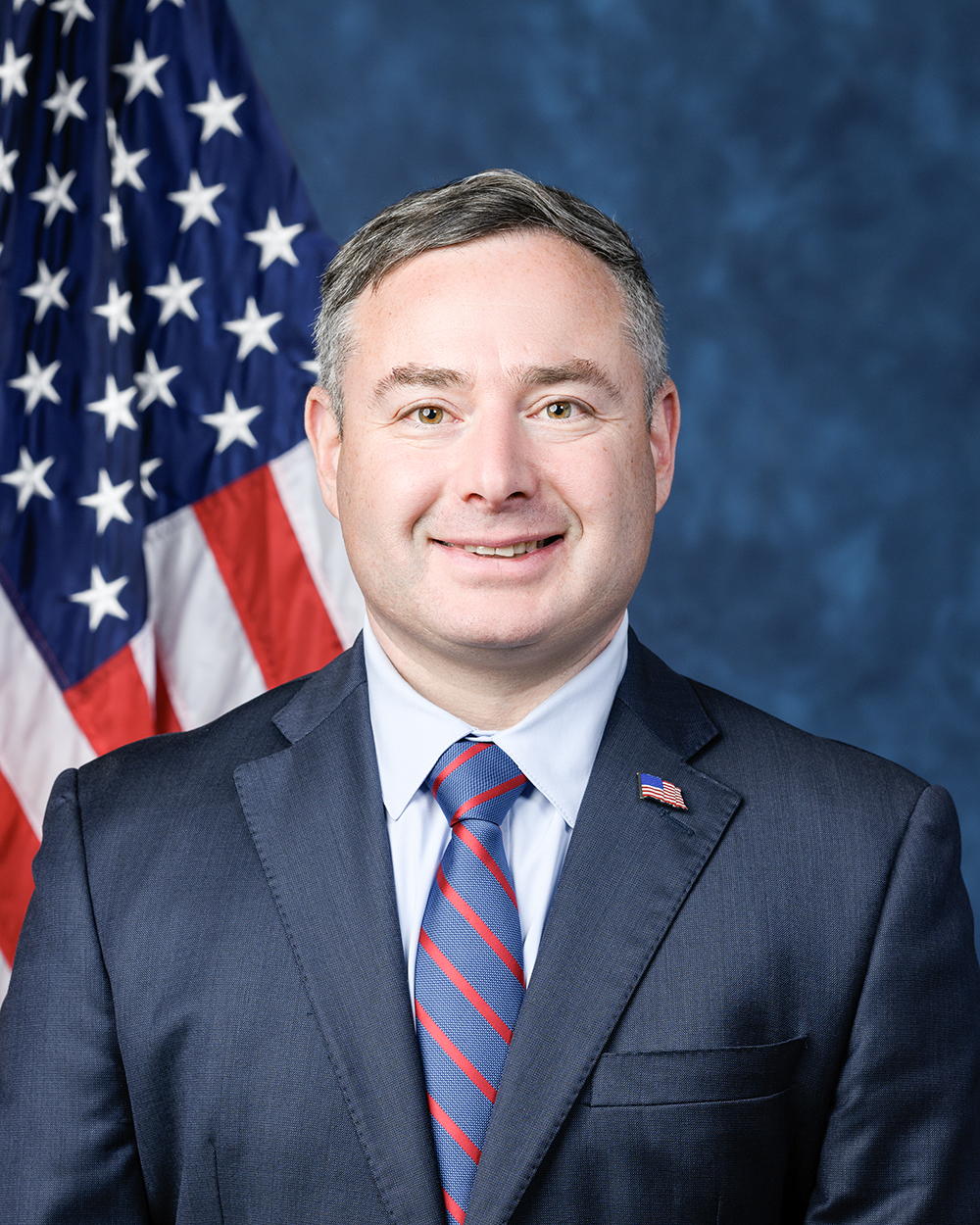
Rep. Eugene Simon Vindman
Sponsored bills
Maddy summaryHR 4038, the Wildfire Response and Preparedness Act of 2025, requires federal agencies managing wildfire response (like the Forest Service and Bureau of Land Management) to establish response time standards within 90 days of enactment. It sets a goal for federal agencies to respond to wildfires within 30 minutes and deploy suppression assets within 3 hours. The bill mandates a joint report to Congress within one year detailing agency coordination, budget requests, fleet requirements, and needed system improvements to meet these targets. This law directly affects how federal agencies manage wildfire response on public lands across the United States.
Maddy summaryThis resolution (HRES 985) expresses the House of Representatives' opposition to declawing cats for cosmetic or convenience reasons, not for medical necessity. It defines "declawing" broadly to include any procedure that disables a cat’s claws (such as surgical removal or tendon cutting), emphasizing that these practices cause long-term pain and behavioral issues. The resolution specifically supports banning elective declawing while allowing medically necessary procedures to address existing health conditions. It urges states without such bans to consider legislation, citing widespread support from veterinary organizations and existing bans in 7 U.S. states and numerous municipalities.
Maddy summaryThis bill prohibits U.S. federal funds from being used to support Venezuela's oil and petroleum sector, including financing infrastructure projects, purchasing property, providing insurance, making payments to companies, or government advocacy. It directly affects all federal agencies and programs that manage taxpayer money, preventing them from funding any aspect of Venezuela's oil industry. The bill requires the Secretary of State to submit annual reports to specific congressional committees detailing any related activities and confirming compliance. These provisions aim to restrict U.S. financial involvement in Venezuela's oil sector using clear, non-ambiguous language.
Maddy summaryThis bill creates a new federal tax credit for low-to-moderate income homeowners to offset energy costs. It allows a 75% credit for energy expenses (heating/cooling) exceeding 3% of a taxpayer’s modified adjusted gross income, capped at $1,500 annually ($3,000 for joint filers), and only applies to principal residences. The credit is available to individuals with modified AGI under $75,000 ($150,000 for joint returns), beginning in 2025 and expiring after 2027. It directly affects eligible homeowners facing high energy bills relative to their income, without altering other tax provisions.
Maddy summaryThis bill would increase the base pay for Federal Bureau of Prisons correctional officers by 35 percent, replacing their current base rate for all pay calculations (including retirement and locality adjustments). It applies to officers whose duties involve inmate custody, control, or direct custodial contact, including certain supervisory staff and lower-grade Bureau of Prisons employees with similar duties. The pay increase is capped at the Executive Schedule level V rate and would expire after five years unless a Department of Justice Inspector General review finds progress in reducing non-custodial staff use for custodial duties and excessive overtime. The review, required 180 days before expiration, would assess impacts on recruitment, retention, and institutional safety.
Maddy summaryThe Domestic Organic Investment Act of 2025 establishes a new grant program to strengthen the U.S. domestic organic supply chain. It provides federal grants (up to $2 million for facility projects, $100,000 for equipment) to eligible entities like organic producers, cooperatives, and tribal governments for expanding storage, processing, and distribution capacity. Grants require matching funds (50% for major projects, 25% for equipment) but may waive requirements for beginning farmers and veterans. The program aims to reduce reliance on imported organic products, modernize supply chain systems, and help entities meet certification and food safety standards. Funding is authorized for fiscal years 2026-2030.
Maddy summaryThis bill prohibits the interstate trade and possession of captive mink raised for fur production, directly affecting fur farmers and businesses involved in the mink fur supply chain. It includes an exception for entities covered under existing Lacey Act provisions and authorizes the Secretary to buy out mink farms at a price based on the farmer's recent mink population and farm infrastructure value. The law aims to end commercial mink farming for fur by banning related commerce while offering a voluntary transition option for affected farms. It does not apply to wild mink or non-fur-related mink uses.
Maddy summaryThis bill amends the Tree Assistance Program under the 2014 Agricultural Act to allow eligible orchardists and nursery tree growers to receive up to 25% of their recovery payment *before* they replant trees damaged by natural disasters. The key change permits the Secretary of Agriculture to disburse this advance payment upfront, rather than waiting until after replanting is complete. This directly affects growers who suffered tree losses and need financial support for replanting costs. The provision modifies existing payment rules without creating new eligibility requirements.
Maddy summaryThis bill establishes a program to reimburse small farms and beginning farmers for the full cost of required food safety audits (GAP audits). It directly affects small farms with average annual income under $350,000 or beginning farmers who must undergo these audits to sell to retailers. The program, funded by the Commodity Credit Corporation, requires annual reports to Congress on participation and market access improvements, and expires five years after enactment.