

Maddy summaryThe College Financial Aid Clarity Act of 2025 requires colleges and universities that receive federal financial aid to provide clearer, more standardized financial aid offers to students starting July 1, 2029. Institutions must include specific information such as total cost of attendance, grant and scholarship amounts, loan terms with interest rates, renewal requirements, and clear distinctions between required costs and other costs. The bill mandates plain language, consistent formatting, and requires institutions to provide links to resources like the College Financing Plan website and College Scorecard. This directly affects students receiving financial aid offers from participating institutions, aiming to make financial aid offers more transparent and easier to understand.
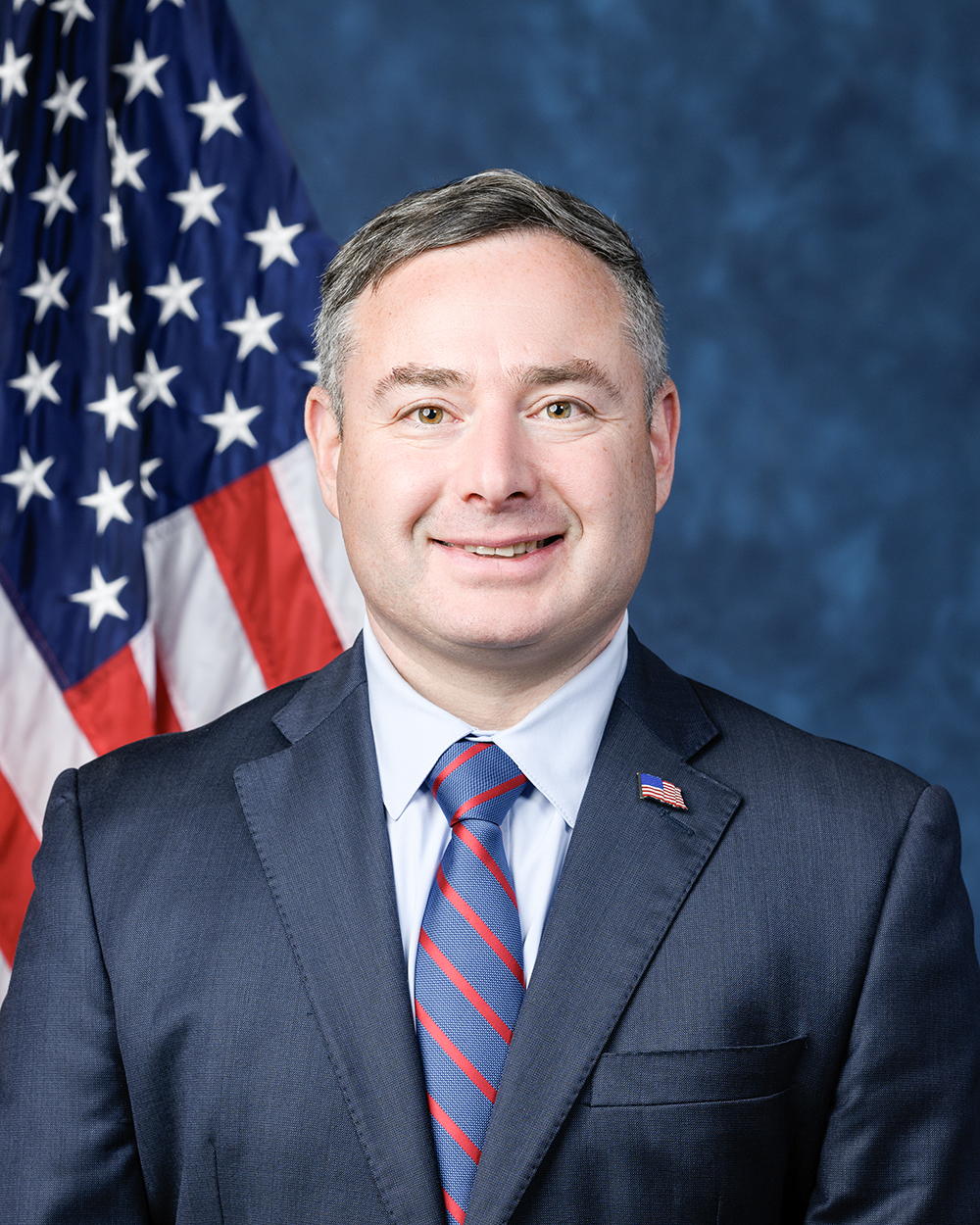
Rep. Eugene Simon Vindman
Sponsored bills
Maddy summaryThe Student Financial Clarity Act of 2025 requires colleges and the Department of Education to provide more transparent financial information about college costs and aid to prospective students. It establishes standardized definitions for terms like "net price required for completion" and mandates that the College Scorecard website include detailed, disaggregated data on costs, financial aid, time to completion, and student earnings by program of study and student characteristics such as income, race, and enrollment status. The bill also creates a Universal Net Price Calculator to help students estimate their costs based on their specific circumstances and requires colleges to make their own net price calculators available on their websites. This information aims to help students and families make more informed decisions about college affordability and financial aid. The changes will take effect for the 2027-2028 academic year.
Maddy summaryHR 6411, the Preshevo Valley Discrimination Assessment Act, requires the U.S. Secretary of State to submit a report within 180 days of enactment assessing potential discrimination against ethnic Albanians in Serbia's Preshevo Valley. The report must examine specific issues including whether Serbian authorities deactivate ethnic Albanians' registered homes (passivation), restrict Albanian language use in public documents and schools, limit access to identity documents, and provide unequal funding to majority-Albanian municipalities. It also covers whether Serbia disregards proportional integration of ethnic Albanians in public institutions, restricts cultural symbols, or uses law enforcement to intimidate residents. The bill mandates a detailed, unclassified report covering these 13 specific areas of concern. This is a procedural reporting requirement, not a policy change affecting U.S. law or funding.
Maddy summaryThe China AI Power Report Act requires the Secretary of Commerce to produce annual reports to Congress assessing China's artificial intelligence capabilities. These reports would cover detailed technical assessments of Chinese semiconductor manufacturing, AI models, research funding, computational capacity, and other key areas related to China's AI development. The legislation mandates specific evaluations of China's chip production, fabrication facilities, semiconductor equipment, AI models, and how these capabilities are being used domestically and internationally. The reports aim to inform U.S. export control policies and maintain U.S. strategic advantage in AI technology, with unclassified summaries to be made publicly available.
Maddy summaryHR 4105, the VET Act of 2025, establishes a federal grant program to help veterans, active-duty service members transitioning out of the military, and their spouses secure jobs in the energy industry. The program provides grants to energy companies (including manufacturers of solar, wind, or nuclear equipment) to cover costs like job training, recruitment, and relocation for eligible individuals - prioritizing those with military energy experience, in opportunity zones, or facing barriers like homelessness. Grants are capped at $10,000 per hire, with a maximum $500,000 annual limit per company, funded at $60 million yearly from 2026-2031. Companies must report on job retention, employee satisfaction, and program outcomes to the Department of Labor, with a final evaluation due to Congress by 2030.
Maddy summaryThis bill amends the Department of Defense's Transition Assistance Program (TAP) and the Department of Veterans Affairs' Solid Start Program to enhance mental health support during military-to-civilian transitions. It requires TAP to provide specific information on suicide risk factors (including depression, homelessness, and relationship strain), treatment options for conditions like PTSD and substance abuse, and the impact of losing social support systems. The Solid Start Program must now assist veterans in enrolling in VA healthcare and educate them about available mental health resources. The Secretaries of Defense and Veterans Affairs must jointly report to Congress within one year on the materials developed under these changes.
Maddy summaryHR 7163, the PUBLIC SAFETY Act, increases federal funding for local law enforcement by amending two key programs. It extends the deadline for COPS Hiring Program grants to September 30, 2030, and waives certain requirements for smaller jurisdictions (under 175 officers) and tribal governments to access funds. The bill appropriates $45 billion for fiscal year 2025 for the Byrne Justice Assistance Grant (JAG) Program, available until September 30, 2029. These changes directly affect local police departments, counties, municipalities, and tribal governments seeking federal funding to hire officers and support public safety initiatives. The core policy change is expanding access to funding for smaller agencies while significantly increasing overall grant availability.
Maddy summaryThis bill establishes a Senior Advisor for National Security within the USDA to coordinate national security efforts related to food and agriculture. It requires the USDA Secretary to submit biennial reports to Congress and the National Security Council identifying vulnerabilities such as foreign control of agricultural data, supply chain disruptions, cybersecurity risks, and dependence on foreign-sourced inputs. The bill mandates improved interagency coordination, including sharing personnel with defense and intelligence agencies, and requires the USDA to assess gaps in security efforts and propose solutions. The primary direct effect is on the USDA's internal operations and reporting structure, not on agricultural policies or farmers.
Maddy summaryHR 7101, the "No Delay in Representation Act," requires the House of Representatives to seat members elected in special elections within five legislative days of certification of results. It mandates that newly elected members be sworn in and seated as House Members by this deadline, overriding any existing rules or laws that might delay the process. If a member declines the oath during this period, the Speaker must administer it on a mutually agreed date. This bill directly affects individuals elected to fill House vacancies through special elections, ensuring faster integration into the legislative body.
Maddy summaryThe RAYS Act (HR 7092) requires secondary schools to include suicide prevention contact information on student identification cards or, if cards aren't issued, on school websites and student-accessible online platforms. Schools must list the 988 Suicide and Crisis Lifeline, Crisis Text Line, and a local suicide prevention hotline. The bill also allows schools to optionally add more mental health resources and mandates federal outreach to inform students, parents, and staff about these services. It takes effect one year after enactment for physical ID cards and 60 days later for digital methods.