

Maddy summarySB 1646 requires Oklahoma health insurance plans to cover medically necessary mental health and substance use disorder treatment without arbitrary limits, affecting all residents with such coverage. It mandates coverage for "core treatments" aligned with clinical standards (like those from psychiatric associations), prohibits limiting care to short-term/acute settings, and bans insurers from rescinding authorizations after services are provided. The bill also requires insurers to follow specific rules for reviewing treatment requests and ensures out-of-network care access when in-network options aren't available. This applies to all health benefit plans covering hospital or medical services in Oklahoma, aiming to align mental health coverage with physical health benefits. The bill is pending in committee as of February 2026.
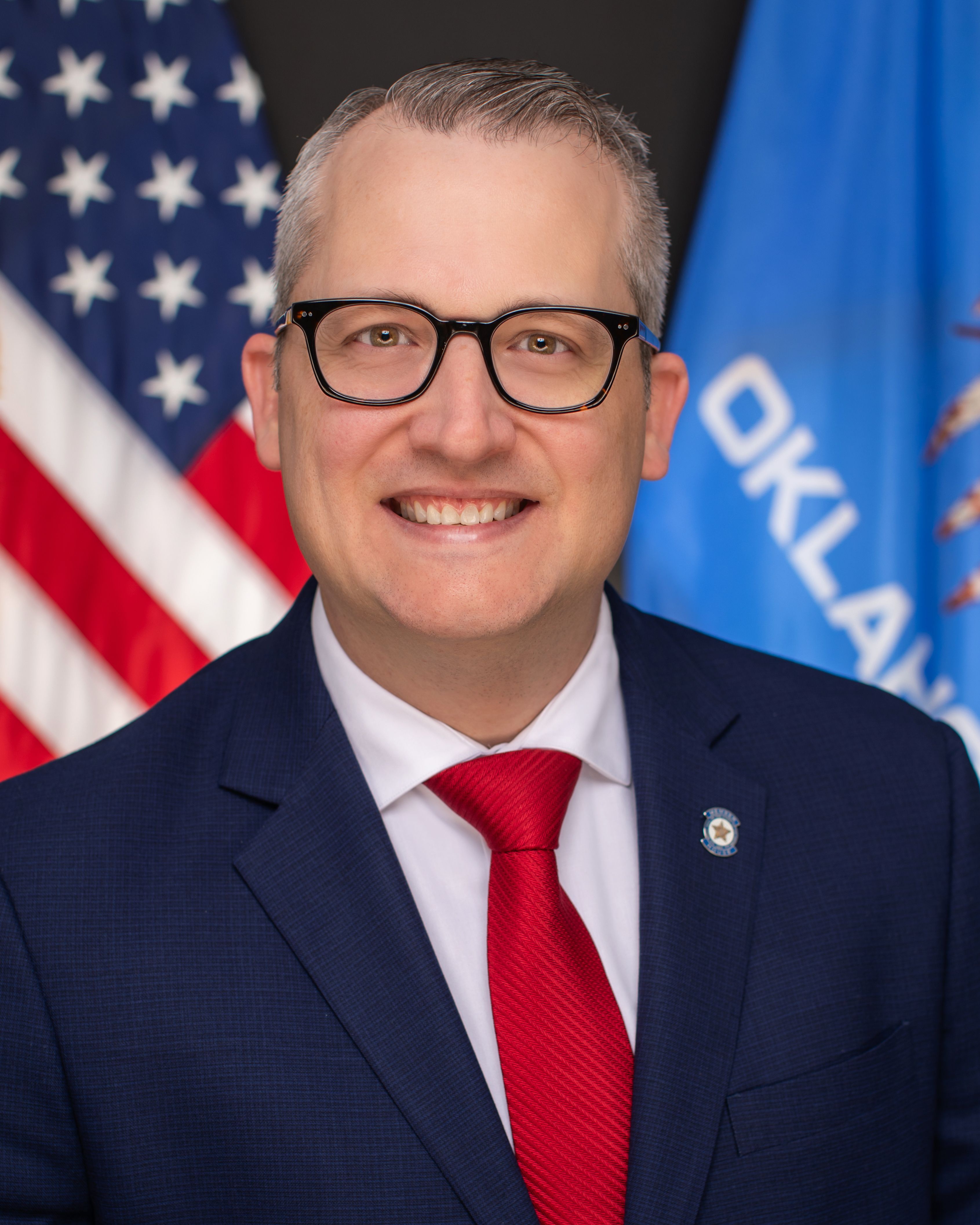
Rep. Mark Lawson
Sponsored bills
Maddy summarySB 2179 requires Oklahoma's Department of Mental Health to create a written individualized service plan for people found not guilty by reason of mental illness (NGRI/MI) within 45 days of their court adjudication. The plan must include treatment details, risk assessments, and service schedules, developed with the individual's input and based on a forensic psychological evaluation. Once approved by the court, the plan becomes part of the court's final order and must be reviewed quarterly for the first year, then semiannually, with updates provided to the court and parties. This bill directly affects NGRI/MI individuals, courts, mental health providers, and the Department of Mental Health by mandating structured treatment planning and oversight.
Maddy summarySB 182 modifies retirement benefits for certain Oklahoma state employees, specifically members of the Oklahoma Tax Commission. It allows these employees to elect, within 90 days of appointment, to use the highest salary allowed for their position (rather than their constitutionally capped salary) when calculating retirement contributions and benefits. This change applies to both current and newly appointed Tax Commission members, making their retirement benefits based on a higher compensation amount. The bill updates related sections of the Oklahoma Public Employees Retirement System statutes to reflect this election process.
Maddy summarySB 1288 amends Oklahoma law (63 O.S. 2021, Section 683.24) to require equal cost-sharing between the state and local governments (such as counties or cities) for federal disaster relief matching funds. It creates a dedicated "Emergency Management Disaster Relief Matching Fund" in the State Treasury to cover the state’s share of these costs, eliminating the need for annual legislative appropriations. This change directly affects all Oklahoma political subdivisions receiving federal disaster assistance under FEMA programs after a federally declared disaster. The bill declares an emergency to expedite its implementation.
Maddy summarySB 1612 requires medical professionals (including doctors, nurses, pharmacists, and emergency responders) to report specific injuries to law enforcement immediately if they involve gunshot wounds, knife attacks, poisonings, severe burns (covering 5%+ of the body or causing respiratory issues), or suspicious violence that could indicate a crime. Reports must include patient details, injury specifics, and any evidence like video footage from the facility (with non-patient images blurred), and must be made by phone right away with physical records within 72 hours. The bill grants immunity from civil liability for reporters and prohibits public disclosure of reports or retaliation against staff who comply. It also mandates preserving potential evidence (like bullets or damaged clothing) and overrides medical confidentiality rules for these reports.
Maddy summarySB 49 adds a new sales tax exemption for nonprofit organizations providing services to abused and neglected children in Oklahoma. The bill amends Oklahoma’s sales tax code to exempt these specific nonprofits from paying sales tax on purchases directly related to their child welfare services. To qualify, organizations must submit required documentation proving their services align with this exemption, which applies to tangible personal property and services used for this purpose. This policy change directly affects eligible child welfare nonprofits by reducing their operational costs.
Maddy summarySB 743 modifies sentencing for certain criminal disturbance offenses by specifying the range of punishments available to judges. It directly affects individuals charged with these specific offenses in court. The bill changes the legal elements defining these crimes and sets clear sentencing guidelines, replacing previous broader language. This emergency measure passed with strong legislative support (73-21) and is now moving toward final approval. (Note: Specific offense details or exact sentencing ranges are not provided in the available context.)
Maddy summaryHB 1580 creates an income tax credit for builders of newly constructed energy-efficient homes in Oklahoma. It provides a $2,000 credit for homes certified under the EPA's Energy Star Homes program or a $4,000 credit for homes certified under the Department of Energy's Zero Energy Ready Homes program. Builders can claim these credits once per property in the tax year the home is completed, with unused credits allowed to carry over for up to four years or be transferred to new property owners. The credit applies to homes completed on or after January 1, 2026, and is claimed against Oklahoma income tax.
Maddy summaryHB 3629 removes the requirement for courts to file an affidavit proving service of notice in criminal competency hearings. It deletes the specific affidavit filing step from Oklahoma law (22 O.S. § 1175.2), while keeping the existing notice content requirements for defendants and relatives. This change affects courts, defendants, attorneys, and family members involved in competency determinations by streamlining the procedural step for serving notice. The bill does not alter the substantive notice content or hearing timelines.
Maddy summaryHB 3618 modifies Oklahoma's sales tax revenue allocation to create dedicated funding for tourism. It directs 0.87% of sales tax revenue (with annual caps) to three tourism-related funds: 24% ($10 million max) to the Oklahoma Tourism Promotion Revolving Fund, 44% ($17 million max) to the Oklahoma Tourism Capital Improvement Revolving Fund, and 32% ($6.6 million max) to the Oklahoma Route 66 Commission Revolving Fund. These funds will support tourism promotion, infrastructure projects, and Route 66 initiatives. The bill affects state tourism entities and local tourism commissions by guaranteeing specific annual funding levels from sales tax revenue.