

Maddy summarySB 2060 updates Oklahoma's rules for creating "master development districts" (large-scale projects like new communities or commercial areas) that operate independently from cities. It requires 100% written consent from all surface property owners in the proposed district and sets a minimum threshold of either 250 acres or $250 million in projected private investment to qualify. The bill establishes independent boards of supervisors to govern these districts, granting them authority to make public improvements like streets, utilities, parks, flood control, and recreational facilities using district bonds. It also clarifies bond issuance rules for these districts under Section 39-115. This directly affects property owners within proposed districts and city planners developing large infrastructure projects.
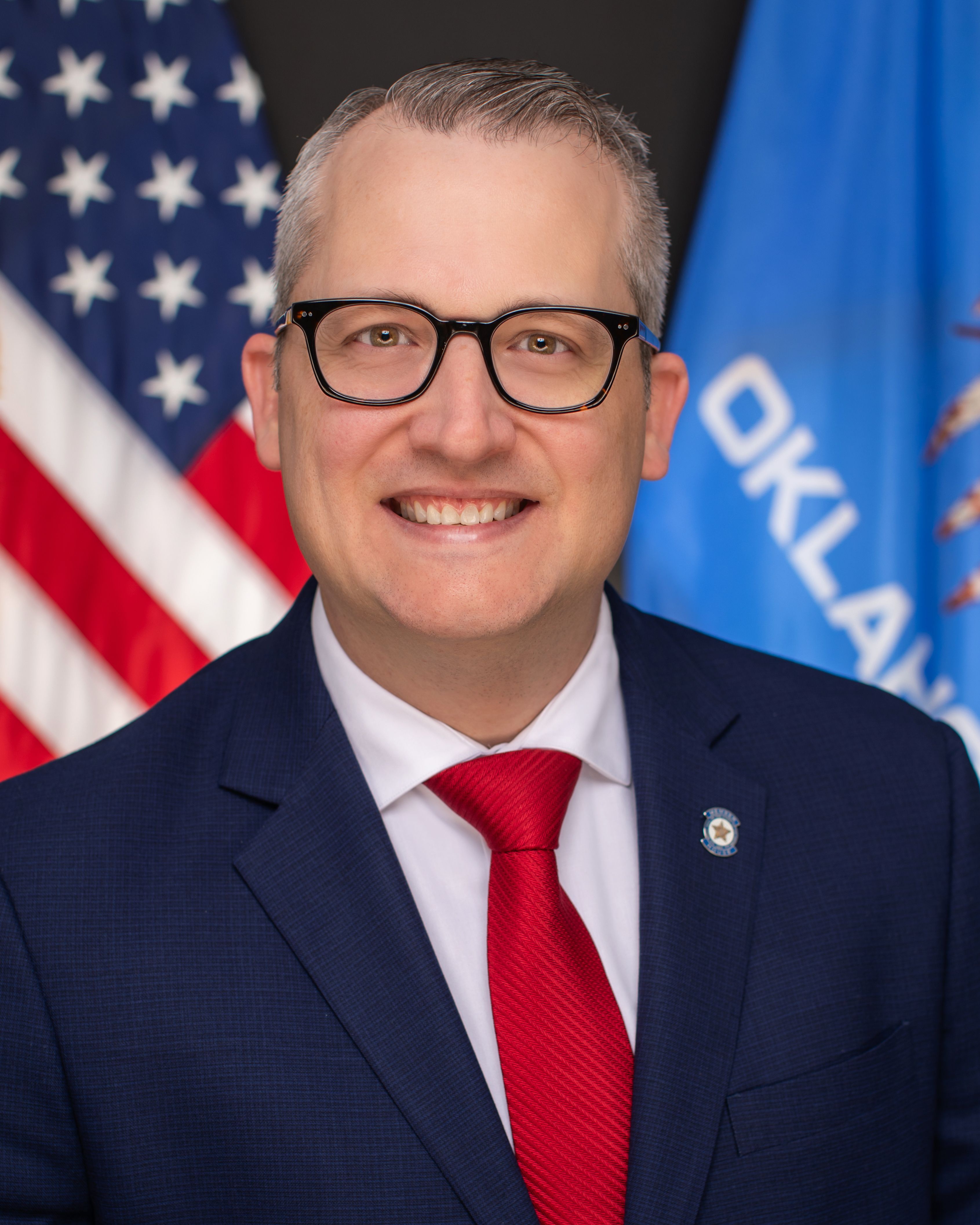
Rep. Mark Lawson
Sponsored bills
Maddy summaryHB 3619 creates a State Geographic Information Council composed of 19 state agency representatives and three gubernatorially appointed members to standardize geographic data across Oklahoma. The Council must develop statewide standards for geographic information systems (GIS), create a comprehensive GIS implementation plan, and establish a workgroup to map county boundaries. It also establishes an Office of Geographic Information within the Oklahoma Conservation Commission to manage these efforts, with a State Geographic Information Coordinator appointed by the Commission. The bill directly affects state agencies that use geographic data for land, water, and infrastructure management, ensuring consistent data sharing and reducing duplication of efforts.
Maddy summaryHB 3620 creates Oklahoma's 2030 Census Complete Count Committee to ensure an accurate population count for the 2030 U.S. Census. The 16-member committee - including legislative leaders, state/local government representatives, nonprofit leaders, and minority group advocates - will develop outreach strategies to boost participation, especially in hard-to-count communities. Key duties include creating a multilingual campaign, partnering with schools and community organizations, improving housing data, and making annual recommendations to state leaders. The committee must submit a final report by June 2030 and hold at least one meeting per year starting July 2027. This procedural bill directly affects all Oklahoma residents by influencing how federal funding and representation are determined based on census data.
Maddy summaryHB 3621 creates the Oklahoma State Data Center, managed by the Legislative Service Bureau, to serve as the state's primary hub for population data and official liaison to the U.S. Census Bureau. The Center will collect and analyze population statistics, produce annual demographic reports for the Governor and Legislature, and assist with redistricting, school boundary reviews, and federal census programs like the Local Update of Census Addresses. It will coordinate with state agencies, local governments, and tribal entities to ensure accurate demographic data for planning and funding decisions. The bill takes effect November 1, 2026.
Maddy summarySB 1696 creates the Oklahoma Talent Attraction and Relocation Revolving Fund in the state treasury to support a new program administered by the Oklahoma Department of Commerce. It provides grants to cities, counties, or qualifying nonprofits to recruit high-income households (earning at least $55,000 annually) relocating to Oklahoma from outside the state, with a maximum grant of $250,000 per municipality per year. Grants are disbursed in two installments: 50% upfront and 50% after verifying at least half of the targeted household relocations. Recipients must submit semiannual reports on relocation numbers, economic impact, and grant usage, and repay funds if goals aren't met or if funds are misused. The program takes effect November 1, 2026.
Maddy summaryHJR 1069 proposes two constitutional amendments to Oklahoma's Article XVII regarding county boundaries. Section 4 updates rules for creating new counties or altering boundaries, requiring 60% voter approval, setting minimum size (400 sq mi), population (15,000), and taxable wealth ($2.5 million) thresholds, and prohibiting boundary changes that reduce existing county size below new county standards. Section 8 revises legal descriptions of county boundaries using modern Geographic Information System (GIS) data from the Bureau of Land Management (2023), replacing outdated survey references. This bill directly affects Oklahoma counties and voters in areas where boundary changes or new counties are proposed, as it modifies how such changes are legally defined and approved.
Maddy summarySB 1570 creates a temporary Child Welfare Task Force (active until November 2027) to study and make recommendations on reducing foster care duration, preventing reentries after discharge, identifying reasons for child removal from homes, and supporting biological parents. The task force, composed of nine members including legislative leaders, state human services representatives, and appointed experts, must submit a final report to the Governor and legislative leaders by November 2027. It operates without paid members, requires state agencies to provide data and support, and specifies meeting rules and committee structures. This bill directly affects Oklahoma's child welfare system and state agencies by mandating a formal review process for foster care improvements. The task force's recommendations could influence future legislation but the bill itself does not enact new policies.
Maddy summarySB 1647 creates a revolving fund called the County Community Safety Investment Fund within Oklahoma's Department of Mental Health and Substance Abuse Services. The bill broadens the fund's purpose to support evidence-based county programs including mental health/substance abuse treatment, pretrial diversion, jail intake screenings, employment, education, and housing services. Counties and multi-county partnerships can apply for funding, while the Oklahoma Indigent Defense System Board may receive up to $1 million annually for similar programs. The bill requires annual reporting to state legislators on fund allocations and program outcomes. It becomes effective July 1, 2026, with an emergency declaration.
Maddy summarySB 1332, the THRIVE Act, creates a program providing zero-interest loans to eligible housing developers needing water, wastewater, or stormwater infrastructure to complete housing projects. It establishes a $100 million revolving fund administered by the Oklahoma Water Resources Board, allocating funds based on population size (33% to large cities, 33% to mid-sized areas, 34% to small communities). The program requires a scoring system for applications prioritizing housing needs, economic development, workforce housing, and fiscal sustainability, with a clawback provision requiring repayment if projects aren't completed. It mandates annual public reporting on project status and outcomes, effective November 1, 2026.
Maddy summaryHB 3617, the Oklahoma Agriculture Right to Repair Act, requires manufacturers of agricultural equipment to provide farmers with access to repair manuals, parts, tools, and diagnostic information needed to fix their own machinery. It directly affects farmers who maintain equipment like tractors and harvesters, as well as manufacturers who must comply with these requirements. Key provisions mandate that manufacturers cannot restrict access to repair resources through software locks or proprietary barriers, though exemptions apply for safety-critical components or security features. The bill aims to reduce repair costs and downtime for agricultural operations while ensuring manufacturers meet specific disclosure standards.