Issue · Technology

Technology

Every technology bill, vote, and legislator stance in Oklahoma, automatically classified by Maddy, our AI policy reader.

Total bills
159
2026 Regular Session
Top supporter
Josh West
91% support rate
Top opponent
Justin Humphrey
17% support rate
Ranked legislators
10
5 support · 5 oppose
Key legislators

Who's moving technology in Oklahoma

Legislators moving technology in Oklahoma
Legislator Party Stance Support rate Votes
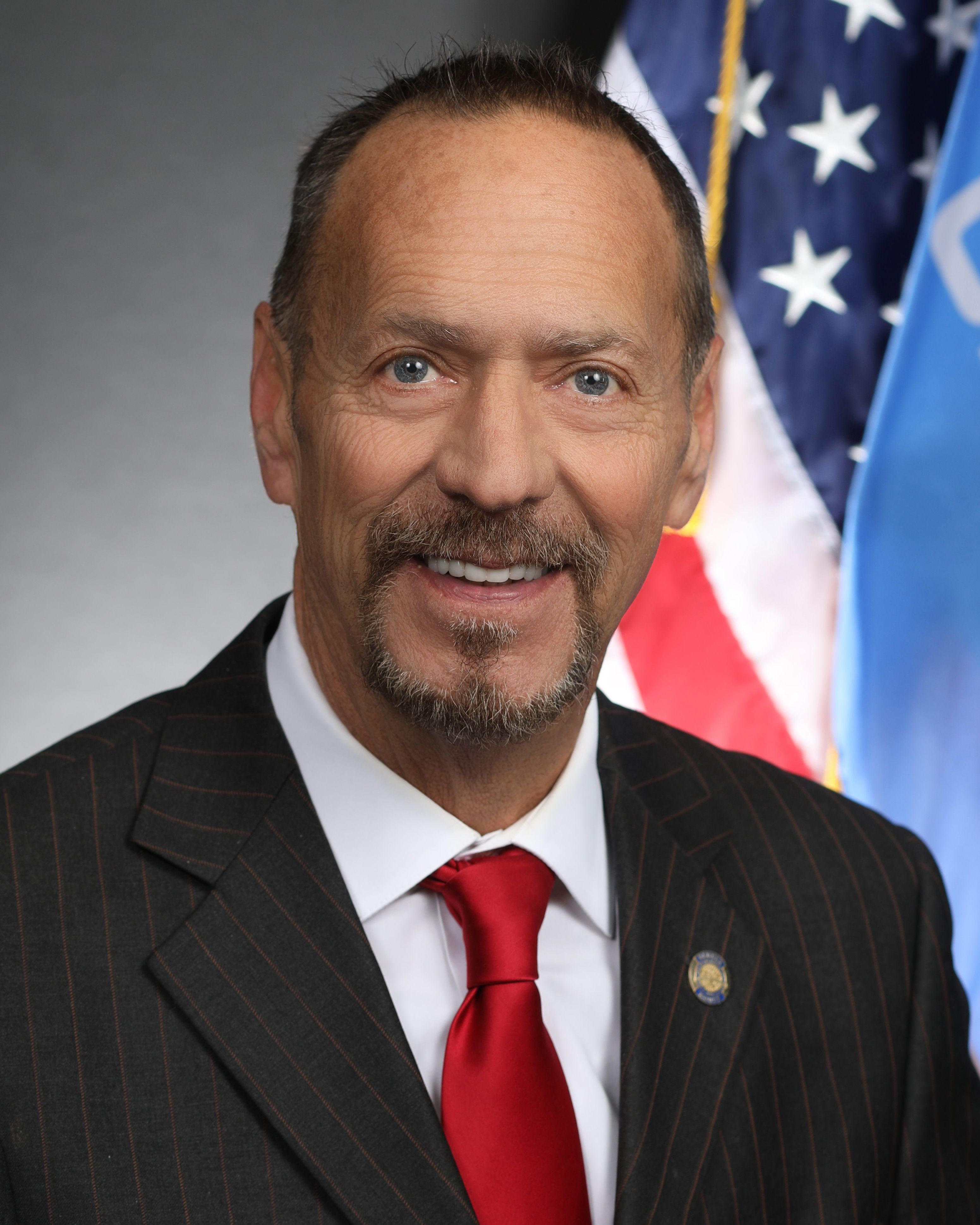
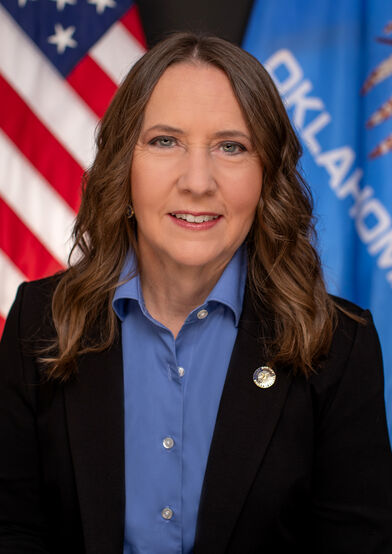
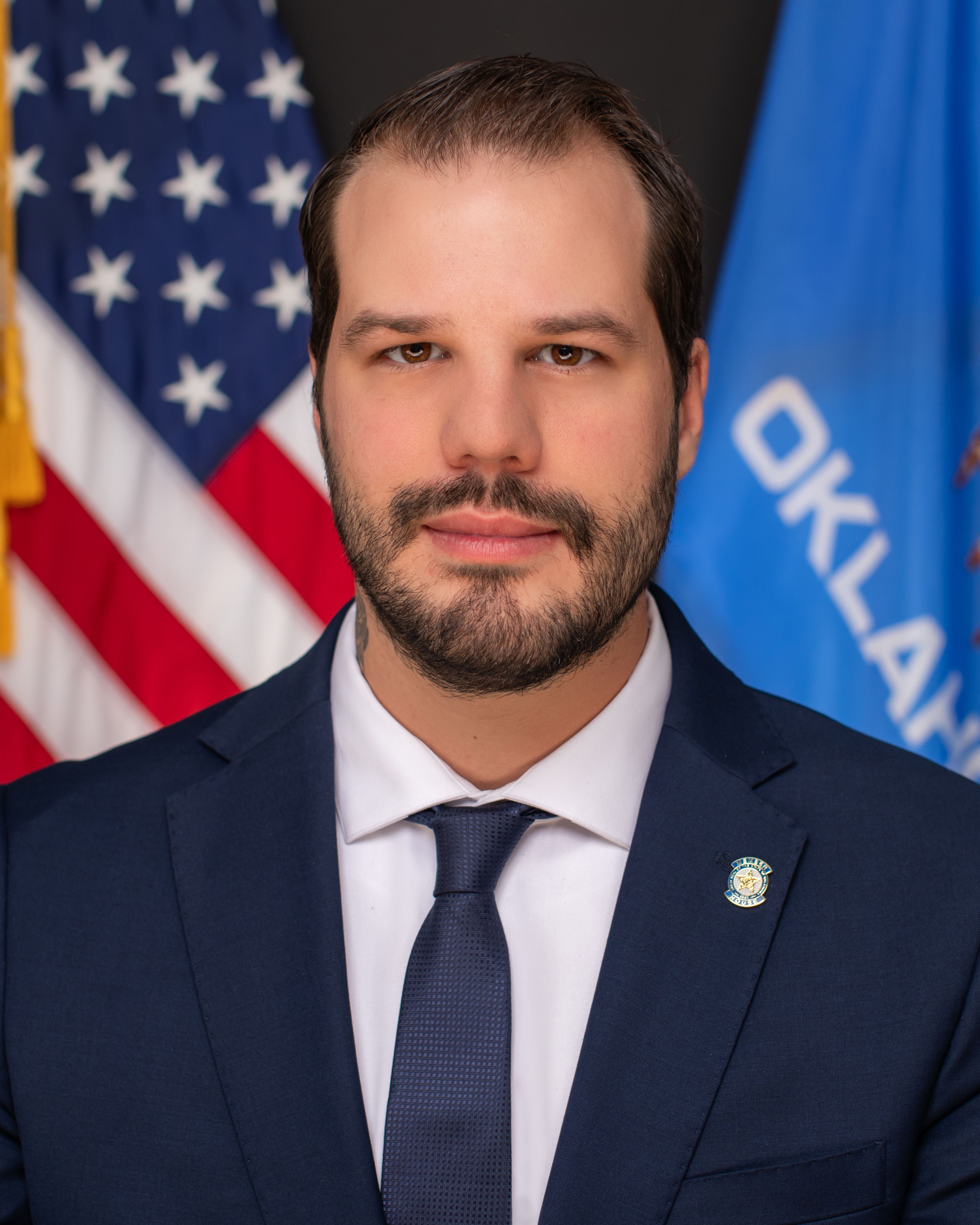
Josh West
Josh West House · District 5
R
Strong +
91% 140
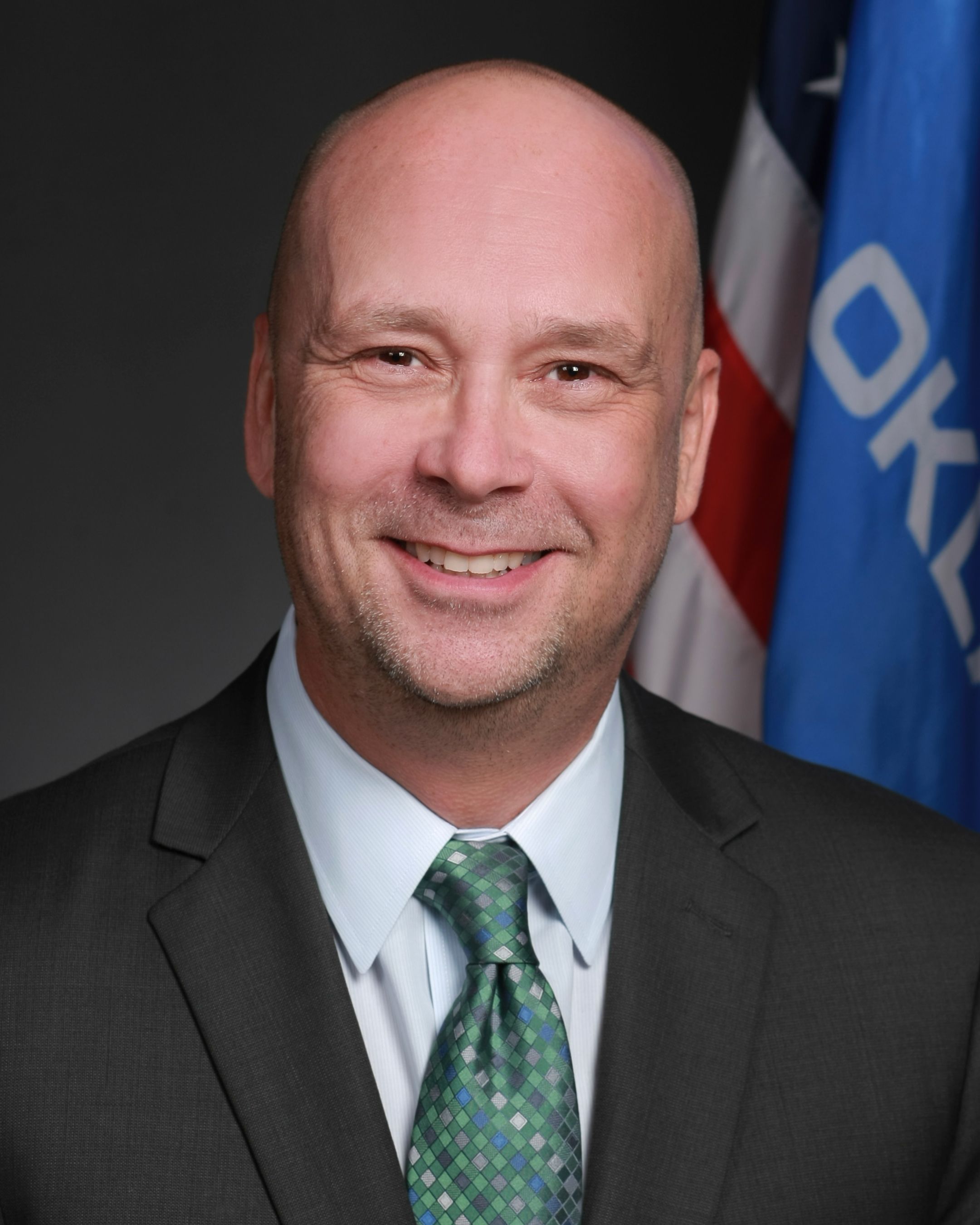
Ken Luttrell
Ken Luttrell House · District 37
R
Strong +
90% 127
Mike Osburn
Mike Osburn House · District 81
R
Strong +
90% 173
Mark Mann
Mark Mann Senate · District 46
D
Strong +
89% 165
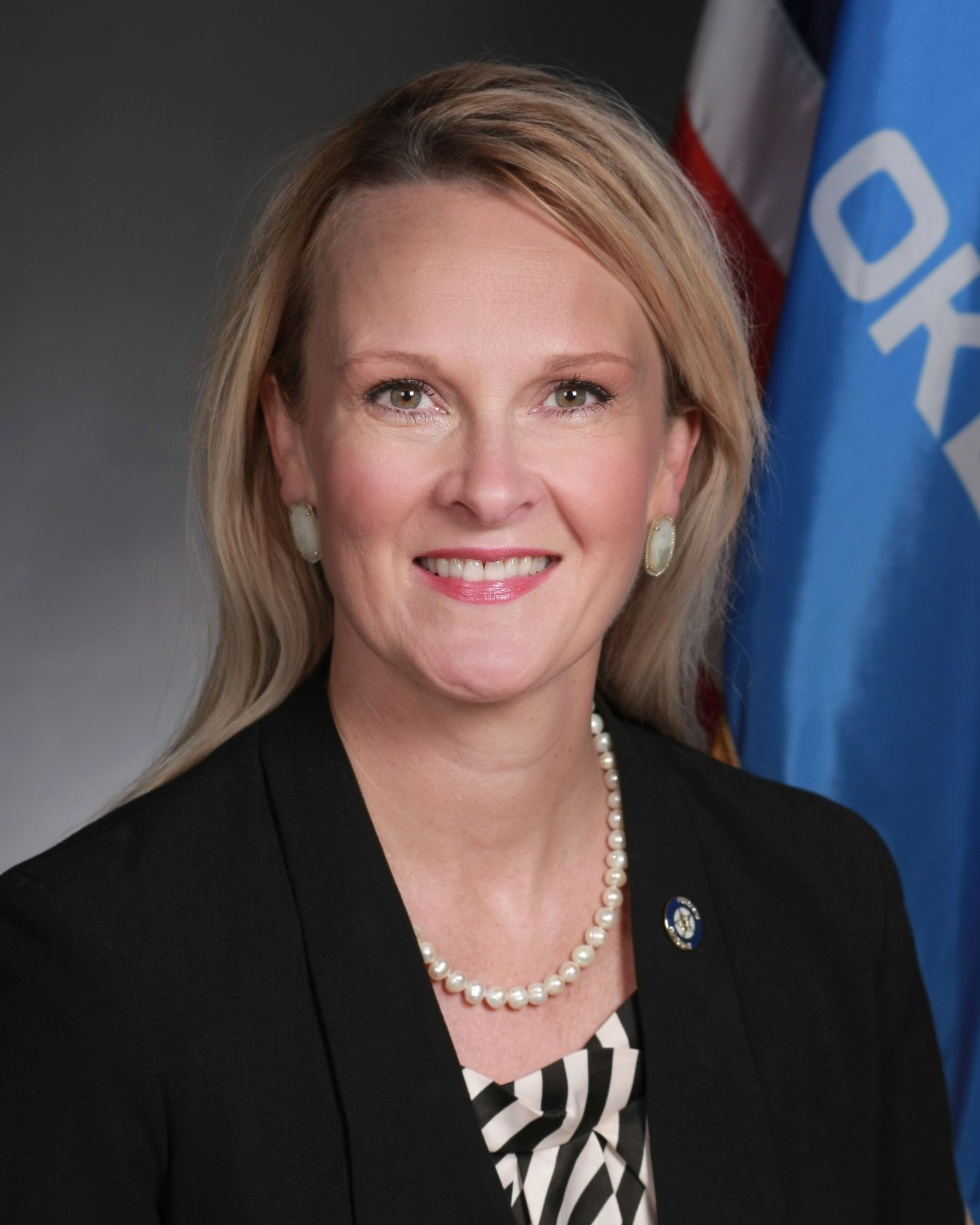
Toni Hasenbeck
Toni Hasenbeck House · District 65
R
Strong +
88% 151
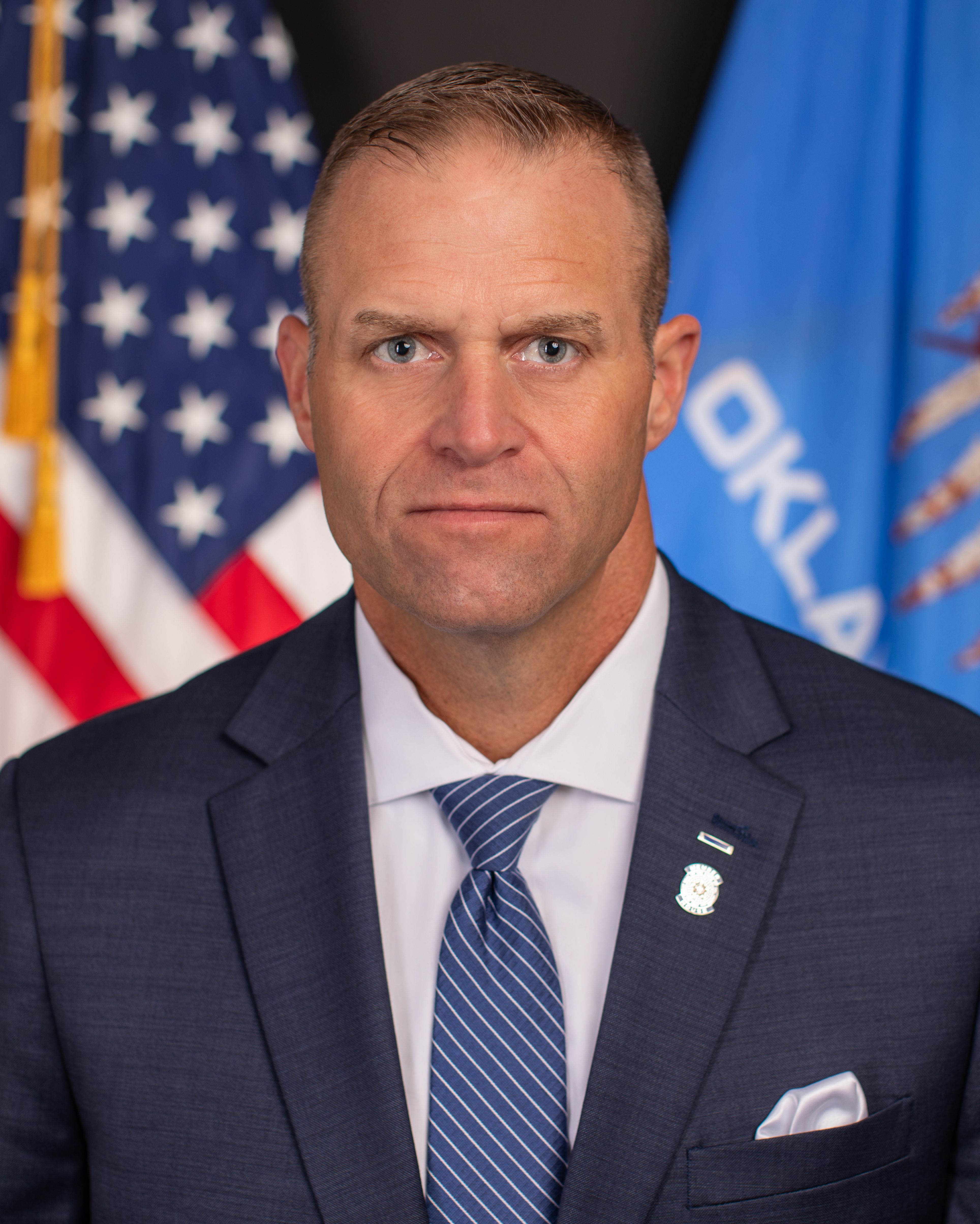
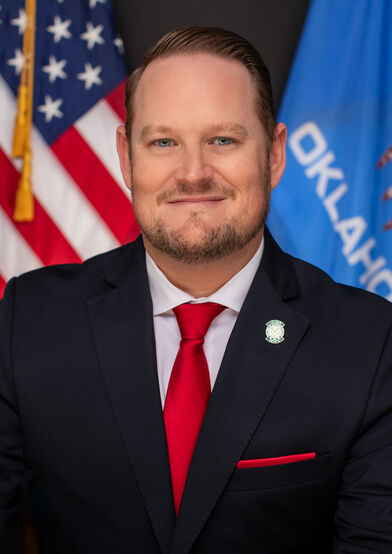
Justin Humphrey
Justin Humphrey House · District 19
R
Strong −
17% 102
Julie McIntosh
Julie McIntosh Senate · District 3
R
Strong −
17% 142
Brian Guthrie
Brian Guthrie Senate · District 25
R
Strong −
18% 149
Gabe Woolley
Gabe Woolley House · District 98
R
Strong −
19% 180
Tom Gann
Tom Gann House · District 8
R
Strong −
19% 163
Showing 11–20 of 159 bills

All technology bills

in committee · Oklahoma · Senate Feb 4, 2025

SB 584: Consumer credit; requiring signed disclosure statement before pulling a hard credit report; requiring the Department of Consumer Credit to prescribe form. Effective date.

SB 584 requires businesses to obtain a consumer's written consent before pulling a "hard" credit report for credit or insurance purposes, effective January 1, 2026. It directly affects Oklahoma consumers whose credit scores may be impacted by such reports, such as when applying for loans or insurance. The bill mandates a standardized disclosure form (to be provided by the Department of Consumer Credit) that must include the requester's details, the consumer's signature, and clear explanation of how the report affects their credit score. This ensures consumers are informed before their credit history is accessed for non-employment transactions.
died · Oklahoma · Senate Feb 12, 2026

SB 1719: Schools; extending prohibition on use of cell phones and personal electronic devices on certain campuses. Effective date. Emergency.

SB 1719 requires Oklahoma public school districts to adopt policies banning student use of cell phones and personal electronic devices (like smartphones, tablets, or smartwatches) campus-wide from "bell to bell" during instructional time for the 2025-2026 school year. Starting in 2026-2027, school boards may choose whether to implement such a ban. The policy must include disciplinary procedures and allow limited exceptions for emergencies or students monitoring health conditions. This directly affects all public school students and school boards across Oklahoma.
Sub-Topics Higher Education
died · Oklahoma · House Feb 9, 2026

HB 3179: Public health and safety; cultivated meat; prohibiting sale of; penalties; effective date.

HB 3179 bans the sale, distribution, or offer for sale of cultivated meat (meat grown from animal cells in a lab) in Oklahoma. It makes violations a misdemeanor and allows the Oklahoma State Department of Health to suspend or revoke food sellers' licenses for selling cultivated meat. The bill exempts research by government entities, colleges, or their partners with formal agreements. It takes effect November 1, 2026, and does not affect existing food safety rules for conventional meat.
in committee · Oklahoma · Senate Feb 3, 2026

SB 1982: Crimes and punishments; modifying provisions related to obscenity and child sexual abuse material. Effective date.

SB 1982 updates Oklahoma's legal definitions of child sexual abuse material (CSAM) and obscenity. It expands "child sexual abuse material" to include computer-generated images or altered depictions that appear to show minors engaged in sexually explicit conduct, and clarifies that each individual image constitutes a separate offense. The bill also modifies definitions of "obscene" material and "unlawful pornography" to align with current standards, while adding a severability clause to ensure unaffected parts of the law remain valid if challenged. This directly affects individuals distributing or possessing CSAM, including digital content that mimics minors, and requires internet service providers to take action to address such material.
in committee · Oklahoma · Senate Feb 17, 2026

SB 1435: Insurance; prohibiting use of credit information in personal insurance. Effective date.

SB 1435 prohibits Oklahoma insurers from using credit information to underwrite or rate personal insurance policies (like auto or homeowners coverage). It bans factors such as zip code, marital status, gender, or income in insurance scoring, and prevents denial/cancellation based solely on credit data. Insurers must use current credit reports within 90 days for new policies and update them every 36 months, with consumers able to request annual reevaluation. The law takes effect November 1, 2026, and repeals prior credit-related insurance provisions.
signed · Oklahoma · Senate May 4, 2026

SB 1441: Critical infrastructure; imposing criminal liability for use of unmanned aircraft in certain circumstances. Effective date.

SB 1441 prohibits operating unmanned aircraft (drones) below 400 feet over critical infrastructure facilities, such as power plants, water treatment plants, refineries, and telecommunications towers, without authorization. It bans drone contact with facilities, interference with operations, or proximity that disrupts functions. The law exempts government entities, law enforcement, facility owners/operators, and FAA-authorized commercial drone operators. Violators face civil liability for damages under existing Oklahoma law, with the bill effective November 1, 2026.
in committee · Oklahoma · Senate Feb 3, 2026

SB 1785: State government; creating the Citizen's Bill of Rights. Emergency.

SB 1785, the "Citizen's Bill of Rights," prohibits Oklahoma government and businesses from forcing digital payment systems without alternatives, monitoring spending habits, or denying services based on personal characteristics like race or political views. It guarantees citizens' rights to use gold/silver as currency, opt out of medical procedures (including vaccines), choose energy sources without tracking, maintain personal gardens or rainwater collection, and avoid social credit scores. The bill specifically restricts entities from using digital identification for travel or employment restrictions, tracking carbon usage, or penalizing personal agricultural practices. It applies to all state and federal government entities, businesses, and their agents operating in Oklahoma. The law aims to prevent coercion in financial, medical, energy, and personal freedom decisions while requiring publication of AI-related reports.
signed · Oklahoma · Senate May 29, 2026

SB 1859: Oklahoma State Bureau of Investigation; creating the Cyber Crime Fraud Unit; revolving fund. Effective date. Emergency.

SB 1859 creates a Cyber Crime and Fraud Unit within Oklahoma's State Bureau of Investigation (OSBI) to enhance investigations into cyber-enabled crimes (like ransomware and digital extortion), financial fraud (including identity theft), and digital evidence handling. The bill establishes a revolving fund with a $3 million appropriation from the General Revenue Fund for fiscal 2026, allowing the unit to operate without annual budget constraints. The unit can only investigate upon requests from local law enforcement, Governor direction, or under existing statutes - explicitly stating it does not expand OSBI's jurisdiction. It will provide technical support, training to law enforcement, and coordinate with federal and tribal partners on cybercrime cases.
signed · Oklahoma · Senate May 29, 2026

SB 2182: Civil remedies; creating the Uniform Civil Remedies for Unauthorized Disclosure of Intimate Images Act. Effective date.

SB 2182 creates a civil cause of action for Oklahomans whose intimate images (showing uncovered genitals, pubic area, anus, female nipples, or sexual conduct) are shared without consent. It allows victims to sue for damages - up to $10,000 per violation - or emotional distress if the disclosure was intentional and the victim had a reasonable expectation of privacy. The law includes exceptions for disclosures in law enforcement, medical treatment, or public interest, but bars these if the disclosure was for sexual gratification, humiliation, or profit. It also protects victims’ privacy by permitting courts to redact identifying information in legal documents.
in committee · Oklahoma · House Feb 3, 2026

HB 4424: Revenue and taxation; ad valorem; exemption; manufacturing facilities; data center; effective date.

HB 4424 exempts qualifying manufacturing facilities and data centers from property taxes for five years. It directly affects businesses meeting specific criteria, including data centers operational by January 1, 2027, with at least 50% out-of-state revenue, and facilities investing $500,000+ (adjusted annually for inflation) in new or expanded operations. Key provisions require annual verification of eligibility with the Oklahoma Tax Commission, including wage standards tied to the Oklahoma Quality Jobs Program for facilities seeking exemption after 2022. The bill also defines qualifying facilities to include certain data centers, distribution centers meeting investment and employment thresholds, and custom manufacturing under specific industry codes.
Showing 11 to 20 of 159 bills