Issue · Healthcare

Healthcare (Mental Health)

Every healthcare bill, vote, and legislator stance in Oklahoma, automatically classified by Maddy, our AI policy reader.

Total bills
83
2026 Regular Session
Top supporter
Aaron Reinhardt
100% support rate
Top opponent
Molly Jenkins
8% support rate
Ranked legislators
10
5 support · 5 oppose
Key legislators

Who's moving mental health in Oklahoma

Legislators moving mental health in Oklahoma
Legislator Party Stance Support rate Decisive votes
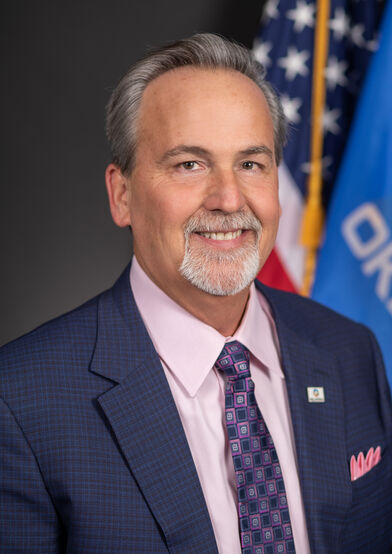
Aaron Reinhardt
Aaron Reinhardt Senate · District 37
R
Strong +
100% 22
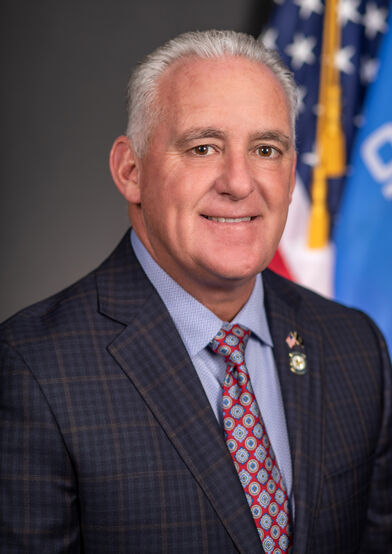
Bill Coleman
Bill Coleman Senate · District 10
R
Strong +
100% 22
Brenda Stanley
Brenda Stanley Senate · District 42
R
Strong +
100% 22
Paul Rosino
Paul Rosino Senate · District 45
R
Strong +
100% 22
Brent Howard
Brent Howard Senate · District 38
R
Strong +
100% 19
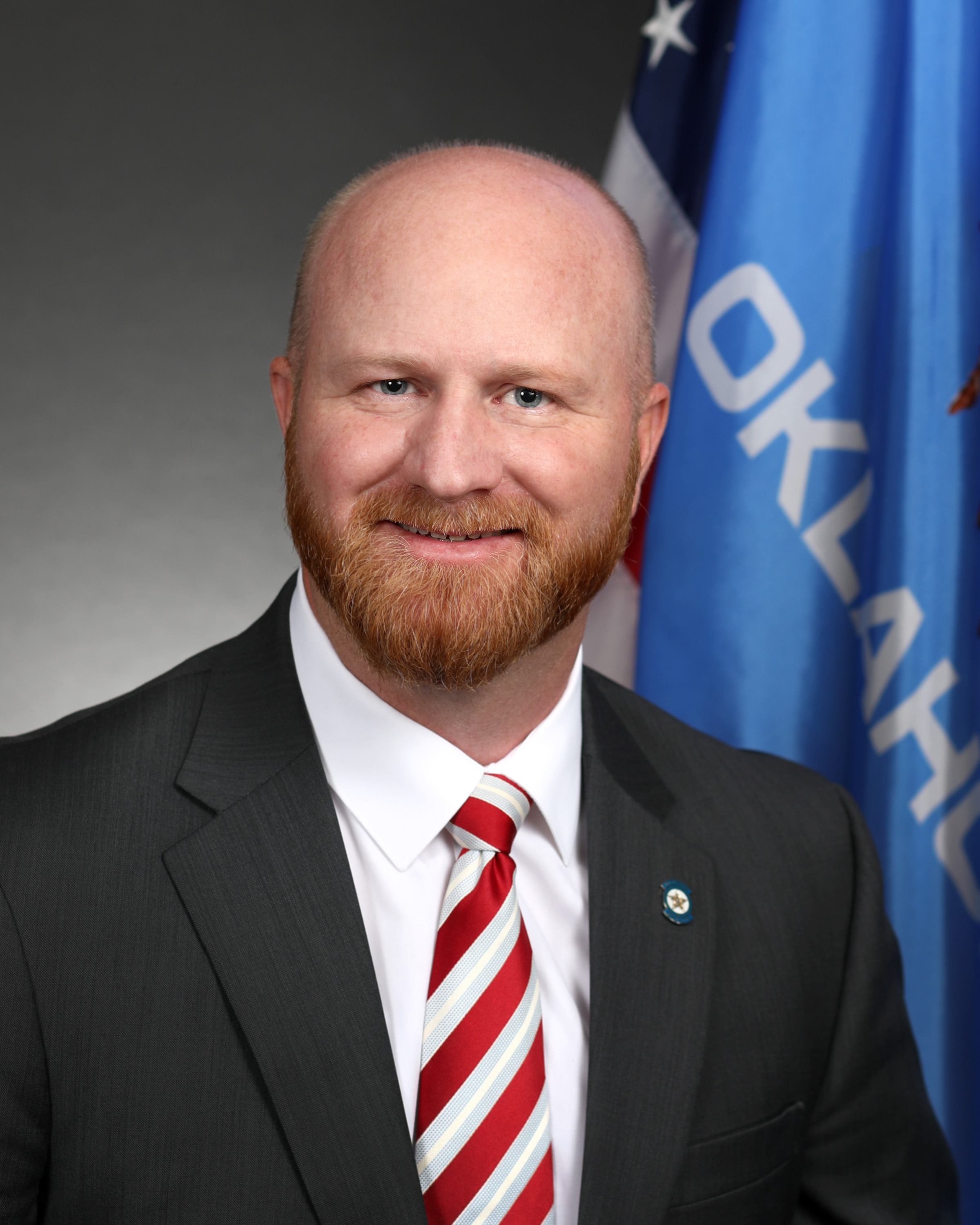
Molly Jenkins
Molly Jenkins House · District 33
R
Strong −
8% 13
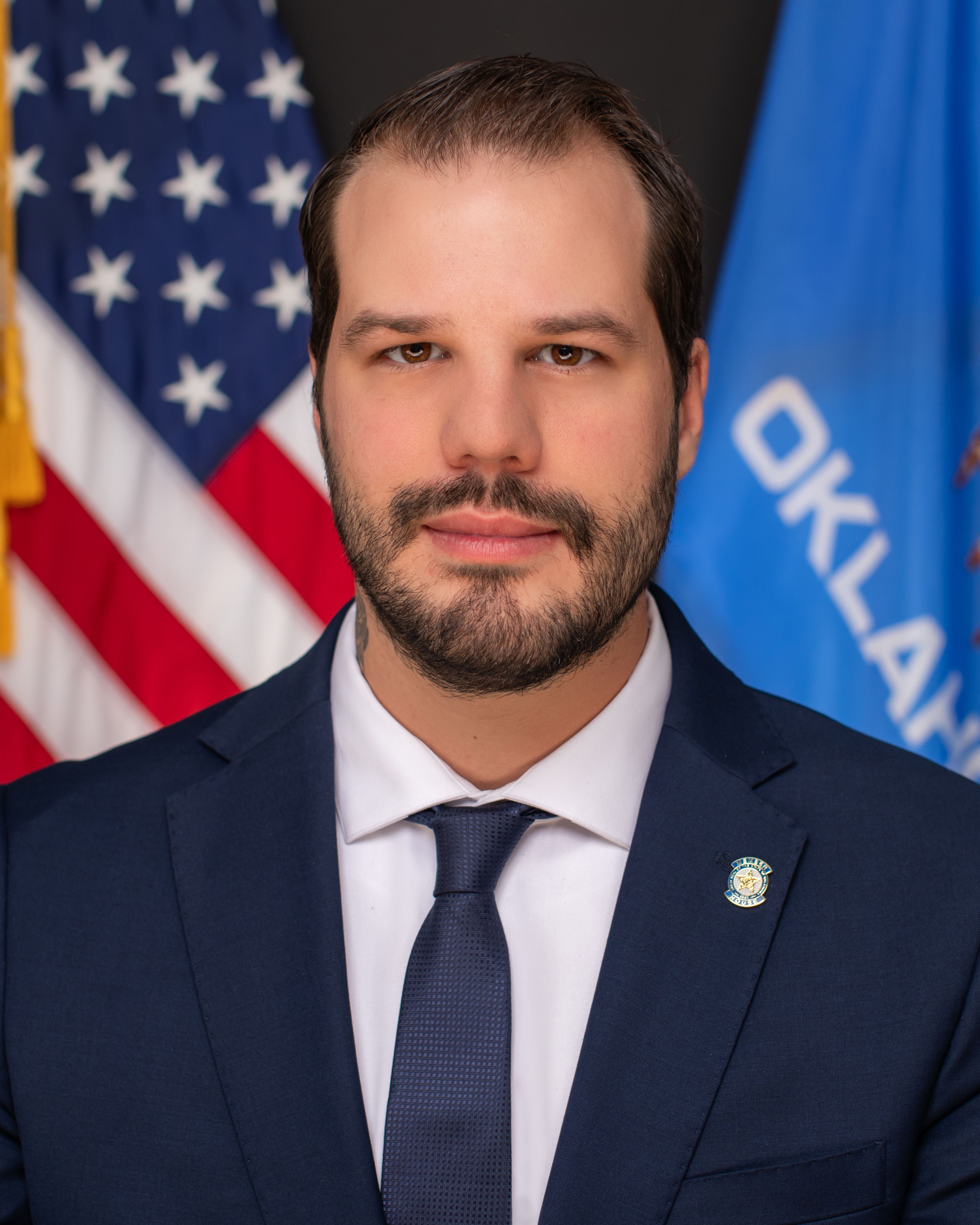
Gabe Woolley
Gabe Woolley House · District 98
R
Strong −
10% 10
Jim Shaw
Jim Shaw House · District 32
R
Strong −
10% 10
Rick West
Rick West House · District 3
R
Strong −
10% 10
Tom Gann
Tom Gann House · District 8
R
Strong −
10% 10
Showing 61–70 of 83 bills

All healthcare bills

vetoed · Oklahoma · House May 30, 2025

HB 2513: Department of Mental Health and Substance Abuse Services; individual to address the Department's consent decree; qualifications; emergency.

HB 2513, titled the "Oklahoma Mental Health Reform Act of 2025," proposed creating a position requiring an individual with specific qualifications to address the Department of Mental Health and Substance Abuse Services' court-ordered consent decree. The bill specified requirements for this appointee and included an emergency provision. It was scheduled to take effect November 1, 2025, but was pocket-vetoed by the Governor on May 30, 2025, with the veto taking effect June 15, 2025, meaning it never became law. The bill directly affected the Department's compliance with its existing legal agreement but was not enacted.
passed both · Oklahoma · House Mar 5, 2025

HCR 1004: Concurrent resolution; consent decree; Department of Mental Health and Substance Abuse Services, Oklahoma Forensic Center, and the putative class; approval.

HCR 1004 is a procedural resolution approving a consent decree resolving a class-action lawsuit against Oklahoma's mental health system. It formally authorizes the Oklahoma Legislature to adopt the court-approved settlement between the Department of Mental Health and Substance Abuse Services, the Oklahoma Forensic Center, and a group of individuals alleging inadequate competency restoration treatment for people found incompetent to stand trial. The decree resolves claims about delays in providing required treatment to ensure court competency, avoiding further litigation costs. This resolution does not create new policy but legally ratifies an existing court agreement.
passed · Oklahoma · House Apr 27, 2026

HB 2947: Behavioral health; terms; Medicaid; scope of practice; interns; administrative requirements; effective date.

HB 2947 adds a new provider code in Oklahoma Medicaid for master's and doctoral-level behavioral health clinical interns. These interns - graduate students in nationally accredited programs - can provide services under the direct supervision of licensed behavioral health providers (like LPCs or LCSWs) while following all Medicaid documentation and training requirements. The bill directly affects interns seeking practical experience and licensed supervisors who will oversee their Medicaid-covered services. It expands Medicaid access to behavioral health care by formalizing intern participation in the state's Medicaid plan.
in committee · Oklahoma · House Feb 4, 2025

HB 1115: Medicaid; Oklahoma Health Care Authority; mental health; children; effective date.

HB 1115 requires Oklahoma's Medicaid program to increase payment rates for mental health services provided to children 19 years of age or younger by 30%. This change directly affects mental health providers who serve Medicaid-eligible children under 19 by raising the reimbursement they receive for these services. The bill mandates a specific 30% rate increase for covered mental health services, without altering eligibility criteria. The policy becomes effective November 1, 2025.
Sub-Topics Medicaid Mental Health
died · Oklahoma · House Feb 11, 2025

HB 1589: School employees; Education Employee Assistant Program; Department of Mental Health and Substance Abuse Services; effective date; emergency.

HB 1589 creates a voluntary Education Employee Assistance Program within Oklahoma's Department of Mental Health and Substance Abuse Services. The program provides school employees and their families with confidential support for personal, mental health, or substance abuse issues - including emotional, financial, or family concerns - without impacting their employment status. Key provisions include keeping participation records separate from personnel files, prohibiting subpoenas for records unless a safety threat exists, and requiring school districts to follow Board-established rules for any existing or new employee assistance programs. The bill explicitly states that participation or nonparticipation does not affect disciplinary actions or employment terms.
in committee · Oklahoma · House Feb 4, 2025

HB 1042: Sunset; Opioid Overdose Fatality Review Board; extending sunset year.

HB 1042 extends the expiration date of Oklahoma's Opioid Overdose Fatality Review Board from July 1, 2025, to July 1, 2026, under the state's Sunset Law. The board, created within the Department of Mental Health and Substance Abuse Services, reviews opioid overdose deaths (for individuals 18+) to analyze causes, coordinate prevention efforts, and make system improvement recommendations to medical and law enforcement agencies. This procedural bill does not alter the board's existing duties - such as data collection, confidential case reviews, or annual reporting - but ensures its continued operation for one additional year.
in committee · Oklahoma · Senate Feb 4, 2025

SB 496: Governmental Tort Claims Act; modifying definition. Effective date.

SB 496 amends Oklahoma's Governmental Tort Claims Act by clarifying key definitions in Section 152. It specifically defines "charitable health care provider" as entities offering free care to medically indigent patients and expands "community health care provider" to include those working with federally qualified health centers or pending applications. The bill also broadens "employee" to explicitly include certain healthcare professionals (like administrative physicians, resident doctors, and mental health staff) under state contracts. These changes directly affect healthcare providers, state agencies, and individuals filing tort claims against the state or political subdivisions. The amendment aims to clarify eligibility under the tort claims process without altering core legal procedures.
Sub-Topics Mental Health
signed · Oklahoma · House May 8, 2025

HB 2049: Medicaid parity; coverage; mental health and substance use disorders; contract compliance; noncompliance reviews; Oklahoma Health Care Authority; complaints; publication of reports; effective date.

HB 2049 requires Oklahoma's Medicaid managed care plans to comply with federal parity laws for mental health and substance use disorder coverage. It mandates regular compliance checks on nonquantitative treatment limitations (like prior authorization), creates a standardized process for handling parity complaints, and requires the Oklahoma Health Care Authority to publicly report on compliance. The law directly affects Medicaid managed care plans, the Oklahoma Health Care Authority, and Medicaid beneficiaries seeking mental health or substance use services. Key provisions include contract requirements for parity analysis, public disclosure of compliance reports, and a 30-day deadline for publishing federal reports. The bill became effective November 1, 2025.
in committee · Oklahoma · Senate Mar 11, 2025

SB 1036: Ambulance service; requiring coverage for certain services. Effective date.

SB 1036, the "Oklahoma Triage, Treat, and Transport to Alternative Destination Act," requires health insurers in Oklahoma to cover specific ambulance services starting January 1, 2026. It mandates coverage for ambulance providers treating patients in place, triaging/treating/transporting to lower-acuity facilities (like urgent care or mental health centers), or for encounters resulting in no transport. This affects insurers, ambulance services, and people covered by health insurance plans. The law excludes hospitals, dialysis centers, and residential settings from "alternative destinations" and sets minimum reimbursement rates for ambulance services. It applies to all new or renewed health insurance contracts on or after the effective date.
in committee · Oklahoma · House Feb 4, 2025

HB 1397: Telemedicine for mental health; consent for medical treatment of minor; exceptions; penalties for violations; effective date.

HB 1397 requires written parental or guardian consent for most medical treatments, including prescriptions and surgeries, for minors under Oklahoma law. It specifically allows schools to use school-year consent for telemedicine mental health services at school sites without requiring parents to be present during the session. The bill exempts emergency care and abortions (which follow separate abortion laws), and violations carry misdemeanor penalties. This directly affects minors, parents/guardians, schools, and healthcare providers offering telemedicine services.
Showing 61 to 70 of 83 bills
Previous 1 … 6 7 8 … 9 Next