Issue · Education

Education (School Choice)

Every education bill, vote, and legislator stance in Oklahoma, automatically classified by Maddy, our AI policy reader.

Total bills
57
2026 Regular Session
Top supporter
Dave Rader
100% support rate
Top opponent
Nikki Nice
0% support rate
Ranked legislators
10
5 support · 5 oppose
Key legislators

Who's moving school choice in Oklahoma

Legislators moving school choice in Oklahoma
Legislator Party Stance Support rate Votes
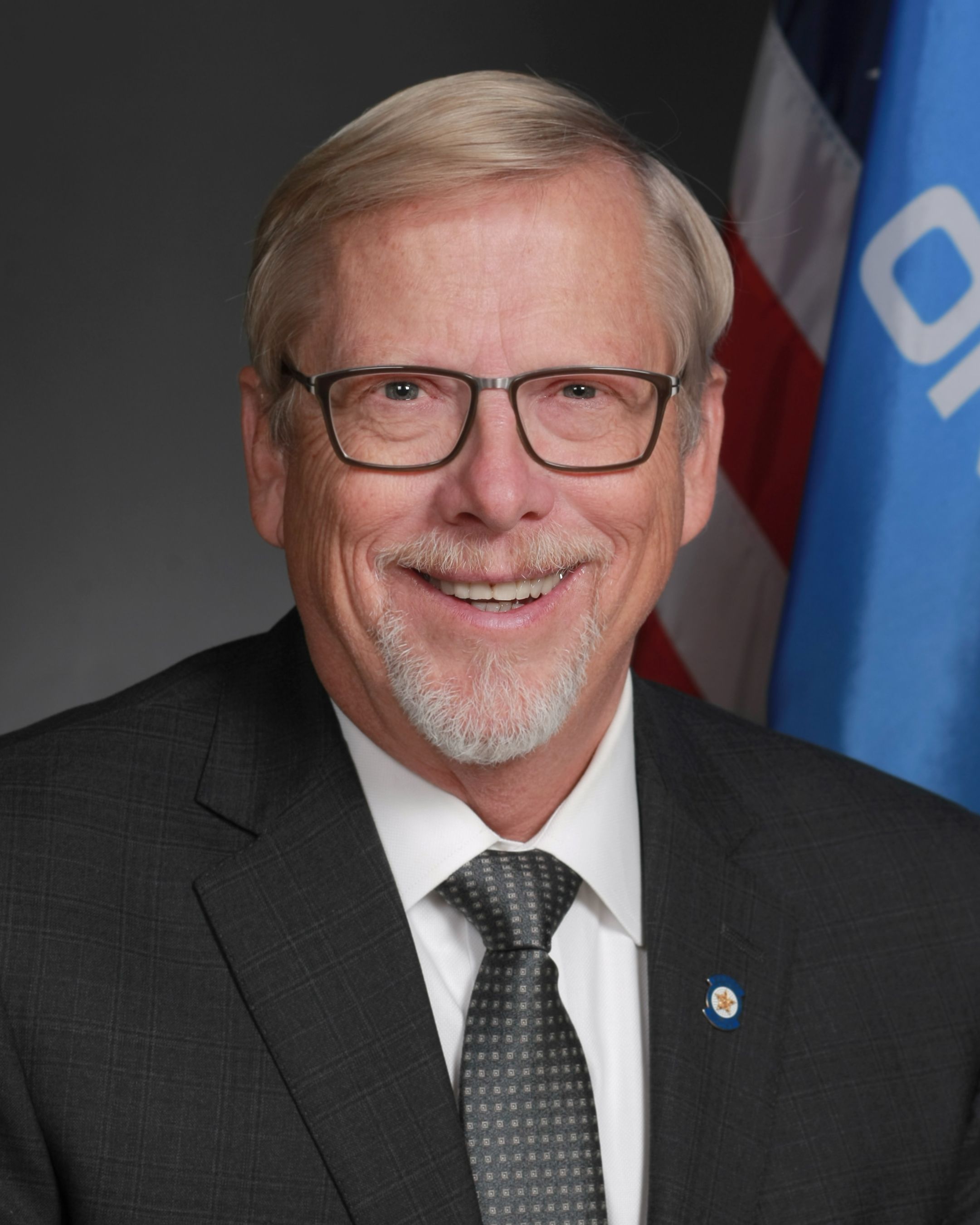
Dave Rader
Dave Rader Senate · District 39
R
Strong +
100% 31
Ally Seifried
Ally Seifried Senate · District 2
R
Strong +
100% 25
Brian Hill
Brian Hill House · District 47
R
Strong +
100% 25
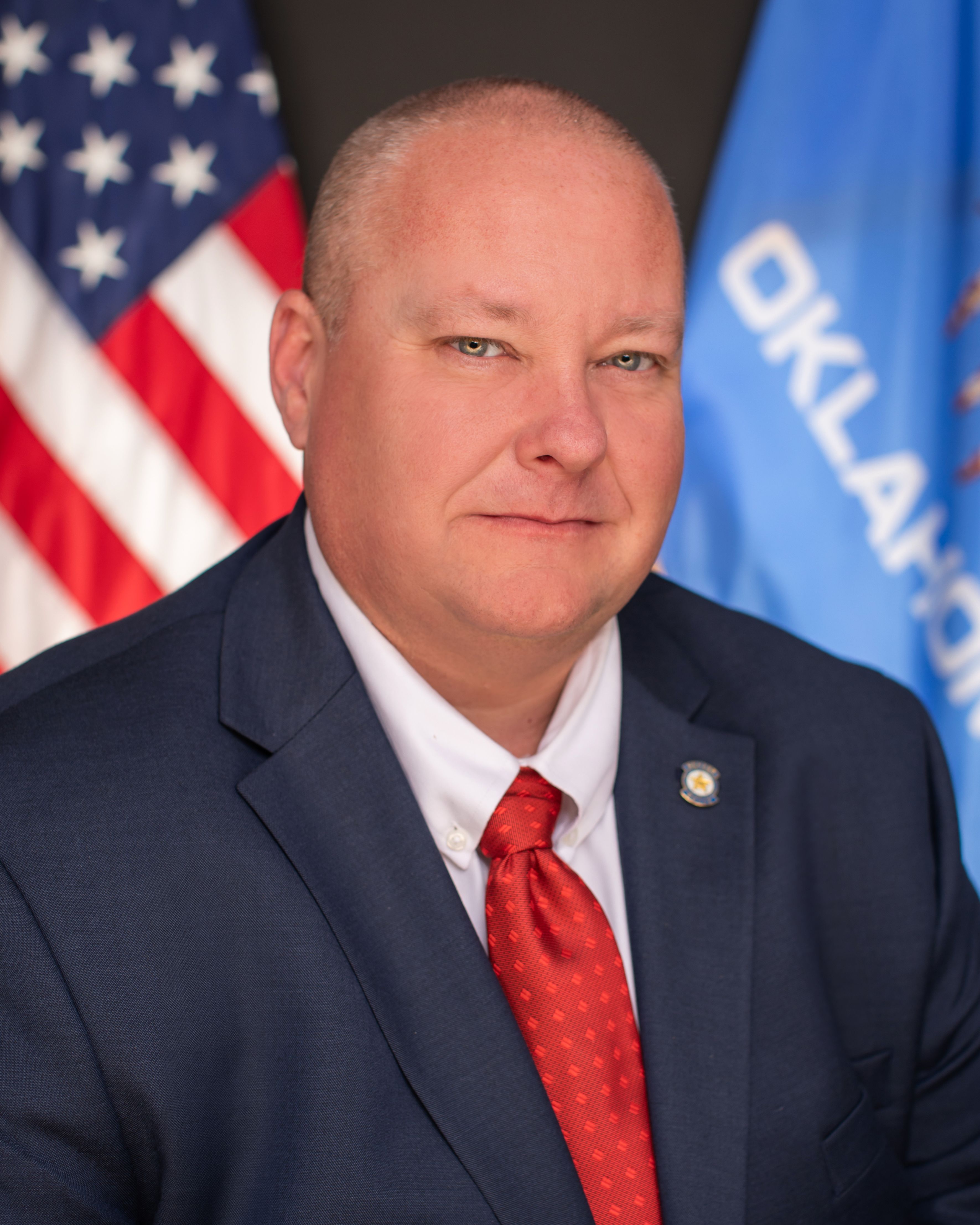
Carl Newton
Carl Newton House · District 58
R
Strong +
100% 25
Dell Kerbs
Dell Kerbs House · District 26
R
Strong +
100% 22
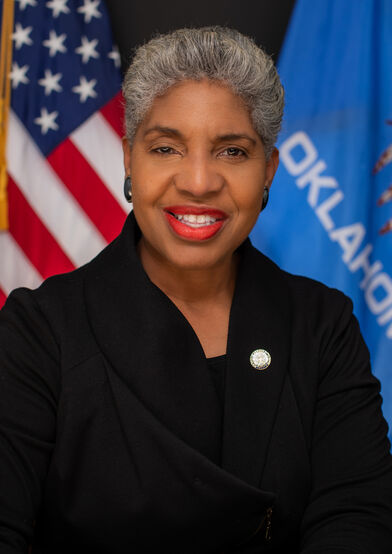
Nikki Nice
Nikki Nice Senate · District 48
D
Strong −
0% 13
Regina Goodwin
Regina Goodwin Senate · District 11
D
Strong −
0% 13
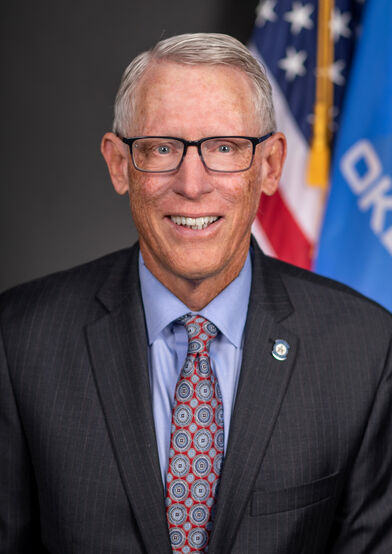
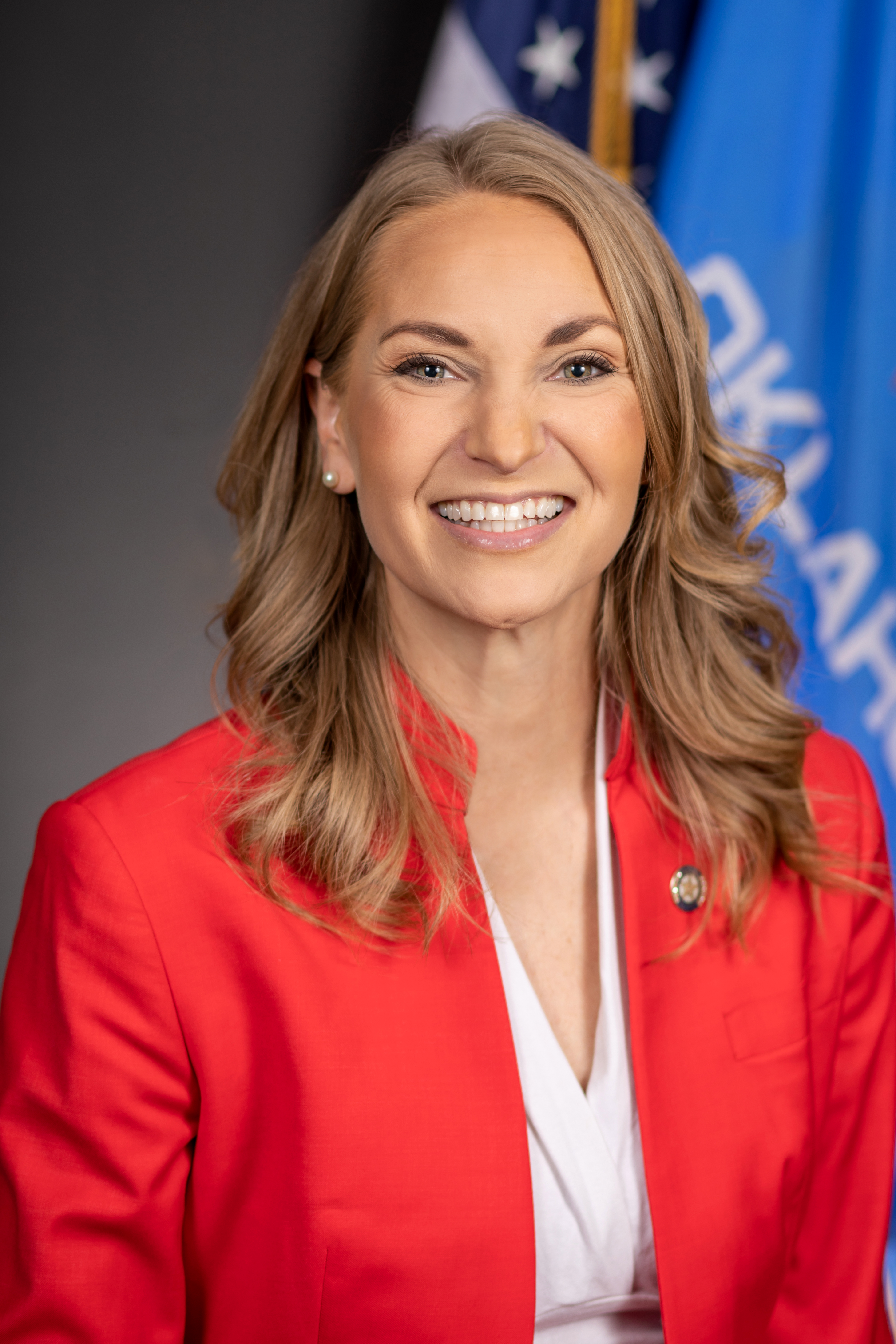
Carri Hicks
Carri Hicks Senate · District 40
D
Strong −
4% 25
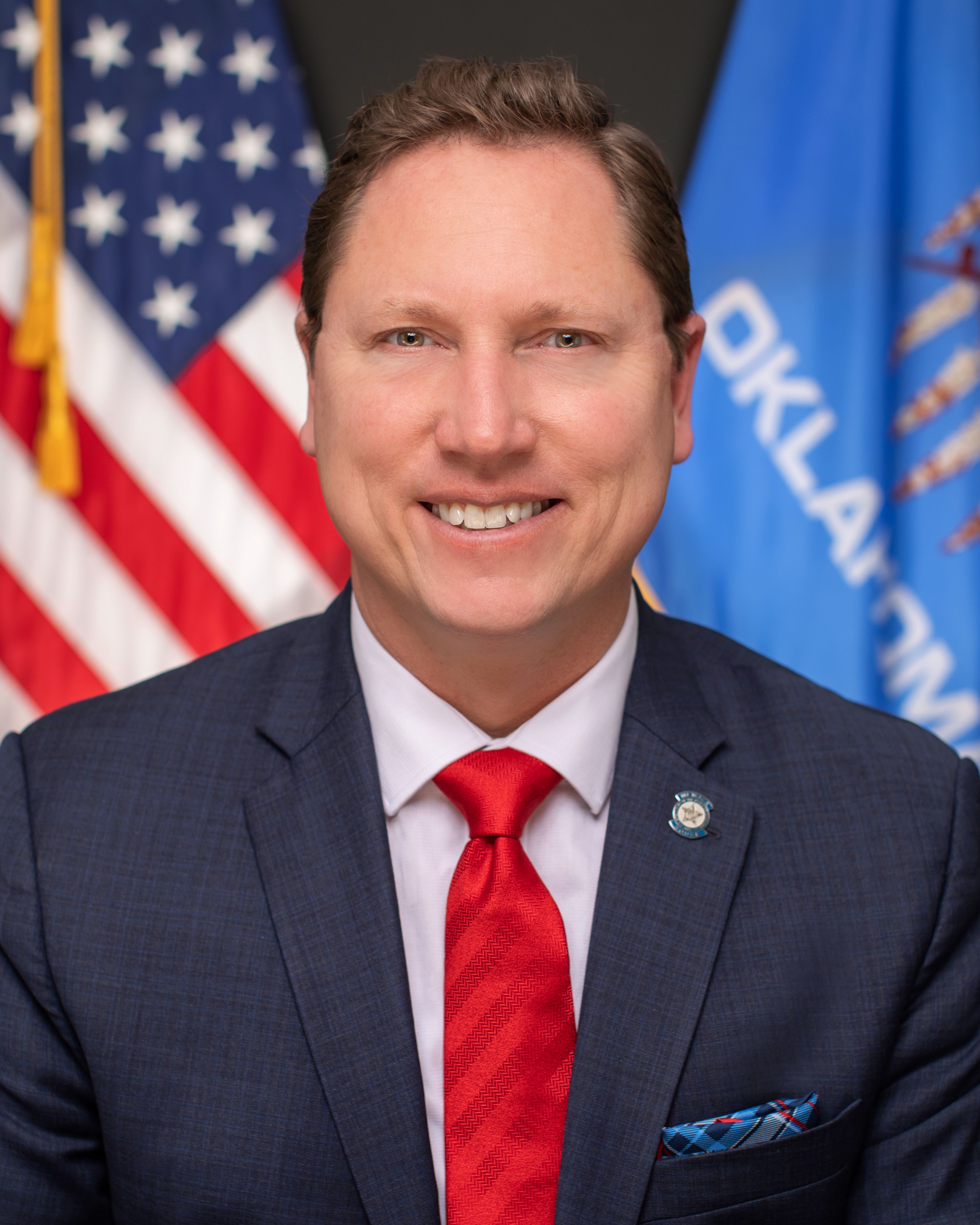
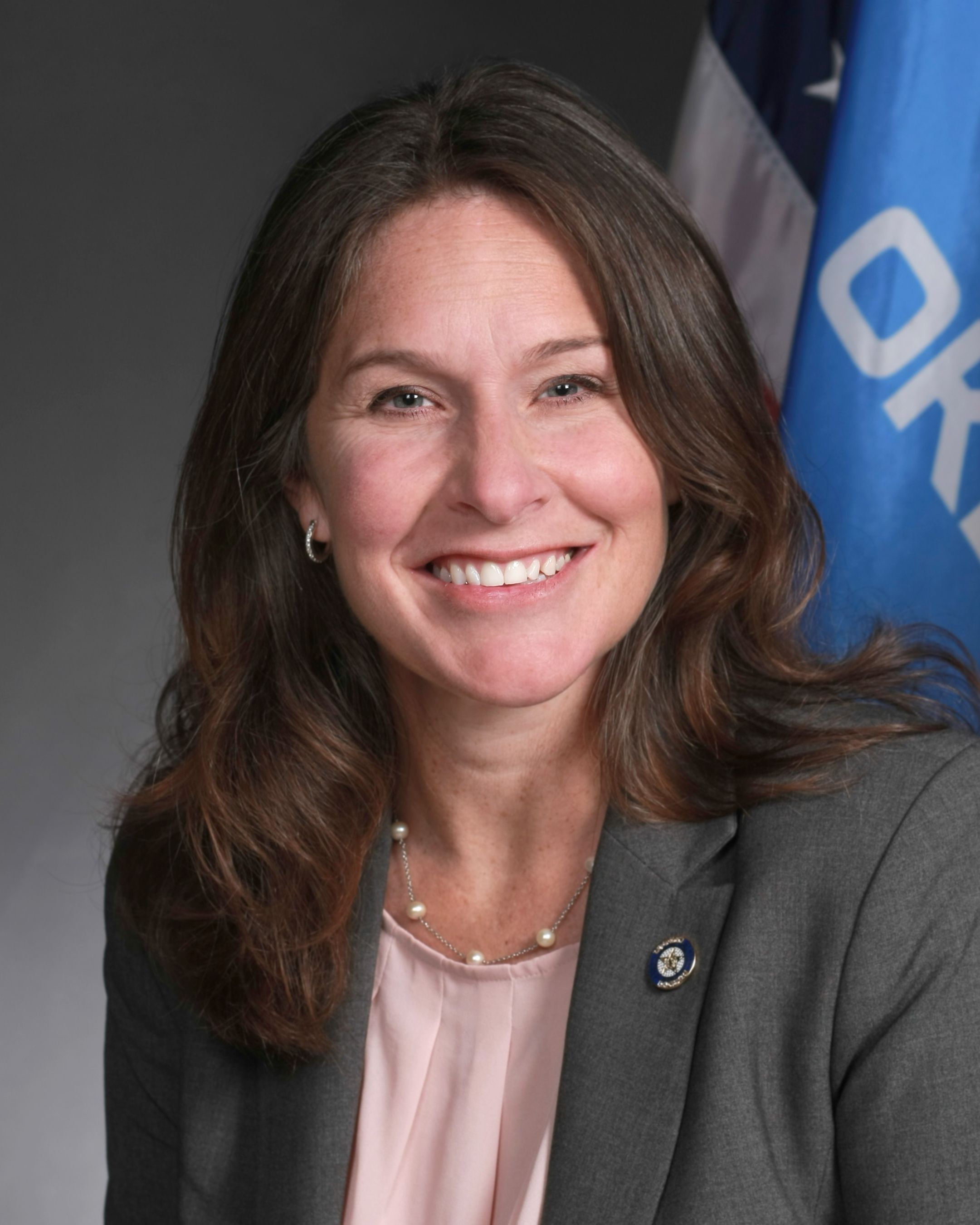
Melissa Provenzano
Melissa Provenzano House · District 79
D
Strong −
7% 28
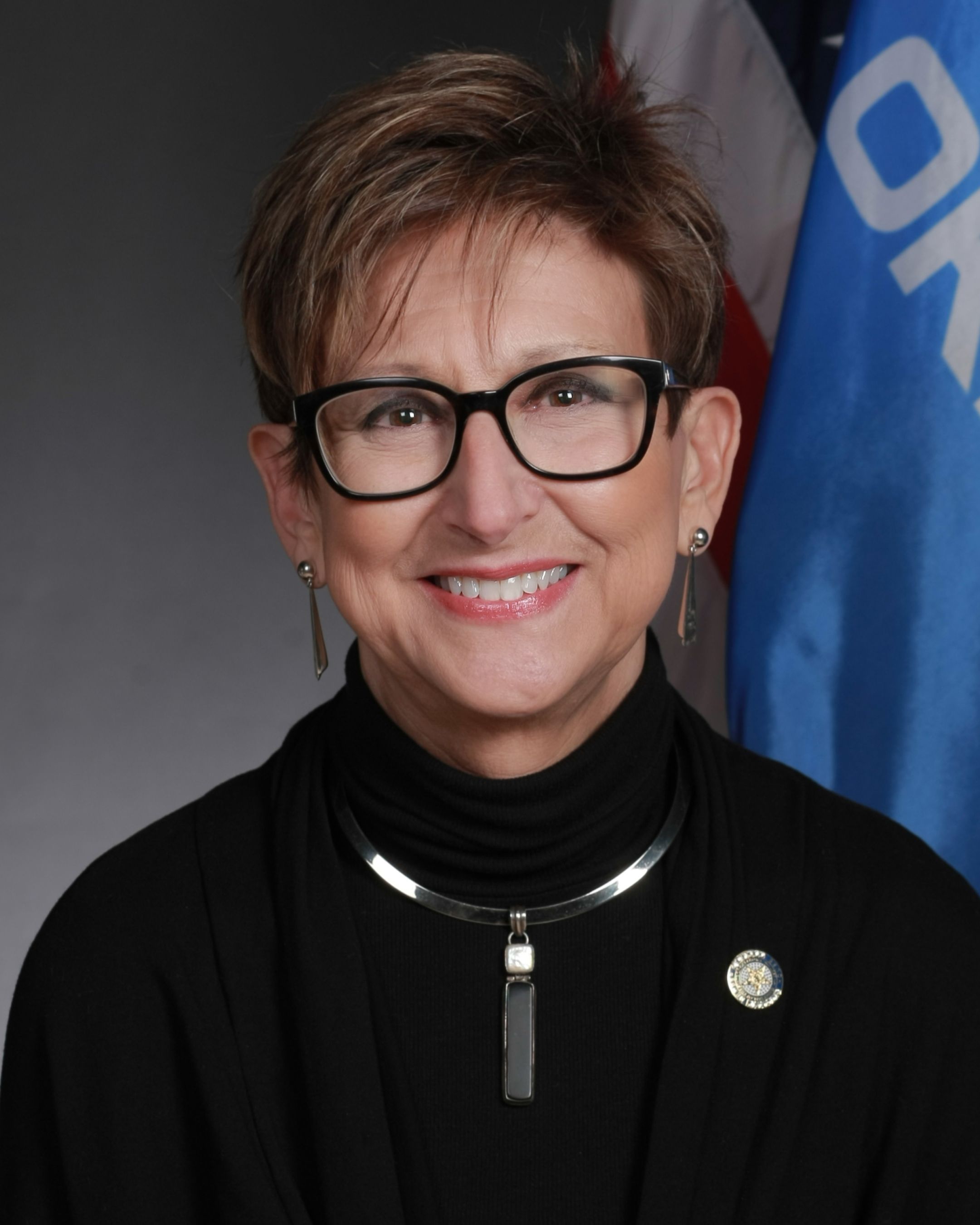
Meloyde Blancett
Meloyde Blancett House · District 78
D
Strong −
7% 27
Showing 21–30 of 57 bills

All education bills

signed · Oklahoma · Senate May 27, 2025

SB 674: Charter schools; Charter Schools Incentive Fund; renaming; state funding; calculation; payments.

SB 674 creates the "Charter Schools Incentive and Closure Reimbursement Fund" to support charter schools with startup costs, building renovations, and closure expenses. It requires charter schools to pay $5 per student (based on average daily membership) into this fund, while modifying how state funding is calculated - allowing new schools a 1.333 multiplier for first-year enrollment to determine initial funding. The bill also clarifies that charter schools receive state aid based on their own enrollment (not their sponsor’s), prohibits sponsors from charging fees beyond a 3% administrative cap on state aid, and states charter schools are considered local education agencies for funding purposes. This affects all Oklahoma charter schools, virtual charter schools, and their sponsors, with the bill now law after governor approval on May 23, 2025.
Sub-Topics School Choice
died · Oklahoma · House Feb 10, 2025

HB 1489: Education; Education Reform Act of 2025; effective date.

HB 1489 amends Oklahoma's charter school application process to require applicants to demonstrate community support within the proposed school's geographic area. It adds specific criteria for sponsors to evaluate charter school replication proposals, including evidence of academic success, financial viability, and the ability to replicate successful programs without harming existing schools. The bill also mandates 10 hours of training for both applicants and sponsors on charter school requirements, to be provided by the Statewide Charter School Board. These changes apply to all new charter school applications filed after July 1, 2024, directly affecting charter school applicants, sponsors, and community members.
Sub-Topics School Choice
in committee · Oklahoma · Senate Feb 4, 2025

SB 685: Oklahoma Parental Choice Tax Credit Act; prescribing procedure for enforcement of annual limit. Effective date.

SB 685 modifies Oklahoma's Parental Choice Tax Credit Program, creating an income-based tax credit for Oklahoma taxpayers who pay qualified education expenses for eligible students. The credit amount varies by household income (ranging from $5,000 to $7,500 annually) and applies to tuition/fees at accredited private schools or qualifying educational expenses like tutoring and materials. Taxpayers must submit receipts for qualified expenses and provide income documentation from the previous tax year to claim the credit. The bill also specifies special credit tiers for schools serving homeless students or financially disadvantaged students.
in committee · Oklahoma · Senate Feb 4, 2025

SB 229: Parental Choice Tax Credit Act; modifying annual limit for certain years; modifying preference requirement; requiring certain credit reallocation. Effective date.

SB 229 modifies Oklahoma's Parental Choice Tax Credit Act, allowing taxpayers to claim credits for qualified education expenses for eligible students. It adjusts income-based credit limits (e.g., reducing the maximum credit from $7,500 to $5,000 for households earning over $250,000) and adds requirements for private schools serving disadvantaged students (requiring 90% of admissions to be based on income below 250% of the federal poverty level). The bill also mandates the Oklahoma Tax Commission to reallocate unused credits and removes certain notification requirements. It directly affects Oklahoma taxpayers with children enrolled in accredited private schools, homeschooling programs, or nonpublic educational settings.
in committee · Oklahoma · Senate Feb 27, 2025

SB 842: Schools; requiring school district and charter school governing bodies to request a national criminal history record check for volunteers. Effective date. Emergency.

SB 842 requires Oklahoma public school districts, charter schools, and private schools to conduct a national criminal background check for all volunteers before they begin working at school sites. Starting with the 2025-2026 school year, volunteers must pay a fee of up to $50 (or the actual cost) for the check, processed by the Oklahoma State Bureau of Investigation (OSBI), with fees deposited into the OSBI Revolving Fund. School boards may choose to reimburse volunteers for this fee and must publicly post on their websites whether the check is required and if reimbursement is available. The bill exempts volunteers meeting specific criteria under existing law, and takes effect July 1, 2025.
Sub-Topics School Choice
in committee · Oklahoma · House Feb 4, 2025

HB 1742: Schools; Oklahoma Parental Choice Tax Credit Act; website requirements; effective date.

HB 1742 creates a tax credit program allowing Oklahoma taxpayers to claim credits for qualified education expenses paid for eligible students. The credit amount varies by household income (ranging from $5,000 to $7,500 annually) and covers tuition at accredited private schools, tutoring, textbooks, and standardized test fees. Eligible students include those attending accredited private schools or receiving education through approved alternative methods. Parents must submit receipts to the Oklahoma Tax Commission to claim the credit, which can be refunded if it exceeds their tax liability. This bill directly affects Oklahoma parents/guardians paying for qualifying education costs for their children.
in committee · Oklahoma · Senate Feb 4, 2025

SB 247: Students; creating the Fund Students, Not Systems Act; providing for calculation of education savings account amount. Effective date. Emergency.

SB 247 creates the "Fund Students, Not Systems Education Savings Account Program" in Oklahoma, allowing eligible students (ages 5-18, including some with disabilities) to receive state education funds for qualified expenses. The State Department of Education calculates ESA amounts based on each student’s school district’s state aid factors, then transfers funds quarterly to cover approved costs like tuition, textbooks, therapy, and field trips. Families apply annually by April 1 to choose participating schools (public, private, charter, or homeschool), with funds restricted to specific educational services listed in the bill. The program aims to provide parental choice while requiring no new oversight for private schools or homeschools, though it does not change public school funding levels.
signed · Oklahoma · Senate May 20, 2025

SB 105: Lindsey Nicole Henry Scholarships for Students with Disabilities Program; removing prior public school enrollment requirement; modifying eligibility requirements. Effective date. Emergency.

This bill removes a requirement that students with disabilities must have attended a public school the previous year to qualify for the Lindsey Nicole Henry Scholarship Program. It directly affects families seeking private school options for children with disabilities who previously needed public school enrollment history. The key change eliminates the "prior public school attendance" rule in Section 13-101.2, while maintaining other eligibility criteria like having an IEP or meeting specific exemptions (e.g., military transfers, foster care, homelessness). Private schools must still meet program standards, and scholarships remain available until the student graduates, enrolls in public school, or turns 22. The change makes the program more accessible for eligible students without prior public school enrollment.
in committee · Oklahoma · Senate Feb 4, 2025

SB 704: Schools; directing certain online learning platform to be available to all students in the state. Effective date. Emergency.

SB 704 requires all Oklahoma public high schools to offer at least four advanced placement (AP) courses starting in the 2024-2025 school year. It mandates that school districts provide access to AP courses through options including an online platform maintained by the Statewide Charter School Board, with a focus on STEM, foreign language, and AP courses. The bill directs this online platform to be available to all students across Oklahoma school districts, eliminating barriers to course access. The law takes effect July 1, 2025, and includes requirements for the State Department of Education to provide information about AP course benefits and track district implementation.
died · Oklahoma · House Feb 10, 2025

HB 1395: Schools; Oklahoma Parental Choice Tax Credit Act; website requirements; effective date.

HB 1395 creates a tax credit program for Oklahoma parents or guardians paying eligible education costs for students. It allows taxpayers to claim credits of up to $7,500 annually (based on family income) for private school tuition, academic tutoring, textbooks, and standardized test fees for students attending accredited private schools or alternative education programs. The credit amount decreases as household income rises, with special provisions for schools serving homeless students or financially disadvantaged students (requiring 90% of enrollment to qualify based on income thresholds). This bill directly affects Oklahoma families choosing private education or alternative learning options, reducing their state income tax liability for qualifying education expenses.
Showing 21 to 30 of 57 bills
Previous 1 2 3 4 6 Next