Issue · Education

Education

Every education bill, vote, and legislator stance in Oklahoma, automatically classified by Maddy, our AI policy reader.

Total bills
48
119th Congress
Top supporter
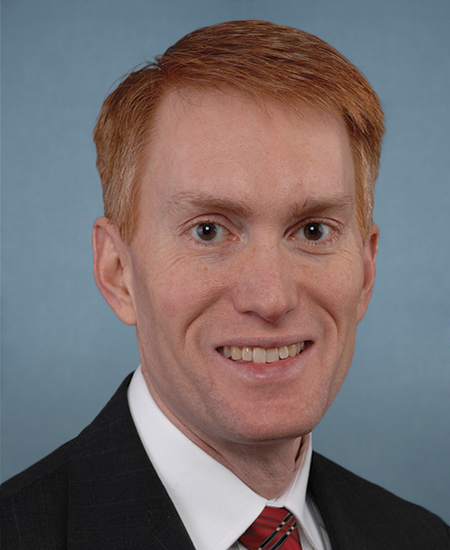
James Lankford
57% support rate
Top opponent
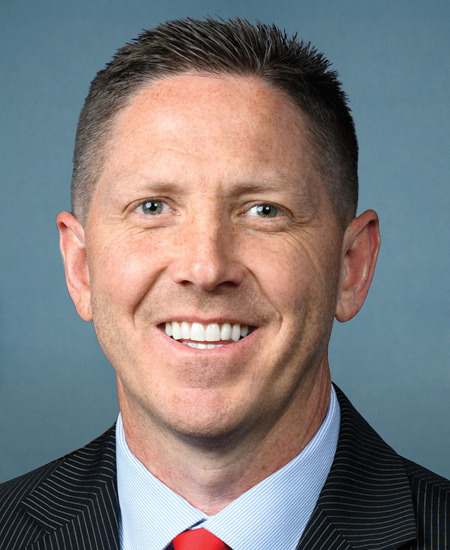
Josh Brecheen
22% support rate
Ranked legislators
6
1 support · 5 oppose
Key legislators

Who's moving education in Oklahoma

Legislators moving education in Oklahoma
Legislator Party Stance Support rate Votes
James Lankford
James Lankford Senate
R
Mixed
57% 167
Josh Brecheen
Josh Brecheen House · District 2
R
Oppose
22% 130
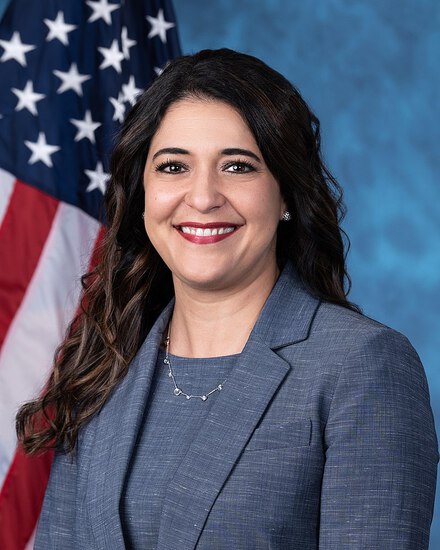
Stephanie I. Bice
Stephanie I. Bice House · District 5
R
Oppose
22% 130
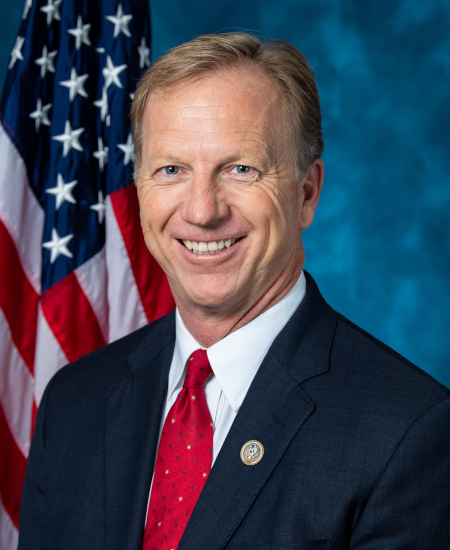
Kevin Hern
Kevin Hern House · District 1
R
Oppose
33% 131
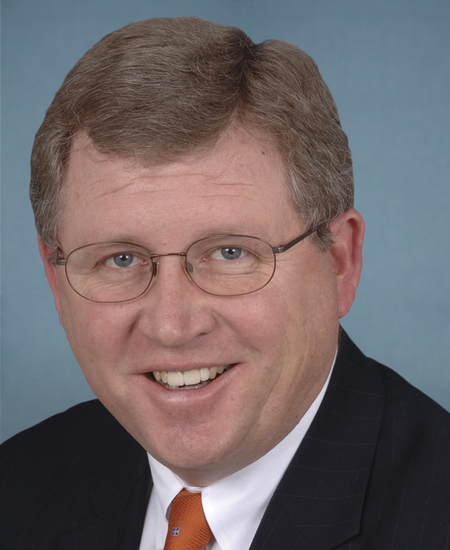
Frank D. Lucas
Frank D. Lucas House · District 3
R
Oppose
33% 129
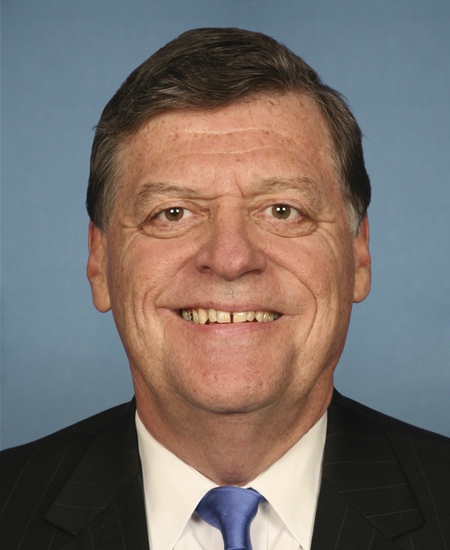
Tom Cole
Tom Cole House · District 4
R
Oppose
33% 128
Showing 1–10 of 48 bills

All education bills

in committee · United States · Senate Aug 6, 2026

S 5299: Native Language Educators in Classrooms Act

The Native Language Educators in Classrooms Act amends the Head Start Act to create distinct staffing qualification standards for Indian Head Start and Indian Early Head Start programs, separating them from the requirements applied to other center-based programs. Under this bill, teachers and teaching assistants in these specific tribal programs are permitted to be hired if they hold a child development associate credential, an early childhood education certificate from a college or university (including Tribal institutions), or a state-issued certificate that meets minimum standards. Alternatively, staff members may be hired with proof of enrollment in an approved education program, provided they complete the necessary coursework and earn their credential within two years of starting employment.
Sub-Topics Early Childhood Higher Education Teachers Tags Tribal Nations
in committee · United States · Senate Jul 30, 2026

S 5202: Protecting Our Kids from Harmful Research Act

The Protecting Our Kids from Harmful Research Act prohibits the use of federal funds to support research or publications regarding gender transition for individuals under the age of 18. This restriction specifically targets studies that aim to affirm a minor's perception or identity when it differs from their sex assigned at birth, as defined by their reproductive biology and genetics. The bill directly affects federal agencies and institutions that might otherwise receive funding to conduct such observational studies on hormonal treatments or surgical procedures for minors. By limiting financial support, the legislation seeks to prevent government resources from being used for research that challenges the biological definition of sex at birth.
in committee · United States · Senate Jun 24, 2026

S 4925: Stop the Sexualization of Children Act

The Stop the Sexualization of Children Act prohibits the use of federal education funds to create or promote programs containing sexually oriented material for children under 18. This ban specifically targets content depicting sexually explicit conduct or involving gender dysphoria and transgenderism, while explicitly exempting standard science courses, major world religions, and specific lists of classic literature and art. By amending the Elementary and Secondary Education Act, the bill restricts how schools can utilize federal money for extracurricular activities or educational materials that fall under these prohibited categories.
in committee · United States · House Jun 25, 2026

HR 9334: Workforce for AI Trust Act

The Workforce for AI Trust Act directs the National Science Foundation and the National Institute of Standards and Technology to expand the American workforce capable of developing and governing artificial intelligence. It establishes new fellowship programs to train graduate and postdoctoral researchers from diverse fields, including the humanities and social sciences, to focus on the trustworthy design and evaluation of AI systems. Additionally, the bill requires NIST to create a standardized framework that defines the skills and roles needed for AI work, aiming to help industries and government agencies better identify and fill talent gaps. These provisions also mandate that peer review panels for AI research include experts from multiple disciplines to ensure broad perspectives are considered during the evaluation process.
passed · United States · Senate Jun 9, 2026

SRES 764: A resolution congratulating the students, parents, teachers, and leaders of charter schools across the United States for making ongoing contributions to education and supporting the ideals and goals of the 27th Annual National Charter Schools Week, to be held May 10 through May 16, 2026.

This resolution congratulates students, families, educators, and leaders of public charter schools across the United States for their contributions to education and support of National Charter Schools Week in May 2026. It recognizes the growth of the charter school sector, noting that approximately 8,000 such schools serve over 3.7 million children and operate under specific accountability measures similar to traditional public schools. The Senate formally supports the ideals of the annual celebration and encourages communities to hold events to demonstrate backing for these institutions.
Sub-Topics School Choice
in committee · United States · House May 13, 2026

HR 8791: IGNITE HBCU Excellence Act

The IGNITE HBCU Excellence Act authorizes federal grants to Historically Black Colleges and Universities (HBCUs) to fund long-term improvements to their campus facilities and infrastructure. These grants are awarded competitively to eligible HBCUs based on criteria such as the age of their facilities, deferred maintenance needs, financial capacity, and student enrollment levels. Recipients may use the funds to construct or renovate buildings, upgrade technology and broadband systems, improve safety measures, and develop workforce training hubs, while being prohibited from using the money for routine maintenance or athletic facilities. The legislation also includes provisions for reporting on project outcomes and requires institutions to create comprehensive master plans that involve consultation with diverse campus and community stakeholders.
passed · United States · Senate May 11, 2026

SRES 724: A resolution recognizing the roles and contributions of the teachers of the United States in building and enhancing the civic, cultural, and economic well-being of the United States.

This Senate resolution formally acknowledges the contributions of teachers to the United States and thanks them for their dedication. It encourages students, parents, and public officials to recognize National Teacher Appreciation Week.
Sub-Topics Teachers
in committee · United States · Senate Mar 17, 2026

S 4119: Student Loan Marriage Penalty Elimination Act of 2026

This bill would change how married couples claim the student loan interest tax deduction by allowing each spouse to apply the $2,500 deduction limit separately rather than as a combined household limit. The change applies to tax years beginning after December 31, 2026, and would affect married couples filing jointly who have student loans in both spouses' names. Under current rules, the total deduction for both spouses combined cannot exceed $2,500, but this legislation would permit each spouse to claim up to $2,500 individually. The bill amends the Internal Revenue Code of 1986 to implement this separate calculation method while maintaining the overall dollar cap for each individual taxpayer.
in committee · United States · Senate Aug 4, 2026

S 4097: State-Based Education Loan Awareness Act

This bill, known as the State-Based Education Loan Awareness Act, clarifies that state-run student loan programs are not subject to certain federal rules about preferred lender arrangements. It directly affects state agencies, nonprofit organizations, and other entities that offer private student loans without federal government backing. The legislation defines these state programs by requiring that they offer interest rates and fees at least as favorable as federal Direct PLUS loans and that borrowers are informed about federal loan options before taking out private loans. By making this exclusion explicit, the bill ensures state programs operate under different regulatory requirements than federally backed lending arrangements.
in committee · United States · House Mar 24, 2026

HR 8039: Workforce and Education Partnership Act of 2026

This bill amends the Workforce Innovation and Opportunity Act to require state and local workforce development programs to create partnerships between educational institutions and employers. The changes apply to youth, adult, and local workforce development programs focused on high-demand occupations. These partnerships must aim to address specific education and skill needs identified through regional workforce analyses. The legislation affects state and local workforce boards, educational institutions, and employers by mandating collaborative program development.
Showing 1 to 10 of 48 bills
1 2 3 5 Next