

Issue · Education
Education
Every education bill, vote, and legislator stance in Oklahoma, automatically classified by Maddy, our AI policy reader.
Total bills
522
2026 Regular Session
Top supporter
John Haste
92% support rate
Top opponent
Tom Gann
27% support rate
Ranked legislators
10
5 support · 5 oppose
Key legislators
Who's moving education in Oklahoma
| Legislator | Party | Stance | Support rate | Votes |
|---|---|---|---|---|
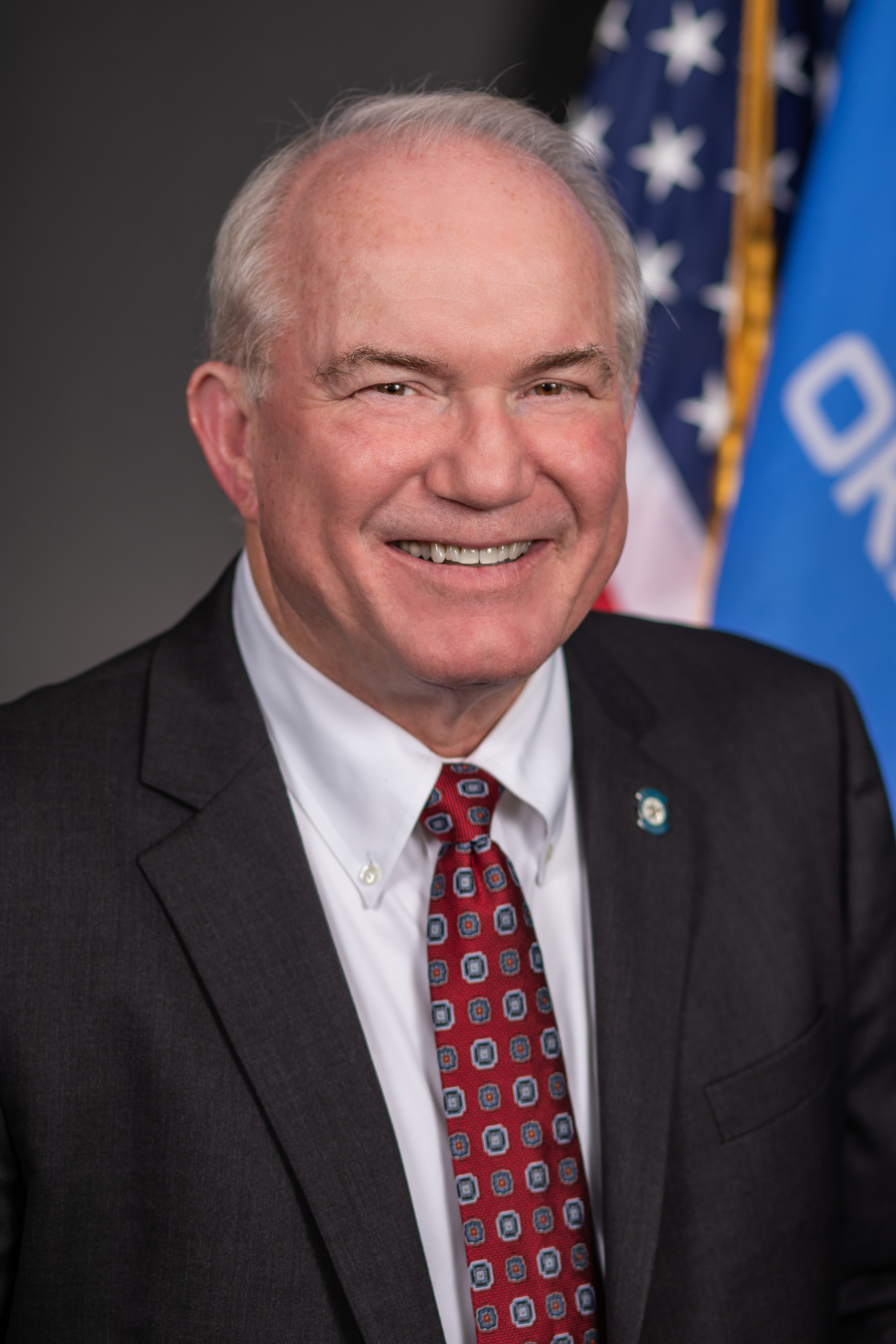
John Haste
Senate · District 36
|
R |
Strong +
|
92% | 162 |

Avery Frix
Senate · District 9
|
R |
Strong +
|
91% | 155 |

Kristen Thompson
Senate · District 22
|
R |
Strong +
|
90% | 177 |

Lonnie Paxton
Senate · District 23
|
R |
Strong +
|
90% | 154 |
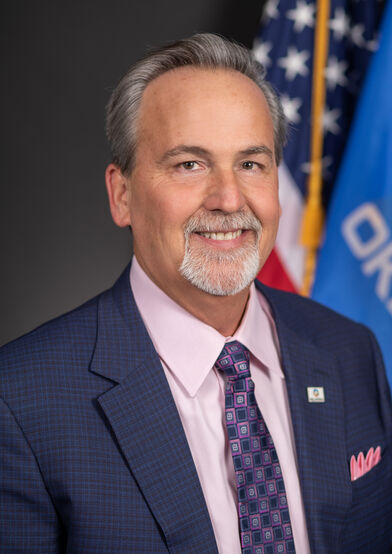
Bill Coleman
Senate · District 10
|
R |
Strong +
|
90% | 174 |

Tom Gann
House · District 8
|
R |
Oppose
|
27% | 215 |

Molly Jenkins
House · District 33
|
R |
Oppose
|
30% | 238 |

Jim Shaw
House · District 32
|
R |
Oppose
|
33% | 225 |

Rick West
House · District 3
|
R |
Oppose
|
34% | 204 |

Justin Humphrey
House · District 19
|
R |
Oppose
|
35% | 157 |
Showing 151–160 of 522
bills
All education bills
HB 3671: Teachers; definition for career teacher; effective date.
Topics
✓ EducationSupports EducationRedefines career teacher criteria to enhance job protections, strengthening educator retention and stability in K-12 schools.
✓ Labor & EmploymentSupports Labor & EmploymentRedefines 'career teacher' to enhance job protections via specific evaluation criteria, strengthening employment security for educators under labor & employment standards.
Sub-Topics
Teachers
SB 1899: Oklahoma Higher Learning Access Program; providing eligibility for children of school district certified personnel. Effective date. Emergency.
HB 3698: Unstable housing; Student Eviction Assistance Revolving Fund; Oklahoma State Department of Education; indigent defense; forcible entry and detainer; requirements; report; audit; effective date.
Topics
✓ Budget & TaxesSupports Budget & TaxesBill allocates state appropriations to fund the Student Eviction Assistance Revolving Fund, directly advancing public service funding through state budget resources.
✓ EducationSupports EducationCreates Student Eviction Assistance Fund via State Department of Education to prevent housing instability-related absenteeism, directly supporting educational access for K-12 students.
✓ HousingSupports HousingCreates Student Eviction Assistance Fund providing legal aid to low-income families facing eviction, directly protecting tenant rights and addressing housing instability for students.
SB 2068: Schools; requiring each public school district to create a library advisory committee for each grade level. Effective date. Emergency.
HB 3461: Schools; prohibiting school districts from paying certain administrator expenses with State Aid funds; effective date.
Topics
✗ Budget & TaxesOpposes Budget & TaxesBill shifts administrative costs from state to local revenue, restricting state budget expenditure on non-essential administrator expenses like severance payments.
✗ EducationOpposes EducationProhibits state aid use for admin expenses, shifting costs to local districts, effectively defunding such expenses with state funds per bill's explicit language.
HB 3134: Higher education; Keep Accreditation About Academics Act; accrediting agencies; civil action; Attorney General; effective date.
HB 4149: Strong Readers Act; references; legislative findings; declaring intent of the Legislature; reading screenings; reading deficiencies; parent notifications; State Department of Education; reading panel; alternate reading assessments; promotion to fourth grade; retaining third grade; good-cause exemptions; intensive reading instruction; intensive acceleration class; reporting requirements; teacher training requirements; eighth-grade reading level; driver license; remedial reading for driver licenses; alternative reading proficiency tests; motorcycle licenses; testing site requirements; documentation requirements; out of state test results; school enrollment, completion, or lawful excuse for minors to obtain a driver license; violations; alternate route to obtain driver license; employer fines; attendance officers; Department of Public Safety; license cancellation; definitions; exceptions; forms; effective date; emergency.
HB 4288: Schools; authorizing the Department of Mental Health and Substance Abuse Services to create an alternative education pilot program for out-of-school suspended students; effective date.
Topics
✓ Criminal JusticeSupports Criminal JusticeBill uses restorative practices and therapy to address school suspensions, preventing school-to-prison pipeline and reducing recidivism - aligning with criminal justice reform indicators.
✓ EducationSupports EducationBill creates alternative education program with therapy/restorative practices for suspended students, enabling reintegration and continued learning. Expands educational access and support for at-risk students, directly advancing K-12 educational a...
✓ HealthcareSupports HealthcareBill mandates therapy and mental health services within an alternative education program for suspended students, directly advancing mental health support as part of healthcare services.
SB 1782: Higher education; prohibiting the governing boards of certain institutions of higher education from establishing and maintaining tenure plans after certain date. Effective date.
Sub-Topics
Higher Education