Issue · Criminal Justice

Criminal Justice (Sentencing)

Every criminal justice bill, vote, and legislator stance in Oklahoma, automatically classified by Maddy, our AI policy reader.

Total bills
22
2026 Regular Session
Top supporter
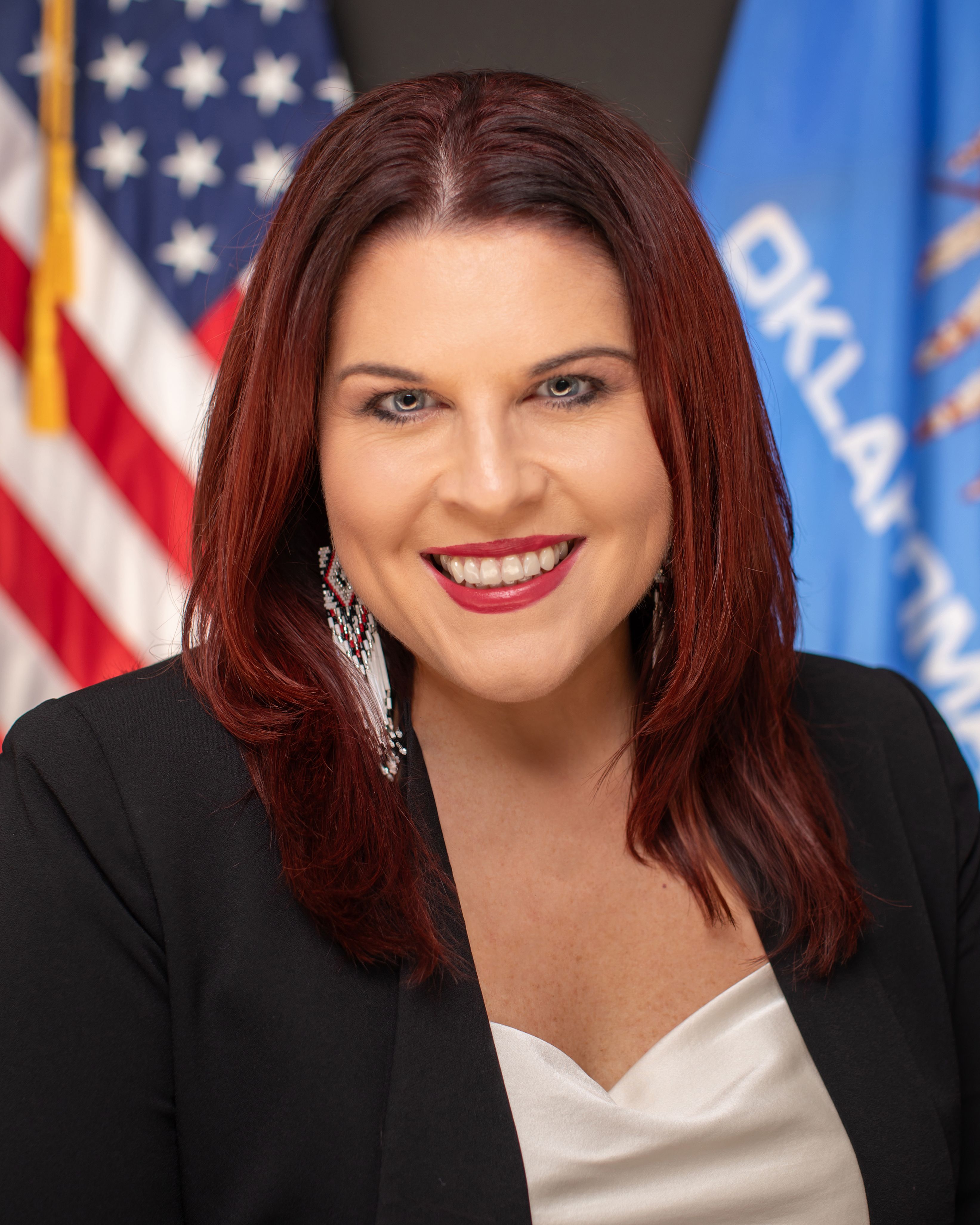
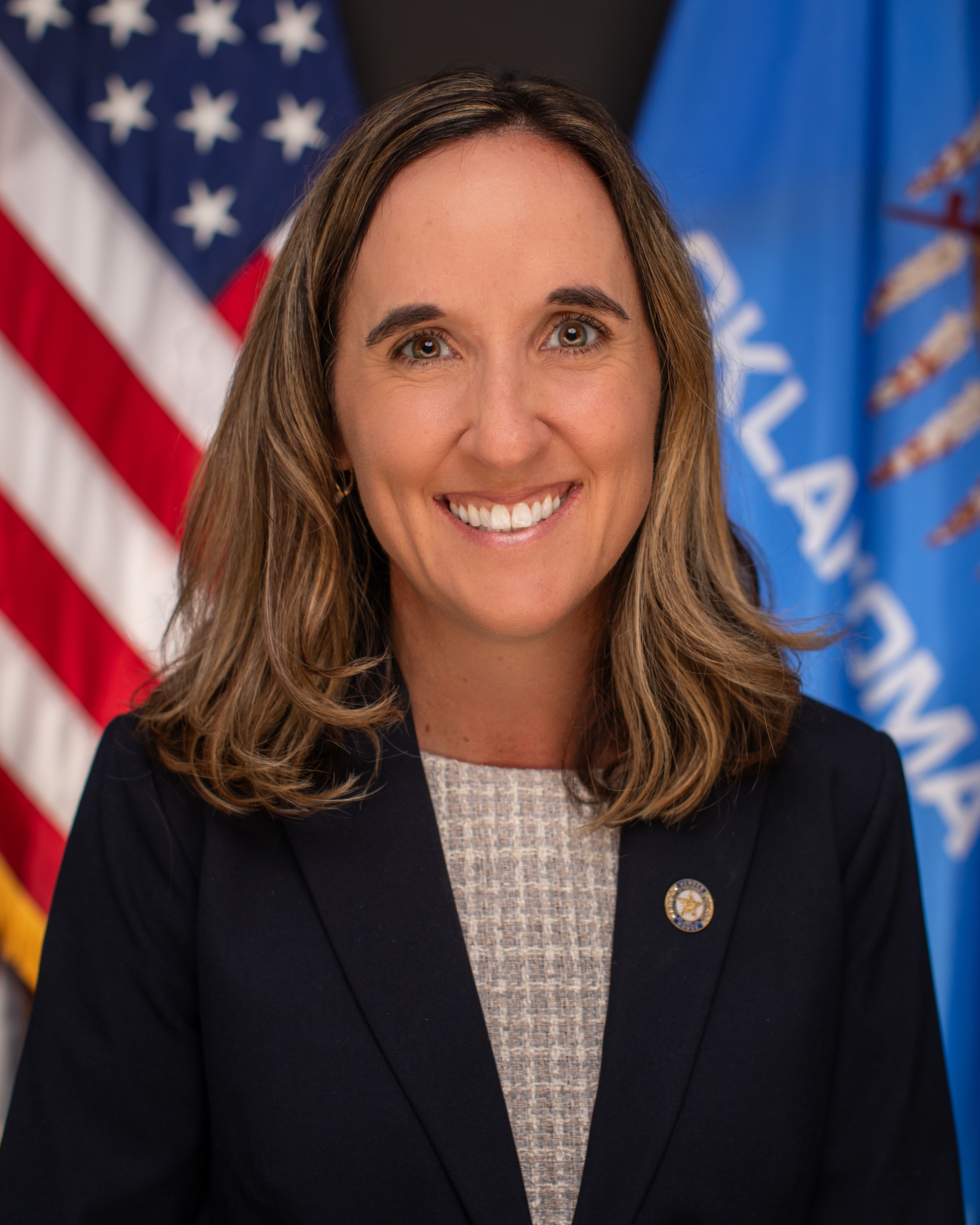
Amanda Clinton
100% support rate
Top opponent
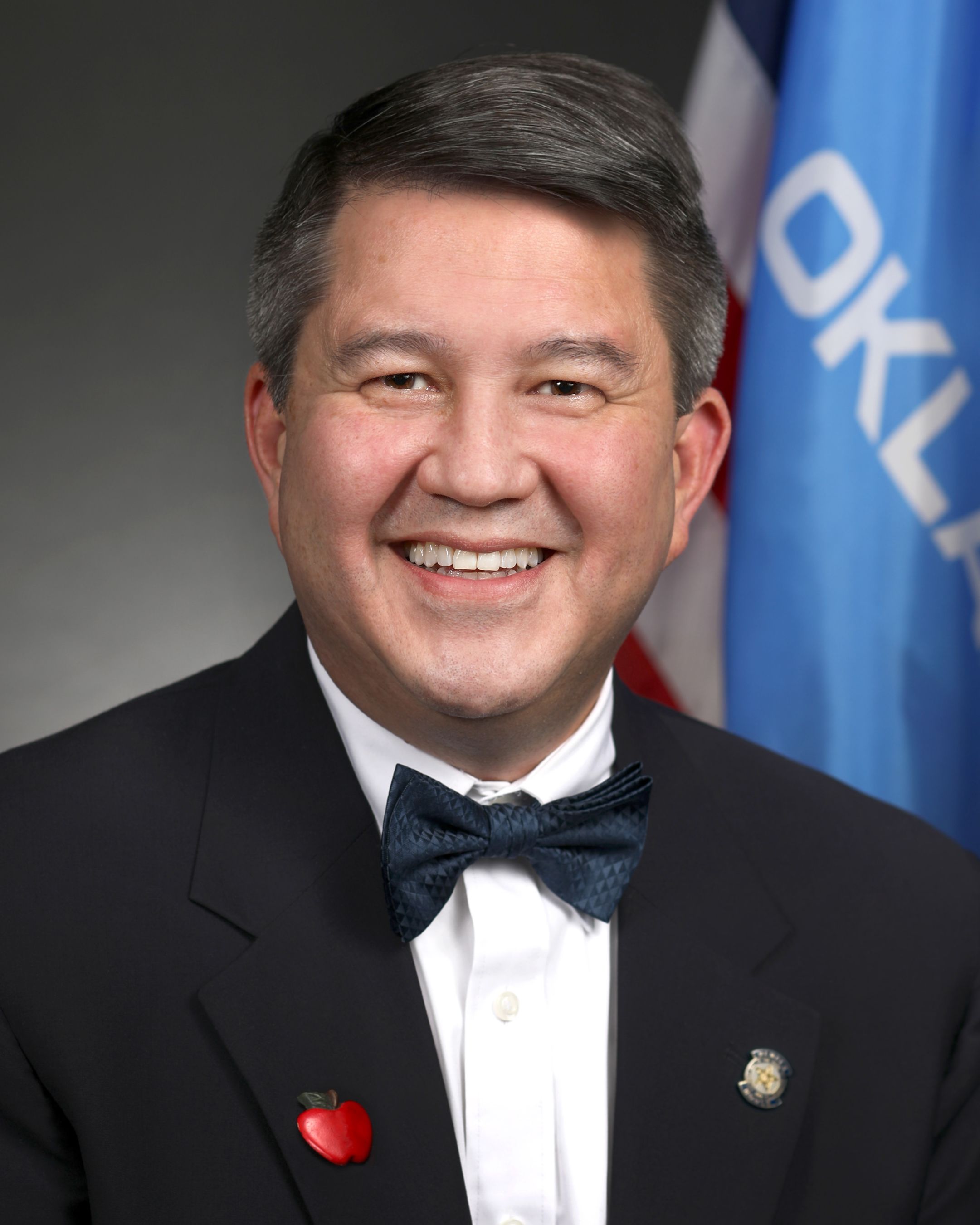
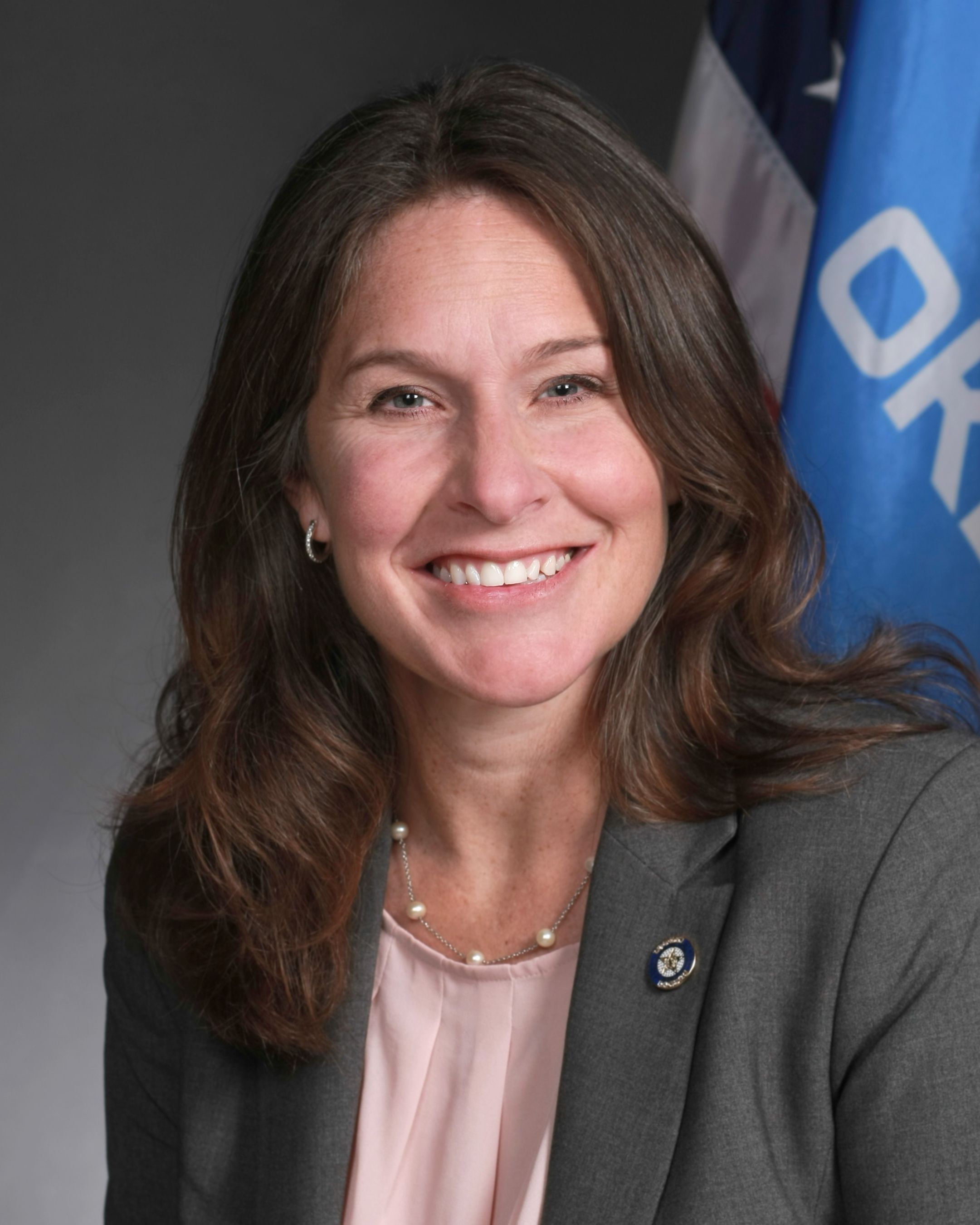
Ross Ford
0% support rate
Ranked legislators
10
5 support · 5 oppose
Key legislators

Who's moving sentencing in Oklahoma

Legislators moving sentencing in Oklahoma
Legislator Party Stance Support rate Votes
Amanda Clinton
Amanda Clinton House · District 71
D
Strong +
100% 7
Andy Fugate
Andy Fugate House · District 94
D
Strong +
100% 7
Ellen Pogemiller
Ellen Pogemiller House · District 88
D
Strong +
100% 6
Melissa Provenzano
Melissa Provenzano House · District 79
D
Strong +
100% 6
Michelle McCane
Michelle McCane House · District 72
D
Strong +
100% 6
Ross Ford
Ross Ford House · District 76
R
Strong −
0% 9
Carl Newton
Carl Newton House · District 58
R
Strong −
0% 6
Molly Jenkins
Molly Jenkins House · District 33
R
Strong −
0% 6
Neil Hays
Neil Hays House · District 13
R
Strong −
0% 6
Rick West
Rick West House · District 3
R
Strong −
0% 6
Showing 1–10 of 22 bills

All criminal justice bills

in committee · Oklahoma · House Feb 3, 2026

HB 3330: Crimes and punishments; creating the Oklahoma Assault and Battery Penalties Act of 2026; effective date.

HB 3330, titled the "Oklahoma Assault and Battery Penalties Act of 2026," creates a new framework for sentencing in assault and battery cases. It establishes specific penalties for these offenses but is not intended to be codified in Oklahoma Statutes. The bill will take effect on November 1, 2026, and directly affects individuals charged with assault or battery crimes in Oklahoma. The bill text does not specify the exact penalty changes, only that it creates a new penalty structure for these offenses.
in committee · Oklahoma · Senate Feb 3, 2026

SB 1417: Child abuse; modifying scope of certain offenses and penalties. Effective date.

SB 1417 expands Oklahoma's most serious criminal category (Class A1) to include specific child abuse offenses, such as sexual abuse of children under 12, repeat sexual abuse offenses, and child exploitation. It modifies penalties for child abuse, neglect, exploitation, and sexual abuse, clarifying sentencing ranges and increasing maximum penalties for certain crimes (e.g., extending some sentences to life imprisonment). The bill replaces outdated legal references, adds an affirmative defense for some cases, and updates statutory language to align with current law. It directly affects individuals convicted of these specific child abuse crimes in Oklahoma.
Sub-Topics Sentencing
signed · Oklahoma · House May 12, 2026

HB 3764: Gang-related offenses; condition of membership; criminalizing certain acts related to foreign terrorist organizations; effective date.

HB 3764 creates a sentencing enhancement for certain felony convictions involving ties to foreign terrorist organizations, directly affecting defendants found guilty of specific crimes with such connections. The bill lowers the evidentiary standard required to apply this enhancement, removing the "beyond a reasonable doubt" requirement for proving terrorist organization links and instead requiring only a "more likely than not" standard. This change would allow judges to increase felony sentences based on a lower burden of proof for these specific cases. The bill is currently in committee referral after its initial readings in the Oklahoma House.
Sub-Topics Sentencing
passed · Oklahoma · House Apr 1, 2026

HB 3267: Crimes and punishments; Class C2 felony offenses; making certain acts unlawful; effective date.

HB 3267 adds 39 specific offenses to Oklahoma's Class C2 felony category, including bribery of public officials (such as legislators or county treasurers), pipeline sabotage, animal branding fraud, and certain gambling crimes. The bill directly affects individuals who commit these listed acts, classifying them as Class C2 felonies with corresponding penalties. Key mechanisms include expanding the legal definition of Class C2 offenses to include new provisions like "breaking and entering a commercial building" and "embezzlement by a county treasurer." This change takes effect upon the bill's passage, altering sentencing for these specific crimes under Oklahoma Statutes.
Sub-Topics Sentencing
in committee · Oklahoma · Senate Mar 5, 2026

SB 1927: Crimes and punishments; creating certain felony offense related to school buses. Effective date.

SB 1927 creates a new Class D2 felony offense for individuals who board a school bus without permission from a school district employee or refuse to exit a school bus when commanded. This law directly affects anyone who unlawfully enters or remains on a school bus, such as students, visitors, or others without authorization. The bill amends Oklahoma's criminal code to include this specific violation as a punishable felony, with penalties including potential imprisonment (up to 2 years for a first offense) under existing sentencing rules for Class D2 offenses. It becomes effective November 1, 2026.
passed · Oklahoma · House Apr 1, 2026

HB 3584: Human trafficking; modifying elements of crime to include certain victims; emergency.

HB 3584 modifies Oklahoma's sentencing rules for human trafficking convictions. It requires individuals convicted of human trafficking (as defined in Section 748) to serve at least 85% of their prison sentence before becoming eligible for parole, with no earned credits allowed to reduce this time. The bill expands the definition of "human trafficking" to explicitly include child sex trafficking and trafficking involving minors, while defining key terms like "coercion" and "commercial sex." This policy directly affects convicted traffickers, particularly those involved in cases exploiting children or forcing commercial sex acts.
passed · Oklahoma · House Apr 27, 2026

HB 3264: Crimes and punishments; minimum prison sentences; criminal offense; list; effective date.

HB 3264 requires individuals convicted of 24 specific serious crimes - including first-degree murder, child sexual abuse, human trafficking, domestic abuse by strangulation, and discharging a firearm into occupied buildings - to serve at least 85% of their prison sentence before becoming eligible for parole. The bill eliminates earned credits or other sentence reductions that would allow offenders to serve less than 85% of their sentence. It applies to all convictions for these listed offenses, including attempts, conspiracies, or solicitations. The law would take effect on November 1, 2026, if passed.
in committee · Oklahoma · Senate Mar 6, 2025

SB 551: Crimes and punishment; modifying penalty provision related to child sexual abuse. Effective date.

SB 551 amends Oklahoma's penalties for child sexual abuse and exploitation, specifically increasing minimum sentences for offenses against children under 12. It sets a mandatory 25-year minimum prison term for perpetrators of child sexual abuse (Section F) or exploitation (Section I) involving children under 12, replacing previous sentencing ranges. The bill also requires mandatory post-prison supervision for certain convictions and expands the age range covered to include all children under 18. These changes directly affect individuals convicted of child sexual abuse/exploitation (including enablers like caregivers) and the state's sentencing framework. The law updates statutory language but does not alter defenses or exemptions like reasonable parental force.
Sub-Topics Corrections Sentencing
signed · Oklahoma · House May 12, 2025

HB 1413: Domestic violence; making certain pleas or finding of guilt to stalking violations constitute a conviction for purposes of sentencing; effective date.

HB 1413 amends Oklahoma law to treat certain pleas or findings of guilt for stalking violations as formal convictions for sentencing in domestic violence cases. This change directly affects individuals who commit stalking offenses and later face domestic violence charges, as prior stalking pleas or findings will now count as prior convictions. The bill modifies sentencing provisions under Oklahoma Statutes Title 21, Section 1173, ensuring that stalking-related convictions impact sentencing severity for subsequent domestic violence offenses. This policy change standardizes how stalking history is considered in domestic violence sentencing without altering the underlying stalking penalties.
vetoed · Oklahoma · Senate May 29, 2025

SB 54: Motor vehicles; modifying scope and sentencing provisions for certain offenses. Effective date.

SB 54 modifies Oklahoma's driving under the influence (DUI) law to expand what constitutes a violation, including driving under the influence of any controlled substance (like marijuana) or combined alcohol and drugs, and applies the law to private roads accessing homes. It creates tiered penalties: first offenses are misdemeanors (up to 1 year jail, $1,000 fine), while repeat offenses become felonies with escalating sentences (1-5 years for second offenses, up to 20 years for fourth offenses). Key provisions require mandatory substance abuse evaluations, treatment at the defendant's expense, ignition interlock devices for 30-90 days, and community service for repeat offenders. The bill directly affects anyone convicted of DUI/DWI, particularly those with prior convictions, by increasing penalties and adding treatment and device requirements.
Showing 1 to 10 of 22 bills
1 2 3 Next