Maddy summaryThis joint resolution (SJRES 5) disapproves the District of Columbia Council’s approval of the Local Resident Voting Rights Amendment Act of 2022 (D.C. Act 24-640), which would have expanded voting rights for D.C. residents. It directly affects the D.C. law that was enacted by the District Council on November 21, 2022, and transmitted to Congress under the Home Rule Act. The resolution uses Congress’s statutory authority to block the D.C. law from taking effect by formally expressing disapproval. This is a procedural action, not a new policy, and does not create new voting rules itself.
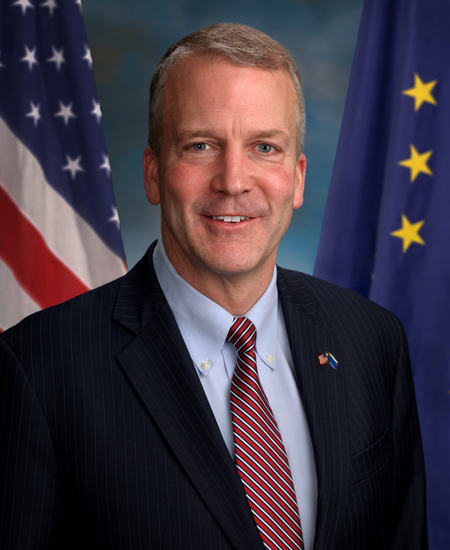
Sen. Dan Sullivan
Sponsored bills
Maddy summaryThe JOBS Act of 2023 expands Federal Pell Grant eligibility to short-term job training programs that provide 150-600 clock hours (8-15 weeks) of instruction aligned with in-demand local industries. It directly affects students enrolled in eligible career-focused programs at institutions of higher education, requiring programs to offer industry-recognized credentials and meet validation standards from employers or sector partnerships. Key provisions include mandatory industry validation of program quality, institutional credit articulation for noncredit programs, and lowering the minimum Pell Grant percentage from 10% to 5% for qualifying students. The bill ensures these programs count toward students’ total Pell Grant eligibility period while maintaining standard Pell Grant terms and conditions.
Maddy summaryThis bill would prevent government shutdowns by automatically continuing funding for most federal programs at the previous fiscal year's level if Congress fails to pass a full budget by the start of the new fiscal year. The automatic funding would continue in 14-day increments until a budget is enacted, with the government returning to normal funding levels once a budget is passed. During these automatic funding periods, government employees (including congressional staff) would face restrictions on travel, with limited exceptions for returning to Washington, D.C. or responding to national security events. The bill also establishes specific procedures for Congress to prioritize budget negotiations during these periods. This would affect the entire federal government and its operations during budget stalemates.
Maddy summaryThis bill prohibits federal funds from covering abortions in most circumstances, including health benefits plans, with exceptions for cases of rape, incest, or when a pregnancy endangers a woman's life. It specifically bars the use of Affordable Care Act (ACA) premium tax credits and cost-sharing reductions for health plans that cover abortion, requiring insurers to disclose abortion coverage details separately in marketing materials. The law applies to all federal health programs and ACA marketplace plans, ensuring taxpayer dollars aren't used for abortion services or coverage. It does not affect private insurance plans purchased with non-federal funds or separate abortion coverage options.
Maddy summaryThe Standing with Moms Act of 2023 requires the U.S. Department of Health and Human Services to create a public website (life.gov) and an interactive portal within one year of enactment. The portal uses a question-based system to connect pregnant individuals with location-specific resources, including mental health support, medical services, financial assistance, childcare, and alternatives to abortion. It prohibits listing resources from organizations that provide or promote abortions and mandates multilingual access. The bill also requires annual reporting on website usage and resource gaps to Congress, focusing on improving support for pregnant and postpartum women.
Maddy summaryThis bill prohibits the U.S. Department of Defense from requiring defense contractors to report greenhouse gas emissions. It specifically bans the Secretary of Defense from mandating any "greenhouse gas inventory" or reports on Scope 1, Scope 2, or Scope 3 emissions from contractors holding federal defense contracts. The law directly affects defense contractors who would otherwise have been required to track and disclose their emissions data. It removes a specific reporting requirement for contractors under Defense Department contracts, without altering other environmental regulations.
Maddy summaryS 31, the SPR Act, requires the Secretary of the Interior to create a plan increasing oil and gas production on federal lands before any future drawdowns from the Strategic Petroleum Reserve (SPR). This applies to most federal lands (excluding national parks, wildlife refuges, wilderness areas, marine sanctuaries, and Indian land) and mandates new production actions beyond existing lease schedules. The plan must be developed with input from other cabinet secretaries and submitted to Congress within 60 days after any SPR drawdown occurs. The bill directly affects federal land management and SPR operations, adding a procedural step to SPR releases.
Maddy summaryThe SAFER Act of 2023 prohibits the sale of petroleum products from the U.S. Strategic Petroleum Reserve (SPR) to countries designated as "countries of particular concern for religious freedom" under the International Religious Freedom Act of 1998. It also requires state-owned entities bidding on SPR auctions to certify they have not purchased oil from countries subject to U.S. sanctions within 15 days of those sanctions taking effect. If a state-owned entity violates this certification, the Secretary of Energy cannot sell SPR products to them. The bill directly affects the U.S. Department of Energy (which manages SPR sales) and international state-owned energy companies participating in SPR auctions.
Maddy summaryThis bill prohibits the U.S. Secretary of Energy from selling petroleum products from the Strategic Petroleum Reserve (SPR) to entities controlled by the Chinese Communist Party or to any buyer unless they guarantee the oil won't be exported to China. It directly affects the Department of Energy (which manages the SPR) and any companies or entities seeking to purchase SPR oil with potential Chinese ties. The key mechanism requires the Secretary to block sales to China-linked entities or impose strict export restrictions on all sales. The bill aims to prevent SPR oil from reaching China, without creating new programs or altering existing SPR management rules.
Maddy summaryThe Protect Funding for Women's Health Care Act prohibits federal funding for Planned Parenthood Federation of America and its affiliates, clinics, subsidiaries, or successors. It redirects these funds to other eligible health care providers - including community health centers, hospitals, and clinics that serve underserved populations - to ensure continued access to services like contraception, cancer screenings, prenatal care, and STI testing. The bill explicitly states it does not alter existing abortion funding restrictions or reduce overall federal support for women’s health services. This policy change aims to maintain funding availability for essential women’s health care while shifting resources away from Planned Parenthood.