

Maddy summaryThe No Surprise Bills for New Moms Act updates federal health laws to ensure newborns receive immediate coverage for medical services within 30 days of birth. This legislation directly affects parents enrolled in group health plans, individual insurance policies, or employer-sponsored plans by mandating that these providers cover their newborns without requiring prior enrollment. The bill also requires insurers to offer a special enrollment period lasting at least 60 days after the initial coverage window and to notify parents immediately if a newborn is not enrolled when medical claims are submitted. By amending the Public Health Service Act, the Employee Retirement Income Security Act, and the Internal Revenue Code, the law standardizes these protections across different types of health insurance coverage.
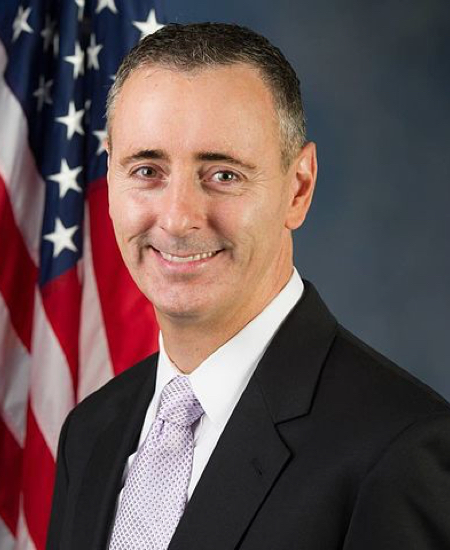
Rep. Brian K. Fitzpatrick
Sponsored bills
Maddy summaryThe FASTER Act of 2026 expands the list of major food allergens regulated by the FDA to include barley, rye, and oats alongside wheat. This change requires food manufacturers to clearly label these gluten-containing grains, helping consumers with allergies and Celiac disease identify potential triggers. The law also mandates that the FDA update its compliance guides within a year to reflect these new allergen categories. Additionally, the bill directs the Department of Health and Human Services to produce a comprehensive report on Celiac disease, covering data on prevalence, diagnostic methods, prevention strategies, and potential treatments. These provisions apply to all foods entering the market starting one year after the law is enacted.
Maddy summaryThis bill requires the Secretary of State to submit annual reports examining whether the Polisario Front, a group involved in the Western Sahara conflict, has exchanged military support or intelligence with Iranian-backed terrorist organizations. If such cooperation is confirmed, the President must designate the Polisario Front as a foreign terrorist organization and freeze its assets under existing sanctions laws. The legislation focuses on specific military aid like weapons, drones, and intelligence, aiming to increase transparency regarding potential links between the two groups without advocating for a specific political outcome.
Maddy summaryThe Wildfire Responder Protection Act updates federal regulations to expand the list of wildfire workers who receive specific employment protections. By amending an existing statute, the bill adds roles such as fuels specialists, burn bosses, and prescribed fire crew members to the categories of employees covered under these rules. It also broadens the scope of protected activities to include planned ignition and fuels reduction efforts alongside traditional fire suppression. These changes ensure that a wider range of personnel engaged in wildfire management receive the same legal safeguards as those currently protected.
Maddy summaryThis resolution commemorates the 61st anniversary of the Medicare program, which was enacted in 1965 to provide health insurance for seniors and individuals with disabilities. It acknowledges the program's role in covering approximately 70 million Americans and highlights its growth from 19 million beneficiaries in 1966 to its current scale. The text honors the contributions of healthcare providers, caregivers, and government personnel who maintain the system while recognizing the program's impact on healthcare access and financial security.
Maddy summaryThis House resolution formally acknowledges the courage and sacrifice of veterans who served in the Korean War and those who have continued to serve in South Korea as Korean Defense Veterans. It highlights that nearly 1.8 million U.S. service members participated in the conflict, which resulted in over 36,000 American deaths, and notes that approximately 25,000 troops remain stationed in the region today. The text emphasizes that these veterans often returned home without the widespread recognition given to World War II heroes and urges all Americans to honor their service in defending democracy.
Maddy summaryHR 4541, the EARLY Act Reauthorization of 2025, extends the funding period for the Young Women’s Breast Health Education and Awareness program. It amends the Public Health Service Act to update the program’s expiration date from 2026 to 2031. The bill directly affects young women aged 15-25 by ensuring continued access to breast health education and awareness resources. The key provision is a simple extension of the existing program’s authorization period, without altering its scope or requirements. This is a procedural reauthorization to maintain current services through 2031.
Maddy summaryThis resolution formally recognizes August 4, 2026, as National Night Out, a day dedicated to strengthening ties between residents and local law enforcement. It encourages police departments to use the event to build better community relationships and asks public safety agencies to educate citizens on how to contact 911 services and understand emergency responder duties. The bill highlights the 40-year history of this observance, which involves millions of Americans across the country and its territories to promote public safety and foster a sense of unity.
Maddy summaryThis House resolution acknowledges the progress made by the Americans with Disabilities Act of 1990 in promoting independent living and economic self-sufficiency for people with disabilities. It highlights ongoing challenges such as high unemployment rates, systemic barriers in workplaces, and unequal access to healthcare and technology. The bill calls on various federal agencies, including the Department of Labor and the Department of Transportation, to work together to remove these obstacles and expand opportunities for full community participation. By urging bipartisan cooperation, the resolution aims to strengthen support systems and ensure that individuals with disabilities can thrive in their homes, workplaces, and society at large.
Maddy summaryThe Disability Community Act of 2026 updates federal Medicaid terminology to replace the outdated phrase "mentally retarded" with "intellectual or developmental disabilities" throughout relevant laws and regulations. This change affects how states and facilities are referred to in official documents, ensuring language aligns with current medical and social standards. Additionally, the bill increases federal funding for specific Medicaid services provided to individuals with intellectual and developmental disabilities during 2027, 2028, and 2029. These funds are intended to cover costs associated with complying with existing federal regulations regarding care and services.