Issue · Labor & Employment

Labor & Employment

Every labor & employment bill, vote, and legislator stance in Ohio, automatically classified by Maddy, our AI policy reader.

Total bills
215
119th Congress
Top supporter
Emilia Strong Sykes
78% support rate
Top opponent
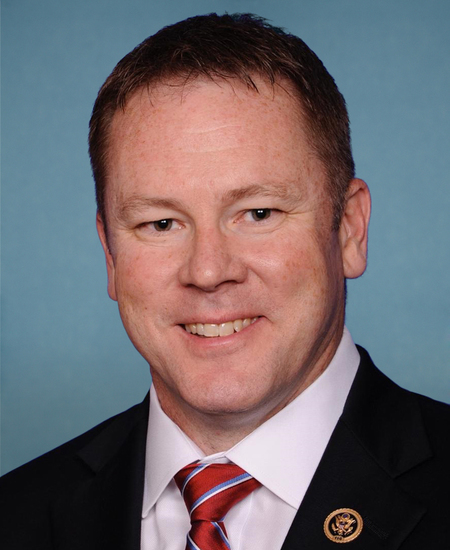
Warren Davidson
38% support rate
Ranked legislators
10
5 support · 5 oppose
Key legislators

Who's moving labor & employment in Ohio

Legislators moving labor & employment in Ohio
Legislator Party Stance Support rate Votes
Emilia Strong Sykes
Emilia Strong Sykes House · District 13
D
Support
78% 187
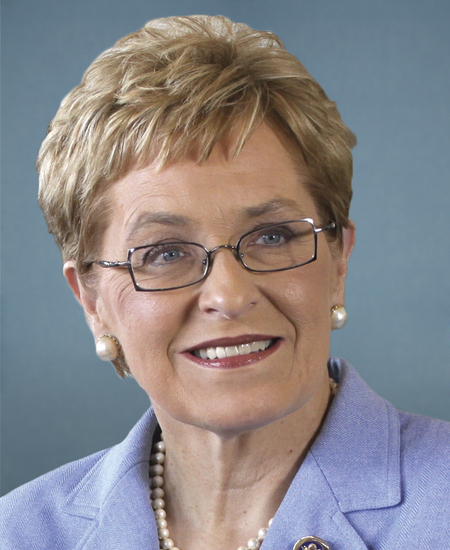
Marcy Kaptur
Marcy Kaptur House · District 9
D
Support
75% 184
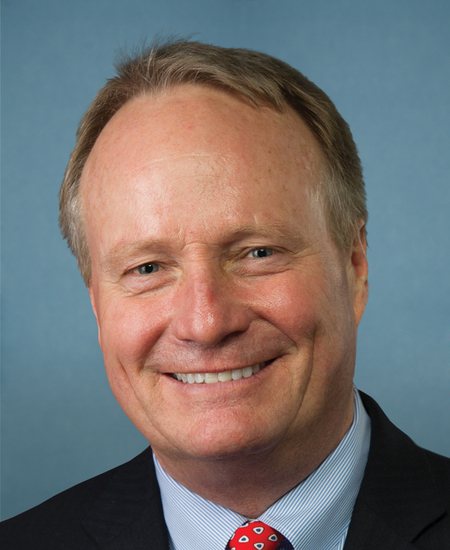
David P. Joyce
David P. Joyce House · District 14
R
Support
75% 192
Greg Landsman
Greg Landsman House · District 1
D
Support
69% 195
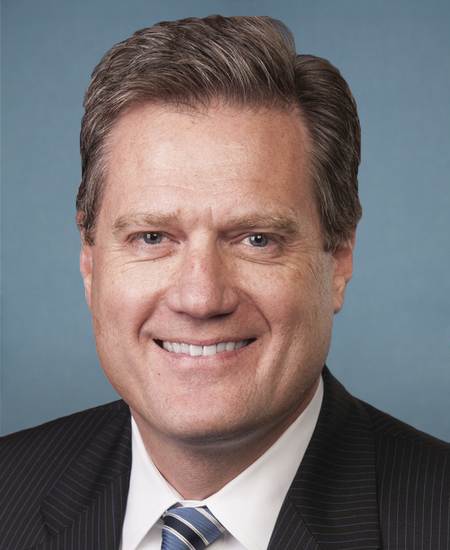
Michael R. Turner
Michael R. Turner House · District 10
R
Support
69% 195
Warren Davidson
Warren Davidson House · District 8
R
Oppose
38% 195
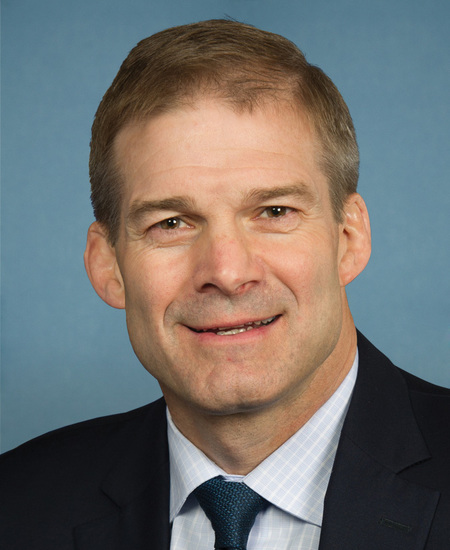
Jim Jordan
Jim Jordan House · District 4
R
Oppose
38% 188
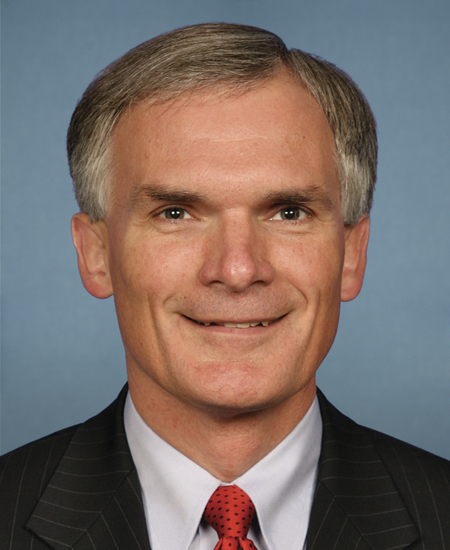
Robert E. Latta
Robert E. Latta House · District 5
R
Oppose
38% 198
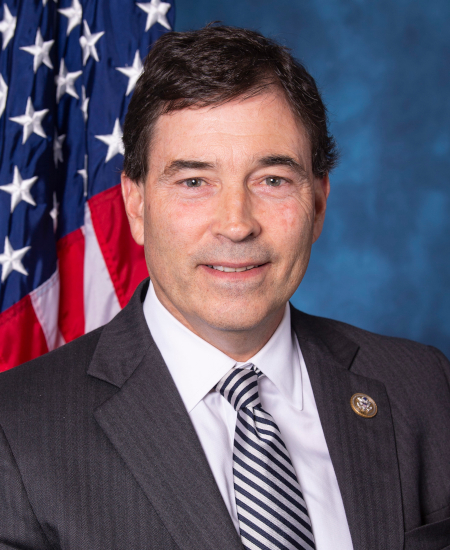
Troy Balderson
Troy Balderson House · District 12
R
Oppose
38% 196
David J. Taylor
David J. Taylor House · District 2
R
Oppose
38% 198
Showing 1–10 of 215 bills

All labor & employment bills

in committee · United States · House Sep 2, 2026

HR 10239: Equal Pay for Equal Work Act

The Equal Pay for Equal Work Act establishes a new National Equal Pay Enforcement Task Force composed of representatives from the Equal Employment Opportunity Commission, the Department of Justice, the Department of Labor, and the Office of Personnel Management. The task force is charged with coordinating these agencies to close gaps in enforcement and improve public education regarding equal pay laws. Its specific duties include investigating challenges related to pay inequity, advancing recommendations to address those issues, and creating action plans to implement the proposed solutions.
in committee · United States · House Sep 3, 2026

HR 10297: El Salvador TPS Act of 2026

The El Salvador TPS Act of 2026 requires the Secretary of Homeland Security to grant Temporary Protected Status (TPS) to individuals from El Salvador. This designation would remain in effect until a date 18 months after September 9, 2026. The bill directly affects eligible residents of El Salvador by providing them with legal protection and work authorization during this specified period.
Sub-Topics Work Authorization
in committee · United States · House Jul 13, 2026

HRES 1427: Expressing support for the designation of July 10th as Journeyman Lineworkers Recognition Day.

This resolution expresses support for designating July 10th as Journeyman Lineworkers Recognition Day to honor the workers who maintain the nation's electrical grid. The bill specifically recognizes the dangerous conditions these employees face, such as working at heights near live power lines and responding to disasters like hurricanes and wildfires. It also commemorates Henry Miller, the first president of the International Brotherhood of Electrical Workers, who died on July 10, 1896, while performing his duties. Ultimately, the measure encourages the public to observe this day with reflection on the contributions of lineworkers.
Sub-Topics Apprenticeships
in committee · United States · House Jul 21, 2026

HCONRES 114: Recognizing the significance of equal pay and the disparity in wages paid to men and to Black women.

This concurrent resolution formally recognizes the persistent wage gap between Black women and white, non-Hispanic men in the United States. It highlights data showing that Black women earn significantly less than their male counterparts and reaffirms Congress's support for existing laws that prohibit pay discrimination based on sex or race. The document does not create new laws or change policy but serves as a symbolic statement to raise awareness about the economic disparities faced by Black women.
in committee · United States · Senate Jul 16, 2026

S 5010: NO BOSS Act

The NO BOSS Act modifies federal rules to allow individuals receiving unemployment benefits to start self-employment businesses without first exhausting their regular benefits. It requires that these self-employment activities include approved entrepreneurial training, business counseling, or a submitted business plan with a market feasibility study. The changes take effect two years after enactment, though states are permitted to adopt similar rules earlier. The Department of Labor will issue regulations and guidance to help state agencies implement these new requirements.
Sub-Topics Unemployment
in committee · United States · House Jun 30, 2026

HR 9535: Securing Agriculture's Workforce Act of 2026

The Securing Agriculture's Workforce Act of 2026 modernizes the H-2A visa program by transferring administrative authority to the Department of Homeland Security and introducing a unified online platform to streamline applications for employers and workers. Key provisions include establishing new housing standards with mandatory inspections, creating a system for staggered worker entry and exit, and allowing workers to transfer between employers without losing their status. The bill also defines specific job classifications for wage calculations, expands the scope of covered agricultural activities, and provides legal protections for employers who document the employment of workers seeking visa status. Additionally, it requires agencies to develop a heat illness prevention plan and allows for contract termination due to natural disasters.
in committee · United States · House Jun 24, 2026

HR 9448: Federal Workforce Reproductive Rights Protection Act

The Federal Workforce Reproductive Rights Protection Act prevents federal agencies from relocating headquarters or major operations to states with laws restricting or banning abortion, while also barring the use of funds to build or lease facilities in those locations. To support federal employees who need to access reproductive health care, the bill allows workers to decline transfers to restrictive states, grants up to 21 days of paid leave for travel to obtain such services, and provides reimbursement for travel costs without requiring disclosure of the specific medical procedure. Additionally, the legislation prohibits government agencies from investigating an employee's use of abortion services when reviewing security clearances or making personnel decisions and protects workers from retaliation if they exercise these new rights.
in committee · United States · House Jun 26, 2026

HR 9261: Comprehensive Paid Leave for Federal Employees Act

The Comprehensive Paid Leave for Federal Employees Act expands paid family and medical leave benefits for federal workers, including those in the Executive Office of the President, the Postal Service, and the District of Columbia courts. Key provisions increase the standard leave entitlement to 12 weeks plus any accrued annual or sick leave, while also extending coverage to include pregnancy loss, fertility issues, and failed adoptions. The bill specifically adds a new category of leave allowing employees to take time off to address the needs of family members who are victims of dating violence, domestic violence, sexual assault, stalking, or sex trafficking. To fund this expanded coverage, the legislation requires employees to agree to work for a period equal to the time taken off, with exceptions made for death or serious health conditions.
Sub-Topics Paid Leave
in committee · United States · House Jun 9, 2026

HR 9216: Double the Wage for Overtime Act of 2026

This bill, known as the Double the Wage for Overtime Act of 2026, aims to change how overtime pay is calculated for employees covered by the Fair Labor Standards Act. It directly affects workers who currently earn less than $23,660 annually, as it would require employers to pay them two times their regular hourly rate instead of one and a half times for hours worked beyond 40 in a week. The law takes effect 180 days after it is signed, ensuring a transition period before the new pay requirements begin. By raising the overtime multiplier, the legislation seeks to increase earnings for hourly workers who work extra hours.
in committee · United States · House Apr 28, 2026

HR 8548: One Stop Shop Community Reentry Program Act of 2026

This bill authorizes the Attorney General to create a grant program that funds community-based organizations to establish "One Stop Shop" centers for formerly incarcerated individuals. These centers would provide a single location for comprehensive services, including job training, housing assistance, legal aid, and mental health support, while requiring applicants to develop needs assessments and plans for transportation and stakeholder collaboration. Additionally, the legislation authorizes funding for toll-free, 24/7 hotlines that connect people in need with local reentry resources and offer guidance on navigating the system. The program includes strict requirements for data collection and reporting to Congress to track outcomes such as recidivism rates and employment success, with a preference for hiring formerly incarcerated individuals to run these initiatives.
Showing 1 to 10 of 215 bills
1 2 3 22 Next