Issue · Budget & Taxes

Budget & Taxes

Every budget & taxes bill, vote, and legislator stance in Ohio, automatically classified by Maddy, our AI policy reader.

Total bills
390
119th Congress
Top supporter
Michael A. Rulli
78% support rate
Top opponent
Emilia Strong Sykes
18% support rate
Ranked legislators
10
5 support · 5 oppose
Key legislators

Who's moving budget & taxes in Ohio

Legislators moving budget & taxes in Ohio
Legislator Party Stance Support rate Votes
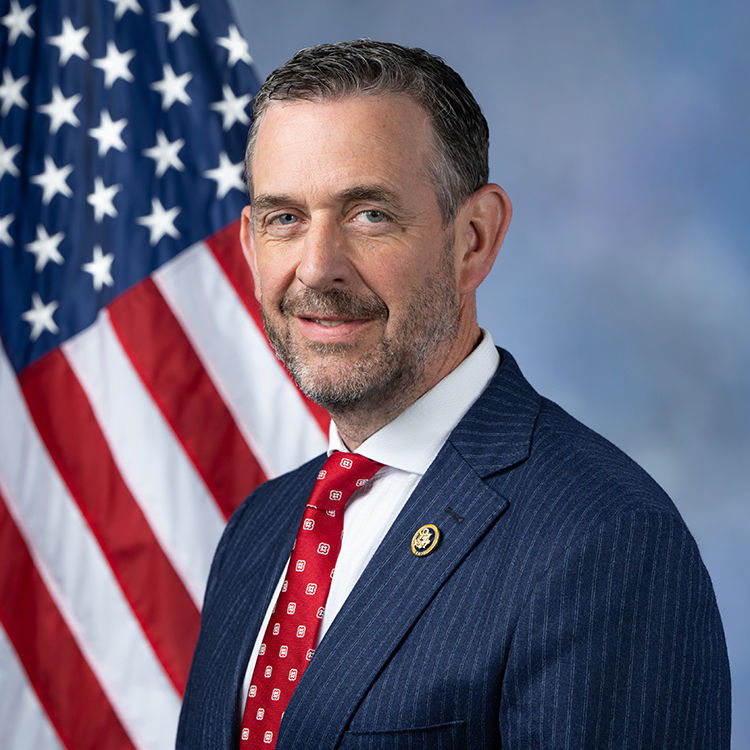
Michael A. Rulli
Michael A. Rulli House · District 6
R
Support
78% 179
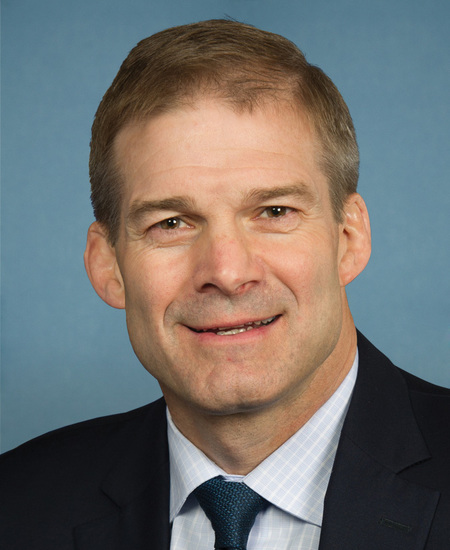
Jim Jordan
Jim Jordan House · District 4
R
Support
77% 175
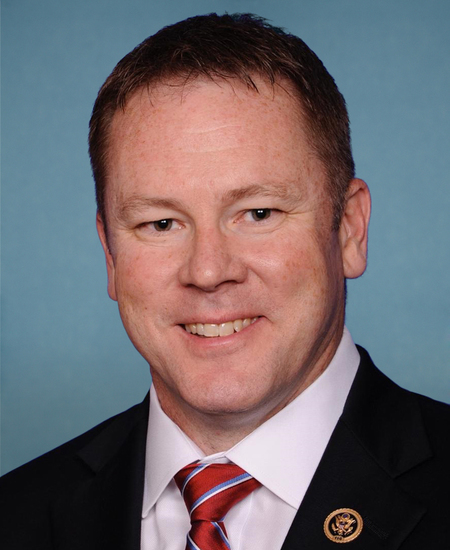
Warren Davidson
Warren Davidson House · District 8
R
Support
76% 185
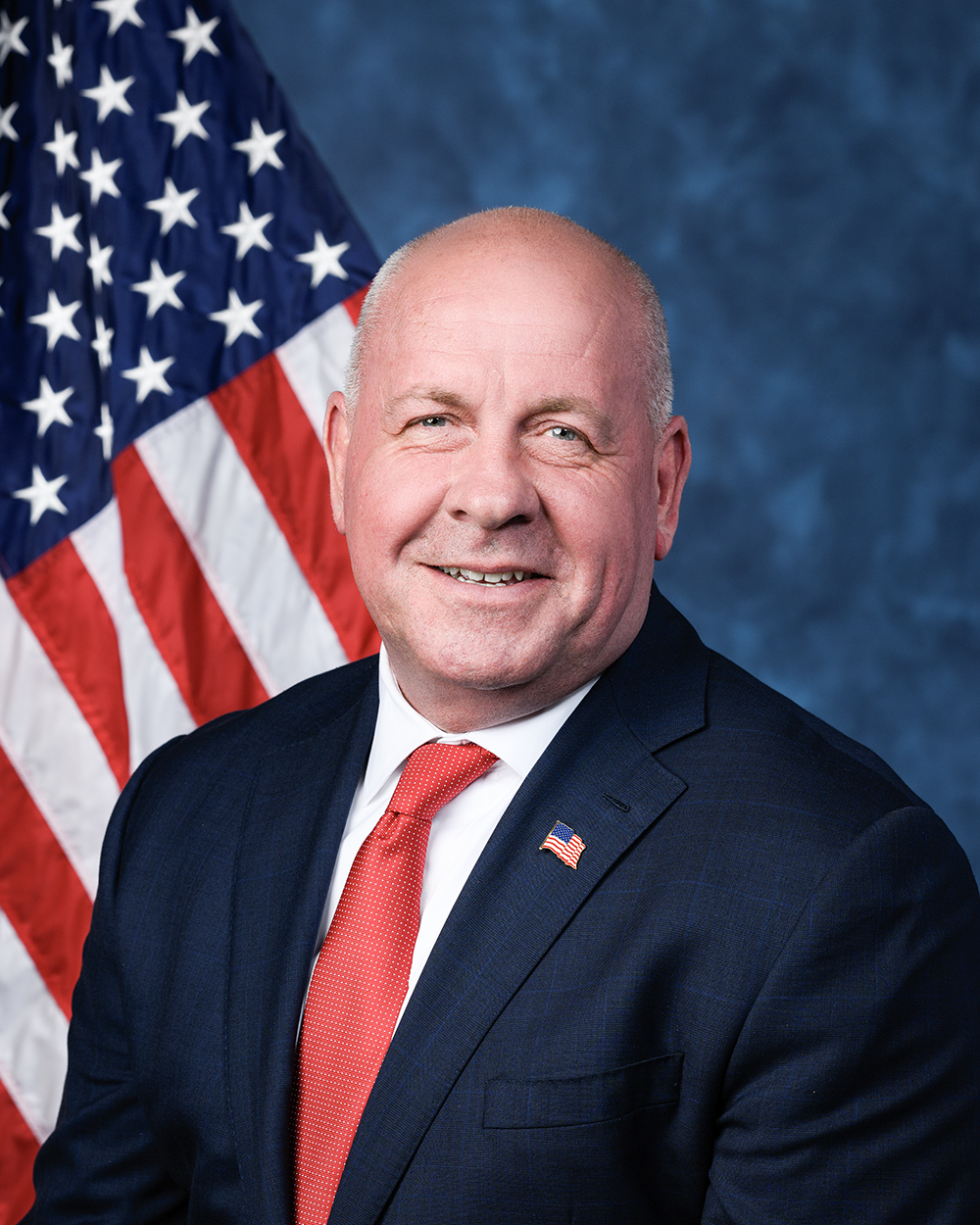
David J. Taylor
David J. Taylor House · District 2
R
Support
72% 186
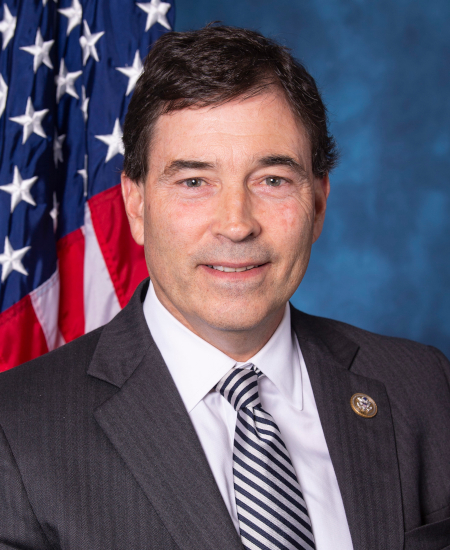
Troy Balderson
Troy Balderson House · District 12
R
Support
71% 184
Emilia Strong Sykes
Emilia Strong Sykes House · District 13
D
Strong −
18% 186
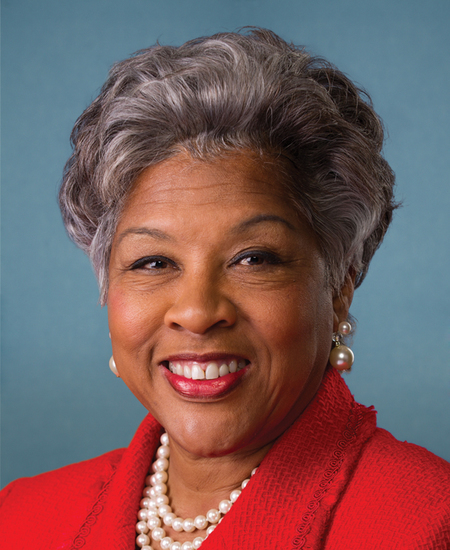
Joyce Beatty
Joyce Beatty House · District 3
D
Strong −
18% 179
Shontel M. Brown
Shontel M. Brown House · District 11
D
Strong −
20% 185
Greg Landsman
Greg Landsman House · District 1
D
Strong −
20% 184
Marcy Kaptur
Marcy Kaptur House · District 9
D
Oppose
23% 182
Showing 1–10 of 390 bills

All budget & taxes bills

in committee · United States · House Sep 10, 2026

HR 10327: Cost Estimates Improvement Act

The Cost Estimates Improvement Act requires the Congressional Budget Office and the Joint Committee on Taxation to include public debt servicing costs in their financial estimates, to the extent practicable. This change directly affects federal budgeting processes by ensuring that the interest payments on national debt are factored into official cost projections for new legislation. The bill amends the Congressional Budget and Impoundment Control Act of 1974 to mandate this specific inclusion in all future estimates prepared by these two bodies.
in committee · United States · House Jul 21, 2026

HR 9616: EMRTAI Authorization Act of 2026

The EMRTAI Authorization Act of 2026 directs the Environmental Protection Agency to create a program that investigates methods for finding and recovering critical materials from contaminated sites. This initiative allows the EPA to provide funding to states, local governments, tribes, nonprofits, and private entities to support these recovery efforts and monitor environmental cleanup. The program is limited to a total of $10 million per year, with no single recipient receiving more than $3 million, and grants are evaluated based on their potential to strengthen domestic supply chains and protect human health. The authority to run this program will end ten years after the bill is enacted.
Sub-Topics Hazardous Materials
in committee · United States · House Jul 27, 2026

HR 9958: Head Start Expansion and Improvement Act of 2026

The Head Start Expansion and Improvement Act of 2026 broadens eligibility for early childhood education services by including recipients of various public assistance programs, such as food stamps and Medicaid, in the definition of qualifying families. The bill authorizes $36 billion annually from fiscal years 2027 through 2032 to support these expanded operations and creates a separate grant program providing $1 billion per year until 2030 for agencies to repair or upgrade aging facilities with safety hazards. Additionally, the legislation establishes a loan forgiveness program that cancels federal student loans for childcare workers who complete three years of full-time service in Head Start or Early Head Start programs. Finally, it authorizes $6.8 billion annually through 2032 to provide salary supplements to Head Start employees, with funding allocated based on local wage gaps and cost-of-living factors.
in committee · United States · House Sep 3, 2026

HR 10277: Access to School Supplies Act of 2026

The Access to School Supplies Act of 2026 establishes a five-year pilot program that provides competitive grants to up to ten local school districts serving high-poverty schools. These funds are intended to help districts purchase books, supplies, and other materials for students and instructional staff at no cost. The legislation authorizes $100 million annually from fiscal years 2027 through 2031 and requires recipients to submit annual reports detailing how the money was spent and which schools benefited. A small portion of the total funding is reserved for outlying areas and Bureau of Indian Education schools, while the program sunsets on September 30, 2031.
in committee · United States · Senate Aug 4, 2026

S 5227: First-Time Home Buyer Empowerment Act

The First-Time Home Buyer Empowerment Act allows individuals to use funds from long-term 529 college savings plans to purchase a principal residence without incurring federal income taxes. To qualify, the account must have been open for at least 15 years, the distribution must be used within 60 days, and the total amount withdrawn for this purpose cannot exceed $35,000. If the home is sold or no longer used as a primary residence within five years, the beneficiary must repay the tax benefit, though this penalty decreases by 20 percent for each full year the home is kept. The law also adjusts the overall limit on special rollovers to Roth IRAs to account for these new home purchase withdrawals.
Sub-Topics Homeownership
in committee · United States · House Jul 22, 2026

HR 9840: S Corporation Modernization Act of 2026

The S Corporation Modernization Act of 2026 introduces several changes to U.S. tax law to update rules for S corporations. It allows shareholders who inherit S corporation stock to deduct built-in gains over 15 years, while also adjusting how gains are treated if specific assets are sold. The bill expands the maximum number of allowed shareholders from 100 to 250 and permits individual retirement accounts to own S corporation stock. Additionally, it raises the passive investment income limit from 25 percent to 60 percent and creates a new withholding tax system for nonresident alien shareholders. The legislation also repeals the tax on nonqualified deferred compensation plans and allows employees of a firm to be counted as a single shareholder for eligibility purposes.
in committee · United States · House Jul 23, 2026

HR 9938: SCREEN Act

The SCREEN Act creates a new tax credit to help owners of movie theaters in the United States pay for renovations and upgrades to their facilities. This credit covers 30% of the costs spent on eligible equipment and property used to show films, provided the theater has been in operation for at least five years. The amount of the credit is limited based on the number of screens a theater has, ranging from $250,000 for small theaters with fewer than four screens up to $500,000 for larger venues with ten or more screens. Businesses can use this credit to lower their overall tax bill, and the provision is available for expenses incurred after the law is passed until the end of 2030.
Sub-Topics Tax Credits
in committee · United States · House Jul 21, 2026

HR 9811: Anti-Fraud Fund Act of 2026

The Anti-Fraud Fund Act of 2026 increases funding for the Health Care Fraud and Abuse Control Account by $7 billion annually from fiscal year 2027 through 2030. This additional money is intended to support the government's efforts in detecting and preventing fraud within the healthcare system. The bill modifies existing laws to ensure these funds are available for the specified period without altering other spending limits.
in committee · United States · House Jul 14, 2026

HRES 1429: Expressing support for continued efforts to safeguard the supplemental nutrition assistance program under the Food and Nutrition Act of 2008 from fraud, waste, and abuse for the Nation's most vulnerable.

This resolution expresses support for the Trump administration's efforts to prevent fraud, waste, and abuse in the Supplemental Nutrition Assistance Program (SNAP). It highlights specific findings from 29 states that shared data, noting issues such as deceased individuals receiving benefits and people using incorrect Social Security numbers. The bill aims to increase transparency and ensure taxpayer dollars are redirected to eligible low-income families rather than being lost to criminal actors.
in committee · United States · House Jul 22, 2026

HR 9839: STRONG Kids Act

The STRONG Kids Act establishes a new grant program to support youth sports organizations in improving health outcomes and increasing access to physical activity for children under 18. The Department of Health and Human Services will award competitive grants to national and regional nonprofits, which must then distribute smaller subgrants to local groups for specific initiatives such as coach training, injury prevention, and safety protocols. Eligible recipients can use funds to lower barriers for underserved populations, implement background checks to prevent abuse, and promote positive character development through structured sports programs. The legislation authorizes funding starting in fiscal year 2027 and requires organizations to prioritize youth with limited resources while submitting regular reports to Congress on program effectiveness.
Sub-Topics Children's Health
Showing 1 to 10 of 390 bills
1 2 3 39 Next