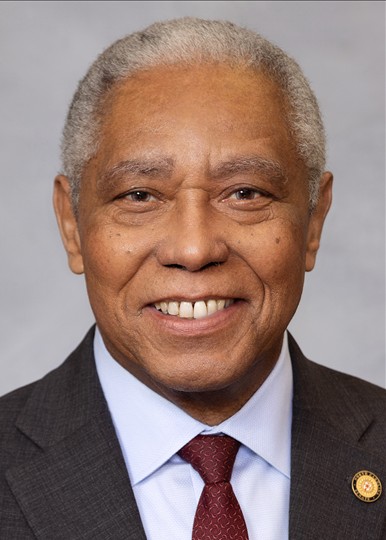
This bill repeals a North Carolina law that currently bans public employees from collectively bargaining with their employers. By removing this prohibition, the legislation allows government workers to negotiate contracts with unions or labor organizations representing them. The act also allocates $100,000 from the state General Fund to educate public employees about these new rights starting July 1, 2026.
This bill, titled the Keep NC Working Act, creates a new Short-Time Compensation Program in North Carolina to help employers avoid layoffs by reducing employee work hours instead. Starting in October 2026, eligible employers can submit a plan to the state Division of Unemployment Insurance to reduce employee hours by between 10% and 60% for up to one year. In exchange for these reduced hours, employees will receive additional unemployment benefits, while employers must ensure that health and retirement benefits continue as if the workers were still working full time. The program requires employers to maintain a clean record with the state regarding unemployment taxes and must have the agreement of any collective bargaining units involved.
SB 120 removes legal barriers to labor organizing in North Carolina by prohibiting employers from requiring union membership or dues as a condition of employment or continued work. It invalidates agreements that tie agricultural product purchases or settlement terms to union status and strengthens protections for workers denied jobs due to union affiliation. The bill directly affects all workers and employers in the state, including agricultural producers covered under federal labor laws. Key provisions repeal restrictions on labor agreements and clarify that union membership or dues cannot be mandated for employment under North Carolina law. The law applies to new agreements entered into after its effective date.
This bill creates a new tax deduction for North Carolina taxpayers who pay labor organization membership dues. It allows individuals to deduct dues, fees, or assessments required for membership in a labor organization (as defined by state law) from their state taxable income. The deduction applies to payments made during taxable years beginning on or after January 1, 2026. This directly affects workers who are members of labor organizations and pay dues as a condition of membership.
HB 207 removes legal barriers preventing workers from organizing or joining labor unions in North Carolina. It prohibits employers from requiring union membership, dues, or non-membership as a condition of employment or continued work for any employee, including public employees. The bill also invalidates agreements that tie agricultural contracts or litigation terms to union status and allows workers to seek legal damages if denied employment due to these violations. These changes apply to all new employment agreements entered into after the law takes effect, strengthening existing labor protections under North Carolina law.
HB 256 repeals North Carolina's current ban on public employee collective bargaining, allowing state and local government workers (like teachers, police, and administrative staff) to negotiate wages and working conditions with their employers. The bill removes existing legal restrictions (Article 12 of Chapter 95) and explicitly states that public employees' bargaining rights apply to all state and local government employers. It does not create new benefits or funding but aligns public sector bargaining rights with those already available to private sector employees. The bill’s key provision is the repeal of the prohibition, enabling public employees to collectively bargain under existing state law.
HB 179 would allow North Carolina taxpayers to deduct labor union membership dues from their state income tax starting in 2026. The bill creates a new tax deduction for dues, fees, assessments, or other payments required to maintain membership in a labor organization, as defined by state law. This applies specifically to individuals who pay such costs as a condition of union participation. The policy change takes effect for tax years beginning January 1, 2026.
HB 403, the "Workers' Rights Act," fundamentally changes employment protections for all North Carolina workers. It abolishes at-will employment (meaning employers can only terminate workers for "just cause"), mandates paid 15-minute breaks for all employees working over 6 hours and a 60-minute paid meal break for longer shifts, and eliminates the subminimum wage for tipped workers by requiring employers to count tips only up to federal limits. The bill also prohibits employers from retaliating against workers who discuss wages or file complaints, and repeals the ban on public employee collective bargaining while creating an Ombuds Office to handle state employee workplace issues. These provisions directly affect every worker in North Carolina and state employees.
SB 623 would allow firefighters, police officers, and EMTs (first responders) in North Carolina to collectively bargain with local governments or state agencies over wages, benefits, and working conditions. It amends a current law that prohibits such negotiations for first responders, making it the first time they could formally negotiate as a group. The bill maintains the existing ban on strikes by public employees. If passed, it would directly affect all first responders statewide, changing their labor rights under state law.