Issue · Education

Education (Higher Education)

Every education bill, vote, and legislator stance in North Carolina, automatically classified by Maddy, our AI policy reader.

Total bills
90
2025-2026 Session
Top supporter
Becky Carney
100% support rate
Top opponent
Ben Moss
33% support rate
Ranked legislators
9
5 support · 4 oppose
Key legislators

Who's moving higher education in North Carolina

Legislators moving higher education in North Carolina
Legislator Party Stance Support rate Votes
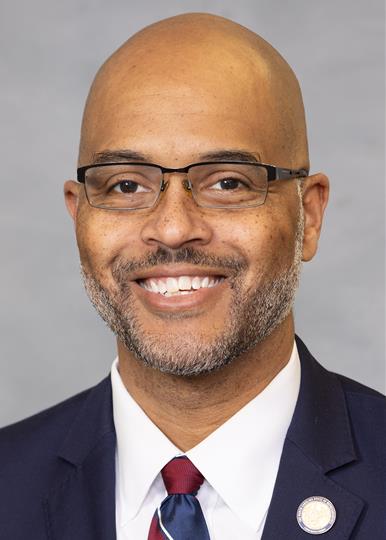
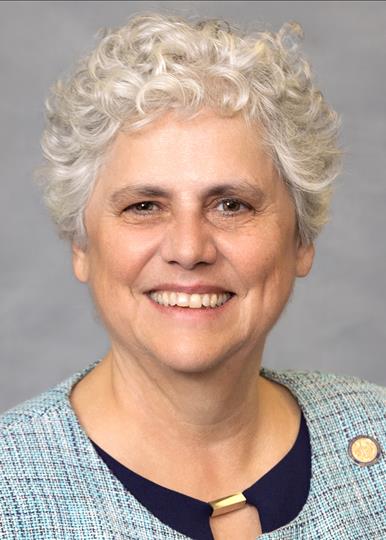
Becky Carney
Becky Carney House · District 102
D
Strong +
100% 4
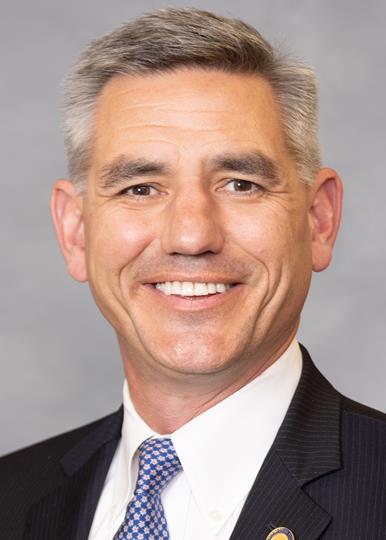
Brandon Lofton
Brandon Lofton House · District 104
D
Strong +
100% 4
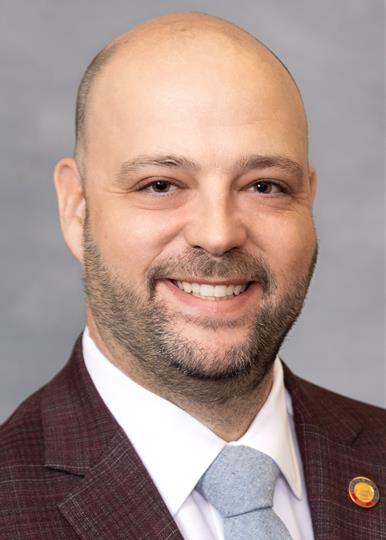
Brian Turner
Brian Turner House · District 116
D
Strong +
100% 4
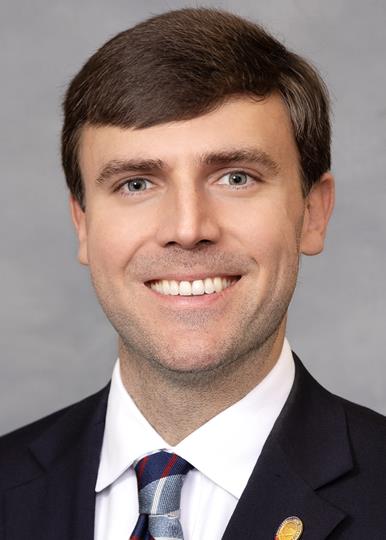
Bryan Cohn
Bryan Cohn House · District 32
D
Strong +
100% 4
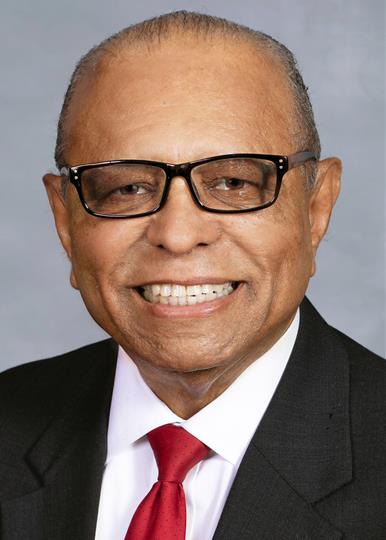
Charles Smith
Charles Smith House · District 44
D
Strong +
100% 4
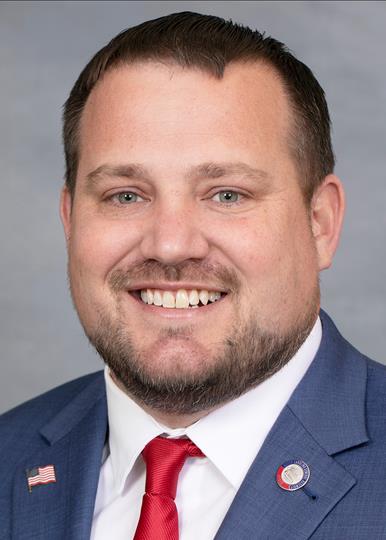
Ben Moss
Ben Moss House · District 52
R
Oppose
33% 3
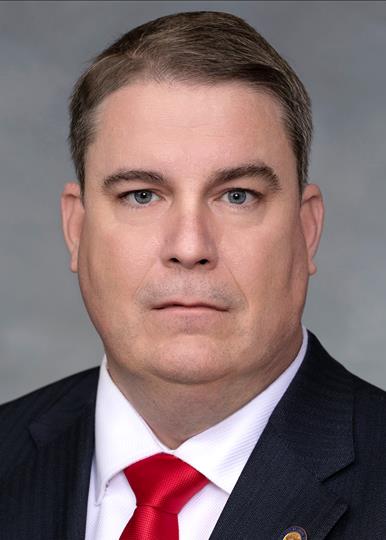
Brenden Jones
Brenden Jones House · District 46
R
Oppose
33% 3
Nasif Majeed
Nasif Majeed House · District 99
I
Oppose
33% 3
Sarah Stevens
Sarah Stevens House · District 90
R
Oppose
33% 3
Showing 71–80 of 90 bills

All education bills

in committee · North Carolina · Senate Mar 26, 2025

SB 601: Revise Private Need-Based Scholarship.

SB 601 revises eligibility rules for North Carolina's need-based scholarships at private colleges. It requires qualifying institutions to hold specific regional accreditation (like SACSCOC) and meet campus standards, directly affecting private colleges seeking state scholarship funding and their students. The bill updates definitions in law to clarify which schools qualify, adding new accreditation criteria and distinguishing between "main permanent" and "permanent" campuses. These changes apply to scholarships awarded starting in the 2025-2026 academic year. The bill does not alter scholarship amounts or create new programs, only refining which institutions can participate.
died · North Carolina · Senate Mar 26, 2025

SB 534: Capital Project Funding at NCA&ampT/WSSU.

SB 534 allocates $237.5 million in one-time state funding from the Capital and Infrastructure Fund for capital projects at two North Carolina universities. Specifically, it provides $125 million to North Carolina A&T State University for an Agricultural Research Classroom and $112.5 million to Winston-Salem State University for a Health, Physical Education, and Recreation Complex. The funding is designated for the 2025-2026 fiscal year and becomes effective July 1, 2025. This bill directly affects the operations and infrastructure development of these two public universities.
died · North Carolina · Senate Mar 26, 2025

SB 715: Student Voter ID Grant Program/CCs.

SB 715 appropriates $500,000 to create a grant program for North Carolina community colleges. The program provides up to $20,000 per college to upgrade equipment and facilities needed to produce student ID cards that meet state voting requirements (G.S. 163-166.16). It directly affects community colleges that lack voter-acceptable student IDs, removing financial barriers to providing these cards. Colleges must submit plans for fund use by August 15, 2025, and the State Board of Elections must approve the IDs before they can be used for voting.
Sub-Topics Higher Education
in committee · North Carolina · House Mar 27, 2025

HB 528: Coastal Carolina Community College/Funds.

HB 528 allocates $20 million from the state General Fund to Coastal Carolina Community College for renovating its Trades Building. The one-time funding, effective July 1, 2025, is specifically designated to upgrade facilities used for vocational training programs. This bill directly affects the college’s infrastructure and the students who use the Trades Building for hands-on learning. The provision creates a concrete policy change by directing state funds for a specific capital improvement project.
died · North Carolina · House Apr 2, 2025

HB 7: NC Reclaiming College Education on America's Constitutional Heritage (REACH) Act.

HB 7, the NC REACH Act, requires all students graduating with a baccalaureate degree from a UNC system university or an associate degree from a North Carolina community college to complete at least three credit hours of coursework in American history or government. This coursework must include reading key documents like the U.S. Constitution, Declaration of Independence, Federalist Papers, and Dr. Martin Luther King Jr.'s Letter from Birmingham Jail, plus a final exam worth 20% of the grade. Students may qualify for exemptions through AP/IB/Cambridge scores, dual enrollment, or prior equivalent coursework. The bill ensures these requirements do not increase total graduation credit hours or conflict with accreditation standards, with annual compliance reports due to the legislature starting in 2026.
in committee · North Carolina · House Apr 1, 2025

HB 596: Standards Advisory Commission.

HB 596 establishes the Standard Course of Study Advisory Commission (SCOS Commission) to advise North Carolina's State Board of Education on academic standards. The 18-member commission includes teachers, principals, parents, school administrators, business representatives, and university officials to provide stakeholder input. It will recommend standards for core subjects like math, science, and civics that must be grade-specific, measurable, and aligned with college readiness requirements. These recommendations will guide updates to curriculum, testing, and teacher training programs used across public schools statewide.
in committee · North Carolina · House Apr 2, 2025

HB 639: Prioritize In-State Applicants/UNC Educator Schools.

HB 639 requires all University of North Carolina (UNC) educator preparation programs to give first priority in admissions to applicants who qualify as North Carolina residents for tuition purposes under state law. This directly affects UNC schools offering teacher training programs and prospective in-state students applying to those programs starting in the 2025-2026 academic year. The bill mandates that programs follow the state's standardized residency determination process to verify applicant status. It does not change tuition rates but alters admission priority based solely on residency eligibility.
in committee · North Carolina · House Apr 3, 2025

HB 689: Expanding Workforce and Education Act.

HB 689 allows North Carolina high school graduates who attended NC public or nonpublic schools for four consecutive years before graduation to pay in-state tuition at state colleges and universities, provided they hold a NC driver's license, have a Social Security number, and enroll immediately after high school. It directly affects qualifying NC high school graduates who would otherwise pay out-of-state tuition rates. Key provisions include requiring proof of NC residency through driver's license and school attendance records each semester, with all application information kept confidential. The bill takes effect for the 2025-2026 academic year and does not change residency status for other purposes.
in committee · North Carolina · House Apr 7, 2025

HB 783: Sidekicks Academy/Funds.

HB 783 appropriates $100,000 from North Carolina's General Fund for Sidekicks Academy, Inc. to support its Durham Public Schools program. The funds will cover $90,000 for student training gear, safety equipment, tournaments, and staff salaries, plus $10,000 for field trips to Taekwondo tournaments, museums, and college events. The program directly serves marginalized students by combining martial arts training, character development, and community support to create a safe learning environment. This is a funding measure with no policy changes, solely providing financial support to an existing community program.
in committee · North Carolina · House Apr 8, 2025

HB 815: Voucher School Accountability Act.

HB 815 revises North Carolina's Opportunity Scholarship Program, which provides state-funded vouchers for private school tuition. It expands eligibility to include students in foster care, military families, and those previously enrolled in public school, while prioritizing low-income students (households at or below 200% of the federal free/reduced lunch income threshold) for full tuition coverage (90% for full-time, 45% for part-time). Nonpublic schools receiving funds must meet reporting standards, and the program now requires schools to document student enrollment and academic progress. This bill directly affects low-income families, military-connected students, and participating private schools seeking state-funded tuition assistance.
Showing 71 to 80 of 90 bills
Previous 1 7 8 9 Next