

Issue · Education
Education
Every education bill, vote, and legislator stance in North Carolina, automatically classified by Maddy, our AI policy reader.
Total bills
337
2025-2026 Session
Top supporter
Shelly Willingham
89% support rate
Top opponent
Dan Blue
20% support rate
Ranked legislators
10
5 support · 5 oppose
Key legislators
Who's moving education in North Carolina
| Legislator | Party | Stance | Support rate | Votes |
|---|---|---|---|---|
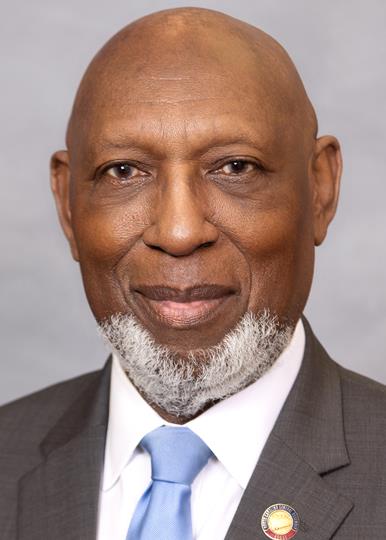
Shelly Willingham
House · District 23
|
D |
Strong +
|
89% | 27 |
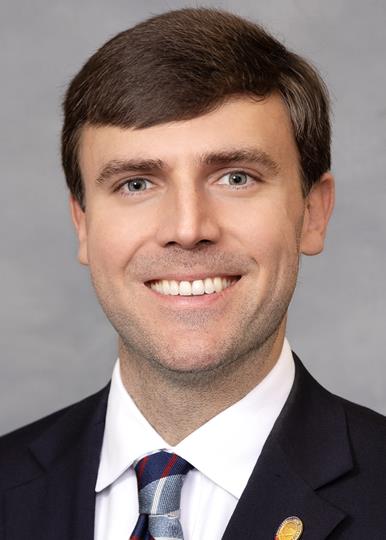
Charles Smith
House · District 44
|
D |
Strong +
|
88% | 34 |
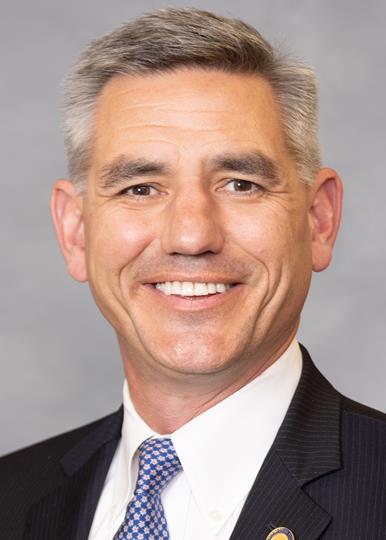
Brian Turner
House · District 116
|
D |
Strong +
|
86% | 33 |
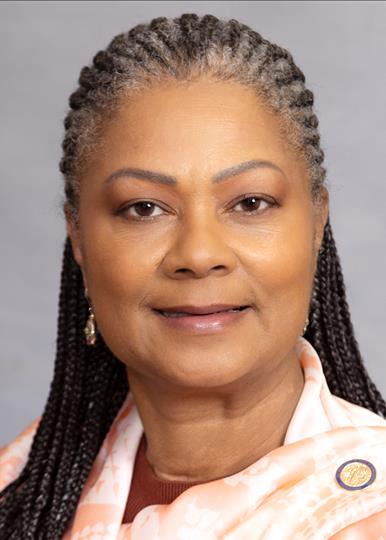
Carla Cunningham
House · District 106
|
I |
Strong +
|
85% | 26 |

Becky Carney
House · District 102
|
D |
Strong +
|
81% | 35 |
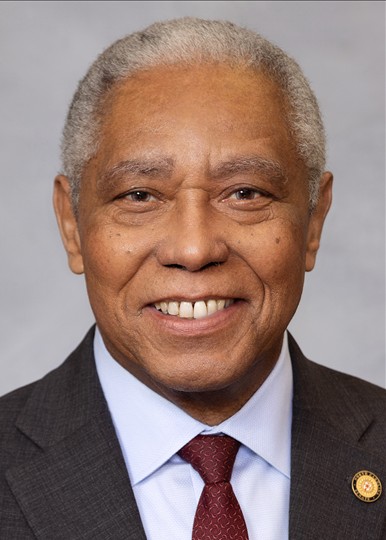
Dan Blue
Senate · District 14
|
D |
Strong −
|
20% | 18 |
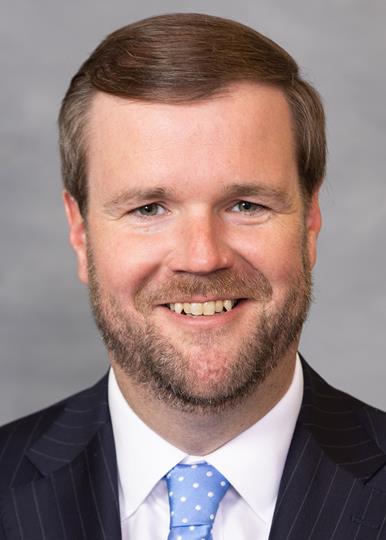
Kyle Hall
House · District 91
|
R |
Oppose
|
27% | 27 |
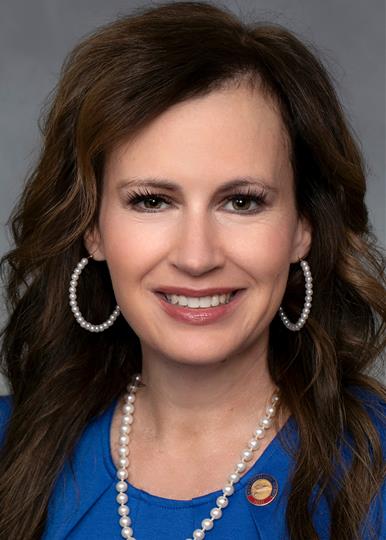
Tricia Cotham
House · District 105
|
R |
Oppose
|
31% | 29 |
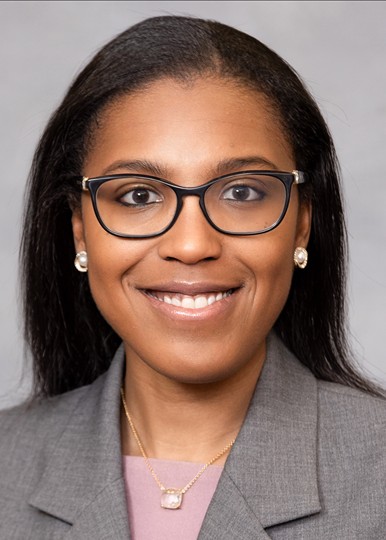
DeAndrea Salvador
Senate · District 39
|
D |
Oppose
|
33% | 16 |

Gale Adcock
Senate · District 16
|
D |
Oppose
|
33% | 18 |
Showing 111–120 of 337
bills
All education bills
HB 937: Keeping Our Coaches Act.
Topics
✓ Budget & TaxesSupports Budget & TaxesAllocates $11M annually from sports betting tax revenue to fund coach salary supplements, increasing public school funding via existing tax revenue.
✓ EducationSupports EducationAllocates $11M annually from sports betting revenue for coach salary supplements, ensuring minimum state/local funding for school staff under education category.
Sub-Topics
Revenue
HB 209: Employee Housing/Durham County.
Topics
✓ EducationSupports EducationAuthorizes affordable housing specifically for Durham Public Schools teachers, addressing retention and recruitment needs within education system.
✓ HousingSupports HousingCreates affordable housing for teachers/first responders with 75% units reserved and below-market rents, directly advancing housing access for public employees.
✓ Labor & EmploymentSupports Labor & EmploymentProvides affordable housing for essential workers (teachers, first responders), directly addressing housing costs as a key employment benefit and retention factor for public sector employees.
HB 800: Review Effectiveness and Delivery of Child Care.
Sub-Topics
Early Childhood
HB 885: Revise Suspension and Parental Notice Policies.
SB 473: Capital for Communities Act.
Topics
✓ Budget & TaxesSupports Budget & TaxesCreates dedicated fund from state investment earnings (3.5%) to fund affordable housing, healthcare, and workforce programs, increasing state funding allocation for public services.
✓ EducationSupports EducationBill allocates grants specifically for 'nonprofit education facilities' through a dedicated fund, directly funding educational infrastructure and programs.
✓ HealthcareSupports HealthcareBill specifically targets healthcare facilities addressing shortages and medical research for grants from the dedicated fund, directly advancing healthcare infrastructure and services.
✓ HousingSupports HousingSB 473 creates a dedicated fund specifically targeting affordable housing projects through state grants, directly advancing housing affordability as a primary focus.
✓ Labor & EmploymentSupports Labor & EmploymentDirectly funds workforce development and living-wage jobs, advancing employment standards per bill summary and subjects list.
Sub-Topics
Early Childhood
Affordable Housing
Community Development
Property Development
Workforce Development
Tags
Economic Development
HB 930: First Responder Bonus/Appreciation Fund/$1500.
Topics
✓ Budget & TaxesSupports Budget & TaxesAllocates $295M annually from General Fund for first responder/teacher bonuses, increasing public sector compensation funding under budget appropriations.
✓ EducationSupports EducationAllocates $165M for teacher bonuses (classroom staff, principals), directly funding educator compensation and retention under Education/Teachers subjects.
Sub-Topics
State Budget
HB 241: Person County Projects/Funds.
Topics
✓ Budget & TaxesSupports Budget & TaxesAllocates $15.8M in state funds for infrastructure (wastewater, parks) and education (college equipment), advancing budget appropriations for public services.
✓ EducationSupports EducationAllocates $5M for Piedmont Community College's health/trades center equipment, directly funding higher education infrastructure per bill subjects.
HB 1004: UNC Artificial Intelligence and Technology Hubs.
Topics
✓ EducationSupports EducationAllocates $16M one-time, $8M annual, and $100M total for AI/tech hubs and education-focused research grants, strengthening higher education innovation and workforce development.
✓ TechnologySupports TechnologyAllocates $16M one-time, $8M annual for AI hubs, $70M for tech hubs, $30M for AI research grants to drive innovation and workforce development in technology.
Sub-Topics
Artificial Intelligence
HB 268: 2026 Budget Technical Corrections - II.
Sub-Topics
Higher Education