Maddy summaryThis bill establishes a uniform priority system for domestic violence survivors applying to public housing. It requires local housing authorities to give these applicants the same waiting list priority as other vulnerable groups (like the disabled, elderly, or homeless) if they either face ongoing domestic violence in their current home or have left due to abuse without stable replacement housing. The bill specifies that among applicants with equal priority status, selection will be based on application date and time. It references the existing legal definition of "victim of domestic violence" from social services law and applies immediately to all new applicants on waiting lists.
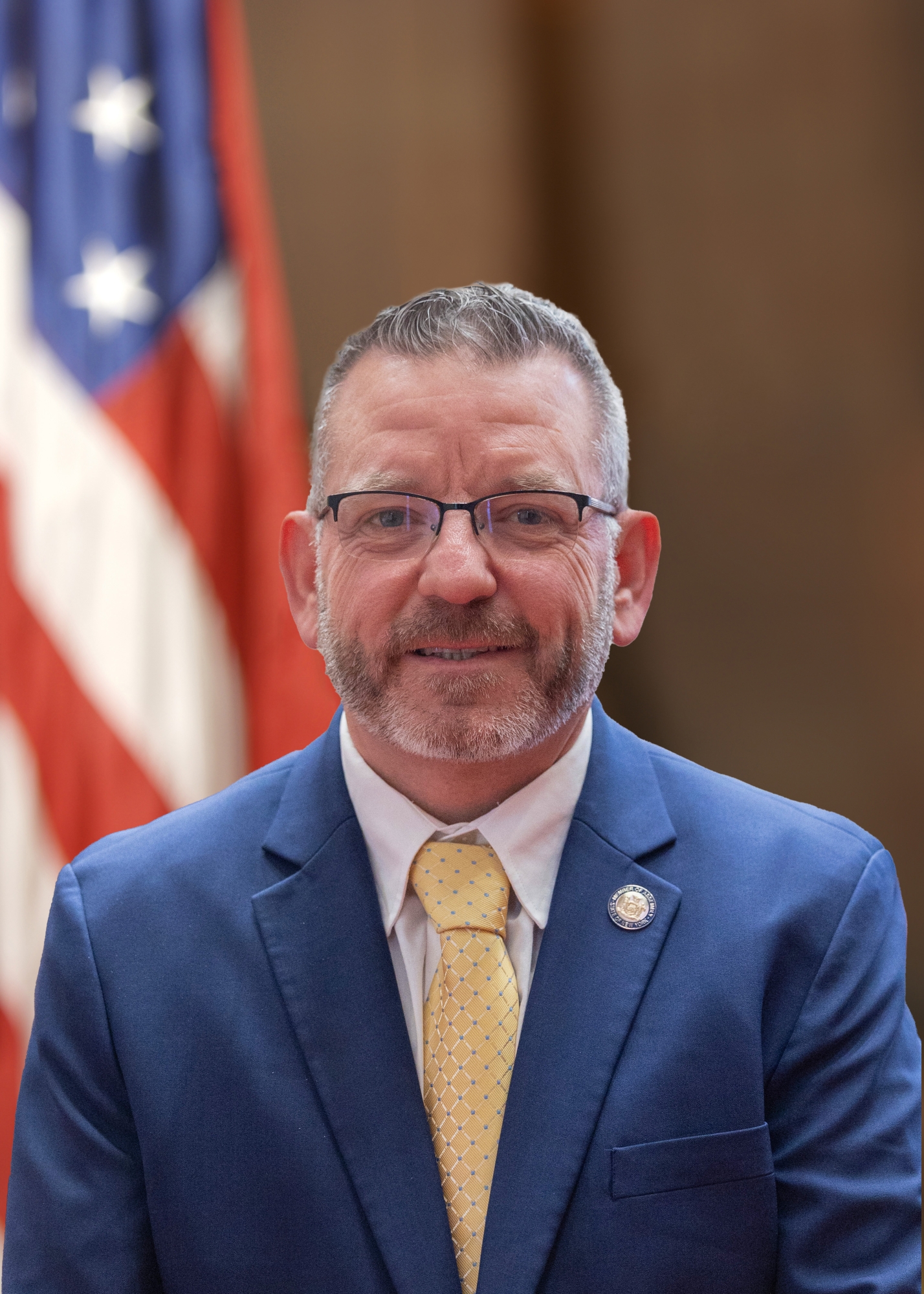
Rep. Mike Reilly
Sponsored bills
Maddy summaryThis bill prevents local governments (cities, towns, or villages) from creating their own voting rules that expand eligibility beyond what state law allows. It specifically prohibits municipalities from granting voting rights to people who don't have the right to vote under state election law, through actions like changing local charters or passing local laws. The bill amends election law to ensure voting eligibility remains consistent with state standards and cannot be altered by local authorities. It takes effect immediately upon passage.
Maddy summaryThis bill (A 10124) changes New York's criminal law by removing hate crimes from the list of offenses that allow a young person to receive a "youthful offender" finding instead of a formal conviction. Specifically, it amends the criminal procedure law to explicitly exclude "hate crime" (as defined in Penal Law § 485.05) from the types of offenses eligible for youthful offender status. This means individuals convicted of hate crimes will no longer qualify for this status, resulting in a formal adult conviction record. The change directly affects young people (typically under 18) who commit hate crimes, requiring them to face adult sentencing procedures rather than the rehabilitative options available under youthful offender status. The law takes effect immediately upon enactment.
Provides that when property, regardless of its nature and value, is taken from the person of another and the victim is 65 years of age or older or such property is obtained by extortion and the victim is 65 years of age or older, such crimes shall be grand larceny in the third degree and subject to a class D felony.
Establishes the crime of aggravated resisting arrest as where a person intentionally prevents or attempts to prevent a police officer or peace officer from effecting an authorized arrest of such person or another person through the use of physical force, where such authorized arrest is for a crime which is a felony.
Provides a waiver of earnings limitations for retired sworn law enforcement officers employed by the office of the special commissioner of investigations for the New York city school district.
Prohibits the elimination of building systems or equipment used for the combustion of fossil fuels, including, natural gas, propane and fuel oil in new building construction.
Authorizes the establishment of New York health care savings accounts to allow residents of the state to save money for the payment of qualified health care related expenses; relates to the use, maintenance, and tax liability of such accounts.
Maddy summaryThis bill creates a new class E felony offense for intentionally interfering with police officers during their duties. It specifically prohibits actions like spitting on officers, throwing objects, or physically pushing, shoving, or blocking them while they are performing official tasks. The law defines obstruction as a criminal act punishable by up to four years in prison, applying directly to individuals who disrupt officer safety or operations. The bill does not include exceptions or additional context beyond these specific prohibited behaviors.