

Issue · Labor & Employment
Labor & Employment
Every labor & employment bill, vote, and legislator stance in New York, automatically classified by Maddy, our AI policy reader.
Total bills
1,442
2025 Regular Session
Top supporter
MaryJane Shimsky
100% support rate
Top opponent
Chris Friend
0% support rate
Ranked legislators
10
5 support · 5 oppose
Key legislators
Who's moving labor & employment in New York
| Legislator | Party | Stance | Support rate | Votes |
|---|---|---|---|---|
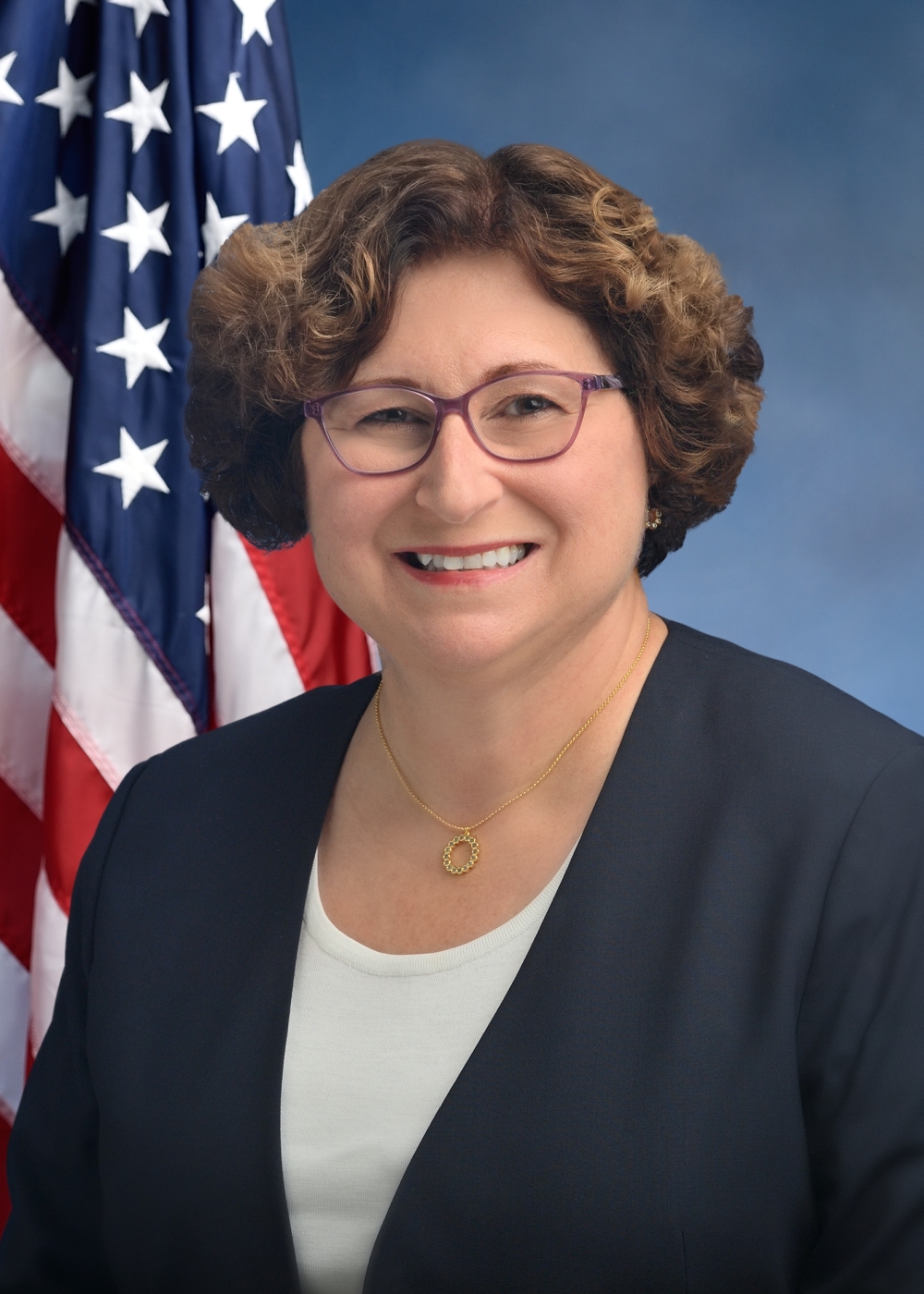
MaryJane Shimsky
House · District 92
|
D |
Strong +
|
100% | 63 |
Jonathan Jacobson
House · District 104
|
D |
Strong +
|
100% | 63 |

Ron Kim
House · District 40
|
D |
Strong +
|
100% | 63 |
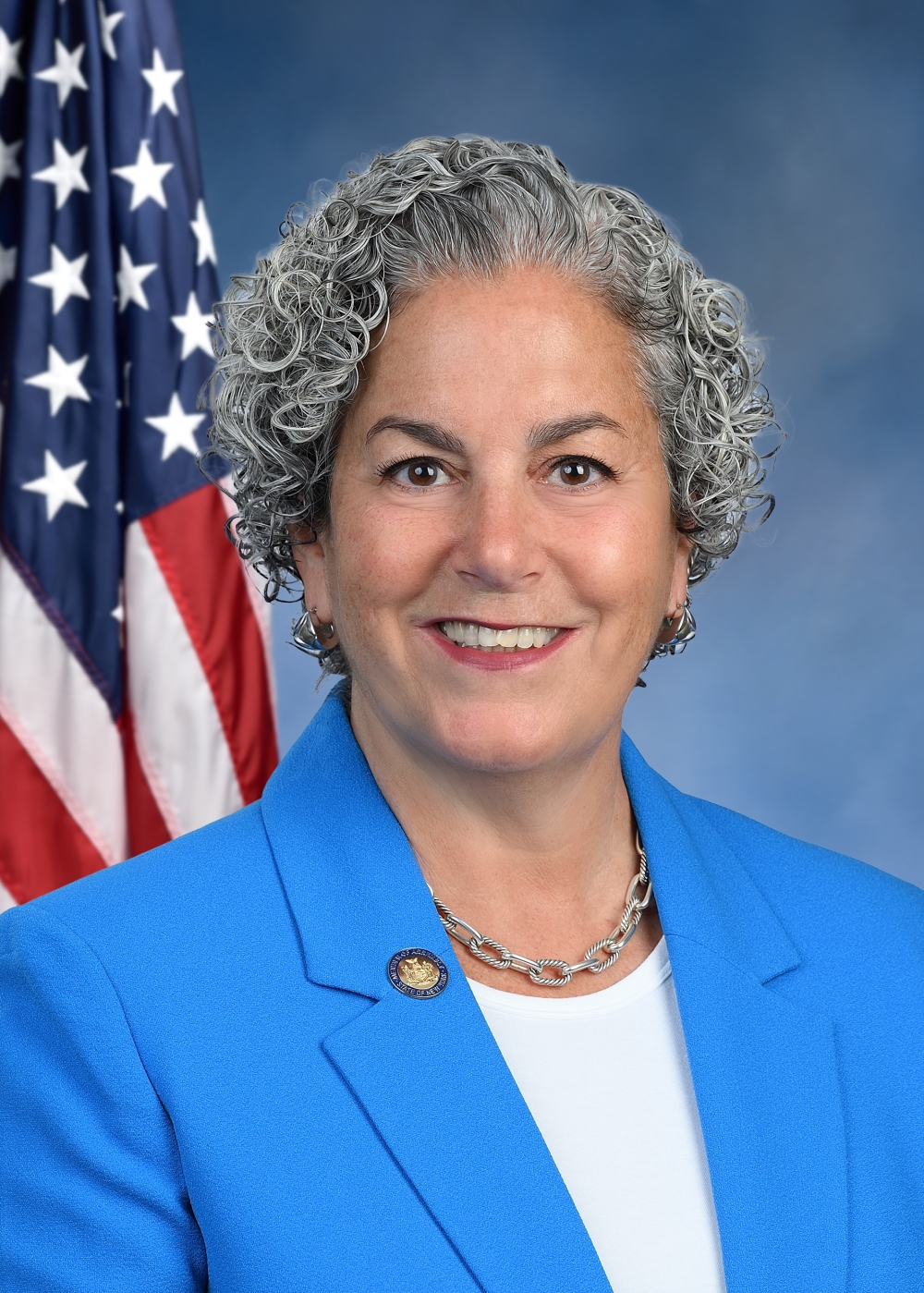
Stacey Pheffer Amato
House · District 23
|
D |
Strong +
|
100% | 63 |
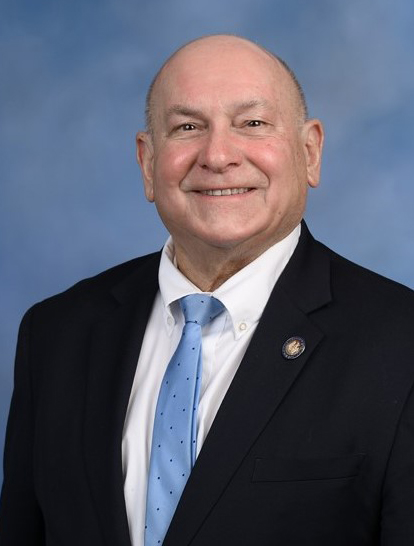
Chris Burdick
House · District 93
|
D |
Strong +
|
100% | 63 |
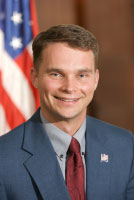
Chris Friend
House · District 124
|
R |
Strong −
|
0% | 60 |
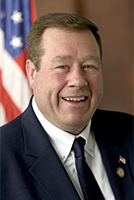
Chris Tague
House · District 102
|
R |
Strong −
|
0% | 63 |
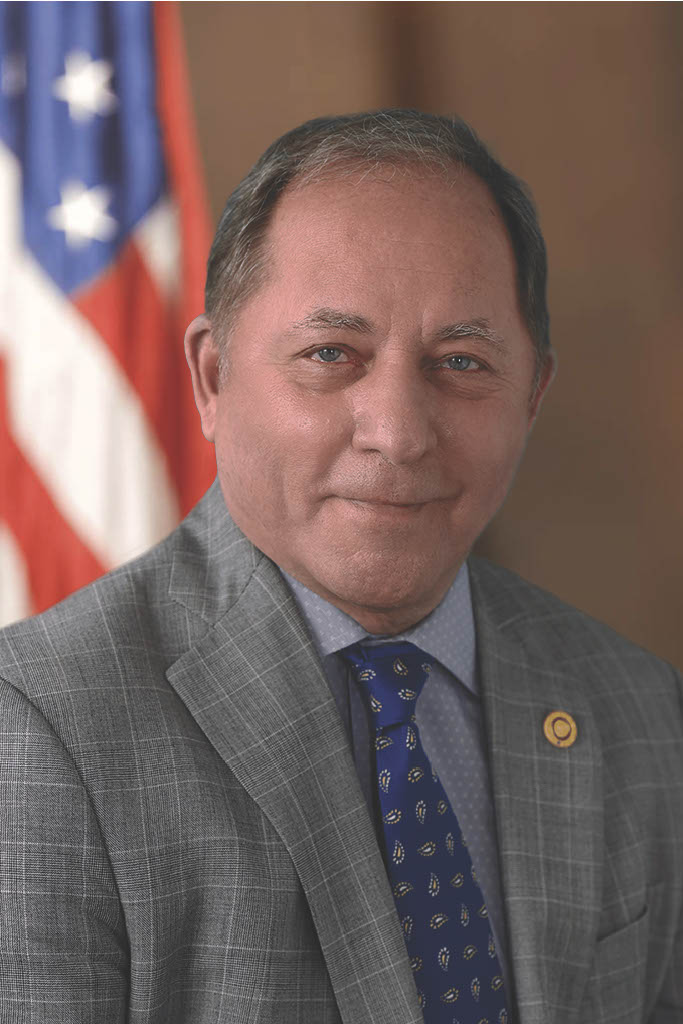
Steve Hawley
House · District 139
|
R |
Strong −
|
4% | 62 |

Ken Blankenbush
House · District 117
|
R |
Strong −
|
4% | 61 |

Dave DiPietro
House · District 147
|
R |
Strong −
|
4% | 62 |
Showing 1,371–1,380 of 1,442
bills
All labor & employment bills
S 3950: Expands the empire state apprenticeship tax credit to include additional credit for people with disabilities
Topics
✓ Budget & TaxesSupports Budget & TaxesAdds $500 tax credit for employers hiring disabled apprentices, providing direct tax relief under state tax code.
✓ Labor & EmploymentSupports Labor & EmploymentBill adds $500 tax credit for employers hiring disabled apprentices, directly expanding employment opportunities and promoting inclusive hiring for a vulnerable workforce segment.
S 563: Enacts the Good Jobs Guarantee Act for workforce training
Sub-Topics
Workforce Development
S 3952: Establishes local wage enforcement authority in the city of New York
A 912: Relates to prohibiting contract provisions that waive certain substantive and procedural rights
A 1214: Relates to prohibiting certain conditions or preconditions of employment
Sub-Topics
Collective Bargaining
A 1467: Relates to paid family leave after a stillbirth
Topics
✓ HealthcareSupports HealthcareAdds stillbirth recovery to paid leave coverage, expanding health-related leave benefits for employees facing medical loss, aligning with healthcare support indicators.
✓ Labor & EmploymentSupports Labor & EmploymentExpands paid family leave benefits to include stillbirth recovery, protecting workers' rights under employment standards.
A 2000: Relates to making contractors and subcontractors that have been debarred under the Davis-Bacon Act (40 U.S.C. 3144) ineligible to bid for or be awarded public works contracts
S 681: Relates to fingerprinting or mandatory iris and retina scanning of employees
Topics
✓ Labor & EmploymentSupports Labor & EmploymentProhibits private employers from mandatory biometric scans, protecting workers' privacy rights and limiting employer overreach in hiring practices.
✓ TechnologySupports TechnologyBill prohibits private employers from mandating biometric data collection (fingerprints/iris scans), directly protecting employee data privacy per topic description.
A 365: Relates to regulating employers to keep their employees safe from exposure to extreme heat
Topics
✓ HealthcareSupports HealthcareMandates workplace heat illness prevention measures (water, rest, training, emergency response) to protect worker health, aligning with public health protection in healthcare policies.
✓ Labor & EmploymentSupports Labor & EmploymentMandates heat safety plans including water, rest breaks, and training, directly enhancing workplace safety protections for workers.