Issue · Healthcare

Healthcare

Every healthcare bill, vote, and legislator stance in New York, automatically classified by Maddy, our AI policy reader.

Total bills
2,747
2025 Regular Session
Top supporter
Jessica Ramos
100% support rate
Top opponent
Dave DiPietro
7% support rate
Ranked legislators
10
5 support · 5 oppose
Key legislators

Who's moving healthcare in New York

Legislators moving healthcare in New York
Legislator Party Stance Support rate Votes
Jessica Ramos
Jessica Ramos Senate · District 13
D
Strong +
100% 195
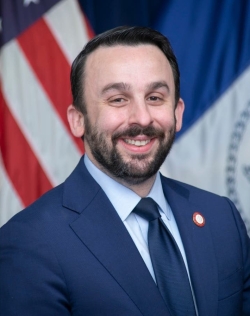
Jeremy Zellner
Jeremy Zellner Senate · District 61
D
Strong +
100% 107
Keith Powers
Keith Powers House · District 74
D
Strong +
100% 33
Diana Moreno
Diana Moreno House · District 36
D
Strong +
100% 31
Erik Bottcher
Erik Bottcher Senate · District 47
D
Strong +
100% 103
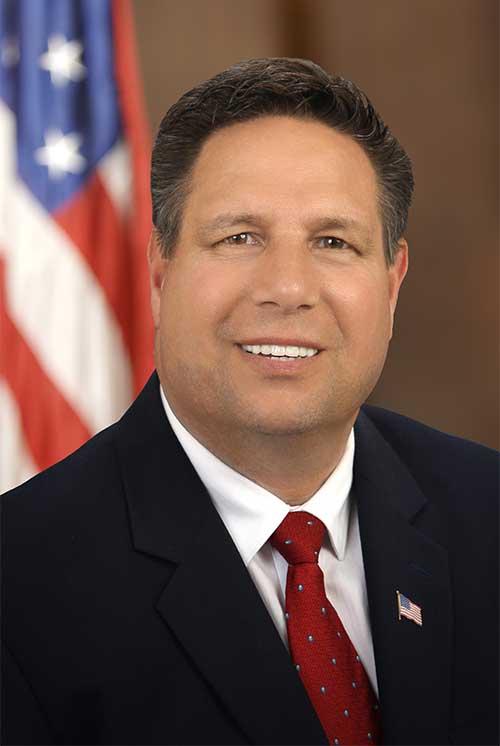
Dave DiPietro
Dave DiPietro House · District 147
R
Strong −
7% 56
Chris Friend
Chris Friend House · District 124
R
Strong −
8% 51
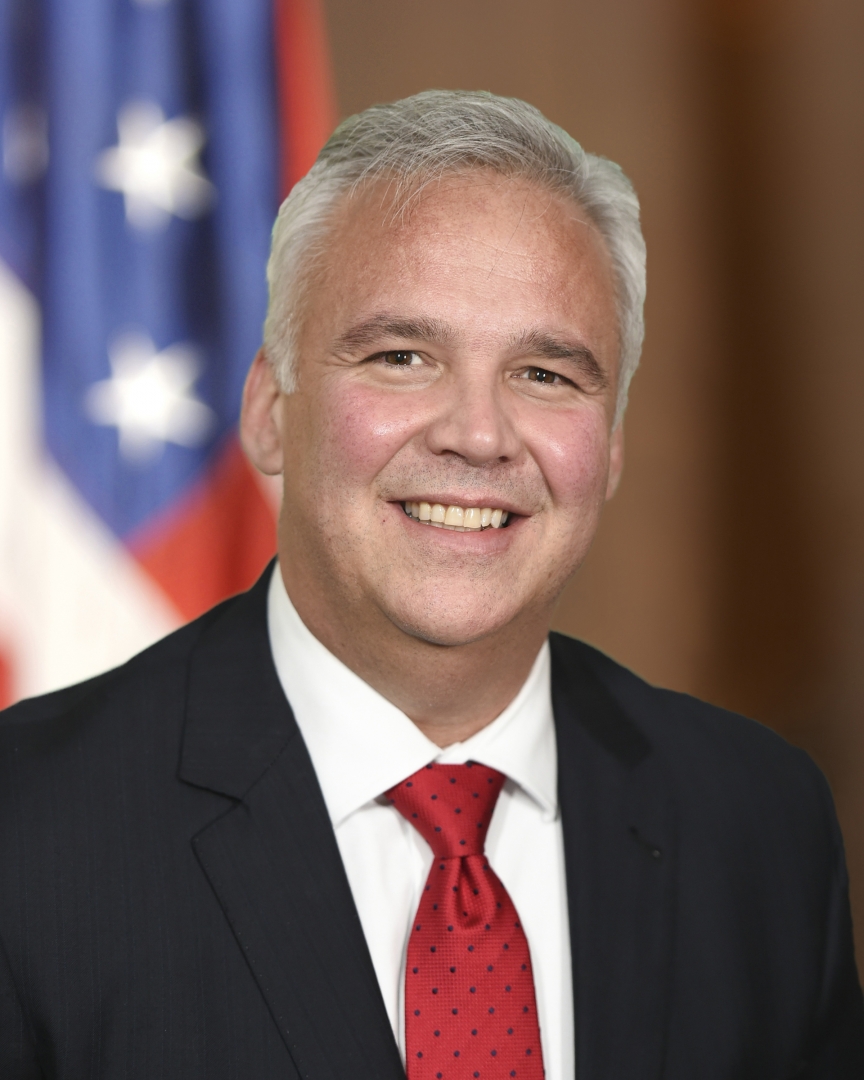
Mark Walczyk
Mark Walczyk Senate · District 49
R
Strong −
8% 257
Brian Manktelow
Brian Manktelow House · District 130
R
Strong −
10% 57
Matt Simpson
Matt Simpson House · District 114
R
Strong −
10% 57
Showing 2,711–2,720 of 2,747 bills

All healthcare bills

in committee · New York · Assembly Jan 7, 2026

A 7200: Provides an exception to hospital visitation rules for members of the clergy

This bill requires hospitals to permit visitation by clergy members from a patient's established religious congregation, provided the patient (or their legal representative) requests it and the visit aligns with hospital safety and treatment protocols. Key provisions include allowing clergy to count toward a hospital's visitor limit (with a one-hour time limit) and permitting immediate visitation during end-of-life or life-threatening emergencies. It directly affects patients, hospitals, and clergy by clarifying visitation rights without overriding existing safety restrictions in units like burn wards or disease isolation areas. The bill does not compel hospitals to allow clergy if safety risks exist, nor does it require clergy to provide visitation.
Sub-Topics Hospitals
in committee · New York · Senate Jan 7, 2026

S 5204: Enacts the Health Care Nondiscrimination Act of 2025

Enacts the Health Care Nondiscrimination Act; requires insurance coverage and health plans to implement equality and non-discrimination between licensed health care providers; requires fee parity between different classes of licensed providers providing the similar or like-kind services; requires practitioners to discuss and refer or prescribe non-pharmacological treatment alternatives before prescribing an opioid treatment; allows any licensed health care provider to perform certain services, including certifying disability and employment by school districts; provides for enforcement and penalties.
Sub-Topics Substance Abuse
in committee · New York · Senate Jan 7, 2026

S 7175: Relates to the training requirements for prescribers of certain pain medications

S 7175 requires healthcare prescribers of certain pain medications to complete updated training focused on safe prescribing practices. The bill mandates that training cover state/federal prescribing rules, pain management, addiction screening, overdose prevention techniques, and buprenorphine prescribing information for license renewals after July 1, 2026. It directs the health department to establish and publish standards for this training, including patient-centered care considerations. The law takes effect 120 days after enactment, with necessary rule updates to be completed by the health department before that date. This directly affects licensed prescribers who renew their licenses after 2026.
Sub-Topics Substance Abuse
in committee · New York · Senate Jan 7, 2026

S 8203: Relates to requiring providers to share electronic medical records with healthcare plans

Requires that a contract between an insurer and a hospital shall include a provision that provides for medical records requested by the insurer or its utilization review agent to be made available electronically by the hospital; limits the use of disclosed records.
Sub-Topics Hospitals
in committee · New York · Senate Mar 31, 2026

S 4872: Provides notice of health insurance contracts for retired officers, employees, and their families

This bill requires public employers to provide 45 days' written notice to retired officers, employees, and their families before approving or amending health insurance contracts covering them. The notice must include either the full contract text with cost details or general terms plus a link to where the full details (including costs to the public corporation and retirees) can be accessed. It applies to all health insurance contracts for retirees that are authorized by a public corporation's governing board. This is a procedural requirement focused on transparency, not changes to insurance benefits or coverage.
Sub-Topics Insurance
in committee · New York · Senate Jan 7, 2026

S 7112: Requires health districts be accredited to receive funding from the department of health

This bill requires all local health districts to become accredited by the Public Health Accreditation Board (PHAB) in order to receive state health department funding. Health districts must register for PHAB's process within one year of the law's effective date and achieve full accreditation within four years. The law aims to improve public health service quality and accountability by tying funding eligibility to standardized accreditation. It directly affects every local health district that relies on state funding for operations and programs.
Sub-Topics Public Health
in committee · New York · Senate Feb 11, 2025

S 2676: Relates to step therapy protocol

This bill (S 2676) sets new rules for health insurance step therapy protocols, which require patients to try lower-cost medications first before covering more expensive options. It directly affects health insurance plans and patients needing specialty medications by limiting step therapy to no more than two drugs in the same category, capping the required trial period at 30 days (or evidence-based guidelines), and requiring insurers to accept doctors' written documentation of treatment failure as proof. The bill also prevents insurers from reapplying step therapy for patients who completed it under prior coverage or for drugs previously approved by the plan. These changes take effect January 1, 2026.
Sub-Topics Prescription Drugs
in committee · New York · Senate Jan 7, 2026

S 5133: Relates to required clinical education for certain mental health practitioners

Requires clinical experience for certain mental health practitioners; allows such practitioners to make assessment-based treatment plans; makes related provisions.
Sub-Topics Mental Health
in committee · New York · Senate Jan 7, 2026

S 2077: Authorizes the delivery of telehealth services in schools by licensed providers

This bill allows licensed telehealth providers to deliver health, dental, and mental health services to students within school settings. It requires providers to meet specific licensing standards, obtain parental consent, and use secure technology to protect student privacy. Schools will not bear costs for these services - funding comes from federal, state, or other existing sources - and telehealth must supplement, not replace, existing school health staff like nurses and counselors. The state must create regulations covering provider requirements, billing, technology standards, and compliance with privacy laws.
in committee · New York · Senate Apr 17, 2025

S 7470: Requires insurers and health plans to grant automatic preauthorization approvals to eligible health care professionals in certain circumstance

Bill S 7470 requires health insurers and plans to grant automatic preauthorization approvals to eligible health care professionals for specific services. A health care professional qualifies for this if an insurer has approved at least 90% of their preauthorization requests for that particular service during the most recent six-month evaluation period. Once a professional has automatic approval, the corresponding health care service is deemed medically necessary, and the insurer must promptly pay the full claim without denial, reduction, or retroactive recoupment. Insurers are required to conduct initial and annual evaluations to determine eligibility for these automatic approvals.
Sub-Topics Insurance
Showing 2,711 to 2,720 of 2,747 bills