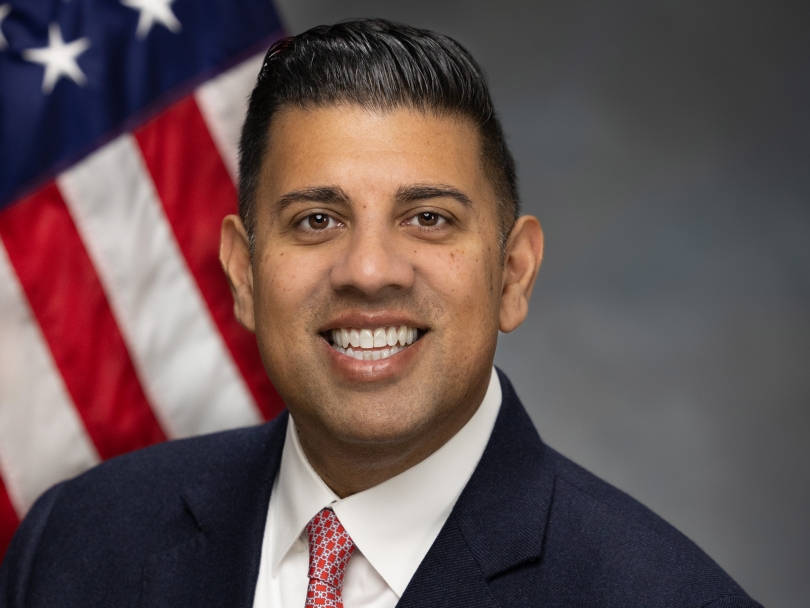
Enacts the "state and local clean energy partnership", directing the public service commission to establish a standard New York state community choice aggregation program for all utility service territories.
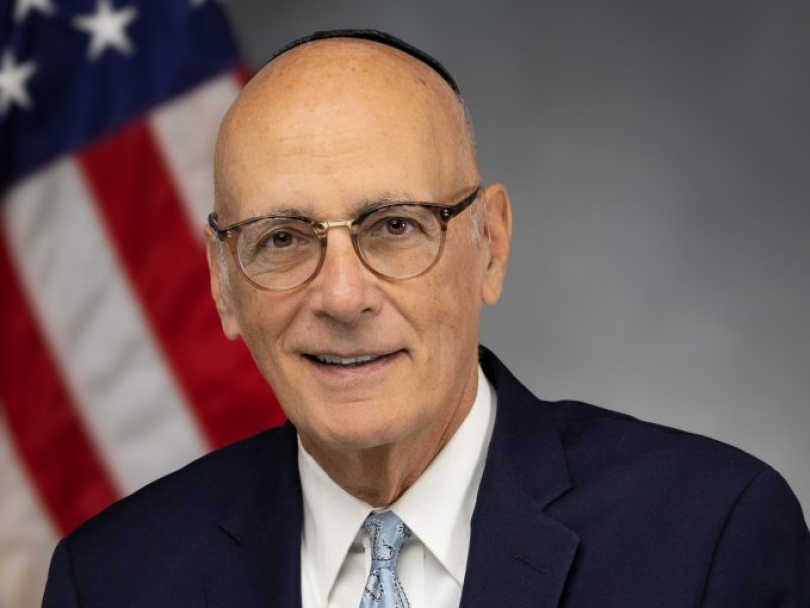
This bill (A 7728) allows renewable energy projects (like solar or wind farms) to connect directly to utility distribution systems at the sub-transmission level, rather than only at lower voltage levels. It requires these projects to meet all existing state and federal requirements, but streamlines the interconnection process to match the standard method used for higher-voltage transmission connections. This change directly affects renewable energy developers and utilities by making it easier for certain projects to connect to the grid, potentially reducing costs and delays for qualifying distributed generation. The bill amends the energy law to override conflicting rules, effective immediately upon passage.
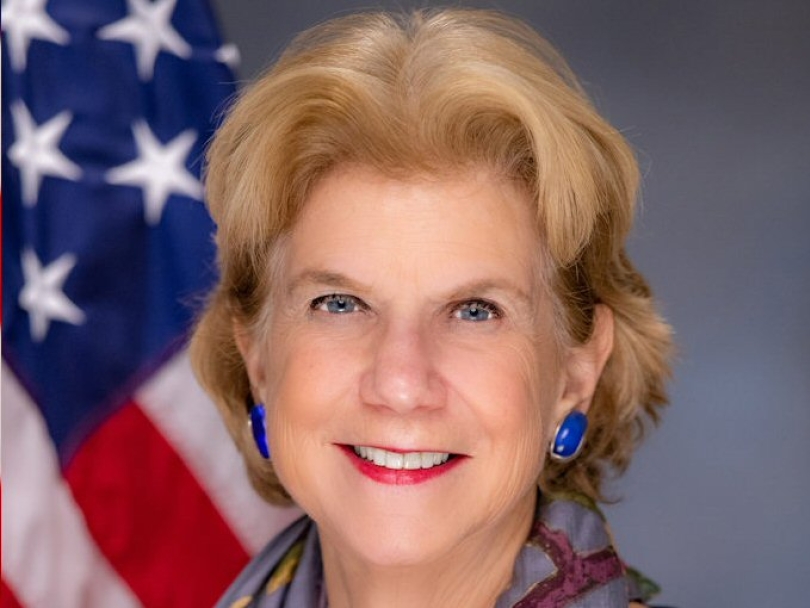
S 1528 establishes a tax on carbon-based fuels like coal, natural gas, and petroleum, imposed on fuel distributors and utilities based on carbon dioxide emissions. The tax starts at $35 per ton of carbon dioxide equivalent and increases by $15 annually to a maximum of $185 per ton. Revenue from the tax funds a dedicated "Carbon Dioxide Emissions Fund," with 60% returned as tax credits to low-to-moderate income residents (below 115% of area median income) and 40% allocated to clean energy transition, mass transit, and climate adaptation projects. The bill requires annual reporting by distributors and utilities and mandates public reporting on tax adjustments to address inflation and climate goals.
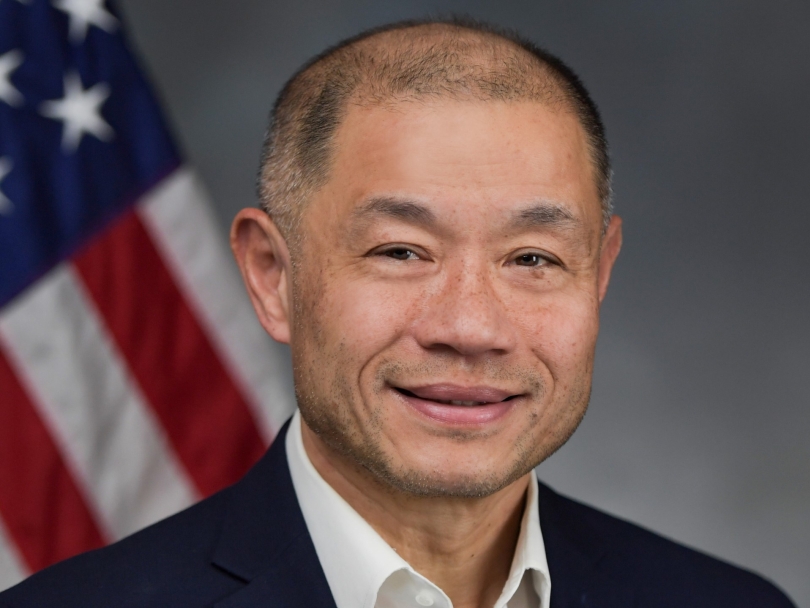
Directs the public service commission to evaluate hydrogen, sewage thermal energy, and nuclear small modular reactors as renewable energy sources and report the results of such evaluation to the governor and the legislature.
Directs NYSERDA to develop a geothermal education and outreach program to provide guidelines, planning, and financial support for qualified school districts that wish to convert to a geothermal energy system as their primary source of energy.
This bill (A 1266) creates a state-funded loan program to help hospitals and multi-unit residential buildings (like apartment complexes) reduce energy costs through low-interest loans or interest rate reductions. Eligible projects must first undergo an energy audit and focus on efficiency upgrades or renewable technologies (e.g., solar, efficient HVAC). At least 60% of annual loan funds must support facilities in economically distressed areas, with loans capped at $100,000 and interest rate reductions up to 4% for up to 10 years. The program, managed by the New York State Energy Research and Development Authority, aims to lower operating costs for these facilities statewide.
Directs the state energy planning board to conduct a study on time frames for replacing or upgrading battery energy storage systems at renewable energy facilities in preparation for clean energy storage and distribution across the state.
Establishes new targets for offshore wind electricity generation; includes the requirements that there is at least 15 gigawatts of offshore wind electricity generation by 2040, at least 18 gigawatts of offshore wind electricity generation by 2045 and at least 20 gigawatts of offshore wind electricity generation by 2050.
Requires the chair of the public service commission create rules, regulations, policies, and procedures for the creation of a resilient electric vehicle charging system pilot program to provide power through an extended outage.
Directs the public service commission to modify the objectives of the Clean Energy Fund for reductions of air pollution including oxides of nitrogen, sulfur dioxide and particulate matter; relates to the value of distributed energy resources.