Issue · Budget & Taxes

Budget & Taxes

Every budget & taxes bill, vote, and legislator stance in New York, automatically classified by Maddy, our AI policy reader.

Total bills
2,707
2025 Regular Session
Top supporter
Latrice Walker
98% support rate
Top opponent
Sam Pirozzolo
8% support rate
Ranked legislators
10
5 support · 5 oppose
Key legislators

Who's moving budget & taxes in New York

Legislators moving budget & taxes in New York
Legislator Party Stance Support rate Decisive votes
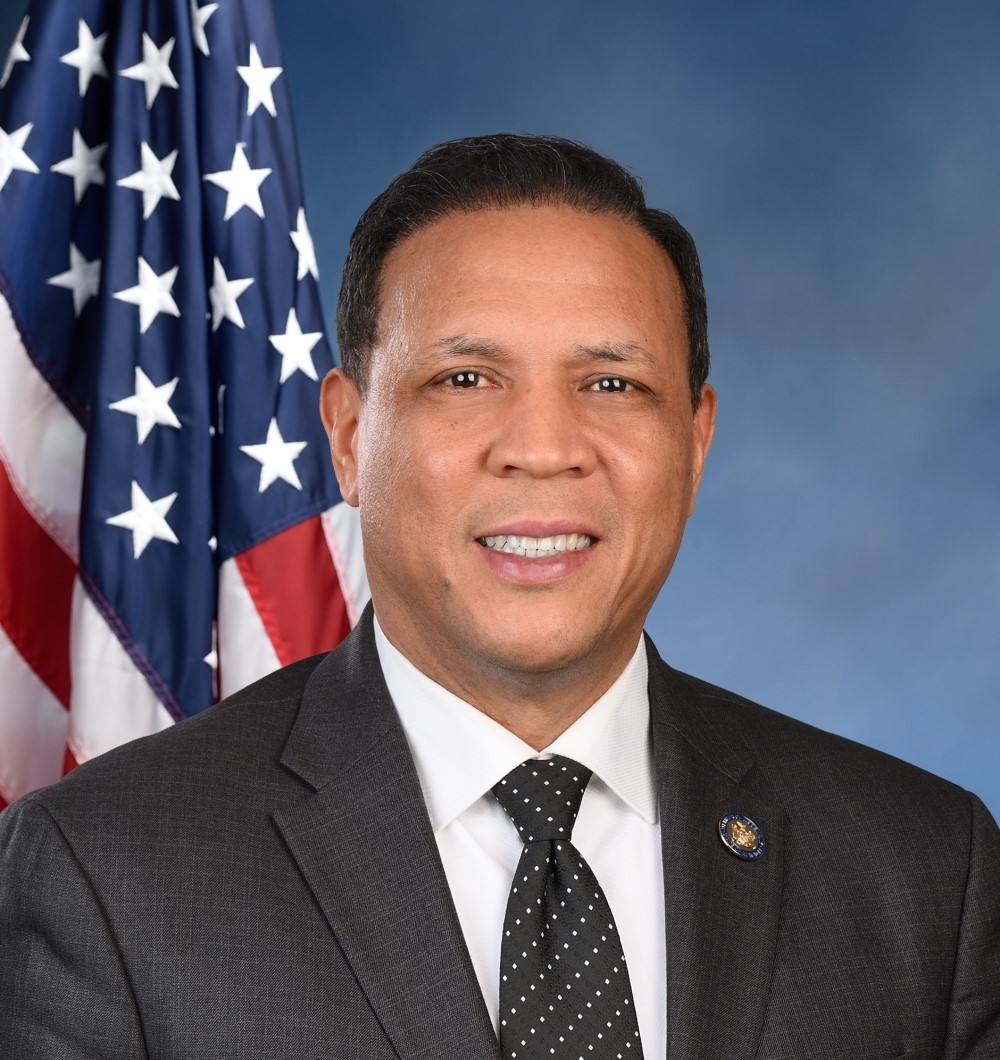
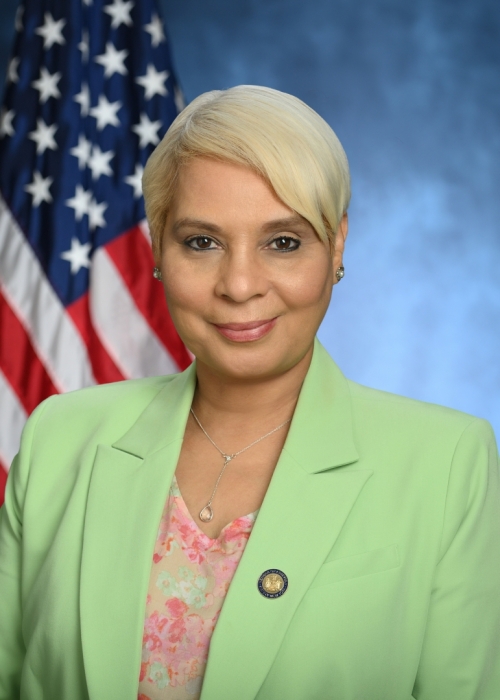
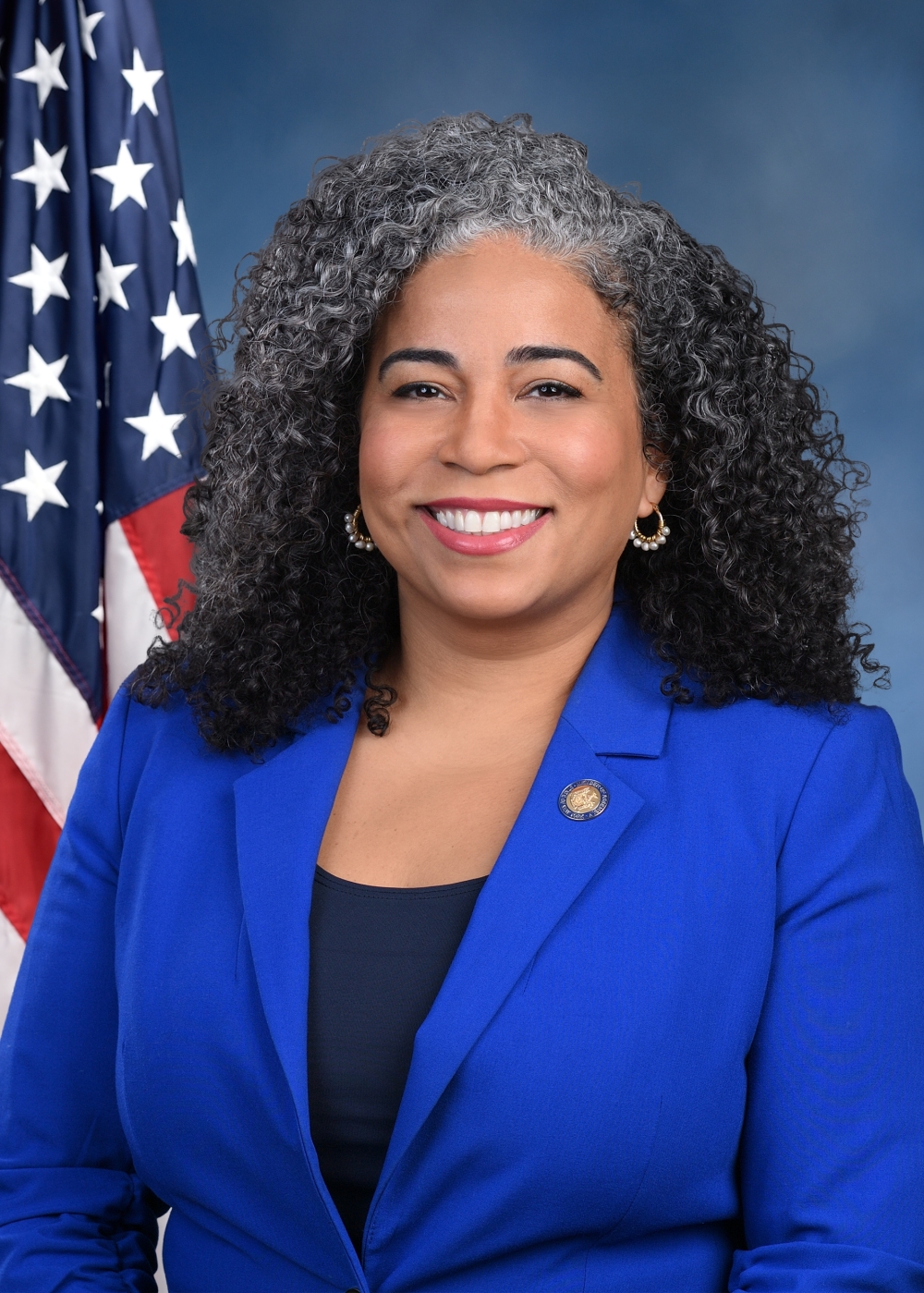
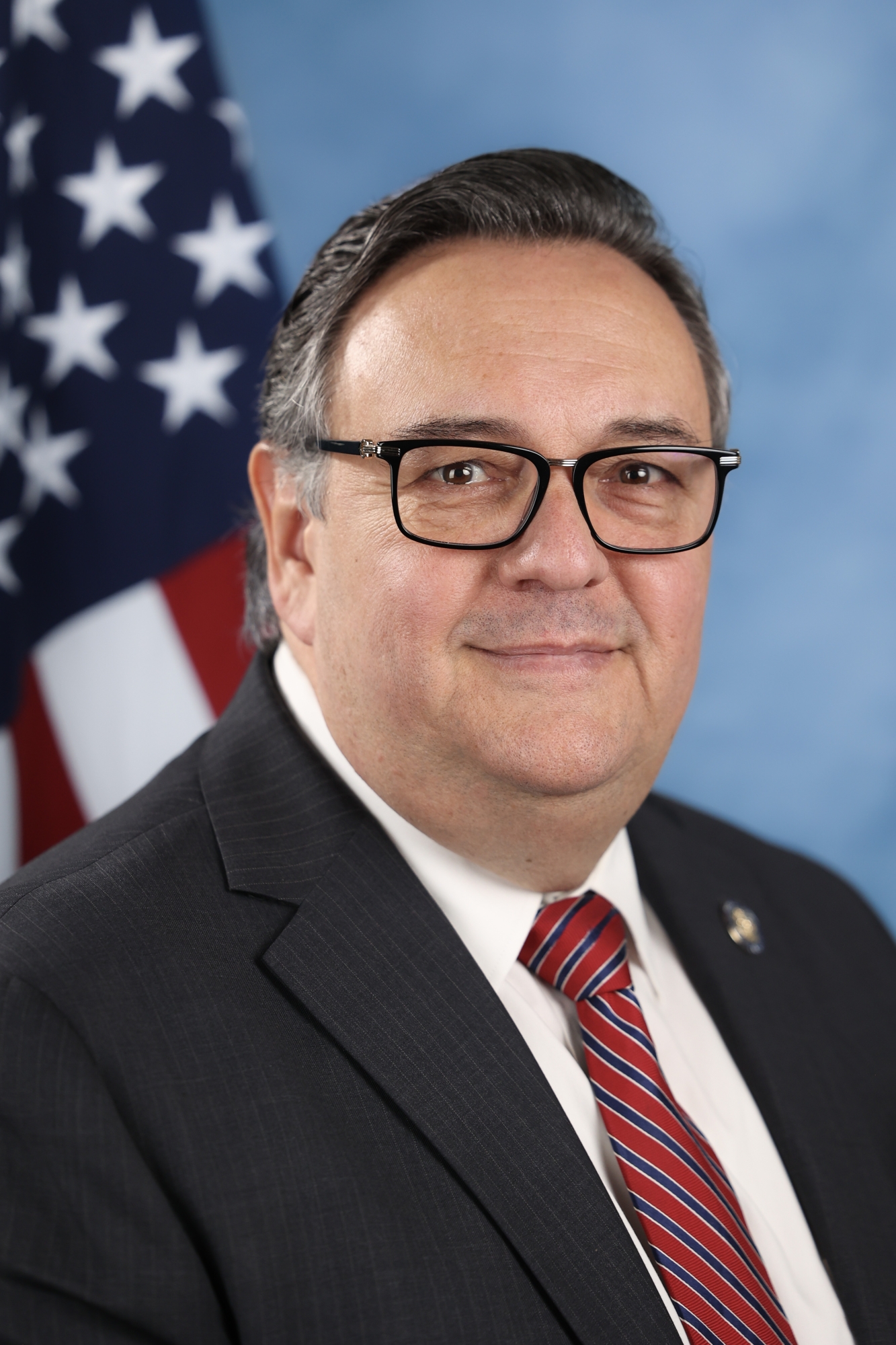
Latrice Walker
Latrice Walker House · District 55
D
Strong +
98% 129
George Alvarez
George Alvarez House · District 78
D
Strong +
98% 123
Maritza Davila
Maritza Davila House · District 53
D
Strong +
97% 117
Keith Powers
Keith Powers House · District 74
D
Strong +
97% 34
Karines Reyes
Karines Reyes House · District 87
D
Strong +
97% 135
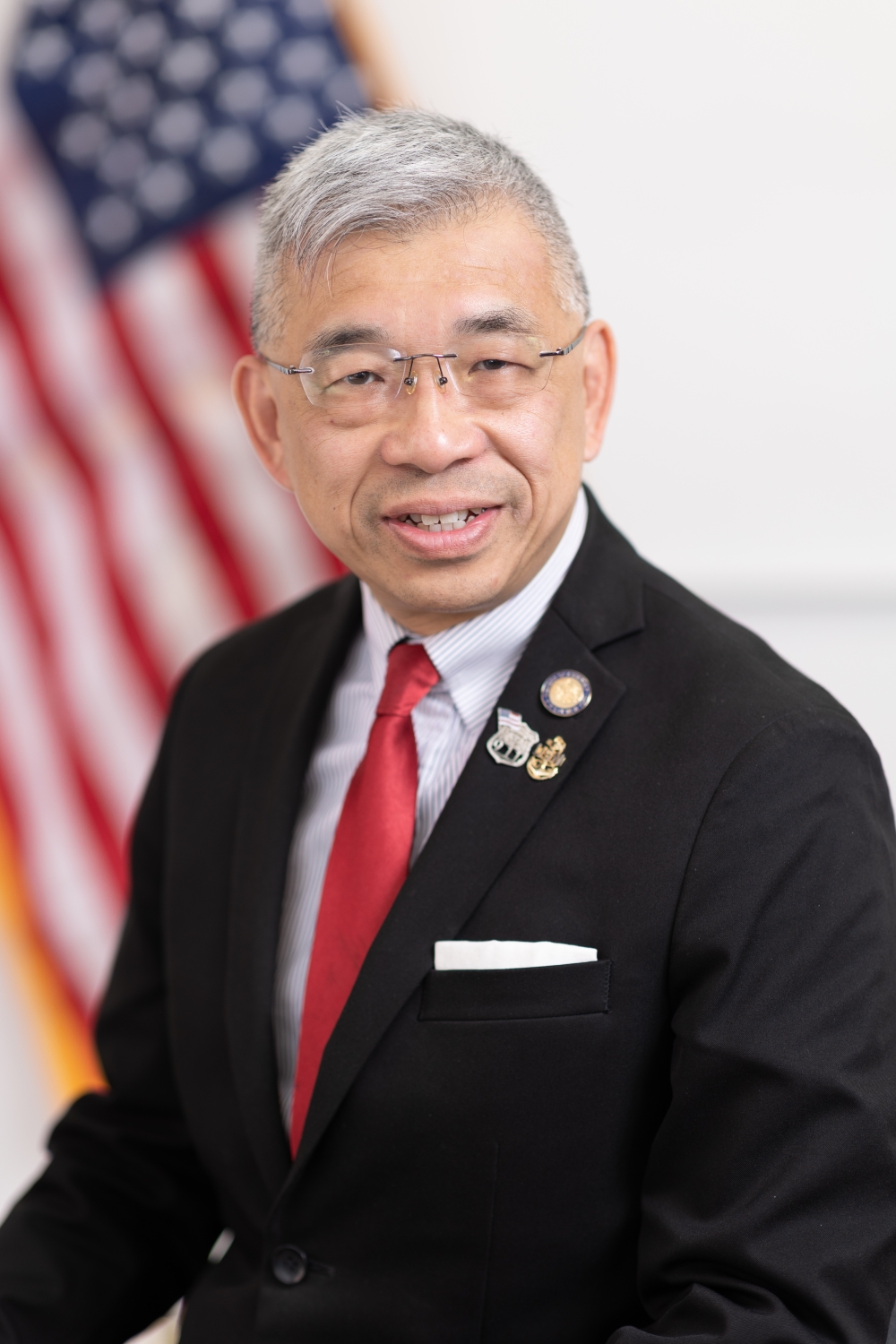
Sam Pirozzolo
Sam Pirozzolo House · District 63
R
Strong −
8% 141
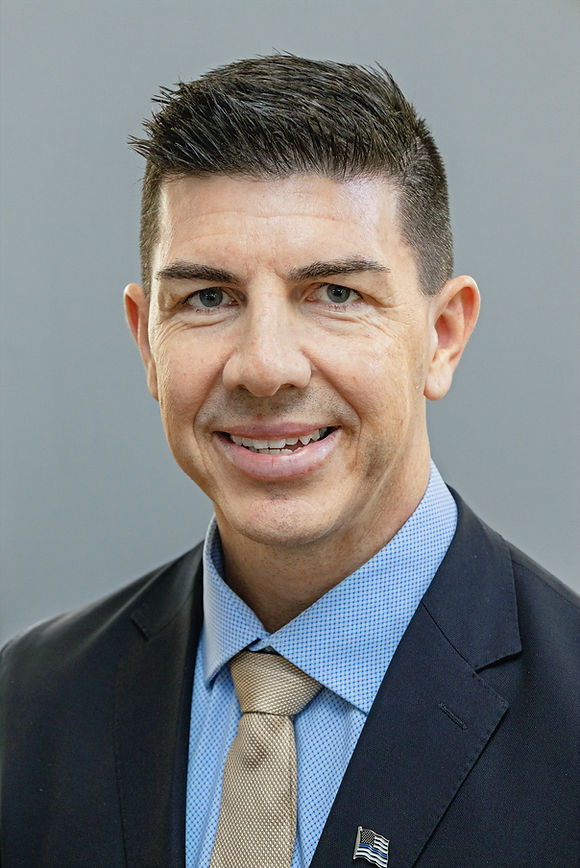
Lester Chang
Lester Chang House · District 49
R
Strong −
11% 141
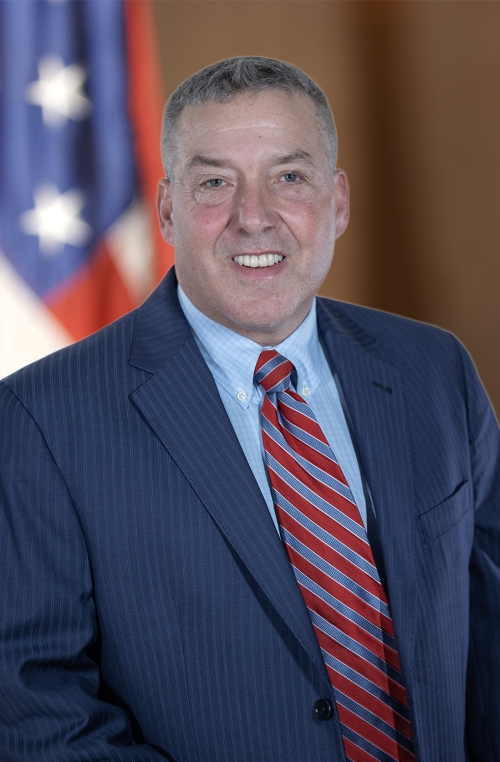
Pat Chludzinski
Pat Chludzinski House · District 143
R
Strong −
12% 141
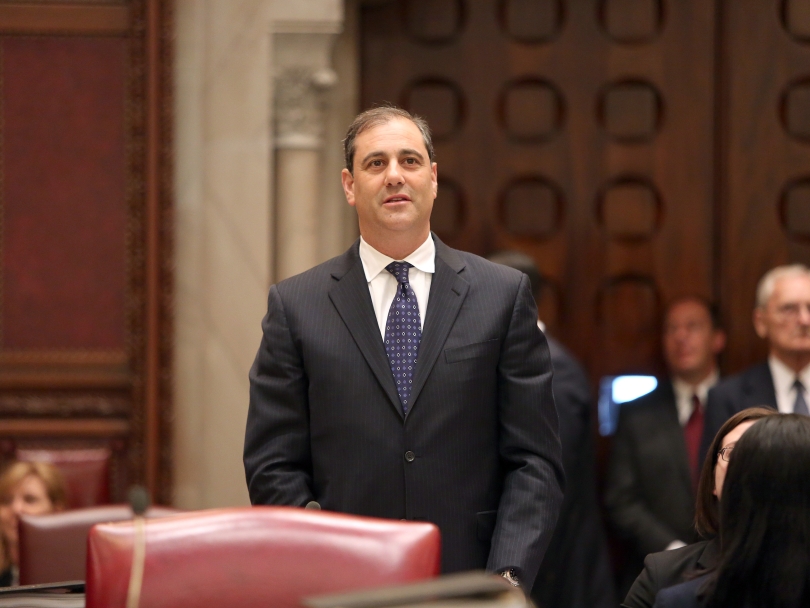
Andrew Lanza
Andrew Lanza Senate · District 24
R
Strong −
12% 232
Scott Bendett
Scott Bendett House · District 107
R
Strong −
13% 141
Showing 2,111–2,120 of 2,707 bills

All budget & taxes bills

in committee · New York · Senate Jan 7, 2026

S 1155: Relates to establishing a real property tax exemption for certain persons sixty years of age or over

Establishes a real property tax exemption for persons sixty years of age or over with an annual household income not exceeding $100,000; directs the state to reimburse municipalities for lost revenues.
in committee · New York · Senate Jan 7, 2026

S 2575: Repeals the Empire state film production credit and the Empire state film post production credit

This bill repeals two New York State tax credits: the Empire State Film Production Credit and the Empire State Film Post-Production Credit. It directly affects film production companies that previously claimed these credits to offset tax liabilities for eligible filming activities in New York. The bill removes these specific credit provisions from the state tax law by repealing corresponding sections of the tax code. This eliminates the financial incentive for film producers to qualify for these credits under current law. The change takes effect immediately upon enactment.
Sub-Topics Tax Incentives
in committee · New York · Assembly Jan 7, 2026

A 3477: Exempts political subdivisions from the imposition of the metropolitan commuter transportation mobility tax

This bill exempts most local governments (counties, towns, cities, villages) from paying the metropolitan commuter transportation mobility tax, with one exception: cities with over 1 million residents (like New York City) remain subject to the tax. It directly affects local political subdivisions by removing this specific tax obligation. The key mechanism is amending tax law to add a new exemption category (paragraph 5) for these entities. This change takes effect immediately upon enactment.
Sub-Topics Sales Tax
in committee · New York · Assembly Jan 7, 2026

A 5728: Places a permanent moratorium on unfunded mandates

This bill places a permanent ban on state laws that require local governments (such as counties, cities, school districts, and towns) to implement new programs or services without providing funding, if the cost exceeds $10,000 annually for a single local government or $1 million statewide. It defines "unfunded mandates" to include new requirements that raise costs for local governments beyond these thresholds, regardless of whether the mandate is for new services, higher service levels, or property tax exemptions. The ban includes exceptions for court orders, federal mandates, or situations involving immediate public safety threats. The law takes effect immediately for new legislation, though it does not affect existing mandates.
Sub-Topics Property Tax
in committee · New York · Assembly Jan 7, 2026

A 7666: Allows for the examination of industrial development agencies and not-for-profit corporations by county comptrollers

Bill A 7666 allows county comptrollers to audit projects and actions by industrial development agencies (IDAs) and certain non-profit corporations affiliated with local governments within their counties. It requires comptrollers to examine IDAs (defined under Public Authorities Law) and non-profits sponsored by or created by counties, cities, towns, or villages. If a county lacks a comptroller, the chief elected official must designate a budget or finance director to conduct these audits. The bill takes effect 90 days after enactment and aims to enhance financial oversight of these entities without altering their core operations.
signed · New York · Senate Aug 7, 2025

S 848: Relates to sales and compensating use taxes in the county of Livingston

This bill (S 848) authorizes Livingston County to impose an additional 1% sales tax on top of existing rates, effective June 2023 through November 2027. It directly affects residents and businesses in Livingston County who pay sales tax on goods and services. The key provision requires all revenue from this additional tax to first cover the county's Medicaid expenses, with any remaining funds then deposited into the county's general fund for other purposes. The tax must be collected separately from other county taxes and managed in a dedicated special fund.
in committee · New York · Senate Jan 7, 2026

S 1732: Relates to increasing the phase-out threshold for tuition assistance program awards

This bill raises the income threshold where New York's tuition assistance program aid begins to decrease from $7,000 to $18,000 annually. It directly affects low-to-moderate-income students who qualify for state tuition aid based on household income. The key change modifies the income brackets: aid remains full for incomes under $18,000, with gradual reductions applying only above that level. This adjustment means more students will receive full tuition assistance before aid starts phasing out. The policy change takes effect 180 days after enactment.
in committee · New York · Senate Dec 1, 2025

S 6201: Exempts political subdivisions from the imposition of the metropolitan commuter transportation mobility tax

This bill exempts most local governments in New York State from paying the metropolitan commuter transportation mobility tax. It specifically removes counties, towns, cities, and villages (except New York City, which has over 1 million residents) from the tax's scope. The change amends tax law by adding a new exemption category to the existing rules. This directly affects local government entities that would otherwise pay this commuter-related tax. The policy change takes effect immediately upon enactment.
Sub-Topics Sales Tax
in committee · New York · Assembly Jan 7, 2026

A 6102: Relates to apportionment of public moneys to school districts employing eight or more teachers in high need districts

This bill adjusts how New York State calculates foundation aid for public school districts with eight or more teachers that are classified as "high need" based on specific wealth and need criteria. It modifies the formula used to determine the state's share of funding, changing how the "combined wealth ratio" (a measure of district wealth) affects the state funding percentage. School districts meeting both the size requirement (8+ teachers) and high-need status - determined by prior state calculations like the SA0708 or SA1314 listings - will see their foundation aid amounts recalculated under this revised formula. The change directly affects eligible school districts' state funding allocations without creating new eligibility categories.
Sub-Topics School Funding
signed · New York · Senate May 20, 2025

S 3004: CAPITAL PROJECTS BUDGET

Bill S 3004, titled "CAPITAL PROJECTS BUDGET," appropriates and reappropriates funds for various state capital projects, including comprehensive construction programs, for the fiscal year beginning April 1, 2025. These funds are made available to public officers for designated projects, requiring a certificate of approval from the budget director before payment. A key provision allows the budget director to withhold these appropriated amounts if a general fund imbalance of $2 billion or more is projected for fiscal year 2025-26, after depleting a transaction risk reserve. However, certain payments like public assistance, debt service, and those required by federal law or court orders are exempt from these potential withholdings, and the legislature can propose an alternative plan.
Showing 2,111 to 2,120 of 2,707 bills